Summary
Tech giants, led by Google’s Gemini, are moving into basketball and college sports on two fronts at once: signing athletes as the public face of generative AI, and buying institutional presence at the venue level, as Gemini did at Michigan Stadium in August 2026.
For decades, a college athlete’s “big break” meant a local car dealership commercial or a free pizza endorsement. Today, the landscape looks radically different as tech titans replace hometown businesses. The rapid rise of Google Gemini NIL deals marks a massive shift in how student-athletes monetize their Name, Image, and Likeness, transforming them from regional stars into global technology ambassadors.
And as of August 2026, the ambition reaches past individual athletes entirely. Gemini joined Coca Cola and Meijer as one of three inaugural brands in Michigan Athletics’ Leaders and Best Champion Partners Program, bringing brand presence inside a stadium that has spent nearly a century deliberately holding it at arm’s length.
Balancing a 6:00 AM weightlifting session, four demanding classes, and a midnight study marathon leaves these young stars notoriously overwhelmed. Industry data reveals that managing a modern athletic career on top of a full academic course load leaves players drowning in unread emails, overlapping schedules, and brand obligations. They desperately need a productivity multiplier to handle the sheer chaos of their daily routines.
This exhausting reality explains exactly why Silicon Valley is stepping onto the field. Generative AI—technology that can instantly create new text, summarize documents, and draft responses—acts as the ultimate digital assistant for a stretched-thin quarterback or point guard. While previous Google deals and Google offers might have focused on traditional search functions, this new wave of partnerships proves a larger point: if an AI assistant is fast enough to organize a Heisman contender’s chaotic week, it is certainly powerful enough to handle a standard daily schedule.
The bottom line: AI is becoming part of how athletes manage their workload and build professional identities, but it is also the most scrutinized category an athlete can sign into, and the reaction to these deals is now part of the deal.
Why Google is Swapping Search Results for Starting Lineups
New software used to be pitched by polished executives on stage. Today, the face of innovation is a twenty-year-old point guard juggling finals week and a championship run. Everyone knows Google is an AI company, but their strategy to make this technology approachable is surprisingly human. Instead of relying on professional veterans who have entire staffs managing their lives, they are turning to college campuses.
The secret lies within modern tech company student-athlete sponsorship criteria. Google wants the relatable struggle of the “student” in student-athlete. A pro quarterback using AI feels like a corporate gimmick, but a college sophomore using it to organize study guides feels genuine. This strategy strips the intimidation away from AI, positioning it as a practical tool to manage everyday chaos.
Ultimately, Google Gemini partnerships with NCAA players are designed to normalize brand-new behavior. The commercial value is not just visibility; it is about making AI a daily habit. When fans watch a young star use a digital assistant to navigate a hectic schedule, the technology transforms from a complex algorithm into a relatable teammate.
Specific stars command massive attention from Silicon Valley because the perfect partnership requires a delicate balance of personality, academic pressure, and athletic dominance. The Paige Bueckers endorsement exemplifies how this strategy translates from a boardroom into reality.
In short, these Google Gemini deals emphasize everyday utility over hype, and student-focused Google deals and curated Google offers help make the tech feel accessible.
Inside the Paige Bueckers Deal: What a Top-Tier AI Partnership Actually Looks Like
Inside the Bueckers Deal: What a Top-Tier AI Partnership Actually Looks Like
When Google went looking for a face for Gemini in basketball, it picked the athlete who had defined the NIL era on her way out of it. Paige Bueckers earned an estimated $1.4 million in NIL during her final season at UConn, went first overall in the 2025 WNBA Draft, and won Rookie of the Year that September after averaging 19.2 points across 36 starts and setting the league rookie single game scoring record with 44 points. Her Gemini partnership is a professional endorsement rather than an NIL agreement, and she is not the only one: A’ja Wilson has appeared in Gemini ads as well.
The campaign follows a pattern worth studying, whatever you think of the product. Rather than holding the phone up to the camera, it shows the tool inside an ordinary problem and lets the fix be the whole pitch. No architecture talk, no capability claims, just a task most people recognize and a shortcut through it.
That structure is the transferable part. Tech brands are not buying a logo placement when they sign an athlete; they are buying proof that a real person with a demanding schedule actually opens the app. An athlete who can show that credibly is worth more to them than one with a larger following who cannot.
By leaning into practical utility rather than computing power, this partnership redefines modern sports sponsorships. It proves the most effective way to market new software is by letting a trusted personality demonstrate its tangible, real-world value. As this technology operates on a busy campus, its massive appeal to young stars becomes undeniable.
From Jersey Patches to the Big House: Gemini Goes Institutional
When the Audience Pushes Back: The AI Endorsement Problem
From Jersey Patches to the Big House: Gemini Goes Institutional
Signing an athlete is one strategy. Buying a permanent place in the building is another, and in August 2026 Google did exactly that. Michigan Athletics named Gemini one of three inaugural brands in its Leaders and Best Champion Partners Program, alongside Coca Cola and Meijer, opening select advertising inside a venue that has stayed conspicuously clean for 99 years.
The restraint is the story. The program keeps in venue branding to a uniform visual standard in maize, blue or white, so partner presence reads as part of the building rather than pasted onto it. It can include on field and stadium based branding, scoreboard integrations, end zone placements and digital in game activations, with jersey patches and other premium assets still under exploration.
The NCAA rule allowing commercial patches was approved in January 2026 and took effect August 1. Schools did not wait for the effective date. Roughly two dozen had signed by mid August, many through Learfield, the same rights holder that runs Michigan’s program. Michigan has not signed one. Listing patches as an area under exploration, in an announcement that names Gemini specifically, is a reasonable signal about what comes next. Our full breakdown of the patch market covers who has signed and what the deals are worth.
For athletes, the distinction matters. This is an athletic department sponsorship sold through Learfield’s Michigan Sports Properties, not an NIL agreement, so the benefit arrives through revenue sharing rather than through individual contracts with Google. Institutional money funds the department. Athlete money comes from brands, collectives and fans. The practical takeaway is that tech brands are now buying in at both levels at once, which widens the pool of companies worth pitching.
When the Audience Pushes Back: The AI Endorsement Problem
Writing in the newsletter Out of Your League, sportswriter Frankie de la Cretaz reported that analytics compiled by the WNBAdata account showed comments on WNBA players’ AI posts running overwhelmingly negative, with objections centered on environmental impact and the use of artists’ work rather than on the players themselves. Bueckers drew particular scrutiny because she had said publicly that she vets and approves every brand deal she signs, and commenters held her to that standard. Kelsey Plum faced similar pushback over an AI twin partnership.
The sentiment is not confined to one fanbase. A June 2025 Pew Research Center study found that half of American adults are more concerned than excited about AI in daily life, up from 37 percent in 2021.
None of this means an athlete should turn down a tech deal. It means the calculation is different from a beverage or apparel deal. Ask who your audience is, whether you can speak to the criticism honestly, and whether the fee accounts for the fact that some share of your following will read the post as a betrayal rather than a milestone.
3 Ways Gemini Acts as a ‘Digital Quarterback’ for Overwhelmed Athletes
Between 6:00 AM weight room sessions, cross-country travel days, and back-to-back classes, student-athletes face a relentless time crunch. To survive this schedule without burning out, many are turning their phones into personal assistants. Using AI-powered productivity tools for college sports goes far beyond simple web searches; it transforms chaotic incoming communications—like sponsor emails and professor updates—into manageable action items.
When evaluating Gemini vs ChatGPT for academic and athletic balance, Google’s tool often takes the lead for students already living in its ecosystem. Because Gemini connects directly to Docs and Gmail, athletes can instantly pull syllabus data or flight itineraries without copying and pasting. It acts as a digital quarterback, reading the defense of a stressful week and automatically calling the right audibles to save time.
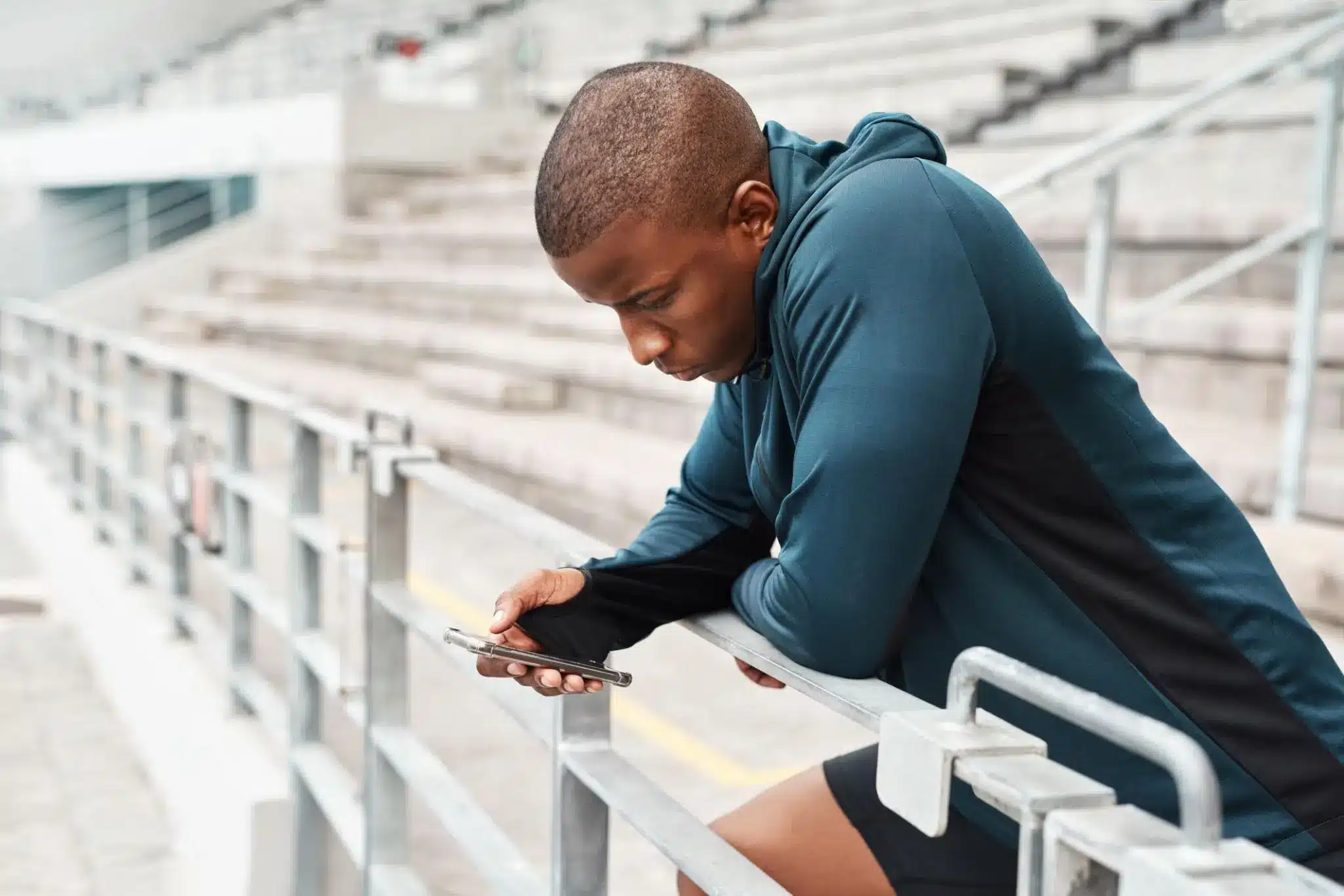
To achieve these results, athletes use specific instructions to engineer their perfect routine. Here are three practical prompts designed to conquer an overloaded schedule:
- The Travel Planner: “Look at my Gmail for my weekend flight itinerary and block out realistic study windows for my Biology midterm.”
- The Inbox Coach: “Summarize the last five emails from my NIL agent and list only the immediate action items.”
- The Tutor: “Explain this complex chemistry chapter using basketball analogies so I can quickly review it on the team bus.”
Mastering these straightforward inputs prevents administrative tasks from overwhelming physical performance. As these young stars lock in their daily routines, the focus shifts from surviving the semester to preparing for the future and building a professional brand.
From Post-Game to Post-Grad: Building a Professional Brand with Generative AI
Surviving a busy semester is only half the battle; the real victory lies in securing a long-term future. Today’s college stars need a polished online presence to attract sponsors, but full-time students rarely have spare hours to craft content. By managing name, image, and likeness with generative AI, athletes effectively unlock a digital public relations team that works around the clock.
The creative process usually demands hours of focus, yet smart technology shrinks this ideation phase down to minutes. Through seamless Google Gemini integration in athlete daily routines, a quick bus ride easily becomes a rapid content strategy session. A player can ask the assistant to generate engaging Instagram captions about their game-day sneakers, instantly transforming a simple photo into sponsor-friendly gold.
Tone and quality matter just as much as posting frequently. When exhaustion hits after a grueling three-hour practice, an athlete’s natural writing might understandably sound informal or rushed. Using AI as a collaborative editor polishes those rough drafts, ensuring their social feeds reflect a reliable, mature brand that commands attention from higher-paying corporate partners.
This digital groundwork does more than secure a quick paycheck today; it establishes a professional identity that outlasts graduation. As these young athletes gracefully transition from the playing field to the boardroom, their digital tools become essential for handling the business side of their success.
Navigating the Fine Print: Using AI to Simplify Complex NIL Agreements
A thrilling brand partnership often stalls when a forty-page document lands in an 18-year-old’s inbox. Without a law degree, reading contracts feels like decoding ancient history, which is exactly how college athletes use Gemini AI to level the playing field. Feeding a complicated document into the assistant gives players a quick, readable summary before they make any permanent decisions.
Translating dense legal jargon into plain English allows stars to spot potential traps early. When reviewing legal considerations for AI-driven NIL agreements, players can prompt Gemini to highlight three common red flags:
- Exclusivity clauses: Does this wording prevent you from working with competing tech brands?
- Perpetuity rights: Will the corporate sponsor own the rights to your image forever?
- Deliverable timelines: Are the mandatory posting schedules actually realistic during midterms?
Smart users also recognize the strict boundaries of this technology when navigating high-stakes business deals. Generative AI acts as a fantastic prep tool to organize thoughts, but it never replaces a licensed attorney. Think of the software as a trusted scout that reviews the game tape, preparing you with the right questions to ask a professional legal team.
Properly executed contracts ensure a lucrative opportunity truly protects the future rather than limiting it. Once athletes know how to safely unpack complex documents, they can confidently focus on attracting major corporate sponsors.
The Tech Scouting Report: How to Position Yourself for a Google-Level Deal
Landing a shoe deal used to mean an athlete had truly arrived, but today, Silicon Valley is the new frontier. Big tech companies want partners who genuinely understand their products rather than just holding a phone and smiling for the camera. The commercial value of AI brand deals in sports relies entirely on authenticity. To attract a Google-level sponsorship, players must show they already use smart assistants to juggle morning practices, challenging classes, and media obligations.
Proving digital literacy does not require writing code; it demands strategy. When figuring out how to secure a technology NIL contract, treat your online presence like an interactive resume. Aspiring stars can use this five-point checklist to make their profile instantly “tech-ready” for scouts:
- Show your workflow: Post behind-the-scenes content highlighting how you organize your busy schedule using smart planners.
- Keep aesthetics clean: Ensure your social feeds feature high-quality visuals without controversial clutter.
- Highlight problem-solving: Share relatable stories about how specific apps saved you time during midterms or long travel days.
- Engage authentically: Tag the software companies you organically use, just like you would a favorite apparel brand.
- Demonstrate curiosity: Talk openly about learning new digital skills to prove you adapt quickly to changing platforms.
Securing these lucrative partnerships means treating your personal brand like a forward-thinking business. Once your profile proves you are ready for cutting-edge sponsorships, you step into an entirely new arena of opportunity.
The New Standard: Why Every Modern Athlete Needs an AI Game Plan
An athlete’s endorsement represents a massive shift in how student-athletes build lasting professional brands. AI is no longer just a tech buzzword; it is a vital career tool helping young competitors manage their demanding schedules and public presence.
This transformation actively writes the playbook for the future of digital endorsements for collegiate stars. Rather than simply posing with a physical product, athletes now showcase how advanced technology actively conquers the real-world chaos of their daily lives.
This technology is not exclusive to highly recruited prospects. High-profile Google Gemini deals serve as a blueprint for personal productivity. Opening the app to organize a weekly schedule or draft a difficult email yields immediate results. Using an AI assistant to clear away daily busywork builds confidence in navigating the modern digital landscape, providing a capable tool to help tackle major professional and academic goals.
Learn More About the NIL Landscape
Name, Image, and Likeness plays an increasing role in college sports, and understanding how it works often requires more than individual articles or news updates.
RallyFuel is a platform focused on NIL-related topics across college athletics. It brings together information about athletes, NIL activity, and the broader structure behind modern college sports, helping readers explore the topic in more depth.
Q&A
Question: What makes Google Gemini NIL deals different from traditional endorsements? Short answer: They center on everyday utility, not just visibility. Instead of posing with products, athletes show how Gemini’s generative AI actually helps them survive college life—summarizing emails, organizing study schedules, editing content, and managing sponsor obligations. This turns AI into a relatable “teammate,” normalizes daily use of the tech, and elevates student-athletes from local promoters to authentic ambassadors for advanced software.
Question: Why is Google partnering with college athletes instead of professional stars? Short answer: Authenticity and relatability. The “student” side of student-athlete—juggling finals, practices, and travel—makes AI feel like a practical lifesaver rather than a corporate gimmick. By spotlighting real campus workflows on a phone, Google positions Gemini as a habit-forming tool for everyday chaos, something fans can imagine using themselves.
Question: How do athletes actually use Gemini day-to-day to manage school and sports? Short answer: They rely on Gemini’s tight integration with tools they already use and on practical prompts:
- Core tools: email summarization for quick action items, photo editing for cleaner social posts, and study planning via clear prompts.
- Example prompts:
- The Travel Planner: “Look at my Gmail for my weekend flight itinerary and block out realistic study windows for my Biology midterm.”
- The Inbox Coach: “Summarize the last five emails from my NIL agent and list only the immediate action items.”
- The Tutor: “Explain this complex chemistry chapter using basketball analogies so I can quickly review it on the team bus.”
Because Gemini connects directly to Docs and Gmail, athletes can pull syllabi and itineraries without copying and pasting—often making it the smoother choice for students already in Google’s ecosystem.
Question: How can generative AI help athletes build a professional brand and attract tech sponsors? Short answer: It compresses content creation and elevates quality. Athletes can generate on-brand captions, brainstorm ideas between classes, and polish tone after exhausting practices—keeping feeds professional and sponsor-ready. To appeal to tech partners, treat your online presence like an interactive resume:
- Show your workflow (how you use smart tools to organize a packed schedule).
- Keep visuals clean and high-quality.
- Highlight problem-solving wins (apps that saved time during midterms or travel).
- Engage authentically (tag tools you genuinely use).
- Demonstrate curiosity (share what you’re learning about new digital skills).
This signals real product fluency and authenticity—the traits tech companies prioritize.
Question: Can AI help me review NIL contracts, and what should I watch for? Short answer: Yes—use Gemini to translate legalese into plain English and surface potential issues quickly, but it’s a prep tool, not legal advice. Common red flags to ask Gemini to spotlight include:
- Exclusivity clauses (do they block you from competing tech brands?).
- Perpetuity rights (does the sponsor own your image forever?).
- Deliverable timelines (are posting schedules feasible during exams?).
After AI triage, bring questions to a licensed attorney to protect long-term flexibility and value.
Question: Is the Michigan Gemini deal an NIL deal? Short answer: Not directly. Gemini joined Coca Cola and Meijer as one of three inaugural brands in Michigan Athletics’ Leaders and Best Champion Partners Program, an athletic department sponsorship sold through Learfield’s Michigan Sports Properties. Athletes benefit through the revenue sharing the program supports rather than through individual NIL contracts with Google. Jersey patches are named as an area still being explored, which would be the closest thing to a direct NIL component, but that piece is not confirmed. For more on why patch and sponsorship money is not NIL money, see our guide to the jersey patch era.