Last updated: November 16, 2026
The most popular NCAA athletes online are the ones who pair strong play with a following that actually responds. In the NIL era, that mix of reach and engagement shapes media attention and sponsor interest.
Quick summary
- Online popularity combines reach (followers), engagement (how fans respond) and performance (media exposure).
- Sponsors look at audience size, engagement rate and brand fit when valuing a deal.
- Rankings of the most popular NCAA athletes online change fast as athletes graduate or turn pro, so check current profiles.
- You do not need millions of followers: smaller, active audiences can still win local and niche sponsors.
Why online popularity matters in college sports
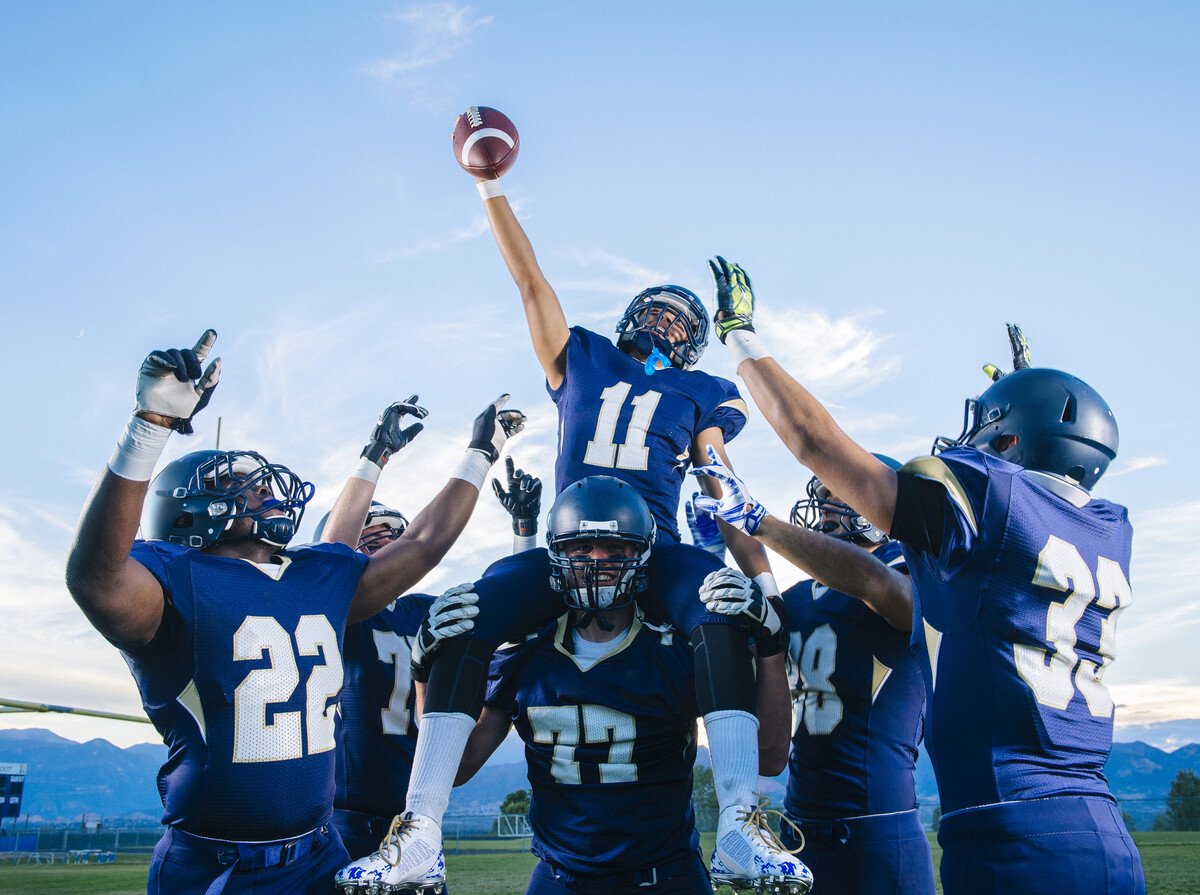
Digital visibility works like a modern performance metric. Athletes who trend or go viral often gain exposure that traditional coverage alone does not give them, which can mean more fan interest, stronger personal branding and more attention from sports media.
It also feeds NIL value. Brands prioritize athletes who can deliver reach and engagement, so large online audiences show up often in lists of top college NIL earners. Read more in our look at college athletes with the biggest social media reach and our guide to fan engagement in college sports.
Key factors behind online popularity
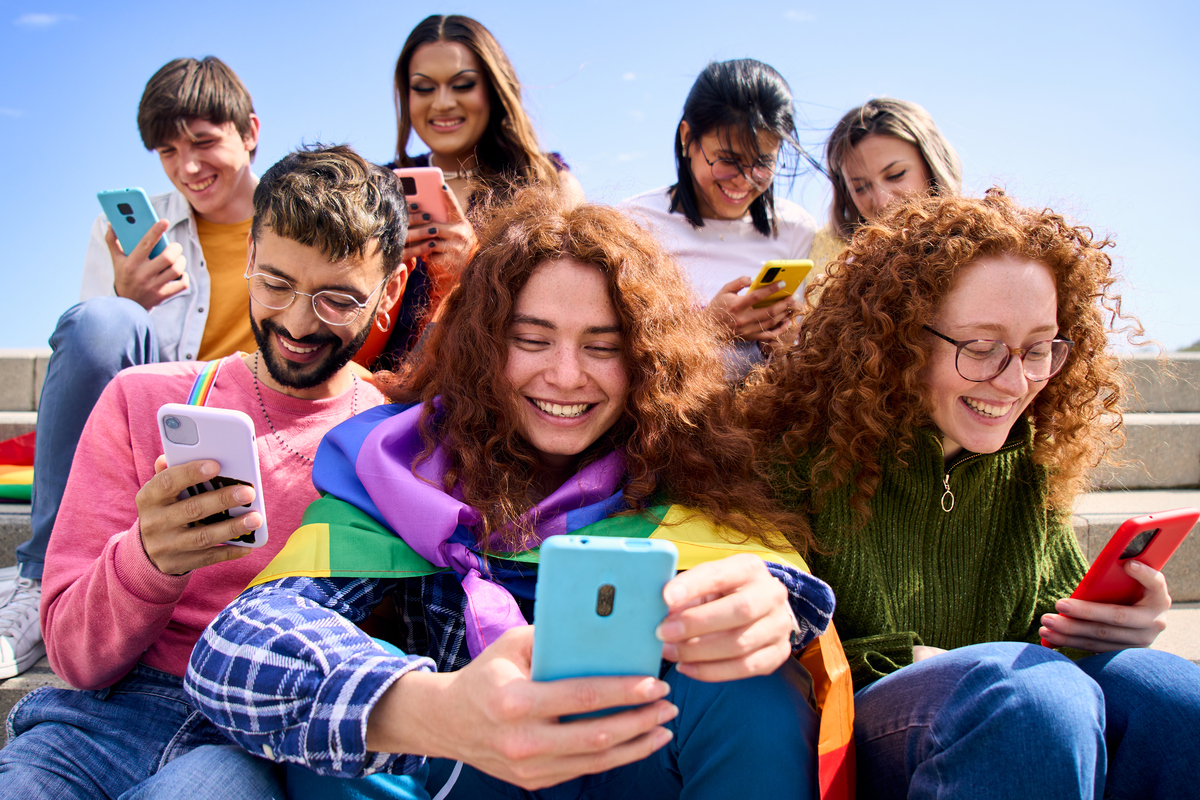
Social media reach
Follower count is the most visible signal. Athletes who stay active across Instagram, TikTok and X can reach large audiences instantly, although each platform rewards different content.
Engagement and content
Replies, shares and saves show whether followers care. Behind-the-scenes moments, training and lifestyle posts, and interactive posts that invite fans to respond usually build stronger communities.
Performance and media exposure
Athletic success still drives attention. Big games, televised tournaments and highlight clips send new followers to an athlete’s profile.
The most popular NCAA athletes online
Several college athletes have built very large followings across basketball, football, gymnastics and other sports. The table below lists selected names. Because athletes graduate, transfer or turn pro, treat any list as a snapshot and open each RallyFuel athlete profile for current school and status.
| Athlete | Sport | College | Online Popularity |
|---|---|---|---|
| Livvy Dunne | Gymnastics | LSU | 10M+ followers |
| Bronny James | Basketball | USC | 10M+ followers |
| Angel Reese | Basketball | LSU | 3M+ followers |
| Shedeur Sanders | Football | Colorado | 2M+ followers |
The common thread is not a single sport. It is a mix of visibility, personality and consistent posting that gives sponsors a clear story to attach to. You can see the same pattern among athletes who built strong communities around their brands.
How online popularity affects NIL opportunities
Sportswear, lifestyle and digital brands often look for athletes who can promote products to a large audience. Three factors tend to shape sponsorship value:
- Audience size.
- Engagement rate.
- Brand alignment.
Digital influence can also outlast college. Athletes who build a clear personal brand often keep sponsorship and media opportunities as they move on. Our overview of how college athletes use social media covers the basics.
Colleges that boost athlete popularity
Programs with large fan bases and steady media coverage give athletes more exposure, and many universities invest in social teams and marketing that promote their athletes. A strong campus brand, steady television exposure and an active athletic department social team all give athletes a head start. The table below lists selected programs; compare them on the school leaderboard.
| College | Key Sports | Popularity Advantage |
|---|---|---|
| LSU | Gymnastics & Basketball | Strong social media presence |
| USC | Basketball & Football | Large media market |
| Colorado | Football | High media exposure |
| UConn | Basketball | National recognition |
How to compare athletes fairly
Follower counts alone can mislead. When you compare athletes, look at a few signals together:
- Engagement rate, not only total followers.
- Growth over recent months, which shows momentum.
- Platform mix, since a strong TikTok audience behaves differently from an Instagram one.
- Fit between the athlete’s content and the sponsor’s audience.
Used together, these signals help fans, brands and athletes see who is building a lasting audience and who is riding a single viral moment. That is also why smaller programs and Olympic-sport athletes can punch above their follower counts.
What comes next for the most popular NCAA athletes online
Expect more focus on content creation, wider NIL marketplaces, global audience growth and deliberate branding strategies. As competition rises, athletes will need to balance performance with steady digital engagement.
FAQ
Who are the most popular NCAA athletes online?
It changes often. Gymnasts, quarterbacks and basketball stars have led follower counts in recent years, but athletes who graduate or turn pro leave the college ranks. Check current RallyFuel athlete profiles.
Why is online popularity important for college athletes?
It helps build a personal brand, attract sponsors and raise NIL value.
How does social media affect NIL earnings?
Larger and more engaged audiences generally lead to more valuable deals, but local sponsors also value small, active communities.
Can athletes become popular without winning championships?
Yes. Personality, content and engagement can build an audience even without major titles.
Follow College Athletes on RallyFuel
Want to go deeper? Explore athlete profiles and NIL data, see how programs stack up on the school leaderboard, and follow your favorite athletes.
👉 Make your predictions with RallyFuel Predictions.