
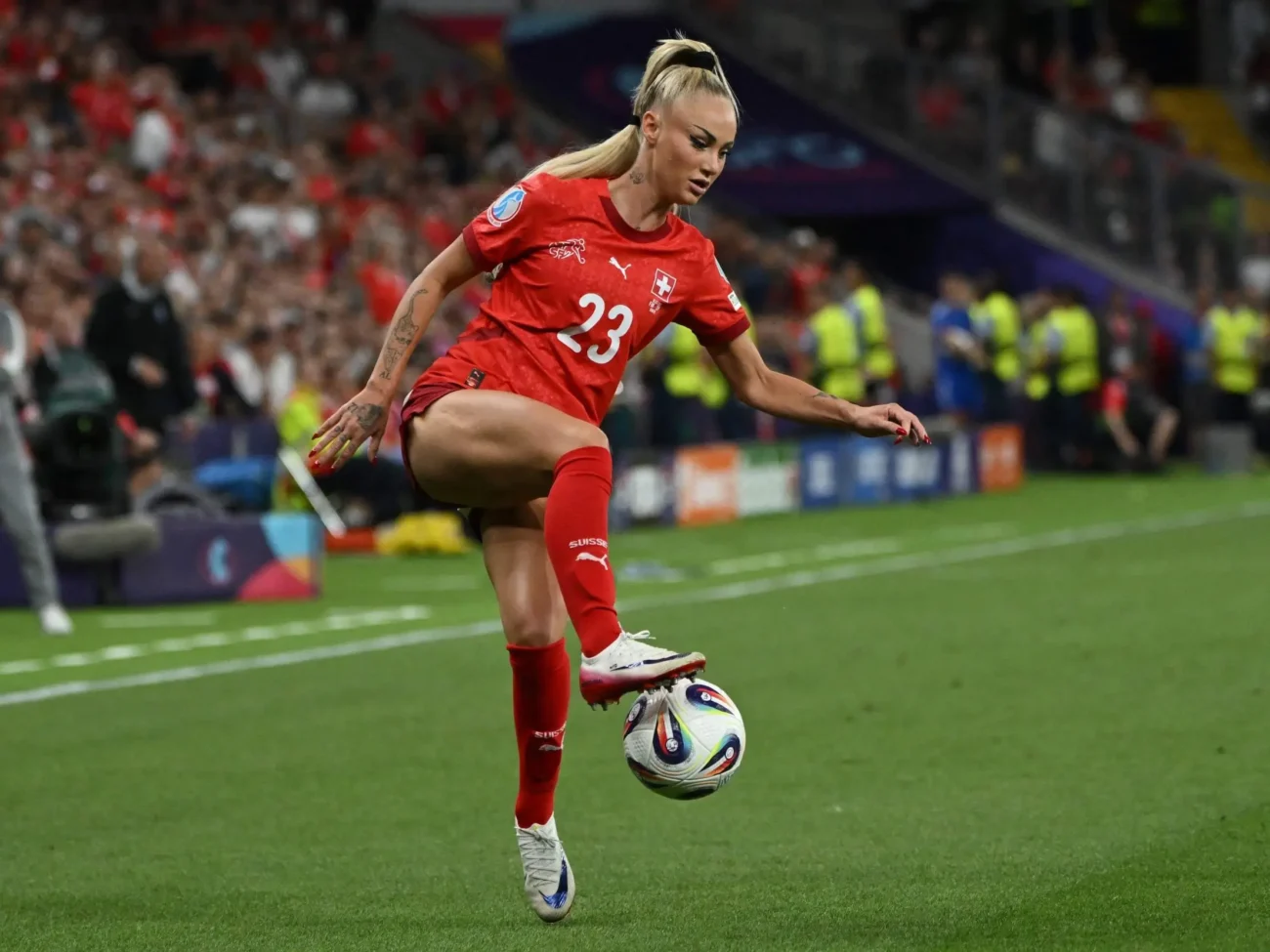
Ten years ago, a star high school quarterback’s biggest reward for signing with a top university was a scholarship and a jersey. Today, that exact same player might secure a contract worth more than an average CEO’s salary before taking a single snap. We are witnessing the fastest economic transformation in sports history, replacing old under-the-table handshakes with multi-million dollar boardroom negotiations.
The tipping point arrived with a sweeping legal shift in 2021, creating what operates essentially as an “Influencer Model” for college sports. Athletes finally gained the right to profit from their Name, Image, and Likeness, turning simple local sponsorships into lucrative NIL deals. Just as a popular YouTuber monetizes their personal brand and digital presence, a college player can now legally do the exact same thing.
Viewing these elite prospects merely as teenagers playing a game completely misses the reality of the market; they now function as high-value startup businesses. According to industry trackers like On3, the sheer scarcity of top-tier talent means 5-star recruit NIL deals often command valuations soaring well past the million-dollar mark. With dozens of major universities fighting over a handful of game-changers, basic supply and demand aggressively pushes the price tag skyward.
Navigating this complex landscape requires uncovering how these massive paychecks actually come together behind closed doors. The funding origins, check-writers, and real-world risks hidden inside modern NIL opportunities reveal a complex ecosystem. The rules of amateur athletics have forever changed, driven by entirely new economic mechanics.
Summary
NIL reforms since 2021 have turned elite high school recruits into influencer-style businesses, with the scarcity of five-star talent driving million-dollar valuations. Most funding is orchestrated by alumni-backed NIL collectives and supplemented by brand endorsements, with payments tied to deliverables and subject to uncertainty. Commitments now shift rapidly amid signing-day battles and the transfer portal, while taxes, agent fees, and a patchwork of state laws and NCAA guardrails meaningfully reduce and constrain earnings. Social media–driven personal brands are central to market value, and the system is trending toward standardized contracts and possible revenue sharing to stabilize the market and protect athletes.
Decoding the Blue-Chip Economy: Why 30 Players Dominate the NIL Market
Every year, over a million high school athletes take the field, yet only about thirty earn a “five-star” rating. These teenagers are the blue chip prospects of the sports world, functioning much like high-value tech stocks. Because over a hundred top-tier universities are desperate to sign them, a massive supply-and-demand imbalance is created.
That fierce competition drives today’s blockbuster 5-star recruit NIL deals . When several legendary programs pursue the exact same quarterback, the price skyrockets based purely on scarcity. As a result, the average NIL valuation for blue chip prospects frequently exceeds one million dollars before they ever attend a college class. Sponsors are paying for projected marketing impact and viral hype rather than proven collegiate game stats.
This economic reality explains why an unproven teenager can command a higher market price than a veteran college senior. The system simply rewards the rarest talent, treating elite freshmen as franchise-altering investments. However, since universities cannot legally write these massive paychecks directly, fans often wonder where all this cash actually originates. The answer lies in the specialized booster groups quietly funding the sport’s newest economy.
The Engine Under the Hood: How NIL Collectives Fund Elite Talent
When a five-star recruit signs a massive deal, the university itself isn’t writing the check. Instead, the money flows from independent organizations known as NIL Collectives. Think of these groups as “Digital Booster Clubs.” They are third-party businesses created by passionate alumni to pool financial resources and ensure their favorite college team stays competitive in a fierce recruiting market.
Operating completely separately from the athletic department, these organizations generate the capital needed to offer lucrative NIL opportunities to incoming freshmen. To build these massive war chests, collectives typically rely on three primary revenue streams:
- Monthly fan subscriptions (functioning like a ‘Netflix’ model for hardcore supporters)
- Massive one-time donations from high-net-worth boosters
- Corporate sponsorship tie-ins with local businesses
Pooling this money allows fans of all income levels to directly influence the talent on the field. While the university handles the coaching, academics, and stadium facilities, the collective effectively acts as an outsourced payroll department for top-tier athletes. It is a highly coordinated effort to legally attract the best players using community-driven financial power rather than restricted institutional funds.
This structure highlights how an athlete’s income does not always originate from a single source. While a national sports drink company might hire a star quarterback for a television commercial, a prospect’s foundational wealth relies heavily on navigating the NIL collective vs direct brand endorsement dynamic. This distinction decodes where the million-dollar checks actually originate.
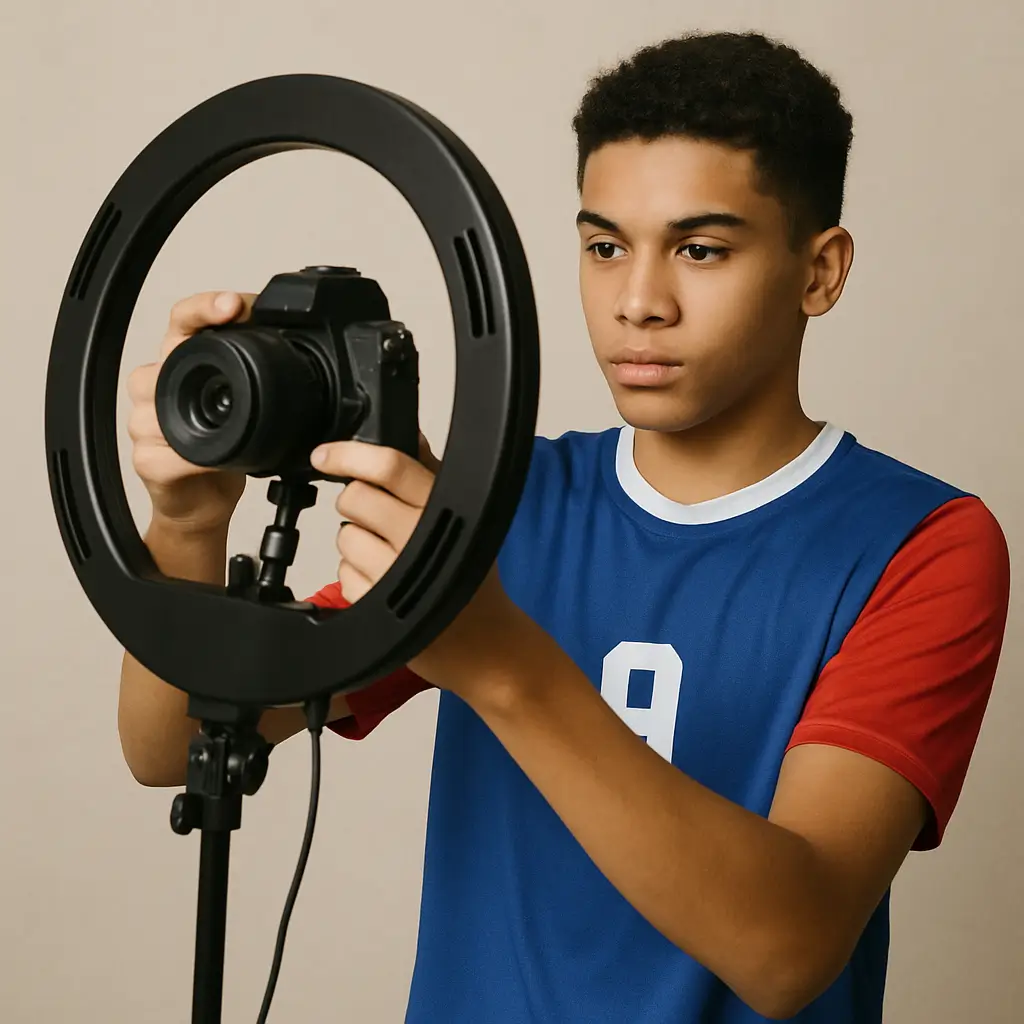
Direct Brands vs. Collective Cash: Where the Million-Dollar Checks Actually Come From
When headlines announce a high school senior signing a $2 million contract, it sounds like a guaranteed corporate salary. In reality, for top earning college football and basketball prospects, this wealth usually flows from two distinct buckets.
- A player might land a national campaign with household companies like Gatorade.
- However, they are also heavily navigating the NIL collective versus direct brand endorsement dynamic, where local booster groups provide the foundational baseline money.
Unlike traditional professional sports contracts, athletes cannot simply collect a check just for playing the game. Negotiating Name, Image, and Likeness (NIL) agreements means committing to deliver specific off-field services. Whether filming sponsored TikToks for a restaurant or signing hundreds of autographs at a car dealership, these teenagers must fulfill actual business obligations to legally get paid.
Because these private contracts remain confidential, the eye-popping figures reported online are often educated industry estimates rather than guaranteed cash. If a national brand pulls a campaign or a local collective misses a promised payment, that expected income quickly vanishes. This fragile financial balance reveals exactly why the recruiting trail has become so unpredictable leading up to signing day.
The High Cost of Signing Day: How NIL Reshapes Commitments and the Transfer Portal
Ten years ago, a teenager’s verbal promise to attend a university was usually final. Today, the impact of NIL on national signing day transforms these agreements into fragile negotiations. Because athletes aren’t university employees, verbal commitments remain entirely non-binding. If a competing booster group suddenly offers a larger financial package, a seemingly loyal recruit might flip their decision overnight.
The maneuvering doesn’t stop once a prospect enrolls. Enter the Transfer Portal—a database allowing current college athletes to switch schools, essentially creating an unrestricted free agency market. While casual observers often wonder if high school players can sign professional marketing deals, the fiercest bidding wars actually happen at the collegiate level. Proven veterans routinely re-enter this market to increase their value, leveraging transfer portal incentives for top tier talent from rival programs desperate for immediate help.
Consequently, coaches now spend as much energy re-recruiting their own rosters as chasing new prospects. Roster survival heavily depends on four key factors in modern recruitment:
- Upfront NIL commitment,
- Brand building support,
- Long-term marketing potential,
- Playing time/Development.
Yet, securing massive payouts is entirely different from actually keeping the money, especially when factoring in tax brackets and agent fees.
Beyond the Hype: The Hidden Financial Reality of Tax Brackets and Agent Fees
When a highly touted recruit signs a massive deal, flashy headlines rarely mention the IRS. The reality of tax implications for student athlete income hits hard because players aren’t university employees; they are 1099 independent contractors. Without automatic tax withholding, they face a 15.3% self-employment tax right off the top, plus standard federal and state income brackets.
Beyond government cuts, the role of sports agents in college recruiting dramatically shrinks the remaining pie. Players hire representation to navigate these complex negotiations. Unlike professional sports contracts where agent fees are often capped around 3%, NIL marketing agents typically take a 15% to 20% commission. Suddenly, a celebrated $100,000 endorsement easily dwindles to $50,000 in actual take-home pay once everyone collects their share.
Surviving this financial gauntlet makes financial literacy for teen athletes with million dollar deals an absolute necessity. Without careful planning, young stars easily fall victim to predatory offers promising staggering wealth but delivering crippling tax debt. Managing gross income is only the first step. Protecting that wealth requires navigating the broader state regulations and NCAA eligibility rules governing these contracts.
Navigating the Wild West: How State Laws and NCAA Eligibility Rules Govern the Deal
Geography dictates exactly when the payday begins. Without a universal federal standard, state laws governing high school athlete endorsements create a confusing legal patchwork across the country. A star quarterback playing in California can sign a lucrative sneaker deal before their senior prom, while an identical prospect in Texas cannot legally earn a dime until they enroll in college.
Beyond local laws, families face strict collegiate boundaries aimed at protecting student athletes from predatory NIL offers. The NCAA bans direct “pay-for-play”—meaning universities cannot legally pay a salary simply for scoring touchdowns. To maintain their amateur status and stay eligible, athletes must follow three primary NCAA guardrails:
- No Pay-for-Play: Money must be exchanged for a legitimate commercial service, like an autograph signing or a social media post.
- No Recruiting Inducements: Wealthy fan groups technically cannot offer cash as a bribe solely to convince a recruit to choose a specific university.
- University Compliance: Personal endorsements cannot conflict with the school’s official sponsorships and branding.
Enforcing these intricate NCAA eligibility rules for high school NIL contracts and college deals requires dedicated university compliance departments. Once these regulatory hurdles are safely cleared, the focus rapidly shifts to expanding the player’s market value through brand building and social media.
Building a Billion-Dollar Brand: How Elite Recruits Use Social Media to Secure Their Future
When fans ask how much do top high school recruits make from NIL, the answer heavily depends on their digital footprint. Today’s 5-star prospect operates like a high-end influencer, where social media engagement serves as the primary currency for corporate deals. Brands aren’t just sponsoring a talented athlete; they are buying direct access to thousands of loyal followers on TikTok and Instagram.
Learning how to build a personal brand as an elite recruit requires showcasing relatable personality traits alongside athletic highlights. By posting behind-the-scenes vlogs, players cultivate a “portable brand”—an independent audience that follows them everywhere. If a player decides to transfer to a new university, their followers, and consequently their commercial value, travel right along with them to protect their income.
This shift proves that a prospect’s charisma is now just as marketable as their on-field performance. As teenagers successfully transform their smartphones into lucrative business engines, the sports landscape is changing rapidly. Mastering this influencer economy perfectly sets the stage for the next decade of college sports.
The Future of the Game: What 5-Star NIL Deals Mean for College Sports’ Next Decade
You no longer just see a teenager in a varsity jacket; you recognize a dynamic economy built on three distinct pillars:
- the absolute scarcity of elite talent,
- the massive financial engines known as collectives, and
- the undeniable power of personal branding.
College sports have permanently transformed from a quiet handshake system into a public boardroom business.
Is this current environment sustainable? Probably not. We are witnessing the rapid professionalization of college athletics, pushing the industry closer to a system of formal revenue sharing or official employee status for players. Standardized contracts will eventually become essential for protecting student athletes from predatory NIL offers and unfulfilled promises.
Critically analyzing the next blockbuster sports headline requires separating guaranteed collective payouts from speculative media hype. Beyond the surface-level shock value, clear market forces are at work.
Ultimately, these NIL deals have entirely rewritten our traditional definition of amateurism. The next time you settle in to watch a Saturday afternoon game, you are no longer just cheering for athletes playing for sheer school pride. You are watching savvy young business owners navigating a complex, multi-million dollar industry right before your eyes.
Learn More About the NIL Landscape
Name, Image, and Likeness plays an increasing role in college sports, and understanding how it works often requires more than individual articles or news updates.
RallyFuel is a platform focused on NIL-related topics across college athletics. It brings together information about athletes, NIL activity, and the broader structure behind modern college sports, helping readers explore the topic in more depth.
Frequently Asked Questions
Question: What is an NIL collective, and how is it different from a university or a brand paying an athlete? Short answer: NIL collectives are independent, alumni-backed organizations that pool money to fund athletes’ Name, Image, and Likeness opportunities. They operate separately from athletic departments and typically raise funds through fan subscriptions, large booster donations, and corporate tie-ins. Universities cannot legally pay athletes for performance, so collectives act like a “digital booster club” to create and manage NIL opportunities. By contrast, direct brand endorsements come from companies (e.g., a national beverage or local business) hiring athletes for specific marketing campaigns. In practice, collectives often provide the baseline income, while brand deals add on top—both requiring athletes to perform legitimate promotional deliverables to get paid.
Question: Why can an unproven five-star recruit be valued at seven figures before playing a college game? Short answer: Extreme scarcity drives the price. Only about thirty high school athletes each year earn a five-star rating, while more than a hundred top programs compete to sign them. This supply–demand imbalance, combined with the influencer-style NIL model, pushes valuations above $1 million based on projected marketing impact and viral attention—not college stats. Schools and sponsors view these teenagers as franchise-altering, startup-like brands whose potential reach and hype can justify blockbuster deals.
Question: Are headline NIL numbers guaranteed salaries? What obligations and risks come with them? Short answer: No—NIL dollars are typically not guaranteed salaries. Payments are tied to deliverables such as social media posts, autograph signings, and appearances. Because contracts are private, public figures are often estimates, and income can evaporate if a brand cancels a campaign or a collective doesn’t meet a promised payment. The market is fluid: commitments can change late, and athletes may use shifting opportunities (including the transfer portal) to renegotiate, which adds further uncertainty to what ultimately gets paid.
Question: How have NIL and the transfer portal changed commitments and roster management? Short answer: Verbal commitments are non-binding, so NIL offers can trigger last-minute flips if a better package emerges. Once enrolled, athletes can enter the transfer portal, creating a quasi–free agency where proven college players often spark the fiercest bidding. Coaches now spend significant energy re-recruiting their current rosters. Modern decisions typically weigh four factors: upfront NIL commitment, brand-building support, long-term marketing potential, and playing time/development.
Question: What reduces a recruit’s take-home pay, and what rules govern what’s allowed? Short answer: Most athletes are paid as 1099 independent contractors, owing a 15.3% self-employment tax plus federal and state income taxes. NIL marketing agents commonly take 15%–20% commissions, so headline figures can shrink dramatically after taxes and fees. Legally, state laws dictate when high schoolers can earn (for example, some states allow pre-college deals while others do not), and NCAA guardrails prohibit pay-for-play, ban recruiting inducements, and require university compliance with sponsorship conflicts. As the market matures, it’s trending toward standardized contracts and possible revenue sharing to stabilize deals and better protect athletes.




Leave a Comment