

When a North Carolina guard drains a buzzer-beating three in the Sweet 16, he isn’t just securing a spot in the next round—he is potentially adding six figures to his bank account before the final buzzer sounds. This specific moment captures the new reality of the tournament, where on-court heroics translate directly into real-time wealth. For fans watching at home, the game looks the same, but the financial stakes underneath the jersey have changed dramatically since the NCAA allowed players to profit from their fame. In short, ACC Basketball NIL Deals March Madness now underpins much of what happens after the horn.
Stripping away the complex legal acronyms reveals the core of this shift in the broader college basketball nil ecosystem. “NIL” stands for Name, Image, and Likeness—the legal right for a college athlete to own their face and autograph, much like a professional influencer or musician. While some income comes from national commercials, the heavy lifting in the ACC is often done by “collectives.” Across the college athlete nil landscape, these organizations function as a university’s local booster club on steroids, pooling funds from wealthy alumni to ensure their favorite team has the buying power to attract and keep top talent.
Nowhere is this financial engine louder than in the Atlantic Coast Conference. With historic “blue blood” programs like Duke and UNC competing against emerging powerhouses, the market for talent is fierce. Industry data suggests that a deep tournament run acts like a volatile stock market for these rosters; every upset win or standout performance spikes a player’s valuation overnight. This environment creates a unique pressure cooker where a single weekend can determine a player’s earnings for the entire year.
Following these financial dynamics is essential to knowing how a team is built. Performance bonuses and postseason success are now the ultimate currency, transforming theoretical market value into life-changing paychecks.
Collectives vs. Brand Deals: Who Is Actually Paying the ACC’s Top Stars?
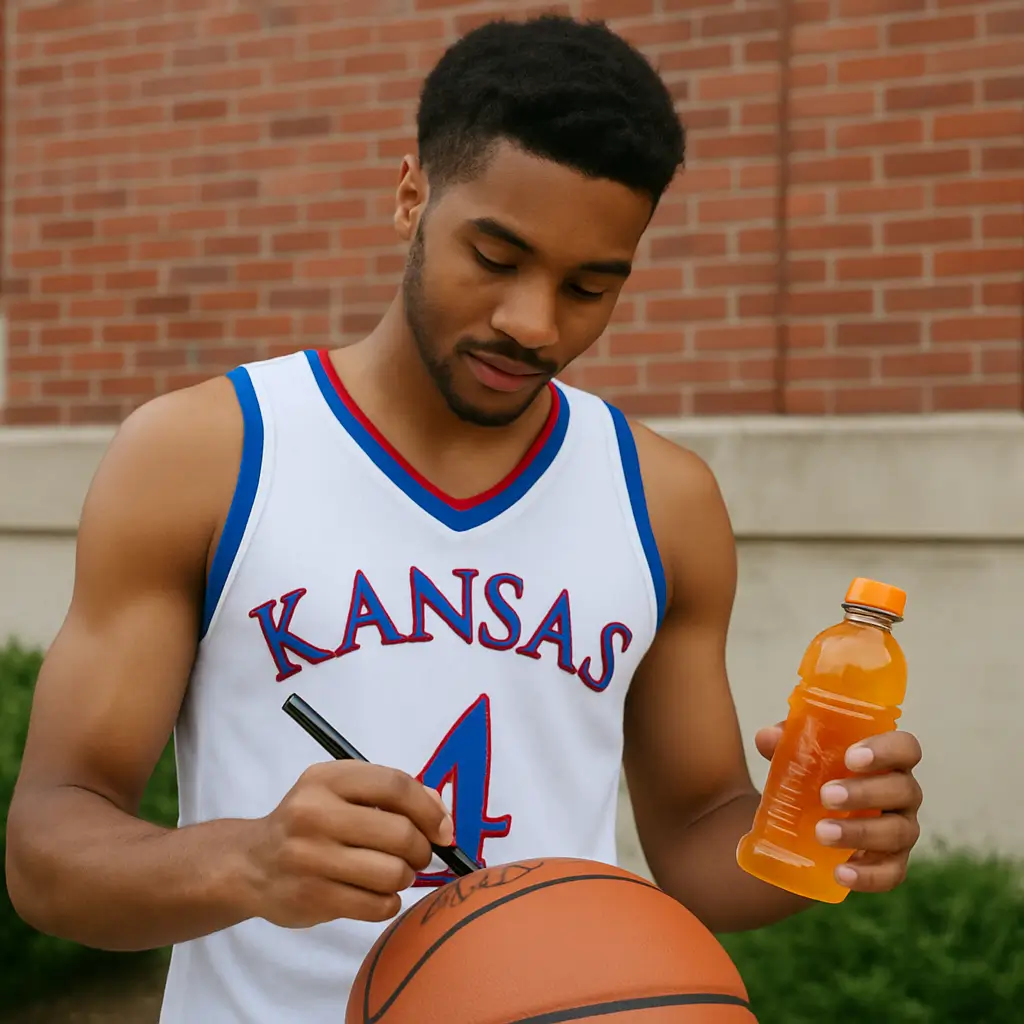
While a Duke guard holding a sports drink in a TV commercial attracts attention, that public exposure represents only a sliver of the modern pay structure for basketball endorsement deals. Most of the money flowing through the ACC isn’t coming from national brands like Nike or Gatorade; it is being funneled through sophisticated organizations known as “collectives.” Identifying who cuts the check is the first step to decoding why some schools can keep their rosters intact while others struggle to retain talent.
Wealthy alumni pool their money into a separate corporation designed specifically to pay players for their NIL. For schools like North Carolina, organizations like the “Heels4Life” collective operate almost like a payroll department, ensuring that key contributors are compensated enough to stay in Chapel Hill rather than transferring to a rival. The players usually perform tasks in exchange—like signing autographs or making charity appearances—but the primary driver is donor-led funding to support the team’s success.
On the other side of the coin are true brand endorsements, which function exactly like the celebrity sponsorship deals seen in pro sports for decades. This occurs when a company, whether it’s a local car dealership in Charlottesville or a national tech brand, pays a Virginia Cavalier to post on Instagram or appear in a billboard ad.
Unlike collective money, which is often theoretically guaranteed based on roster status, these deals fluctuate wildly based on a player’s fame and individual charisma.
To tell them apart during the tournament, keep these distinctions in mind:
- Source of Cash: Collectives are funded by fans and alumni donations; brand deals are funded by corporate marketing budgets.
- The Goal: Collectives aim to keep a team together (recruiting and retention); brands aim to sell a specific product (Return on Investment).
- Stability: Collective payments are often consistent monthly stipends, while brand deals are usually one-off contracts or performance-based bonuses.
While collectives provide the steady baseline salary for the season, the NCAA Tournament offers a unique chance for players to skyrocket their endorsement value overnight. A massive upset or a buzzer-beater triggers a market frenzy where national visibility translates directly into dollars.
The ‘March Madness Multiplier’: How Tournament Performance Spikes Player Marketability
Imagine the NCAA Tournament not just as a bracket of basketball games, but as a high-speed stock market where the assets are the players themselves. During the regular season, an ACC star might build a steady local following, but the massive national spotlight of March Madness acts as a visibility amplifier that regular conference play simply cannot match. When a team like NC State goes on an unexpected run, the players aren’t just gaining fans; they are capturing the attention of national advertisers who previously ignored them. This “March Madness Multiplier” means that a player’s asking price for a sponsored Instagram post can double or triple within the 48-hour window between tournament rounds.
Social media platforms serve as the real-time ticker tape for this financial surge. Brands are constantly tracking engagement spikes for ACC tournament stars because likes, shares, and comments are the primary currency in the digital advertising world. If a Duke freshman hits a buzzer-beater, their follower count often explodes by tens of thousands before the post-game press conference concludes. Advertisers pay a premium to access that sudden influx of eyeballs, knowing that the audience is highly emotional and engaged at that specific moment.
While established stars enter the tournament with high valuations, the most dramatic financial leaps belong to the “Cinderella” stories. Underdog performances captivate the general public; a player virtually unknown outside of the ACC footprint can become a household name overnight. Brands rush to associate their products with the charisma and surprise factor of a breakout star, offering short-term deals that capitalize on the fleeting viral moment.
Timing is critical in this volatile environment. The window to monetize this attention is notoriously short, often fading as soon as the team is eliminated. Smart agents and collectives address this by writing specific clauses into agreements beforehand, ensuring that a run to the Sweet 16 triggers automatic financial rewards regardless of whether a car dealership calls.
Inside the Contract: How ACC Collectives Structure ‘Deep Run’ Bonuses
Viral fame is exciting, but smart ACC collectives prefer certainty. They don’t wait for a buzzer-beater to cut a check. Instead, they pre-wire “bonus” structures directly into the athlete’s contract before the season starts, ensuring that if the team plays deep into March, the players share in the financial success immediately.
The legality of this arrangement often puzzles fans, given that the NCAA bans “pay-for-play.” The workaround lies in how ACC collectives fund postseason player bonuses: they structure payments as “additional work” rather than win bonuses. The logic acts much like overtime pay; if a team makes the Sweet 16, the season is effectively extended by a week, meaning the player is legally available for more marketing work, autograph sessions, or interviews. The “win” simply triggers the extension of the contract, keeping the payout compliant with current rules while still rewarding the team’s success.
A standard guide to NIL contract clauses for tournament deep runs usually includes escalating payouts that mirror the tournament bracket. As the stakes rise on the court, the compensation for the athlete’s “extended availability” increases proportionally:
- Round of 32: A modest “retainer” to cover the extended first weekend of media obligations.
- Sweet 16: A significant bump, often reaching five figures for star players, as national interest peaks.
- Final Four: The premium tier, rewarding the intense, week-long media scrutiny leading up to the final weekend.
- National Title: The maximum payout, capitalizing on the player’s permanent place in school history and future merchandise value.
Managing this sudden influx of cash requires immediate attention to student-athlete financial literacy. For a sophomore point guard, receiving a payout equivalent to a standard annual salary in a single week can be overwhelming. Responsible collectives and agencies now pair these checks with mandatory wealth management sessions, ensuring that taxes are set aside and that the “March windfall” creates lasting value.
However, these structured bonuses rely entirely on the size of the collective’s bank account. Powerhouse programs can afford to write these automatic triggers into every scholarship player’s contract, while smaller schools may struggle to fund even basic incentives. This financial gap sets the stage for a distinct tiered system in the ACC.
Blue Bloods vs. The Field: Comparing NIL Buying Power Across the ACC
While the bracket treats every team equally at tip-off, the financial playing field behind the scenes is heavily tilted. Historic “Blue Blood” programs like Duke and North Carolina enter March with a distinct advantage: a massive, established donor base ready to mobilize millions. The top programs operate like Fortune 500 companies with vast reserves, while smaller schools often function more like local startups scrapping for capital.
This gap is driven largely by the power of the logo on the jersey. A player wearing the iconic Carolina or Duke blue benefits from “institutional branding,” where the school’s global fame automatically inflates the athlete’s market value. Sponsors know that the top-earning college basketball stars in the Atlantic Coast Conference are almost always found on teams with the most nationally televised games. A guard averaging 15 points per game at a historically dominant program attracts national brands, whereas a player with identical stats at a mid-tier ACC school might only secure deals with regional businesses.
The disparity extends to the collectives themselves. Top-tier collectives have vast networks of wealthy alumni who view contributing to the NIL fund as a status symbol. This allows them to absorb the costs of lucrative postseason bonuses effortlessly. Conversely, collectives at smaller programs often have to fundraise dollar-by-dollar, forcing difficult choices between rewarding current players or saving funds to recruit future transfers.
Even the ACC’s giants face stiff competition outside the conference. When comparing ACC vs. Big Ten NIL opportunities, the sheer size of alumni bases at massive state schools in the Midwest can dwarf even prestigious private ACC institutions. This external pressure forces ACC schools to rely heavily on their basketball heritage and “brand prestige” to compete financially.
Looking ahead, the current chaotic landscape of donor-driven collectives may be stabilized by direct payments from schools. As the NCAA moves toward settlement discussions in major antitrust cases, the conversation is shifting toward revenue-sharing models. Until that structure is formalized, however, the depth of a collective’s pockets remains the single biggest predictor of a roster’s stability.
The Retention Game: Using NIL to Stop the ‘Transfer Portal’ Exodus
As soon as the final buzzer sounds on a team’s March Madness run, the coaching staff faces the Transfer Portal. This system acts as free agency, allowing rival programs to approach current players with promises of more playing time or better compensation. For an ACC coach, the priority is re-recruiting the current locker room to ensure a star player doesn’t leave for a bigger paycheck elsewhere.
To combat this, collectives increasingly use postseason funds as retention bonuses rather than just recruitment fees. This dynamic resembles a corporate employer offering a substantial raise to a valuable employee who has received a job offer from a competitor. If a breakout player creates a viral moment during the tournament, donor-led collectives shift focus from acquiring new talent to protecting existing assets. These groups mobilize quickly to present a financial counter-offer, ensuring the athlete knows their rising market value is recognized at home.
The impact of NIL on roster retention has created a scenario where staying in college is often the more lucrative financial decision. The math has flipped for borderline NBA prospects. A star player at a major university can earn guaranteed six-figure sums through NIL, whereas a second-round NBA draft pick or G-League player might earn significantly less with almost no job security.
This financial parity drives recognizable stars to return for their senior or fifth years, supported by three strategic incentives:
- Guaranteed Income: NIL contracts often provide immediate, reliable liquidity compared to non-guaranteed rookie professional contracts.
- Brand Visibility: Managing brand partnerships during the Big Dance exposes players to millions of national viewers, building a personal following that often disappears in developmental leagues.
- Long-term Security: Staying allows athletes to finish their degrees debt-free while capitalizing on their peak popularity as local celebrities.
Beyond the Court: The Legal and Regulatory Hurdles
Navigating the rules of this new financial era feels less like following a playbook and more like driving through a construction zone without a map. While the NCAA sets national guidelines, individual states within the ACC footprint have passed their own laws that sometimes contradict national rules to protect local schools. This creates a regulatory tug-of-war where a collective in Miami might operate under different legal protections than one in Charlottesville. Crucially, enforcement has become toothless; attempts to crack down on violations are often met with lawsuits arguing that restricting an athlete’s earning power is illegal.
Despite the massive sums circulating, the NCAA still strictly forbids paying athletes directly for winning. This “pay-for-play” ban forces collectives to structure deals around the performance impact on marketability rather than the performance itself. Technically, a player cannot receive a bonus for hitting a game-winning shot; instead, they must perform a specific task to unlock that money. This distinction is often blurry, but maintaining this “quid pro quo” is currently the only barrier separating legal NIL deals from outright bribery in the eyes of regulators.
Beyond the rulebook, a quieter but equally dangerous opponent awaits in April: the IRS. Because players are classified as independent contractors rather than university employees, taxes are not automatically withheld. A 19-year-old receiving six figures in transfer wires might not realize they owe a significant portion back to the government until it is too late. This lack of financial literacy support creates a genuine long-term risk for players who spend their earnings immediately.
Legal challenges facing ACC NIL collectives suggest the current model is a temporary stopgap. Federal courts and labor boards are actively debating whether athletes should be classified as employees, which would eventually mandate revenue sharing. As the landscape shifts from “student-athlete” to “professional employee,” the viewing experience changes too, making it essential to know what to look for when watching the next round.
Your March Madness NIL Watchlist
The financial side of the tournament is no longer a mystery. The players on the court are building futures that extend far beyond the final buzzer, and fans now have the context to appreciate the real-world stakes behind every bracket upset.
Apply this new perspective during the next broadcast. Use this checklist to spot the financial footprint of the teams in real-time:
- Check social media followings: Watch how a breakout performance spikes a player’s follower count instantly.
- Scan warm-up gear: Look for unique logos or brands on shirts that differ from standard team apparel.
- Spot the commercials: Note which players star in local ads during timeouts.
- Monitor the news: Watch for immediate transfer portal announcements after a team is eliminated.
You are watching the modern era of the ACC unfold, equipped with the knowledge to see exactly how success on the hardwood translates to success in the marketplace.
Learn More About the NIL Landscape
Name, Image, and Likeness plays an increasing role in college sports, and understanding how it works often requires more than individual articles or news updates.
RallyFuel is a platform focused on NIL-related topics across college athletics. It brings together information about athletes, NIL activity, and the broader structure behind modern college sports, helping readers explore the topic in more depth.



Leave a Comment