
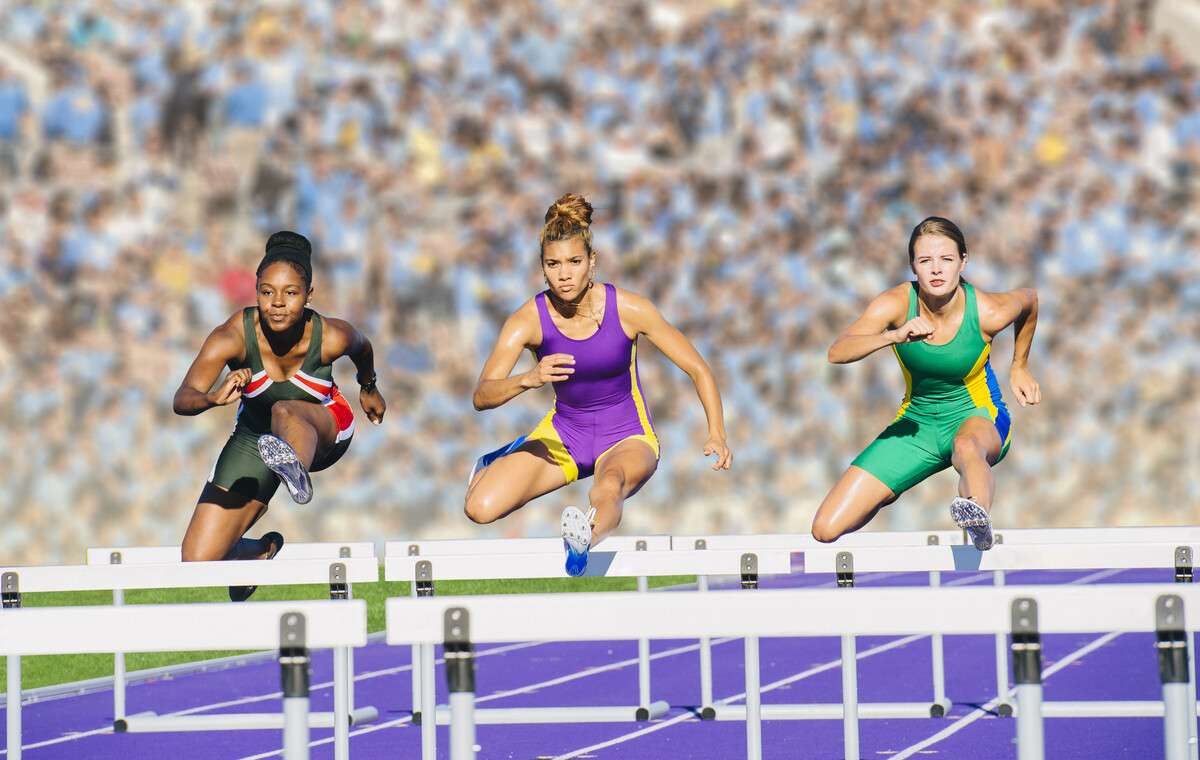
We open this report with a clear premise: the state’s Olympic footprint extends beyond Saturday stadiums. In Paris 2024, 16 Crimson Tide student‑athletes — past and present — carried that reach onto the global stage.
Our approach is factual and campus-driven. We explain what “Olympic-sport reach” means in practice: athletes developed at the university alabama competing across multiple disciplines and for multiple nations. This is a pipeline built over decades, with continuity that traces back to 1972.
We will lay out what Paris 2024 reveals now, who to watch next, and how the NCAA-to-Olympics pathway operates. We also note a timely tension: a future Olympic football format could raise visibility for the entire ecosystem.
This piece presents verified counts, athlete context, and clear definitions to help you see the broader picture beyond marquee events. Expect a news-style explainer that stays factual and forward-looking.
Paris 2024 proves Alabama’s Olympic reach is bigger than one sport

The Paris Games make clear that campus-developed talent competes across multiple disciplines on the world stage.
Representation here means an athlete listed on a national Olympic roster. In Paris 2024, 16 Crimson Tide student-athletes — past and present — appeared across five sports and represented 14 countries.
University of Alabama representation continues a streak dating back to 1972
The university sent athletes to 14 consecutive Summer Games, beginning in Munich in 1972. That continuity shows development over time rather than a single-year spike.
Paris roster snapshot: five sports, 14 countries, and multiple Olympic returners
Roster composition included five Olympic debuts, five second-time Olympians, three third-time competitors, and three making a fourth straight appearance. The mix signals both pipeline depth and veteran continuity.
Team USA on the track: Daniel Haugh and Shelby McEwen carry Alabama’s banner
Two track-and-field athletes — Daniel Haugh (hammer throw) and Shelby McEwen (men’s high jump) — competed for Team USA, highlighting the program’s U.S. national-team links.
Crimson Tide Olympians to watch across the games
Below we name the Crimson Tide–linked competitors most likely to shape event narratives during the Paris games. We group the list by event type so you can follow jumps, throws, sprints, gymnastics, swimming, tennis, and golf without a primer.
Track & field spotlight: Shelby McEwen and the men’s high jump storyline
Shelby McEwen arrives with NCAA credibility and a recent Silver on major results lists. His men’s high jump arc includes a 2019 NCAA indoor title and a Tokyo top‑12 finish. Watch bar strategy and attempt sequencing—small adjustments decide medal rounds in the high jump.
Power and precision events: Daniel Haugh and Portious Warren
Daniel Haugh pairs rotational technique with a history of finals appearances; fouls and qualifying marks matter in the hammer throw. Portious Warren brings an 18.61m school record and a steady shot-put technique—phase work and sector control are key to advancing.
Speed pipeline: Tarsis Orogot and Samuel Ogazi
Tarsis Orogot (200m) and Samuel Ogazi (400m) translate SEC and NCAA pace to global fields. Orogot’s 19.75 SEC title and Ogazi’s 44.52 school record show world-class speed that can carry them from heats to later rounds.
| Athlete | Event | Notable mark | Olympic experience |
|---|---|---|---|
| Shelby McEwen | Men’s high jump | 2019 NCAA indoor champion | Tokyo 2021 (12th) |
| Daniel Haugh | Hammer throw | School record 73.50m | Tokyo 2021 (11th) |
| Portious Warren | Shot put | Outdoor record 18.61m | Tokyo 2021 (11th) |
| Tarsis Orogot / Samuel Ogazi | 200m / 400m | 19.75 / 44.52 | Paris debut |
Global medal pedigree and multi‑event depth
Kirani James remains a measuring stick in the 400m — a three‑medal run that shapes tactics for all finalists. In gymnastics, Luisa Blanco debuts while Shallon Olsen returns for a third appearance; vault consistency and execution scores decide finals spots.
Swimming and racket/green events add depth. Kristian Gkolomeev and Anton McKee bring durability as multi‑Games swimmers. Erin Routliffe’s doubles experience and Stephanie Meadow’s four‑round golf format offer contrasting viewing cues—partnership tempo versus steady scoring across rounds.
How the University of Alabama keeps producing Olympic-sport talent
A steady pipeline, not chance, explains why campus programs keep producing global-level athletes. Recruiting that targets international potential, sustained coaching, and high-level competition create repeatable pathways from campus teams to world teams.
Swimming leads historically and keeps reloading
Swimming tops the list with 97 all-time athletes tied to the program. That depth reflects decades of relay and individual qualifiers, and it shows in medal outcomes from Jon Olsen’s multiple relay golds to Rhyan White’s relay silver in 2020.
Track & field: a deep, event-spanning pipeline
Track ranks second with 76 all-time representatives. The program develops sprinters and field-event specialists alike—examples include Kirani James’ 400m medal run and Shelby McEwen’s 2024 silver. Those results show both speed and technical event development.
Gymnastics continuity across multiple Games
Gymnastics provides a visible sign of program stability. Multiple Olympiads saw more than one gymnast from campus on the same national team (2004, 2016, 2024). Terin Humphrey’s 2004 silvers remain a clear campus-to-podium example.
From campus to podium: measurable outcomes
We measure the pipeline by selections, finals, and repeat appearances. Medal examples tied to campus programs include Jon Olsen (relay golds), Kelly Kretschman (softball gold and silver), Remona Burchell (4×100 gold), Susan Williams (triathlon bronze), and others across decades.
- Why it works: concentrated NCAA competition, elite facilities, and coaching continuity raise standards.
- What it yields: multi‑Games careers, relay strength, and event finals appearances that prove development beyond one season.
- International footprint: athletes represent many countries, which sharpens training environments and boosts competitive depth within the program.
| Program | All-time representatives | Notable podium examples |
|---|---|---|
| Swimming | 97 | Jon Olsen, Rhyan White |
| Track & Field | 76 | Kirani James, Shelby McEwen |
| Gymnastics | Multiple multi-Games pairs | Terin Humphrey |
For you watching future cycles, the measurable pipeline and past medals make selection and finals appearances easier to anticipate. The university alabama model shows how program design converts campus talent into global results across many fields and many Games.
Alabama Football Sports Olympic momentum shifts with flag football’s Olympic future
A governance decision has changed the field for 2028: NFL owners approved pro-player participation in Olympic flag football, creating a new visibility vector for campus and pro athletes ahead of the 2028 games.
What changed:
What changed: NFL owners approve player participation in Olympic flag football for 2028
The resolution clears a path for NFL talent to compete under the flag format. That move immediately raises the event’s profile for U.S. audiences and alters selection dynamics.
New format, new selection challenge: 5-on-5 rules and 10-player rosters reshape “team” building
The format is 5-on-5 with a 10-player roster. Games run 40 minutes (two 20-minute halves) on a 70-by-25 yard field. Four downs reach midfield; four downs then aim for the end zone. These constraints force multipurpose picks and limit pure specialists.
Projecting an Alabama-built roster: speed-first offense and turnover-ready defense
Using a campus-projection as a case study shows the type of roster value needed. Offense emphasizes separation and quick reads. Defense prizes ball skills and blitz timing.
| Unit | Primary role | Example names |
|---|---|---|
| Offense | Vertical speed, slot separation | Jalen Milroe; Jahmyr Gibbs; Jameson Williams |
| Receivers | Deep threat, spacing | Jaylen Waddle; DeVonta Smith |
| Defense | Blitzers and ball hawks | Will Anderson Jr.; Pat Surtain II; Trevon Diggs |
Why this matters beyond football
The 10-player limit creates tough cuts, even among elite pros. That selection pressure will drive roster versatility and open tactical tweaks unique to flag rules.
Broader impact: When pro football names appear in the program, audience attention often spills into track, swimming, and gymnastics—raising awareness for other campus-developed athletes and the wider sports ecosystem.
Conclusion
Paris 2024 confirms a measurable pipeline: 16 campus-linked athletes across five sports and 14 countries, built on a selection streak dating to 1972.
Watch lists from Paris point to clear storylines you can follow—men’s high jump, hammer throw, the 200m/400m sprints, and key swimming events offer the sharpest Alabama-linked narratives.
Looking ahead, NFL approval for 2028 flag Football (5-on-5, 10-player rosters) may expand mainstream attention. That shift can elevate awareness for other programs without changing the core measures of success.
Practical next steps: track entries by sport, note repeat Olympians versus debuts, and see how 2028 roster rules shape selections. We will keep focusing on athlete outcomes, not hype—qualification, finals, and repeat appearances show program strength.
Learn More About the NIL Landscape
Name, Image, and Likeness plays an increasing role in college sports, and understanding how it works often requires more than individual articles or news updates.
RallyFuel is a platform focused on NIL-related topics across college athletics. It brings together information about athletes, NIL activity, and the broader structure behind modern college sports, helping readers explore the topic in more depth.
👉 Explore the Athletes on RallyFuel – Discover top college athletes, compare NIL valuations, and dive deeper into the world of NIL.




Leave a Comment