
We write about the past winter of 2025 in Anchorage, where low-snow conditions changed plans for core events. Kincaid Park and other venues faced shortfalls that pushed clubs toward snowmaking and redesigned race formats. This shift affected local schedules and the rhythm of training for athletes and coaches.
We define the pathways we mean: linked steps from neighborhood programs to higher-stakes competition. Those links depend on steady conditions, repeatable events, and clear timelines. When weather removed reliable snow, access and readiness were at risk.
Our reporting connects three layers: venue realities, adaptation strategies, and long-term athlete development that reaches the world stage. We show concrete examples of how planning, infrastructure, and time work together. Families, program leaders, and fans will see why these events matter beyond the spectacle.
Winter Sports Development amid a squeezed snow season
We saw signature races retooled in real time as natural cover vanished. The Iditarod ceremonial start was cut to roughly 2 miles of old, slushy snow and the timed start shifted to Fairbanks for the fourth time in race history.
Anchorage winter events reshaped by low snow: Iditarod reroutes and the Tour of Anchorage’s manmade loop
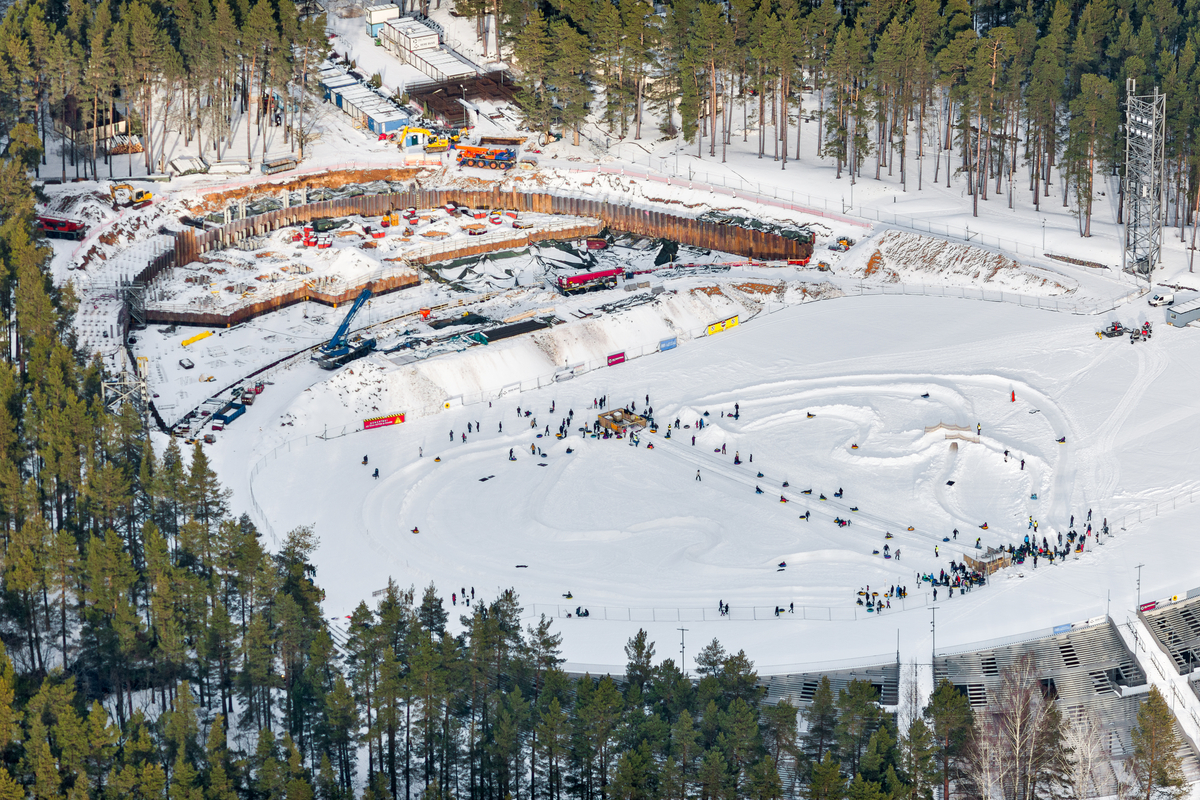
The Tour of Anchorage moved from 50/40/25 km courses to repeated laps on a 4.4-kilometer manmade loop at Kincaid Park. That change turned city-spanning events into tight circuits and altered pacing, tactics, and the feel of competition for skiers.
Kincaid Park as a case study: from 60 kilometers of trails to a narrow skiable ribbon
Kincaid’s usual ~60 kilometers of trails shrank to about 5 kilometers of skiable ribbon on manmade snow. Clubs and coaches lost training volume, and athletes faced fewer long runs to build endurance.
What the data says and why it matters
“Less snow in fall, more midwinter rain, and higher sensitivity to warm spells are compressing usable season length.”
— Brian Brettschneider, National Weather Service
The city recorded a third-wettest January that was mostly rain, followed by a warm, record-dry February and early March highs above 46°F in official readings. That timing squeezed practice windows, cut meet fields, and forced more work from clubs to keep calendars intact.
- On the ground: fewer practices, smaller fields, and limited cross training options.
- Participation impact: turnout fell when weather made planning uncertain, changing the rhythm of sports in the year.
How Alaska’s clubs, coaches, and venues are adapting to keep athletes competition-ready
Facilities and coaches shifted plans to protect training blocks when natural cover proved unreliable. We saw snowmaking move from a backup plan to a core tool for clubs at sea level.
Kincaid Park’s system—installed in 2014 and first used in 2016—became essential. The blower setup needs near 23°F or colder. Warm well water made production harder, so staff explored chilling water to ease that limit.
Portable snowmaking offered flexibility but depends on on-site water access. Coaches shortened sessions and focused on quality repeats when long trails vanished.
- Year-to-year snow storage: insulated piles used in Europe and Canada can preserve snow into the next season.
- Alternative training: more athletes tried skating on lakes, but wild ice near glaciers carries serious hazards.
“Glaciers move year-round,” — Brian Brettschneider, National Weather Service
| Option | Investment | Impact on training | Practical limits |
|---|---|---|---|
| Permanent snowmaking | High | Full season start control | Temperature, water supply |
| Portable units | Medium | Targeted coverage quickly | Water access, setup time |
| Insulated snow storage | Medium | Early-season reliability | Space, careful packing |
| Skating & alternative on-ice work | Low | Maintain balance and power | Safety risks on thin/wild ice |
In sum, our clubs mixed infrastructure, targeted coach work, and safety planning to keep athletes ready across a changing year.
From local programs to international stages: Alaska athletes building pathways through winter sport
Local clubs turned small hills and city rinks into launch pads for international selection this season. We followed how steady work at home led to spots on national teams and world events.
Special Olympics World Winter Games Turin 2025
Team SO USA included three athletes from our state at Turin (March 8–16, 2025). Nathaniel Hunt brought seven years of alpine skiing experience. Teagan Lockwood returned after serious injuries and long rehab. Sulynnette Vega-Ledesma combined snowboarding with figure skating and leadership roles.
Athlete snapshots and coaching continuity
Long-term coaches made a clear difference. Jason Kohler’s 18 years in alpine and Eddie Eccker’s technical snowboard background showed how consistent coaching lifts performance year after year.
Arctic Winter Games and cultural competition
About 243 athletes, 41 coaches, and 12 support staff traveled to Wood Buffalo. Two chartered jets carried our team to high-level experience, where ulu awards and cultural events underscored regional ties.
- How it connects: multi-year practice, cross participation, and repeated competition give children the chance to grow.
- Community: skating and training sessions build friends for life and shape identity beyond medals.
“Shared preparation and competition create lasting bonds.”
Conclusion
We saw how a short, wet start to the 2025 winter forced rapid changes to event formats and daily training. When rain cut usable cover, schedules compressed and plans shifted quickly.
Organizers relied on a clear adaptation playbook: expanded snowmaking, portable production where water was available, and snow storage ideas to extend early season access. These moves read as practical, not theoretical.
Through it all, strong coaching, organized clubs, and available competition kept athlete progress moving. Teams made the most of fewer miles and more focused sessions.
For families and communities the lesson is simple: reliability matters, so planning now blends flexibility and safer alternatives. Even in a disrupted season, local efforts kept a route to higher competition intact.
Learn More About the NIL Landscape
Name, Image, and Likeness plays an increasing role in college sports, and understanding how it works often requires more than individual articles or news updates.
RallyFuel is a platform focused on NIL-related topics across college athletics. It brings together information about athletes, NIL activity, and the broader structure behind modern college sports, helping readers explore the topic in more depth.
👉 Explore the Athletes on RallyFuel – Discover top college athletes, compare NIL valuations, and dive deeper into the world of NIL.
FAQ
What is the scope of our winter sport program and who does it serve?
We support club-level and elite athletes across skiing, skating, snowboarding, and cross-country. Our work focuses on children, teens, and adults who train with local coaches, attend regional competitions, and aim for national or international events. We partner with community clubs, schools, and coaches to keep pathways open from grassroots to high performance.
How have recent low-snow seasons changed training and competition schedules?
Later-arriving snow and warmer January conditions have pushed back start dates, shortened race seasons, and reduced on-snow practice time. That means smaller event fields, condensed competition windows, and more travel for teams seeking reliable conditions. We adapt schedules to protect athlete development while preserving safety and fairness in competition.
What adaptations are venues and clubs using to maintain training access?
Facilities are expanding snowmaking, experimenting with portable systems, and improving water access for production. Some venues store snow season-to-season, borrowing techniques used in Europe and Canada. Where on-snow options shrink, clubs add skating and dryland training, balancing intensity without overloading athletes.
Are snowmaking systems effective at sea-level venues like Anchorage?
Snowmaking helps, but it’s temperature-dependent. At sea-level sites we face narrower windows for production and higher energy costs. Portable units and strategic water management extend capability, but long-term solutions also require scheduling flexibility and investment in infrastructure.
How do we keep athletes competition-ready when trails are limited?
We combine targeted on-snow sessions with roller-skiing, strength work, and skating practice. Coaches prioritize technical quality over volume, so athletes maintain skills with fewer kilometers. We also coordinate regional training hubs when one venue can host larger groups safely.

Leave a Comment