
For decades, accepting a free sandwich for a social media post was prohibited under strict amateurism rules. Today, NCAA Division II NIL regulations have completely rewritten the playbook for student eligibility.
Name, Image, and Likeness (NIL) grants the right to profit from one’s personal brand, formally establishing athlete NIL contracts . While major programs chase millions, a Barry University NIL deal focuses on authentic partnerships with Miami Shores businesses, turning local influence into tangible support.
Summary
Barry University NIL deals center on authentic, local partnerships that let Division II athletes—including those in non-revenue sports—earn through social posts, clinics, appearances, and merchandise. To protect eligibility, students must follow Florida law and NCAA rules by disclosing contracts, documenting legitimate services, and avoiding pay-for-play. These opportunities function like part-time jobs and internships, building personal brands, financial literacy, and professional networks beyond college.
From Miami Shores Cafes to Social Media: Realistic NIL Opportunities
While Division I athletes might chase national car commercials, the scene at Barry University is distinctly local. Commercial opportunities in South Florida college sports thrive on community connection rather than broadcast reach. Small businesses in Miami Shores—like the neighborhood pizza spot or a boutique gym—value the specific, engaged following that a Buccaneer athlete brings to the table, creating partnerships that feel personal rather than corporate.
This shift is a game-changer for athletes outside the major TV sports. The benefits of NIL for non-revenue sports mean a rower or golfer can be just as successful as a point guard because their income isn’t tied to ticket sales. Common income streams for these students include:
- Sponsored social media posts
- Hosting youth sports clinics
- Local business appearances
- Selling branded merchandise
Monetizing social media as a D2 athlete functions like a modern part-time job fitting around practice schedules. Instead of working the library desk, students leverage digital platforms to cover textbooks or rent. Yet, turning a “like” into a paycheck isn’t simple; it demands strict adherence to the complex legal framework governing these deals.
Navigating the Red Tape: Florida Laws and NCAA Compliance
The freedom to earn money comes with a strict responsibility to report it. Florida state NIL legislation for universities was groundbreaking, yet it established firm boundaries to prevent schools from using money as a direct recruiting tool. This framework ensures that while the financial landscape has changed, the amateur status of the athlete remains protected under state law, keeping the playing field level for Division II institutions like Barry.
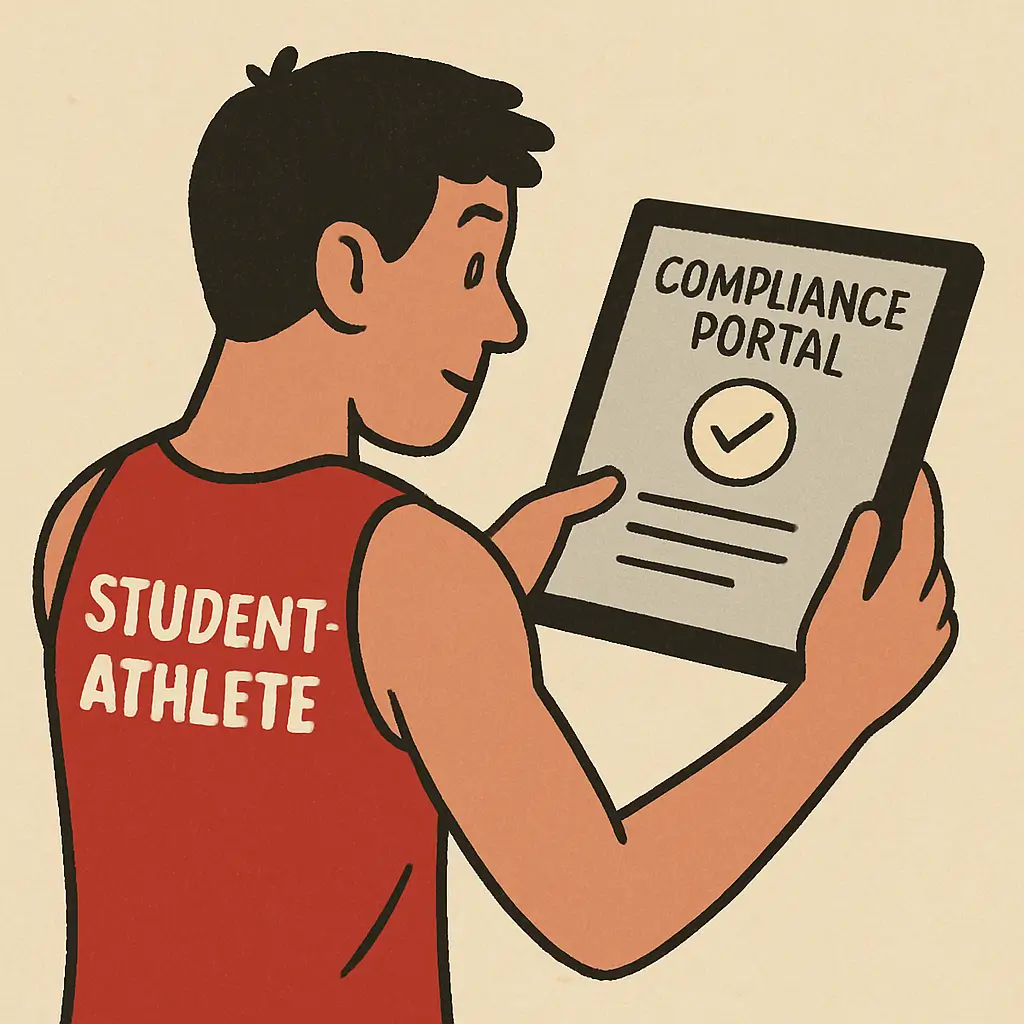
Before a Buccaneer can successfully cash a check, they must generally disclose the contract details to the athletic department. Athletic compliance requirements for Florida schools mandate this transparency to verify that a legitimate service, like an autograph session or social media post, is actually being performed. This step is crucial because it proves the student is being paid for their work, not just for being on the roster.
Distinguishing between legal endorsements and prohibited “pay-for-play” is the key to staying on the court. Protecting student athlete eligibility with NIL means ensuring payments aren’t tied to athletic performance, such as scoring a specific number of goals. Mastering these regulations does more than keep a player eligible; it builds professional habits that serve them well after graduation.
Beyond the Court: Turning NIL Deals into Career Foundations
NIL at Barry isn’t just about sports; it is a real-world internship. These deals allow students to master how to build a student-athlete brand that future employers will value long after graduation.
Support these athletes as they navigate managing NIL income and financial literacy. By shifting the focus from short-term paychecks to professional networking, the community helps turn today’s lineup into tomorrow’s business leaders.
Learn More About the NIL Landscape
Name, Image, and Likeness plays an increasing role in college sports, and understanding how it works often requires more than individual articles or news updates.
RallyFuel is a platform focused on NIL-related topics across college athletics. It brings together information about athletes, NIL activity, and the broader structure behind modern college sports, helping readers explore the topic in more depth.
Q&A
Question: How is a Barry University NIL deal different from big Division I deals? Short answer: Barry’s NIL landscape is hyper-local and relationship-driven. Instead of chasing national ads, athletes partner with Miami Shores small businesses that value their authentic, community-based influence—benefiting students across all sports, not just those with TV exposure.
Question: What kinds of NIL opportunities are realistic for Barry athletes? Short answer: Common options include sponsored social media posts, hosting youth clinics, making local business appearances, and selling branded merchandise. These gigs function like part-time jobs that fit around practices and can help cover costs like textbooks or rent.
Question: What steps must athletes take to stay compliant with Florida law and NCAA rules? Short answer: They must disclose NIL contract details to the athletic department, document the legitimate services provided (e.g., posts, appearances, autographs), and ensure payments aren’t tied to athletic performance or roster status. Transparency protects eligibility and keeps deals within legal boundaries.
Question: What is “pay-for-play,” and how is it different from a legal endorsement? Short answer: Pay-for-play ties money to recruiting, team membership, or performance outcomes (like scoring goals), which is prohibited. A legal endorsement pays for actual work—such as a social post, clinic, or autograph session—and is verified through proper disclosure and documentation.
Question: How can NIL deals support long-term careers for Barry athletes? Short answer: NIL functions like a real-world internship, helping students build personal brands, financial literacy, and professional networks. By focusing on authentic partnerships and community connections, athletes develop habits and relationships that last well beyond graduation.



Leave a Comment