
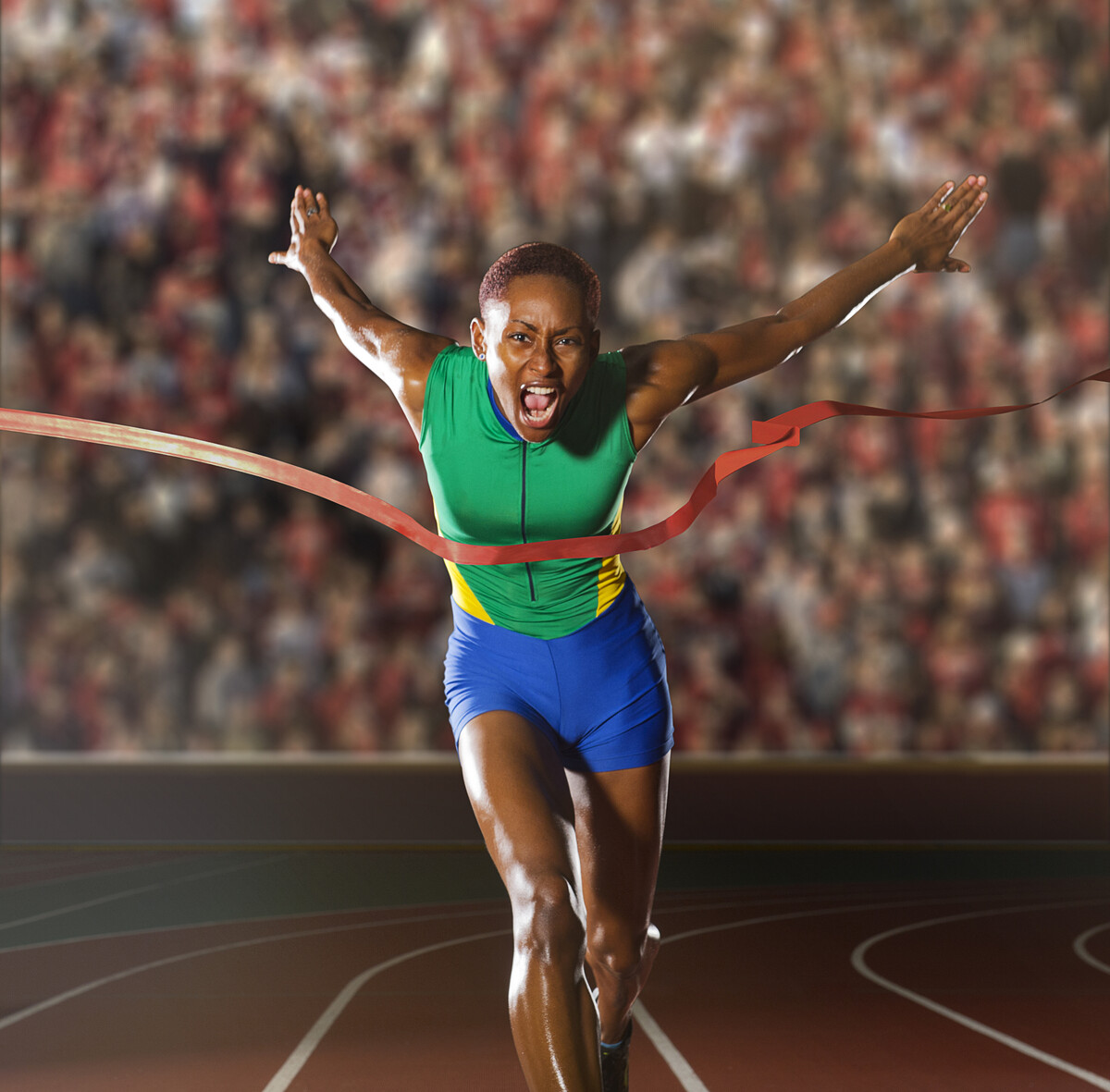
We are witnessing a significant shift in how fans perceive athletes today. The traditional metrics of success, such as medals and championships, are no longer the only benchmarks. Athletes are now expected to be influencers, activists, and entrepreneurs, leveraging their platforms for social good.
The social media impact on fan expectations has been profound. Fans now demand more from athletes beyond their performance in their respective sports. They are looking for athletes to be role models, to engage with them on various platforms, and to stand up for social causes.
This evolving landscape requires athletes to adapt and evolve, embracing their role as athlete influencers. By doing so, they not only enhance their own brand but also contribute positively to their fans and the wider community.
The Evolution of Athlete Influence
As social media continues to reshape the sports landscape, athletes are increasingly becoming cultural icons with far-reaching influence. This transformation reflects a broader shift in how athletes are perceived and engage with their audiences.
From Sports Heroes to Cultural Icons
Athletes have long been admired for their prowess on the field, but today they are recognized for their impact beyond sports. This evolution is rooted in historical changes in how athletes are viewed and how they present themselves.
Historical Context: The Pre-Social Media Era
In the pre-social media era, athletes were primarily known for their achievements in sports. Their influence was largely confined to their performance on the field, with limited opportunities to engage immediately with fans or showcase their personalities outside of sports.
Today’s Multi-Dimensional Athletic Personas
Today, athletes are multi-dimensional personas who influence various aspects of culture, from fashion to social justice. They leverage social media platforms to share their views, showcase their personalities, and connect with fans on a more personal level.
The Digital Age Transformation
The advent of social media has revolutionized the way athletes interact with their audiences and present themselves to the world. This digital transformation has brought about both opportunities and challenges.
24/7 Access and Its Impact on Athlete Privacy
The constant connectivity afforded by social media means athletes are under scrutiny 24/7, impacting their privacy. This level of access can blur the lines between their public and private lives.
Recent Shifts in Public Engagement
Public engagement with athletes has shifted significantly, with fans now expecting more than just athletic prowess. They seek authenticity, personal stories, and social commentary from the athletes they assistance.
As athletes continue to evolve into cultural icons, their influence extends into various domains, reshaping the sports landscape and beyond.
Performance Is No Longer Enough
The traditional notion of athletic success is being redefined beyond mere performance metrics. As we explore the evolving landscape of sports, it becomes clear that athletes are now judged on a broader set of criteria.
The Shifting Metrics of Athletic Success
Athletic success is no longer solely defined by medals and championships. The digital age has brought new metrics to the forefront.
Beyond Medals and Championships
While winning remains a crucial aspect of sports, other factors now play a significant role in defining an athlete’s success. These include their ability to engage with fans and their overall social media presence.
How Engagement Metrics Now Matter
Engagement metrics, such as follower counts, likes, and shares, have become important indicators of an athlete’s influence and reach. This shift reflects the changing way athletes interact with their audience.
| Traditional Metrics | New Metrics |
|---|---|
| Medals and Championships | Engagement Rates |
| Personal Best Records | Social Media Following |
| Competition Wins | Influencer Partnerships |
When Medals Don’t Tell the Whole Story
There are instances where athletes have garnered more attention for their efforts off the field than their achievements on it. This phenomenon highlights the changing perceptions of success.
Recent Examples of Celebrated “Failures”
Athletes who have faced setbacks or “failures” in competition have sometimes received more acclaim for their resilience and character than those who won. For example, consider the story of Kevin Love, who spoke out about his mental health struggles, garnering assistance and sparking a conversation.
“The most courageous act is still to think for yourself. Aloud.” –
Coco Chanel
The New Definition of Athletic Achievement
The modern definition of athletic achievement encompasses not just competitive results but also an athlete’s impact on their community and their ability to inspire others.
Social Media: The New Athletic Arena
The rise of social media has transformed the way athletes interact with their fans, creating new opportunities for personal branding and career extension. As a result, athletes are now able to build their personal brands beyond their competitive achievements.
Building Personal Brands Beyond Competition
Athletes are leveraging social media platforms to create a personal brand that showcases their personality, values, and interests. This not only helps to foster a deeper connection with their fans but also opens up new revenue streams through endorsements and sponsorships.
Platform-Specific Strategies Athletes Are Using
Athletes are adopting platform-specific strategies to maximize their online presence. For instance:
- Instagram is used for behind-the-scenes content and visual storytelling.
- Twitter is utilized for real-time engagement and commentary on current events.
- YouTube is employed for longer-form content, such as vlogs and training sessions.
The Rise of Athlete-Influencers
The line between athletes and influencers is becoming increasingly blurred. Athletes are now considered influencers in their own right, with the ability to promote products, services, and causes to their vast followings. Athlete influencers are using their platforms to drive social change and promote their personal brands.
Content Creation as Career Extension
Athletes are extending their careers through digital content creation. By producing high-quality content, athletes can maintain a strong online presence even after retirement.
YouTube Channels and Podcasts by Top Athletes
Many top athletes have launched their own YouTube channels and podcasts, sharing their insights, experiences, and expertise with their fans. This not only provides a new revenue stream but also helps to maintain their relevance in the sports industry.
How Digital Content Is Changing Retirement Plans
Digital content creation is changing the way athletes plan for retirement. With a strong online presence, athletes can transition into new careers, such as commentary, coaching, or sports management, more seamlessly. As digital content creation continues to evolve, we can expect to see more athletes leveraging their personal brands to secure their post-retirement careers.
As we continue to explore the impact of social media on the sports industry, it becomes clear that athletes are now able to build sustainable careers that extend far beyond their competitive achievements.
Activism and Advocacy: Athletes as Change Agents
The role of athletes in modern society extends far beyond their performance on the field, with many now leveraging their influence to drive change through activism and advocacy. As their platforms grow, so does their ability to impact public discourse on critical issues.
Political Stances and Social Justice Movements
Athletes are increasingly taking political stances and assistanceing social justice movements, often sparking both praise and controversy. This shift represents a significant evolution in how athletes engage with the world beyond their sports.
The Evolution from “Shut Up and Dribble”
The phrase “shut up and dribble” was once used to discourage athletes from speaking out on political issues. However, this mentality has given way to a more empowered generation of athletes who see their voices as crucial tools for change.
Recent Protests and Their Impact
Recent years have seen a surge in athlete-led protests and demonstrations, from kneeling during national anthems to boycotting games. These actions have brought attention to various social justice causes and have had a tangible impact on public opinion and policy.
Case Studies: Modern Athlete Activism
Several athletes have become prominent figures in modern athlete activism, using their platforms to advocate for change.
Colin Kaepernick and NFL Player Advocacy
Colin Kaepernick’s decision to kneel during the national anthem in 2016 sparked a nationwide conversation about racial injustice and police brutality. His actions, and those of other NFL players who followed suit, have had lasting impacts on both the sports world and broader society.
WNBA Players’ Social Justice Initiatives
WNBA players have been at the forefront of social justice initiatives, using their visibility to assistance various causes. Their efforts have included advocacy for voting rights, racial equality, and LGBTQ+ rights.
LeBron James’ More Than a Vote Campaign
LeBron James’ “More Than a Vote” campaign is a notable example of athlete activism aimed at combating voter suppression and promoting electoral participation. The initiative has highlighted the critical role athletes can play in shaping democratic processes.
As athletes continue to navigate the complex landscape of sports, politics, and social justice, their influence is likely to grow. By understanding the evolution of athlete activism and its impact, we can better appreciate the significant role athletes play as change agents in modern society.
What Audiences Expect from Podium Athletes Today
The expectations from audiences towards athletes have evolved, with a greater emphasis on transparency and vulnerability. As we delve into the modern sports landscape, it becomes clear that athletes are now expected to be more than just skilled competitors; they are also required to be authentic and open with their audience.
Authenticity in the Spotlight
Athletes today are under intense scrutiny, with their every move being watched and analyzed by fans and media alike. This level of attention has led to a backlash against curated personas, with audiences increasingly seeking athlete authenticity.
The Backlash Against Curated Personas
The days of perfectly polished, cookie-cutter athlete images are fading. Fans now crave realness, rejecting overly scripted or staged content. This shift is forcing athletes and their teams to rethink their approach to public image.
How Athletes Are Responding to Demands for Realness
Athletes are adapting by sharing more personal aspects of their lives, showcasing their vulnerability and human side. This can include discussing their mental health journeys, personal struggles, or simply sharing glimpses into their daily lives beyond their sport.
Transparency and Vulnerability
The line between being open and oversharing is thin, and athletes must navigate this delicate balance. Transparency is becoming a key component of an athlete’s public persona, with fans appreciating honesty about both successes and challenges.
Sharing Personal Struggles
Many athletes are now openly discussing their personal struggles, whether it’s related to their sport, mental health, or personal life. This openness helps build a deeper connection with their audience.
The Fine Line Between Privacy and Openness
While being open is valued, there’s also a need to maintain some level of privacy. Athletes must carefully consider what to share and how much to reveal, ensuring they don’t compromise their personal well-being.
In conclusion, the modern athlete’s role is multifaceted, requiring not just skill, but also authenticity, transparency, and a willingness to be vulnerable. As audiences continue to evolve in their expectations, athletes who successfully navigate this new landscape will be the ones to thrive.
Mental Health: The New Frontier in Sports
The landscape of sports is undergoing a significant transformation as mental health emerges as a critical issue. Athletes, once revered solely for their physical prowess, are now openly discussing their mental health struggles, challenging traditional norms and fostering a more assistanceive environment.
Breaking the Stigma in Athletic Culture
Historically, mental health issues were stigmatized in sports, with athletes often expected to maintain a tough exterior. However, this attitude is changing.
Historical Attitudes Toward Mental Health in Sports
In the past, athletes were often discouraged from expressing mental health concerns, viewed as a sign of weakness. This culture has been detrimental, leading to untreated mental health issues.
Recent Policy Changes in Major Sports Organizations
Major sports organizations have begun to implement policies assistanceing athlete mental health. For instance, the NFL and NBA have introduced mental health resources and assistance systems.
| Sport Organization | Mental Health Initiative | Year Introduced |
|---|---|---|
| NFL | Mental Health and Wellness Resources | 2020 |
| NBA | Mind Health Program | 2019 |
High-Profile Mental Health Advocates
Athletes like Simone Biles, Naomi Osaka, and Michael Phelps have used their platforms to advocate for mental health awareness.
Simone Biles and the Tokyo Olympics Withdrawal
Simone Biles’ decision to withdraw from the Tokyo Olympics highlighted the pressures athletes face and the importance of prioritizing mental health.
“We have to protect our minds and our bodies, rather than just sacrificing everything for the sake of a competition.” – Simone Biles
Naomi Osaka’s Press Conference Stance
Naomi Osaka’s openness about her mental health struggles during press conferences brought attention to the stress and anxiety athletes endure.
Michael Phelps’ Post-Career Advocacy
Michael Phelps, a renowned Olympic swimmer, has been a vocal advocate for mental health awareness, sharing his personal struggles to help others.
Audience Reactions to Athletes’ Mental Health Disclosures
The response to athletes speaking out about their mental health has been varied, reflecting generational differences and evolving media coverage.
Generational Differences in Response
Younger fans have been more assistanceive, recognizing the importance of mental health. Older generations, while sometimes slower to adapt, are increasingly acknowledging the issue.
The Evolving Media Coverage
Media coverage has shifted from often being intrusive to becoming more respectful and assistanceive, focusing on the athletes’ well-being rather than just their performance.
As we continue to navigate the complexities of mental health in sports, it’s clear that the conversation is not only necessary but also overdue. By assistanceing athletes and promoting a culture of understanding, we can work towards a more inclusive and assistanceive sporting environment.
The Business of Being an Athlete
The business of being an athlete has evolved significantly, with endorsements, entrepreneurship, and media ownership becoming key components. As athletes navigate their careers, they’re discovering new opportunities that extend far beyond their competitive years.
Endorsements and Entrepreneurship
Athlete endorsements have long been a staple of sports marketing. However, the landscape is shifting. The Shift from Traditional Sponsorships is underway, with athletes now seeking more control over their personal brands.
The Shift from Traditional Sponsorships
Modern athletes are moving away from traditional sponsorship models, opting for more flexible and creative partnerships. This shift allows them to build more authentic connections with their fans and brands.
Athlete-Founded Companies and Ventures
Many athletes are leveraging their fame to launch their own businesses. From clothing lines to tech startups, these ventures not only generate revenue but also help athletes build their personal brands.
Athlete-Owned Media and Entertainment
The media landscape is also changing, with athletes taking control of their own narratives. Athlete-owned production companies and content studios are on the rise, allowing athletes to produce content that resonates with their fans.
Production Companies and Content Studios
Athletes are now creating their own content, from documentaries to social media series. This shift gives them creative control and a deeper connection with their audience.
The Players’ Tribune and Athlete-Controlled Narratives
Platforms like The Players’ Tribune have revolutionized the way athletes tell their stories. By taking control of their narratives, athletes can share their experiences and connect with fans on a more personal level.
NIL Rights and Amateur Athletics
The introduction of NIL (Name, Image, and Likeness) rights has transformed the landscape for amateur athletes. The College Sports Revolution is underway, with college athletes now able to profit from their own brands.
The College Sports Revolution
NIL rights have opened up new opportunities for college athletes to build their personal brands and earn money through endorsements and entrepreneurship.
High School Athletes Building Brands
The impact of NIL rights is also being felt at the high school level, with talented young athletes beginning to build their brands early in their careers.
As the business of being an athlete continues to evolve, it’s clear that endorsements, entrepreneurship, and media ownership will play a crucial role in shaping the future of sports.
Generational Differences in Fan Expectations
As we examine the landscape of modern sports fandom, it becomes clear that fan expectations vary significantly across different generations. The way fans engage with athletes and sports organizations is influenced by their generational identity, shaped by cultural shifts, social movements, and technological advancements.
Boomer vs. Gen Z: Changing Perspectives
The differences between Baby Boomers and Gen Z fans are particularly noteworthy. While Boomers tend to value traditional aspects of sports, such as team loyalty and athletic performance, Gen Z fans are more inclined towards a holistic view that includes social responsibility and athlete activism.
Traditional Values vs. Progressive Attitudes
Boomers often prioritize the competitive aspect of sports, focusing on winning and historical rivalries. In contrast, Gen Z fans are more likely to appreciate the cultural and social impact of sports, expecting athletes to be vocal about social issues and to use their platforms for change.
Survey Data on Fan Expectations Across Age Groups
| Age Group | Primary Expectations | Secondary Expectations |
|---|---|---|
| Baby Boomers (1946-1964) | Team Performance, Historical Significance | Loyalty, Traditional Values |
| Gen Z (1997-2012) | Social Responsibility, Athlete Activism | Digital Engagement, Community Involvement |
The Impact of Cultural Shifts
Cultural shifts have significantly influenced fan expectations, with identity politics and social movements playing a crucial role in reshaping the relationships between athletes and fans.
Identity Politics in Sports Fandom
Identity politics has become a significant factor in how fans engage with sports. Fans increasingly expect athletes to acknowledge and assistance various social causes, reflecting the diverse identities within the fan base.
How Social Movements Have Reshaped Athlete-Fan Relationships
Social movements, such as Black Lives Matter and LGBTQ+ rights, have prompted athletes to take stands on various issues. This, in turn, has fostered a deeper connection between athletes and fans who share similar values and concerns.
The Double-Edged Sword of Heightened Expectations
The increasing expectations placed on athletes today have created a paradoxical situation where success can lead to both accolades and adversity. On one hand, the pressure to perform can drive athletes to achieve remarkable feats. On the other hand, this pressure can lead to burnout and impact their career longevity.
Pressure, Burnout, and Career Longevity
Athletes are under constant scrutiny, not just for their performance on the field, but also for their social media presence and public image. This constant engagement can take a toll on their mental and physical health.
The Cost of Constant Engagement
The need to maintain a strong online presence means athletes are always “on,” which can lead to exhaustion. This constant pressure can result in athlete pressure and negatively impact their overall well-being.
Recent Early Retirements and Their Causes
Several high-profile athletes have retired early in recent years, citing burnout and the unsustainable pressure to perform. For instance, some athletes have spoken out about the toll that constant media scrutiny and fan expectations have taken on their mental health.
| Athlete | Sport | Reason for Early Retirement |
|---|---|---|
| Athlete A | Tennis | Mental health concerns |
| Athlete B | Football | Physical exhaustion and injury |
| Athlete C | Gymnastics | Burnout and loss of passion |
Finding Balance in the Modern Athletic Landscape
To mitigate the negative effects of heightened expectations, athletes and sports organizations are exploring new strategies. These include boundary-setting strategies and team and league assistance systems.
Boundary-Setting Strategies
Athletes are learning to set boundaries between their public and private lives. This can involve limiting their social media engagement or taking breaks from the public eye.
Team and League assistance Systems
Sports leagues and teams are also implementing assistance systems to help athletes manage the pressures they face. These can include mental health resources, counseling services, and workshops on managing media scrutiny.
Conclusion: Redefining Athletic Success for a New Era
As we conclude, it’s evident that the definition of athletic success is evolving. Athletes are now expected to be more than just performers; they are influencers, activists, and entrepreneurs. We have explored how social media has transformed the athletic landscape, enabling athletes to build personal brands beyond competition.
The new era in sports demands a broader understanding of success, one that encompasses not just medals but also an athlete’s impact on society, their entrepreneurial ventures, and their role as change agents. By redefining athletic success, we can better assistance athletes in their multifaceted careers and foster a more inclusive and assistanceive sports culture.
As we move forward, it’s essential to recognize the changing expectations of fans and the evolving role of athletes in society. By doing so, we can work together to create a new era in sports that values athletes for who they are, both on and off the field.
Learn More About the NIL Landscape
Name, Image, and Likeness plays an increasing role in college sports, and understanding how it works often requires more than individual articles or news updates.
RallyFuel is a platform focused on NIL-related topics across college athletics. It brings together information about athletes, NIL activity, and the broader structure behind modern college sports, helping readers explore the topic in more depth.
FAQ
What are the new expectations from athletes beyond their performance in competitions?
Athletes are now expected to be influencers, activists, and entrepreneurs, leveraging their platforms for social good, engaging with fans, and having a strong social media presence.
How has social media changed the way athletes interact with their fans?
Social media has given athletes a platform to build their personal brands, share their personal struggles, and engage with fans immediately, creating a more personal connection and changing the dynamics of athlete-fan relationships.
What is the significance of NIL Rights in amateur athletics?
NIL (Name, Image, and Likeness) rights allow amateur athletes, particularly in college sports, to profit from their name, image, and likeness, revolutionizing the way they can build their personal brands and earn money.
How are athletes using their platforms for social justice and activism?
Athletes are taking political stances, participating in social justice movements, and using their visibility to bring attention to various causes, such as racial equality and mental health awareness.
What impact do heightened expectations have on athletes’ mental health and career longevity?
The pressure to constantly engage, perform, and maintain a personal brand can lead to burnout, mental health issues, and potentially shorter careers, highlighting the need for balance and assistance systems.
How are fans’ expectations changing across different generations?
Younger fans, such as Gen Z, tend to have more progressive attitudes and expect athletes to be more authentic, transparent, and involved in social issues, differing from the traditional values of older generations.
What role does mental health advocacy play in modern sports?
Mental health advocacy is becoming increasingly important, with athletes breaking the stigma around mental health discussions, sharing their personal struggles, and pushing for policy changes and assistance within sports organizations.
How are athletes building their personal brands beyond their sports careers?
Athletes are creating digital content through YouTube channels and podcasts, founding their own companies, and engaging in various entrepreneurial ventures to extend their careers and build lasting brands.
What is the future of athletic success, and how is it being redefined?
Athletic success is being redefined to include not just medals and championships but also an athlete’s impact on social issues, their engagement with fans, and their ability to build a lasting personal brand.

Leave a Comment