
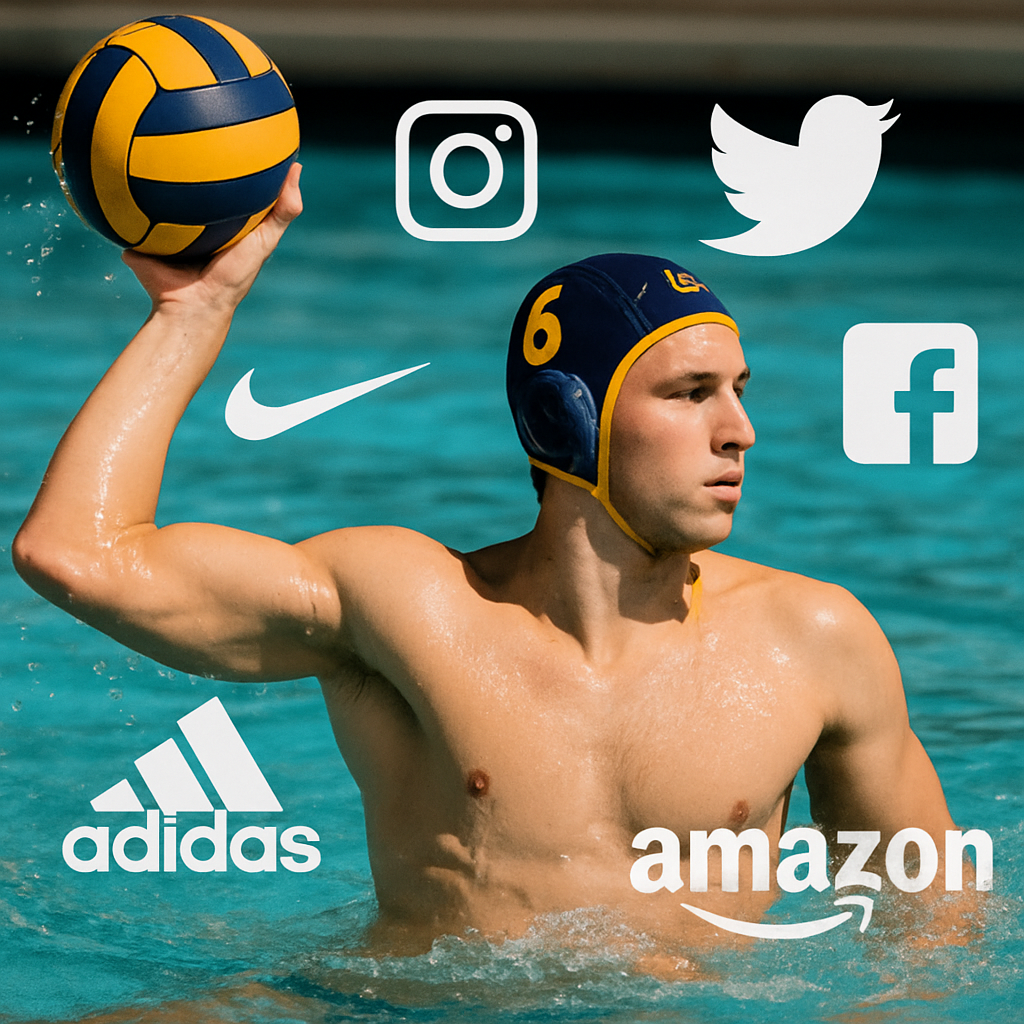
For decades, a college water polo player couldn’t even accept payment for coaching a local youth clinic without risking their NCAA eligibility. Today, that same athlete can build a personal brand that helps fund their degree through new athlete partnership programs. This shift represents more than just a rule change; it moves student-athletics from strict amateurism to a fundamental “Right to Earn” similar to any other student with a part-time job.
This new landscape is less like a complex legal merger and more like a modern version of a summer gig. If a student can legally sell artwork or computer repair services, the NCAA now agrees they should be able to sell their autograph or aquatic expertise. These modern sponsorship programs allow athletes to monetize their reputation, whether through social media promotion or running private camps.
While massive TV contracts chase quarterbacks, aquatic companies value water polo players for their “niche authority.” Marketing experts know that a dedicated following of 2,000 fellow swimmers often engages more deeply with products than a generic audience of millions. Brands specifically targeting the pool deck know that a recommendation from a Division I center defender drives real sales.
Navigating this ecosystem requires distinguishing between direct brand partnerships and alumni-driven “collectives.” Parents and athletes can unlock new earning paths for water polo players while keeping eligibility safe and compliant.
The Micro-Influencer Advantage: How 1,000 Followers Can Land a Swim Brand Deal
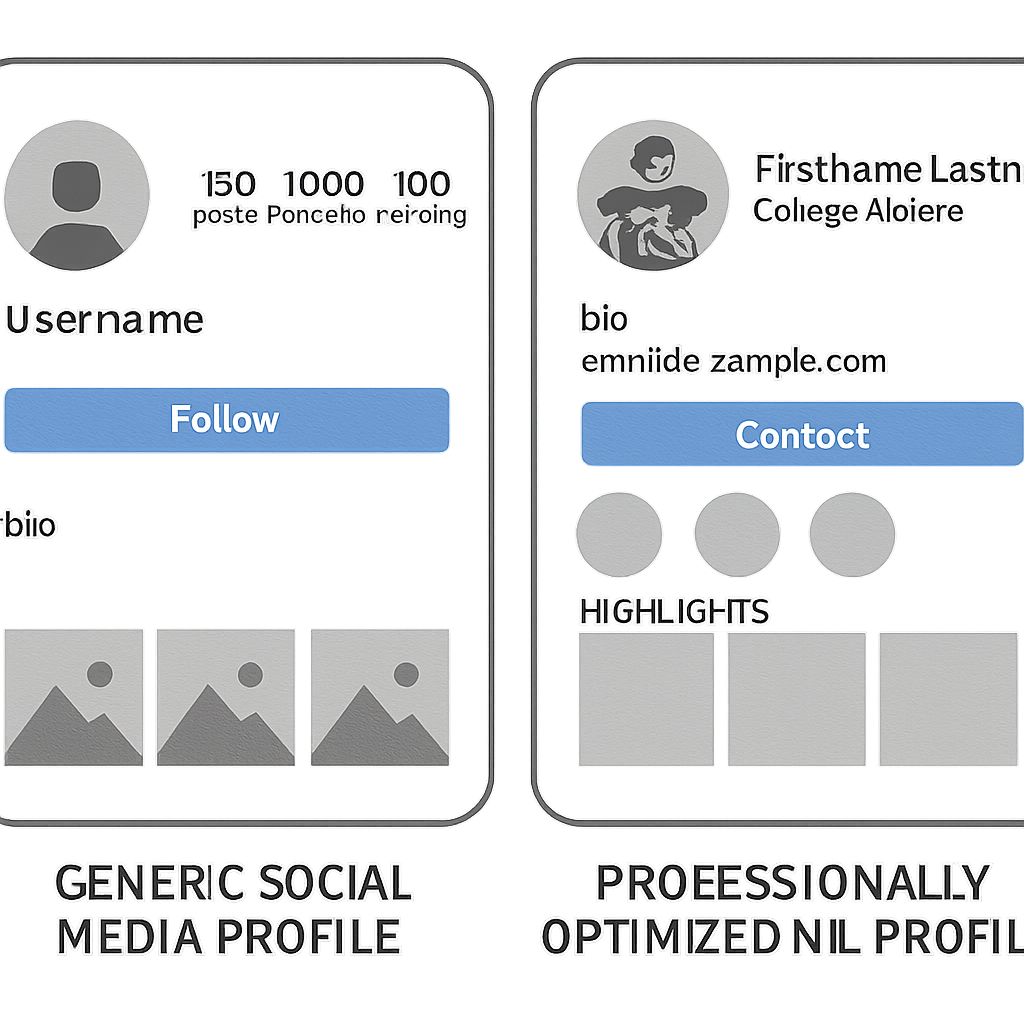
You might think securing a sponsorship requires viral fame, but in niche sports like water polo, audience specificity is your superpower. Companies aren’t always looking for mass appeal; they often want direct access to the pool deck through a “Digital Exchange.” A business provides compensation—either product or cash—in return for authentic visibility among a highly targeted group of teammates, parents, and local fans. You don’t need a million strangers watching your feed; you just need the right thousand people paying attention.
Quality matters more than quantity when calculating your Engagement Rate. This metric tracks how actively your followers interact with your posts, and a water polo player with 1,200 engaged followers often holds more value to a swimwear company than a general influencer with 50,000 silent observers. By building personal brand equity through athletic performance and consistent behind-the-scenes content, you demonstrate to sponsors that your voice carries actual weight within the aquatics community.
Turning your profile into a professional portfolio requires moving beyond casual posting to meet standard swim brand ambassador program requirements. Your bio is your elevator pitch to potential partners, so it must clearly communicate who you are and how to do business with you:
- Identify your role: Clearly state your university, sport, and position (e.g., “NCAA Center Defender”).
- Define your Brand Pillars: List 2–3 core themes you post about, such as “Elite Training,” “Hydration,” or “Student-Athlete Life.”
- Professionalize contact: Include a dedicated email address rather than asking brands to “DM for collabs.”
- Showcase value: Add a link to your highlight reels or press mentions to prove your legitimacy.
While monetizing a college water polo social media presence often begins with “gifting”—receiving free gear in exchange for posts—optimizing your profile is the first step toward negotiating actual payments. A professional appearance signals to brands that you understand the business side of the sport. Once you have mastered these individual partnerships, you are ready to explore the larger scale of team-based funding available through collectives.
Tapping Into Water Polo Collectives: The Power of Community-Funded Support
While brand collaborations require athletes to search for sponsors individually, a newer model allows athletes to tap into a pooled resource known as a collective. This acts as a “Community Pot” where alumni and fans donate money specifically to support athletes at your university. Compared with traditional sponsorship income, these funds can provide greater stability because they rely on school loyalty rather than follower counts.
Receiving payments from this pool requires a specific exchange of value, legally ensuring the money is earned income rather than a prohibited recruiting bribe. To stay compliant, athletes must perform a service to earn the payment, often referred to as quid pro quo.
This sports marketing work typically involves low-stress activities such as:
- signing autographs at alumni events
- attending meet-and-greets
- creating social media content for supporters
Many groups also partner with non-profits to create programs that benefit the surrounding community. Athletes might be paid to read at elementary schools, coach youth programs, or volunteer at local charities. This structure strengthens the athlete’s public image while creating genuine community engagement.
From Drills to Dollars: How to Host Legal and Profitable Youth Clinics
While collectives rely on donor pools, one of the most reliable income sources for a water polo athlete is their own skill set. Years spent mastering eggbeater kicks and perimeter shooting translate into valuable expertise that parents are willing to pay for their children to learn.
Start by establishing water polo club clinic partnerships instead of hosting events directly on campus. Using university facilities or team equipment during private business activities can trigger compliance issues related to institutional resources.
Local clubs or high schools often provide a better environment for hosting clinics because they manage insurance, registration, and logistics.
Typical pricing for clinics may include:
- Private coaching: $60–$100 per hour
- Small group sessions: $30–$50 per athlete
- Large clinics: Flat appearance fee plus a percentage of registration
Even simple coaching payments must be reported to university compliance offices to maintain eligibility.
The Compliance Shield: 3 Steps to Protect Your Eligibility

Securing a sponsorship or partnership can feel exciting, but signing agreements without understanding compliance rules can jeopardize an athlete’s eligibility.
Universities prohibit relationships with certain industries, including sports betting, tobacco, and alcohol companies. Additionally, no agreement can function as a recruiting inducement.
Most schools require athletes to report income through compliance software platforms such as ARMS or INFLCR.
Before accepting any compensation, athletes should follow a standard verification process:
- Review the contract for prohibited requirements.
- Submit the agreement to the university compliance portal.
- Wait for approval before posting or accepting payment.
Handling Taxes on Athlete Earnings
Unlike traditional part-time jobs, athletes participating in sponsorship partnerships are typically classified as independent contractors.
This means taxes are not automatically withheld. Athletes must manage their own financial responsibilities.
A common guideline is to set aside 25–30% of earnings to cover taxes. Companies paying more than $600 per year will usually issue a 1099-NEC tax form.
Athletes can reduce taxable income by tracking business expenses such as:
- equipment used for content creation
- travel to clinics or promotional events
- software or editing tools
Maintaining organized financial records is essential.
A Strategic Roadmap for the Off-Season
Understanding the cycle of athletic training and brand management allows athletes to create sustainable earning strategies.
A simple quarterly schedule might include:
- contacting local sponsors
- organizing youth clinics
- reviewing compliance rules weekly
These activities help athletes gradually build their reputation and marketing experience.
More importantly, these partnerships provide valuable career skills. Negotiating with companies, creating marketing content, and managing finances function like real-world internships in business and communication.
Conclusion
Modern athlete partnership programs allow college water polo players to transform athletic dedication into long-term opportunity.
Instead of relying solely on scholarships, athletes can now build personal brands, collaborate with companies, and engage with their communities in meaningful ways.
This shift turns student-athletes into active participants in their own professional development, ensuring their dedication to the sport creates value both in and out of the pool.
Learn More About the NIL Landscape
Name, Image, and Likeness plays an increasing role in college sports, and understanding how it works often requires more than individual articles or news updates.
RallyFuel is a platform focused on NIL-related topics across college athletics. It brings together information about athletes, NIL activity, and the broader structure behind modern college sports, helping readers explore the topic in more depth.
👉 Explore the Athletes on RallyFuel – Discover top college athletes, compare NIL valuations, and dive deeper into the world of NIL.
FAQ
Question: What does NIL allow a college water polo athlete to do?
Short answer: It allows athletes to earn income from their personal reputation through activities like social media promotions, coaching clinics, and brand collaborations while maintaining NCAA eligibility.
Question: Can athletes with small followings attract sponsors?
Short answer: Yes. In niche sports, a highly engaged audience of a few thousand people can be more valuable than a massive passive following.
Question: What is a Collective?
Short answer: A collective is a fan-funded organization that pools donations to create marketing and community programs for athletes at a specific university.
Question: Can athletes legally host youth clinics?
Short answer: Yes, as long as they avoid using university resources improperly and report income to their compliance office.
Question: How are taxes handled?
Short answer: Athletes usually file as independent contractors and must track income, expenses, and tax obligations themselves.


Leave a Comment