
Breaking Down the Highest NIL Agreements
Think college sports are still “amateur”? Some student-athletes now have brand partnerships rivaling professional athletes, all thanks to a three-letter revolution. So, what does NIL stand for in sports? It’s an acronym for Name, Image, and Likeness, representing an athlete’s new right to profit from their own personal fame.
In practice, this works just like a celebrity endorsement. Instead of a movie star in a car commercial, it might be a star quarterback promoting a local restaurant on Instagram. Crucially, this money isn’t a salary from the school; it’s a business agreement between the athlete and a company.
Just a few years ago, such partnerships would have been considered an illegal benefit. Today, these agreements form the foundation of a new marketing ecosystem reshaping college athletics.
So, Where Does the NIL Money Actually Come From?
You see the massive dollar figures attached to these student-athletes, so it’s fair to ask: where does all this NIL money actually come from?
Universities are not paying players directly. The NCAA still prohibits “pay-for-play.” Instead, funds come from businesses and supporters who want to associate their brand with a popular athlete or team.
This income generally arrives in one of three ways:
Direct Brand Endorsements:
Think of a national brand like Dr Pepper or a local car dealership paying an athlete to appear in advertisements or marketing campaigns.
Social Media Promotions:
A company paying a player for a sponsored post on their Instagram or TikTok account.
Booster-Funded Collectives:
Groups of wealthy supporters who pool resources to create earning opportunities for players.
That last one, the “collective,” is the biggest game-changer in this new environment. You can think of a collective as a supercharged fan club. Instead of donating to the university for facilities, supporters fund marketing opportunities—such as charity appearances or promotional events—for student-athletes.
For athletes, this often means a steady stream of income and a major factor when choosing which school to attend.
Between national brand partnerships and local collective initiatives, the earning potential for athletes has expanded dramatically.
Who Has the Biggest NIL Agreements in College Sports?

Leading the pack is Colorado quarterback Shedeur Sanders, son of coach and NFL legend Deion Sanders.
With an estimated NIL valuation hovering around $4.6 million, according to industry tracker On3, he sits at the top of the college sports world. This figure is not a salary; it represents an estimate of his potential annual earnings from partnerships with major brands like Gatorade, Topps, and Mercedes-Benz.
Sanders combines elite on-field performance with a massive public profile, making him extremely attractive to companies targeting younger audiences.
However, quarterbacks aren’t the only athletes securing high-value agreements.
LSU gymnast and social media star Livvy Dunne has an estimated NIL valuation of around $3.7 million, making her one of the highest-paid female college athletes.
Her influence extends beyond gymnastics thanks to millions of followers across TikTok and Instagram. This digital audience has attracted partnerships with major brands including Vuori and American Eagle.
These athletes highlight two essential ingredients behind the largest NIL opportunities: strong athletic performance and a highly engaged online audience.
Is It Just Football? How NIL Opportunities Compare Across Sports
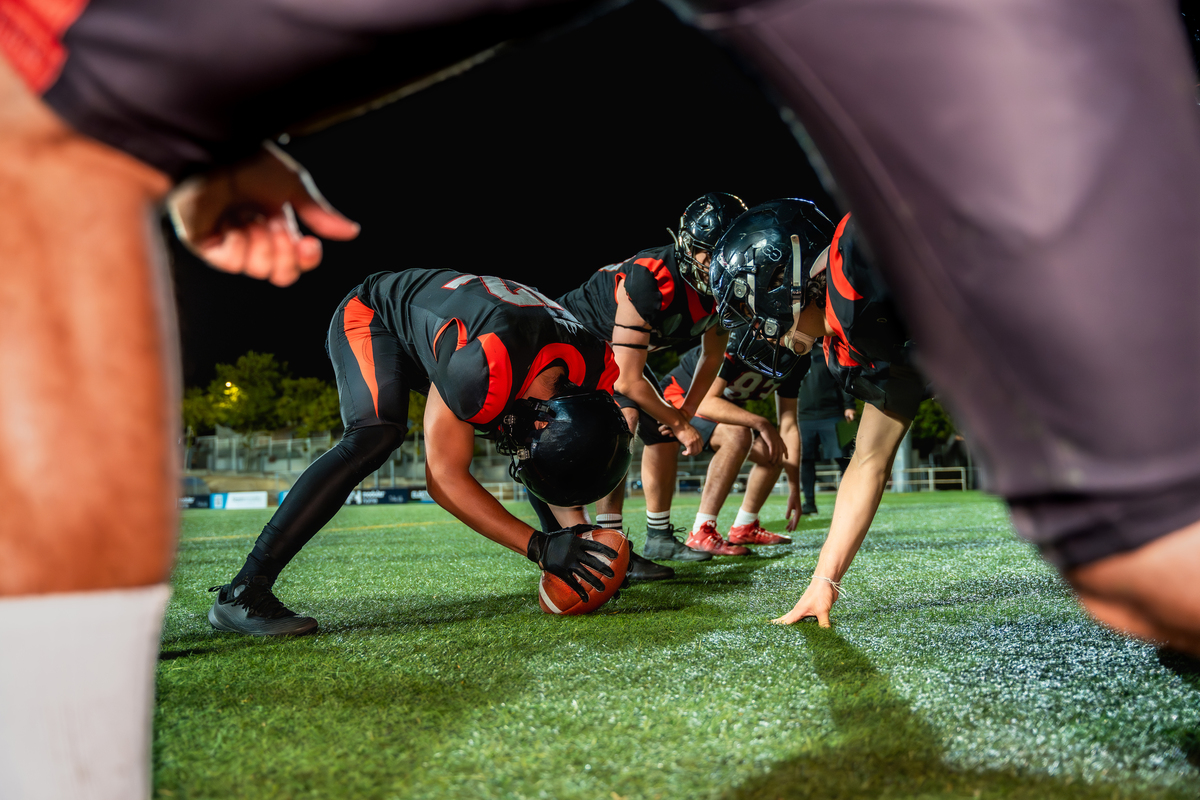
Football programs still dominate the overall NIL marketplace, with men’s and women’s basketball following closely behind.
A significant portion of football-related NIL income is driven by collectives, which often provide financial opportunities for a large number of players on a roster rather than only star athletes.
This creates a relatively high baseline income for players at top programs.
However, athletes in other sports have demonstrated that strong personal branding can generate significant opportunities regardless of sport popularity.
Athletes such as Livvy Dunne (gymnastics) and Caitlin Clark (basketball) show how social media influence and national recognition can attract major corporate sponsorships.
Companies like State Farm and Gatorade increasingly partner with athletes who have strong connections with fans and compelling personal brands.
Ultimately, this creates two primary paths to success in the NIL economy:
- Playing for a high-profile program supported by strong collectives
- Building a powerful personal brand that attracts corporate partnerships directly
What NIL Means for Your Favorite College Team
The era of “amateur” college athletics has fundamentally changed.
The flow of money from brand endorsements and supporter-funded collectives has reshaped how teams recruit players and how athletes evaluate their college options.
Today, when a top athlete selects a school, the decision often includes evaluating available marketing opportunities and the strength of the school’s NIL ecosystem.
Behind many major commitments and transfers, there is now a business decision happening in the background.
As the NIL industry continues to evolve, discussions around NCAA rules, athlete compensation, and NIL legislation will likely intensify.
What was once purely a game has transformed into a dynamic marketplace—one where athletes finally have the opportunity to benefit from the value of their own name, image, and likeness.
Learn More About the NIL Landscape
Name, Image, and Likeness plays an increasing role in college sports, and understanding how it works often requires more than individual articles or news updates.
RallyFuel is a platform focused on NIL-related topics across college athletics. It brings together information about athletes, NIL activity, and the broader structure behind modern college sports, helping readers explore the topic in more depth.
👉 Explore the Athletes on RallyFuel – Discover top college athletes, compare NIL valuations, and dive deeper into the world of NIL.


Leave a Comment