
Introduction: Branding in the Olympic Window
The Winter Olympics 2026 in Milano-Cortina represent more than a competitive milestone for NCAA winter athletes. They function as a concentrated exposure event within a four-year Olympic development cycle. For college hockey players, skiers, and Nordic athletes, Olympic qualification and national team visibility create a rare commercial and reputational window.
The central thesis of this analysis is clear:
In the NIL era, personal branding for college winter athletes is no longer peripheral to performance — it is structurally tied to Olympic-cycle visibility, institutional alignment, and long-term career positioning.
Unlike revenue sports, winter disciplines operate within niche media ecosystems. However, Olympic exposure temporarily equalizes visibility gaps. The challenge is not simply gaining attention — it is converting Olympic-cycle exposure into sustainable brand equity within NCAA regulations.
The Structural Context: Why Winter Athletes Face a Different Branding Landscape
Winter sports differ from football or basketball in three key ways:
- Seasonal media compression – Coverage spikes during championships and international events.
- Lower broadcast penetration – Regular-season games and meets receive limited national airtime.
- Federation overlap – Athletes often operate between NCAA systems and national governing bodies.
As a result, branding must be intentional and long-term rather than opportunistic.
The Olympic development pathway creates identifiable stages:
- NCAA competition years
- National team camps
- Olympic qualification events
- Olympic Games
- Post-Games media cycle
Each stage presents distinct branding opportunities.
NIL as a Structural Branding Mechanism
The introduction of NIL in college sports transformed branding from informal reputation-building into a monetizable framework.
What NIL Enables for Winter Athletes
Under NCAA rules, athletes may:
- Sign endorsement deals
- Monetize social media presence
- Participate in sponsored appearances
- Build independent business ventures
For winter athletes, NIL tends to concentrate in:
- Equipment partnerships (sticks, skates, skis)
- Regional sponsors
- Outdoor performance brands
- Local business collaborations
However, NIL opportunity density is uneven. Revenue sports dominate national sponsorship pools, meaning winter athletes must rely on targeted, identity-driven positioning.
Olympic 2026 as a Brand Acceleration Event
Olympic cycles amplify three branding variables:
- Visibility – National and international broadcast exposure.
- Credibility – Olympic affiliation strengthens athlete authority.
- Recruiting leverage – Universities gain brand spillover.
For NCAA athletes connected to Team USA pools, Milano-Cortina 2026 functions as a multiplier event. Even athletes who do not medal benefit from Olympic association.
However, the exposure spike is temporary. Sustainable branding depends on conversion strategy before and after the Games.
Core Branding Components for College Winter Athletes
1. Performance Credibility
Branding without competitive legitimacy lacks durability. Winter athletes must maintain:
- Statistical performance consistency
- Championship participation
- National team integration
Performance anchors brand value.
2. Identity Definition
Winter athletes often benefit from clearly defined positioning, such as:
- “Defensive specialist” (hockey)
- “Technical alpine tactician”
- “Endurance-based Nordic competitor”
Niche clarity improves sponsor alignment.
3. Institutional Amplification
Universities provide:
- Media production teams
- Athletic department social amplification
- Alumni networks
- Conference-level exposure
Athletes aligned with institutional messaging experience stronger brand reinforcement.
Branding Potential by Winter Sport (2026 Context)
| Sport | Media Exposure (Regular Season) | Olympic Visibility Spike | NIL Opportunity Density | Brand Scalability |
|---|---|---|---|---|
| Women’s Hockey | Moderate | Very High | Moderate | High |
| Men’s Hockey | High | High | High | High |
| Alpine Skiing | Low–Moderate | Very High | Niche | Moderate |
| Nordic Skiing | Low | Moderate | Limited | Moderate |
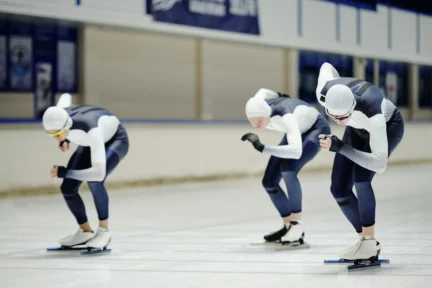
| Speed Skating | Low | High | Limited | Moderate |
This table illustrates a critical insight: Olympic visibility disproportionately benefits sports with low regular-season media coverage.
Digital Strategy During the Olympic Cycle
Winter athletes benefit from structured digital storytelling.
Effective approaches include:
- Training analytics breakdowns
- Behind-the-scenes preparation
- Recovery protocols
- Olympic qualification milestones
- Academic-athletic balance narratives
Data-driven storytelling aligns particularly well with winter sport audiences.
Consistency is more valuable than virality.
Risk Factors in Athlete Branding
Brand development carries structural risks:
- NIL compliance violations
- Over-commercialization before performance maturity
- Message inconsistency
- Dependency on short-term Olympic attention
Athletes must coordinate with compliance officers and university branding teams.
NCAA vs Federation-Driven Branding Systems
Winter sports vary in how branding is structurally supported.
| Component | NCAA-Centered Sports (Hockey) | Federation-Dominant Sports (Figure Skating, Luge) |
|---|---|---|
| Institutional Media Support | Strong | Limited |
| NIL Infrastructure | Established | Variable |
| Conference Rivalry Exposure | High | None |
| Olympic Transition Pathway | Structured | Direct Federation Pipeline |
| Brand Continuity | Multi-year collegiate | Event-based |
Hockey uniquely benefits from NCAA conference ecosystems that sustain media continuity beyond Olympic cycles.
Long-Term Career Implications
Personal branding during the Olympic 2026 cycle impacts:
- Professional contract negotiation leverage
- Sponsorship renewals
- Post-athletic career pathways
- Media credibility
Winter athletes who strategically align performance and branding enter professional stages with stronger negotiating power.
Conclusion: Branding as a Parallel Performance Track
Building a personal brand as a college winter athlete during the Olympic 2026 cycle is not a distraction from competition. It is a parallel performance track shaped by NIL policy, NCAA infrastructure, and Olympic visibility.
The Olympic window amplifies exposure, but sustainability depends on structured positioning, institutional alignment, and consistent competitive legitimacy.
In the current NIL era, personal branding has become embedded within the Olympic development pathway. For winter athletes competing within NCAA systems, strategic brand building is no longer optional—it is part of the long-term professional equation.
Learn More About the NIL Landscape
Name, Image, and Likeness plays an increasing role in college sports, and understanding how it works often requires more than individual articles or news updates.
RallyFuel is a platform focused on NIL-related topics across college athletics. It brings together information about athletes, NIL activity, and the broader structure behind modern college sports, helping readers explore the topic in more depth.
👉 Explore the Athletes on RallyFuel – Discover top college athletes, compare NIL valuations, and dive deeper into the world of NIL.
FAQ
1. How does the Olympic cycle impact NIL opportunities for winter athletes?
The Olympic cycle increases short-term visibility, which can expand endorsement and partnership opportunities under NCAA NIL regulations.
2. Is branding different for winter athletes compared to revenue sports?
Yes. Winter athletes often operate in niche media ecosystems and must rely on targeted identity-driven positioning rather than mass exposure.
3. Can Olympic participation significantly increase an athlete’s market value?
Yes. Olympic affiliation enhances credibility and can strengthen sponsorship and professional contract leverage.
4. What role do universities play in athlete branding?
Athletic departments provide media amplification, compliance oversight, and digital production support that can strengthen brand development.
5. Is short-term Olympic exposure enough to build a lasting personal brand?
No. Sustainable branding requires consistent positioning before and after the Olympic Games.

Leave a Comment