

We open with clear data and real examples to show how college platforms now accelerate athlete reach. Opendorse projects $1.175 billion in NIL spending for 2023–24, with $726.2 million flowing to football and $303 million to men’s basketball. This money reshapes media pipelines and brand deals for athletes across sports.
Case studies matter. Livvy Dunne’s valuation is about $3.2 million, and Harvard guard Harmoni Turner turned a near 10‑million‑view TikTok into deals with Papa Johns and Fabletics. Princeton and Harvard use partners like Opendorse and INFLCR to help athletes manage disclosures and access opportunities.
We explain how policy shifts since 2021 and transfer movement—like Chisom Okpara’s reported $200,000–$500,000 offers—create new paths to long‑term success. Our goal is practical: give you a data‑informed view that helps athletes, brands, and college stakeholders make ethical, strategic choices.
Why NIL Matters Now: Present-Day Shifts in Athlete Influence and Audience Growth
A rapid policy shift since 2021 rewired how student athletes convert campus visibility into public audiences. The NCAA changes that allowed transfers without penalty and lifted earning bans compressed what once took years into a single season for some players.
The effect spans many sports. SEC starting lineups can earn figures that match department budgets, while Ivy League schools use platforms like Opendorse and INFLCR to route content and report deals. That coordination raises engagement and makes team storytelling more discoverable.
Money and mobility now shape audience growth. When players move, their stories follow into new regions and expand a team’s fanbase. Students balance time among academics, training, and content creation, so athletics staff and clear education reduce friction.
Practical takeaway: treat each season and year as a strategic window. Collaborate with college media, prioritize timely clips and behind‑the‑scenes access, and map deals to long‑term college athletics goals rather than chasing single spikes.
NIL Building Influence Olympians: The Macro Trends Reshaping College and Olympic Pathways
A clear money trail shows which sports and platforms shape modern athlete reach.
Follow the money: Opendorse projects $1.175 billion in spending for 2023–24. That includes $726.2 million to football and $303 million to men’s basketball, with $59.4 million for women’s basketball. This split drives where brands and teams focus resources.
Platform mechanics
Platforms such as Opendorse and INFLCR systematize asset sharing and compliance. Roster-wide workflows help align timing, rights, and creative for quick campaigns.
Mobility and markets
Transfer flexibility and monetization rules have turned recruiting into a high-velocity marketplace. Players now weigh school fit, media assistance, and partnership potential when choosing a destination.
- Headline flows: money concentrates in football and basketball, creating star anchors for departments.
- Platforms help athletes and brands execute timely deals and media placements.
- Women’s allocations lag — brands can help by investing in longer-term stories.
| Metric | Amount | Implication |
|---|---|---|
| Total projected spend | $1.175B | Defines market scale for athletes and brands |
| Football | $726.2M | Primary source of department-level partnerships |
| Men’s basketball | $303M | High-visibility sport for star players |
| Women’s basketball | $59.4M | Smaller budgets; requires strategic brand alignment |
Gymnastics as a Case Study: Olympians Blending NCAA Stardom with Elite Competition
Few sports illustrate dual-path success better than gymnastics, where college seasons and elite cycles align. Top athletes navigate campus meets, international events, and brand work while keeping academics on track.
From podium to campus: Suni Lee, Jordan Chiles, and Jade Carey expand the sport’s reach
Women such as Suni Lee, Jordan Chiles, and Jade Carey used college competition to maintain visibility between Olympic cycles. Their presence raises the profile of the sport and creates organic moments for brand storytelling.
Coaching and compliance realities: Balancing academics, team commitments, and brand opportunities
Coaches now build education-first plans that protect a student’s academic progress and team role. Clear rules help integrate endorsements and sponsorships around a competition calendar.
- Season strategy: endorsements are scheduled in off-weeks or after meets to preserve recovery and study time.
- Coaches coordinate approvals and media assets to keep athletes compliant and focused on success.
- Student well-being guides decisions about travel, appearances, and training loads.
“A dual-season approach can compound audience growth: campus broadcasts feed discovery while elite events reinforce credibility.”
Ivy League Pressure Test: What Harvard Reveals About NIL, Retention, and Reputation
Harvard’s recent media playbook shows how a single viral clip can reshape a player’s prospects on and off campus.
Viral moments to partnerships: Harmoni Turner’s TikTok surge
Harvard uses INFLCR to distribute approved footage and manage disclosures. Princeton uses Opendorse for similar workflows.
The Harmoni Turner clip—nearly 10 million views—turned into partnerships with Papa Johns and Fabletics. That sequence shows how social media can seed structured partnerships without collectives.
- Department media can translate a viral moment into compliant deals and clear outcomes for students.
- Coaches balance retention and mobility, knowing money and opportunities pull players to larger NIL ecosystems.
- Students access platform assets to craft stories that appeal to brands and measure impact.
- A school’s academic rigor and team culture shape whether a player stays or enters the transfer portal.
| Case | Tool | Outcome | Retention Factor |
|---|---|---|---|
| Harvard | INFLCR | Viral clip → brand partnerships | Academics + team culture |
| Princeton | Opendorse | Roster asset workflows | Platform access for students |
| Transfer example | — | Okpara projected $200k–$500k; moved to Stanford | External market money |
“We emphasize education-first messaging so student priorities stay central as athletes evaluate deals and transfer options.”
Practical takeaway: plan media, academics, and competition calendars to assistance development while enabling discovery in college athletics.
Women Athletes, Social Media, and Brand-Building: Opportunities and Ongoing Gaps
College-era followings give many women athletes a head start in building sustainable partnerships. Social media turns highlights into steady engagement, but conversion to paid opportunities remains uneven across sports.
Top earners and the landscape
Livvy Dunne leads valuations among NCAA women at roughly $3.2M, illustrating the top end of what personal brands can earn. Overall market data shows most spend flows to football and men’s basketball, with women’s basketball at about $59.4M—so the long tail of women’s sports needs more paid sponsorships.
Playbook for influence
We recommend a compact content plan: predictable cadence tied to competition, authentic storytelling, and clear brand alignment. Post timing and consistent assets help convert audience engagement into partnerships and endorsements.
- Organize clips and media with athletics resources for fast approvals.
- Prioritize brands that match values—nutrition, wellness, and education tech often fit well.
- Use behind‑the‑scenes content to deepen trust and long‑term engagement.
Beyond college: planning for a path forward
NIL can be a bridge, not an endpoint. Professional opportunities for women often lack parity with men’s sports, so athletes should diversify income and develop skills that extend past college play.
“Treat each partnership as a building block—choose deals that protect time, academic progress, and future flexibility.”
Team and Sport Variability: Basketball, Football, and the Olympic-Sport Equation
Seasonal rhythm and roster moves set the pace for how a team captures attention and secures partnerships. We compare how different teams use calendars and media to amplify reach.
Sport-by-sport impact
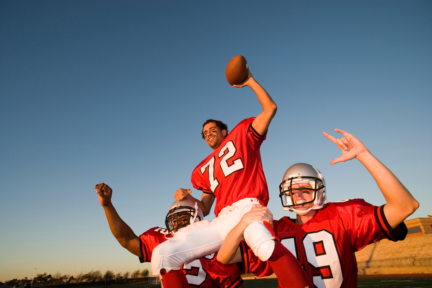
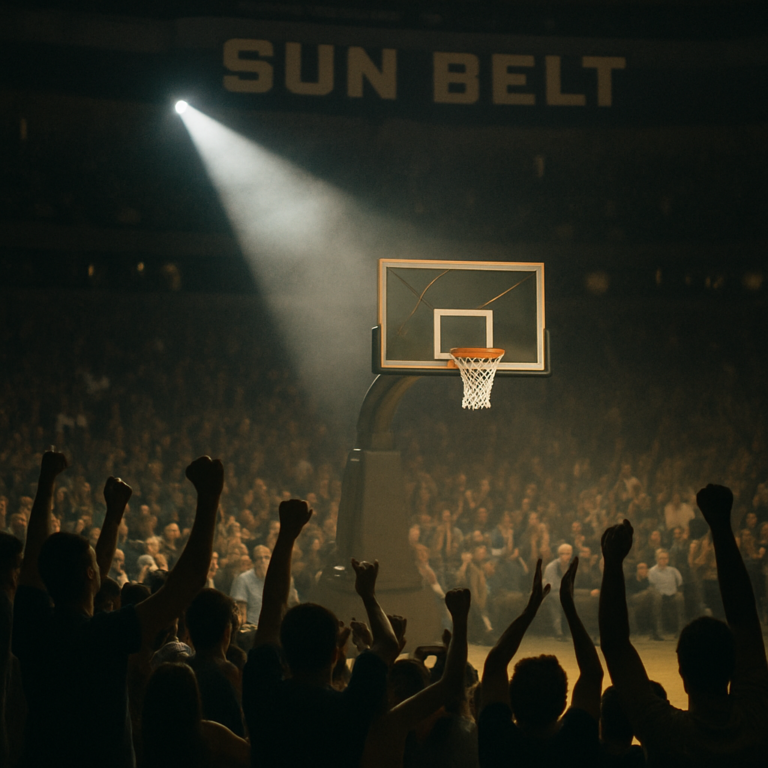
Football and basketball command the most money and broad visibility. These team programs can package rivalry weeks and tournaments into clear promotional moments.
By contrast, Olympic-style sport squads rely on precision. They highlight training blocks, invitationals, and national selections to create steady touchpoints.
Seasonal storylines to watch
Transfers often reset narratives midseason. A roster change can give a team fresh storylines and renewed media attention.
- Timing: map content to rivalry weeks, holiday tournaments, and postseason runs.
- Resources: align media assets and staff so players can share quick clips and Q&As between games.
- Impact: coordinated messaging across teams and departments compounds reach and assistances partnerships.
| Focus | Team approach | Expected impact |
|---|---|---|
| Revenue sports | Bundle marquee matchups | Higher visibility, more deals |
| Olympic sports | Precision storytelling | Steady niche audiences |
| Transfer windows | Planned content resets | Surge in engagement |
“Teams that coordinate resources and timing create durable audience gains while protecting athlete priorities.”
Conclusion
A multi-year strategy helps campus visibility translate into professional options after college.
We see clear opportunities for athletes who align academics, athletics, and brand work across seasons. Treat college as a concentrated period where you build trust, routines, and a content library that assistances later success.
Plan for time—map media and endorsements around competition and study windows. That protects education and well-being while growing a public profile over years.
Programs and partners that prioritize ethics and measurement create repeatable success. Choose opportunities that magnify purpose rather than chasing every offer.
In short: with clear rules, coordinated staff, and intentional deals, college can be a launchpad where athletes scale impact responsibly and preserve long-term success.
Learn More About the NIL Landscape
Name, Image, and Likeness plays an increasing role in college sports, and understanding how it works often requires more than individual articles or news updates.
RallyFuel is a platform focused on NIL-related topics across college athletics. It brings together information about athletes, NIL activity, and the broader structure behind modern college sports, helping readers explore the topic in more depth.
FAQ
What is the current scale of athlete compensation and which sports dominate?
College-athlete compensation has grown into the billions, driven largely by football and men’s basketball. These sports capture the biggest shares of endorsement and sponsorship dollars due to viewership, alumni networks, and brand interest. Other sports are growing more slowly but see spikes tied to viral moments, Olympic success, and targeted campaigns.
How do platforms like Opendorse and INFLCR change how athletes build audiences?
These platforms streamline content distribution, rights management, and brand matchmaking. They let athletes share approved assets, track engagement, and pitch to sponsors more efficiently. That reduces friction between athletes, schools, and brands while expanding the types of deals available.
How have transfer rules and athlete mobility affected recruiting and market value?
Easier transfers have made recruiting more dynamic and market-based. Athletes can move to programs that provide better exposure, coaching, or brand fit, which increases their leverage in negotiating partnerships and impacts roster construction for teams and boosters.
Why are gymnasts like Suni Lee, Jordan Chiles, and Jade Carey important case studies?
These athletes show how Olympic success translates to campus visibility and audience growth. Their combined elite results and social reach attract sponsorships and drive interest in gymnastics programs, illustrating how Olympic performance and college competition create complementary platforms.
What compliance and scheduling challenges do athletes face when balancing college responsibilities with brand deals?
Athletes must navigate academic calendars, training, competition commitments, and university compliance rules. Contracts need clear terms about use of time, travel, and intellectual property. Teams and compliance offices often require pre-approval to avoid conflicts with team obligations and NCAA or institutional policies.
How do viral social moments lead to long-term partnership opportunities?
Viral content raises an athlete’s public profile quickly. Brands may respond with short-term offers, which can become longer partnerships if the athlete sustains engagement and aligns with brand values. Consistent content strategy and professional representation help convert spikes in attention into stable revenue streams.
What unique NIL-related pressures do Ivy League athletes experience?
Ivy League athletes balance rigorous academics with brand opportunities in a conservative institutional environment. Schools like Harvard emphasize reputation and compliance, so athletes often navigate stricter guidelines while leveraging alumni networks and niche sponsorships rather than mass-market deals.
How are women athletes shaping the sponsorship landscape and what gaps remain?
Women athletes—from Livvy Dunne to Angel Reese—have driven audience growth through social platforms, performance, and authenticity. Yet disparities persist in deal values, media coverage, and long-tail sponsorship opportunities. Continued investment in women’s sports and strategic brand alignment is narrowing that gap.
What practical steps can athletes take to build a sustainable personal brand?
Focus on consistent content cadence, authentic storytelling, and aligning with brands that share your values. Maintain clear contracts, get compliance sign-off, and work with reputable agents or platforms. Invest time in audience engagement to turn short-term visibility into long-term partnerships.
Is college-level brand building a launchpad for professional careers?
For many athletes, college visibility is a bridge to professional opportunities. Strong collegiate profiles can attract pro scouts, international sponsors, and endorsement deals. However, some athletes treat college branding as an end in itself — a way to build financial stability and community impact while completing their education.
How does sport-by-sport variability affect an athlete’s earning potential?
Earning potential varies by sport, media coverage, and seasonal factors. Football and men’s basketball often deliver the largest deals due to audience size, while Olympic and women’s sports can provide niche but powerful opportunities tied to performance peaks, viral moments, and community engagement.
What seasonal storylines should fans and athletes watch for visibility spikes?
Watch transfer windows, high-profile matchups, conference tournaments, and major international events like World Championships and the Olympics. These moments drive media attention and open short windows for increased engagement and partnership activation.

Leave a Comment