
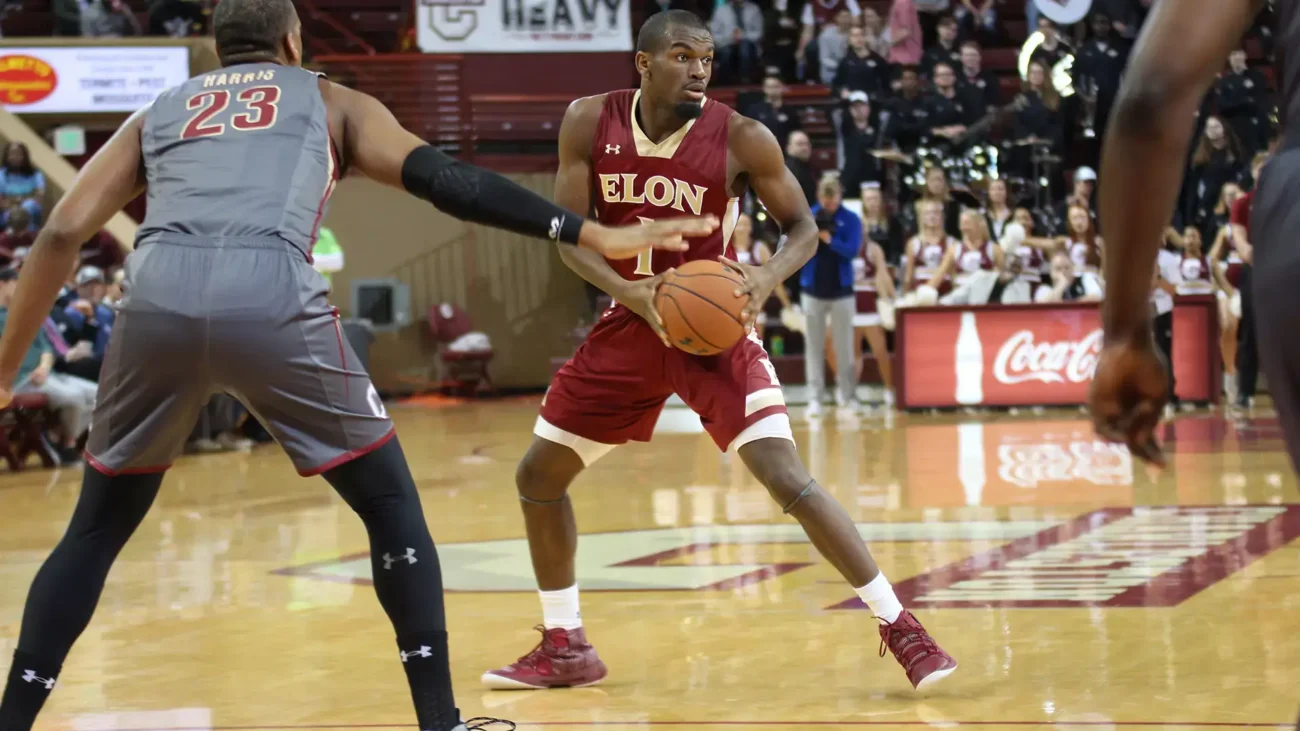
If you’ve grabbed a latte in Riverside recently, you might have noticed a CBU basketball player promoting that very coffee shop on Instagram. This isn’t just a friendly gesture—it is a glimpse into the new economy of California Baptist NIL deals. For decades, accepting cash for a commercial would have cost a Lancer their eligibility, but today, athletes effectively hold a “professional freelance license” to profit from their own personal brands.
Summary
CBU student-athletes can monetize their name, image, and likeness through legitimate marketing services—not salaries—under California law and NCAA rules that require clear quid pro quo and disclosure. Compliance guidelines, the Lancers Elite Collective, and platforms like Opendorse enable transparent, legal partnerships, with local Riverside businesses providing the most impactful opportunities. Written contracts and proper reporting protect eligibility, while international athletes on F-1 visas face stricter limits and often pursue passive or home-country deals. Fans can support by engaging on social media, joining the collective, and patronizing partner businesses.
While athletic scholarships cover tuition, these new agreements function quite differently. Experts distinguish college athlete deals from salaries; they are strictly marketing partnerships where businesses pay for a specific service, like a social media post or an autograph signing. Whether it is a star player visiting a local pizza parlor or a swimmer teaching private clinics, the primary goal is turning athlete visibility into legitimate business ventures.
This opportunity arrives as the university cements its standing in the Western Athletic Conference (WAC). As the move to NCAA Division I brings national exposure to Riverside, the CBU Lancers NIL policy guidelines provide the necessary framework ensuring that both athletes and local merchants can capitalize on this larger stage safely.
What Does ‘Name, Image, and Likeness’ Actually Mean for a CBU Student?
NIL grants student-athletes the right to operate as their own business entities. When a star volleyball player signs autographs at a distinct local event, they aren’t representing the university directly; they are monetizing their personal fame. This shift opens the door for california athlete endorsements that were previously impossible, treating collegiate players similarly to professional influencers or freelance marketers rather than just students on a scholarship.
Crucially, this freedom has a strict boundary: it is not a salary. Under current NCAA rules, “pay-for-play”—giving an athlete money just for being on the team or performing well in a game—remains illegal. A business cannot hand a CBU point guard an envelope of cash just because they scored 20 points against a rival. There must be a specific exchange of value, meaning the athlete must perform a legitimate service to earn that check.
Local businesses are already utilizing these new freedoms to create student-athlete endorsement opportunities in Riverside through four primary methods:
- Social Media Promotions: Posting about a product on Instagram or TikTok.
- Public Appearances: Signing autographs at a grand opening or charity event.
- Sports Camps: Hosting private clinics to teach skills to local youth.
- Brand Ambassador Roles: Serving as the ongoing “face” of a local company for a season.
Successful brand building for mid-major collegiate athletes relies on authentic connection rather than just national fame. By engaging directly with fans, CBU students learn real-world entrepreneurship while maintaining their amateur status. These definitions lay the groundwork for understanding the specific state laws that make these opportunities possible.
Navigating the California Fair Pay to Play Act Without a Law Degree
While the concept of student-athletes earning money feels normal today, it began right here in this state. The California Fair Pay to Play Act, signed in 2019, was the spark that eventually forced the NCAA’s hand nationwide. Before this legislation, accepting a free coffee for a promotional photo could strip a player of their scholarship. The law fundamentally changed the power dynamic, ensuring that no college in California—public or private—could penalize a student simply for profiting from their own name or image.
For a private institution like CBU, this legislation creates a clear division between education and business. The core of the California Fair Pay to Play Act requirements is protection: the university cannot revoke eligibility because a student signs a shoe deal or runs a monetized YouTube channel. However, the school also cannot be the entity paying the athlete for these rights. This separation protects the university’s status while allowing the student to operate as a completely independent commercial entity within the Riverside market.
This newfound freedom doesn’t mean the process is unregulated. To keep everything above board, the athletic department enforces California Baptist University athletic compliance rules that act as essential guardrails. Athletes must disclose deals to the university to ensure they aren’t inadvertently accepting pay-for-play bribes or promoting banned industries like gambling. With the school legally distanced from the actual payments, a new third-party solution has emerged to facilitate these opportunities for fans and businesses.
How the Lancers Elite Collective Turns Fan Support into Athlete Opportunity
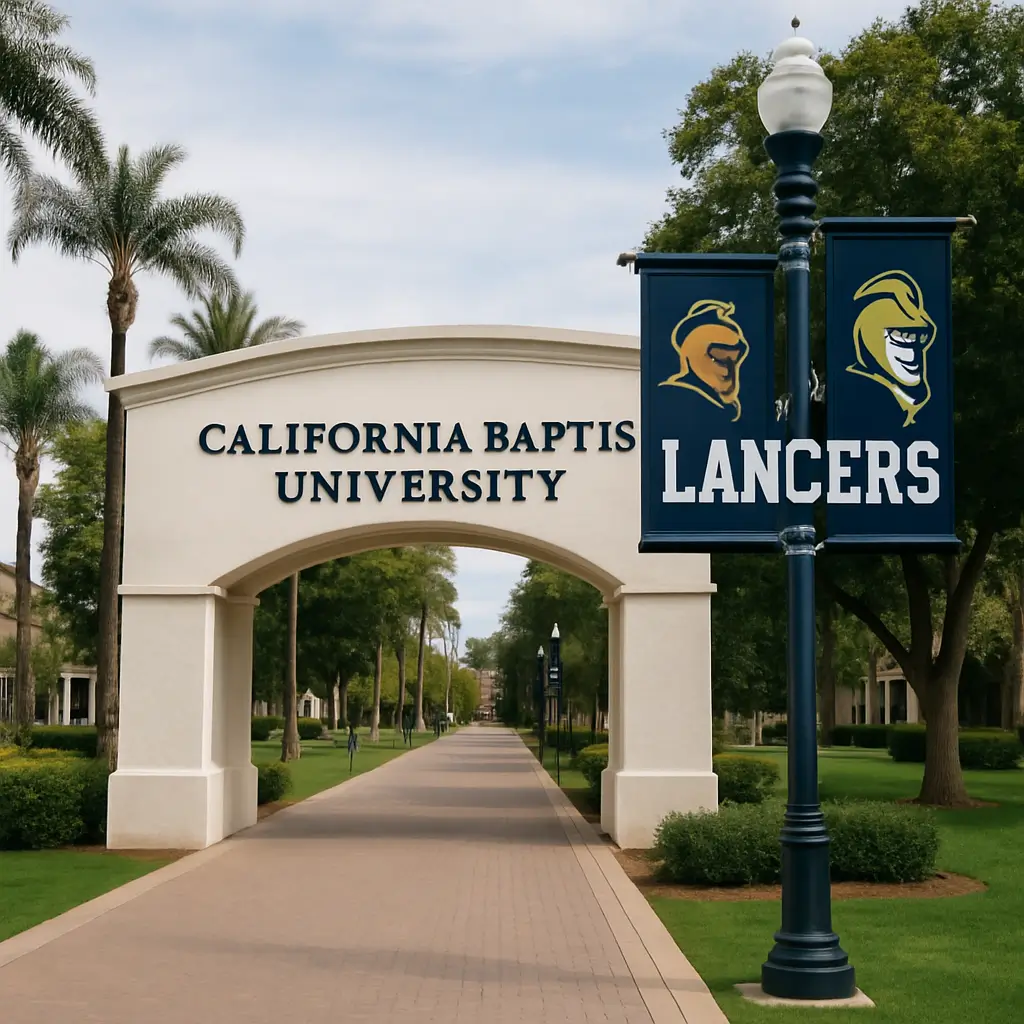
Since universities cannot legally pay athletes for endorsements, independent groups have formed to bridge the financial gap. The Lancers Elite Collective serves as this vital engine for CBU, operating as a distinct organization completely separate from the university administration. Operating like a fan-powered agency, it pools resources from supporters to create paid opportunities for student-athletes. Instead of waiting for a local business to call, the collective proactively funds contracts where athletes might engage in community service, host youth clinics, or attend fan events in Riverside.
Unlike high-pressure donor-led sports collectives in California that focus strictly on massive paydays, the CBU model emphasizes sustainable community involvement. Supporters fuel these athlete opportunities through three primary channels:
- Lancers Elite collective membership: Monthly subscriptions that often grant fans access to exclusive content or events.
- One-time donations: Direct contributions that can be allocated to specific sports programs.
- Corporate sponsorships: Partnerships where local businesses fund roster-wide marketing campaigns.
While the collective manages the funds and deliverables, the school remains in an educational role. The CBU athletic department NIL resources focus strictly on compliance and financial literacy, helping athletes understand taxes and contracts without ever brokering the deals themselves. This separation protects the institution while empowering players. However, not every opportunity requires a collective; for direct business-to-athlete connections, technology has created a digital marketplace to streamline the process.
From Handshakes to Hubs: Using Opendorse to Discover CBU Endorsements
Finding a CBU athlete to promote a Riverside business used to require inside connections, but technology has democratized this access. The Opendorse marketplace for CBU athletes functions similarly to familiar gig economy apps, allowing local merchants to browse student profiles, pitch ideas, and offer contracts directly. Whether a coffee shop wants a shout-out on Instagram or a gym needs a guest for a grand opening, this platform removes the awkwardness of cold-calling a student, replacing it with a professional, streamlined dashboard where opportunities are clearly listed.
Social media marketing for college athletes drives the majority of these transactions, offering a low-barrier entry point for supporters who might not have the budget for a major sponsorship. Through the app, a business can send a specific request—like a video greeting or a post—and the athlete receives a notification to accept or decline. This accessibility has made Western Athletic Conference athlete monetization surprisingly robust, as it allows players from all sports to monetize their specific follower bases without needing a high-profile agent.
Beyond simply making connections, these digital hubs serve as a critical safety net for maintaining NCAA eligibility. Every deal processed through the system is automatically disclosed to the university’s compliance department, ensuring that the student’s scholarship remains protected from accidental rule violations. This automated transparency gives both the young athlete and the business owner peace of mind, clearing the way for meaningful partnerships. With the logistical friction removed, the door is wide open for the true engine of this economy to take over.
Why Local Riverside Businesses are the Real MVPs of CBU NIL Deals
While national brands chase fame, the most effective local business partnerships for college sports often happen right here in the Inland Empire. CBU athletes act as “micro-influencers” with highly engaged, local followings. For a Riverside shop, paying a student to promote a lunch special often yields a better return than generic advertising because the audience is nearby and actually listening.
You do not need a corporate budget to participate. Many successful student-athlete endorsement opportunities in Riverside start with creative, low-cost collaborations:
- “Player of the Week” Meal Promos: A named sandwich or discount code shared on social media.
- Autograph Days: Hosting a meet-and-greet to drive foot traffic on a slow afternoon.
- Sponsored Tutorials: A student demonstrating a skill or product at your venue.
Regardless of the activity, the rule is “Quid Pro Quo”—there must be a genuine exchange of services. A business cannot simply pay a player for being a Lancer; the student must perform actual work, like posting photos or appearing at events. This ensures the transaction is a legitimate business expense rather than a prohibited booster payment.
Finalizing these agreements requires one critical administrative step. Both parties must understand how to disclose NIL contracts at CBU, a process that documents the specific work requirements and payment terms. Putting everything in writing ensures a compliant partnership that protects the athlete’s eligibility for the next game.
The ‘Paperwork’ of Success: Disclosing Contracts to CBU Compliance
Closing a deal with a local sponsor is exciting, but the process isn’t finished until the university is notified. To protect a player’s eligibility, every agreement must go through a formal review process where students clarify exactly what services they are providing in exchange for payment. This step is critical because proper disclosure verifies that the transaction is a legitimate marketing arrangement rather than a prohibited “pay-for-play” violation.
The administration acts as a safeguard during this review rather than a deal-broker. By strictly adhering to compliance protocols, the athletic department ensures that no contract accidentally breaks NCAA bylaws or state laws. This oversight allows athletes to focus on their sport and their studies without worrying that a seemingly harmless commercial spot will cost them their scholarship or their roster spot.
Earning income also introduces young adults to the complex world of taxes and independent contracting. To prevent financial missteps, the department emphasizes financial literacy training for Lancers athletes, teaching them how to manage newfound earnings and set aside necessary funds for tax season. While domestic students learn to navigate the IRS, a completely different set of legal complexities arises for teammates joining from overseas.
Can International Lancers Get Paid? Solving the F-1 Visa NIL Puzzle
For the many global talents competing for California Baptist, NIL eligibility for international student-athletes is much stricter than for their domestic teammates. Athletes studying on F-1 visas are generally prohibited by federal law from performing “active work” for pay while on U.S. soil. This creates a frustrating barrier where a simple paid appearance at a Riverside car dealership could jeopardize their legal status to remain in the country.
Despite these roadblocks, there are specific pathways for international Lancers to benefit from their growing fame without breaking the rules. Compliance experts often advise focusing on opportunities that do not require active labor in the U.S., including:
- Passive Licensing: Earning royalties from jersey sales or video games where the athlete provides rights but performs no work.
- Home Country Deals: Executing marketing agreements and creating content while physically back home during summer or winter breaks.
Since immediate cash deals are often too risky, many international players focus purely on “brand building” while on campus. By growing a large social media audience now without taking payment, they position themselves for lucrative college athlete deals the moment they turn professional or return home. This strategic patience protects the roster while the community looks for other ways to back the program.
How to Support the Future of California Baptist University Sports Today
You no longer need to view the changing landscape of college sports from the sidelines. With the mechanics of California Baptist NIL deals now clear, you can see these athletes as local entrepreneurs building their future in Riverside. This knowledge empowers you to move from a passive fan to an active partner in the university’s growth.
Start making an impact today with three simple actions:
- Follow CBU athletes on social media to engage with their content and boost their visibility.
- Explore a Lancers Elite collective membership to help fund direct opportunities for student-athletes.
- Shop at local businesses that partner with Lancers to demonstrate the commercial value of these collaborations.
Supporting individual players ultimately strengthens the university’s ability to retain top talent and compete globally. Review the official department resources for further guidance, and take pride in knowing your involvement helps build a thriving athletic community right here in Riverside.
Learn More About the NIL Landscape
Name, Image, and Likeness plays an increasing role in college sports, and understanding how it works often requires more than individual articles or news updates.
RallyFuel is a platform focused on NIL-related topics across college athletics. It brings together information about athletes, NIL activity, and the broader structure behind modern college sports, helping readers explore the topic in more depth.
Q&A
Question: What counts as a legitimate NIL activity for CBU athletes? Short answer: Legitimate NIL deals pay athletes for specific marketing services—not for team status or on-field performance. Common, compliant activities include social media promotions, public appearances and autograph signings, hosting sports camps/clinics, and serving as a brand ambassador. Each deal must have clear quid pro quo and avoid banned categories (e.g., gambling), ensuring it is a real business exchange rather than prohibited pay-for-play.
Question: How does California’s Fair Pay to Play Act affect CBU, and what can’t the university do? Short answer: The law protects student-athletes’ right to profit from their name, image, and likeness without losing eligibility, but it also draws a firm line: CBU cannot pay athletes for NIL or broker those deals. Athletes operate as independent commercial entities, while the university provides compliance oversight and education, requiring disclosure of deals to confirm they’re legitimate and not pay-for-play.
Question: What is the Lancers Elite Collective, and how can fans participate? Short answer: The Lancers Elite Collective is an independent, fan-powered organization that funds paid opportunities for CBU athletes—like community service projects, youth clinics, and fan events—separate from the university. Supporters can get involved through memberships, one-time donations, and corporate sponsorships, enabling sustainable, community-focused opportunities while CBU’s athletic department sticks to education and compliance support.
Question: How can a Riverside business easily set up a compliant NIL deal with a CBU athlete? Short answer: Use the Opendorse marketplace to browse athlete profiles, send targeted offers (e.g., a social post or event appearance), and execute contracts in a professional, streamlined way. Focus on authentic, local activations—like “Player of the Week” meal promos, autograph days, or sponsored tutorials. Put terms in writing, ensure clear quid pro quo, and disclose the agreement to CBU compliance (Opendorse automates this) to protect eligibility.
Question: Can international CBU athletes on F-1 visas participate in NIL? Short answer: They face stricter limits: federal rules generally prohibit paid “active work” in the U.S. However, compliant paths include passive licensing (e.g., royalties) and deals executed while physically in their home country during breaks. Many international athletes prioritize building their brand on campus now and monetize later—either back home or after turning professional.


Leave a Comment