
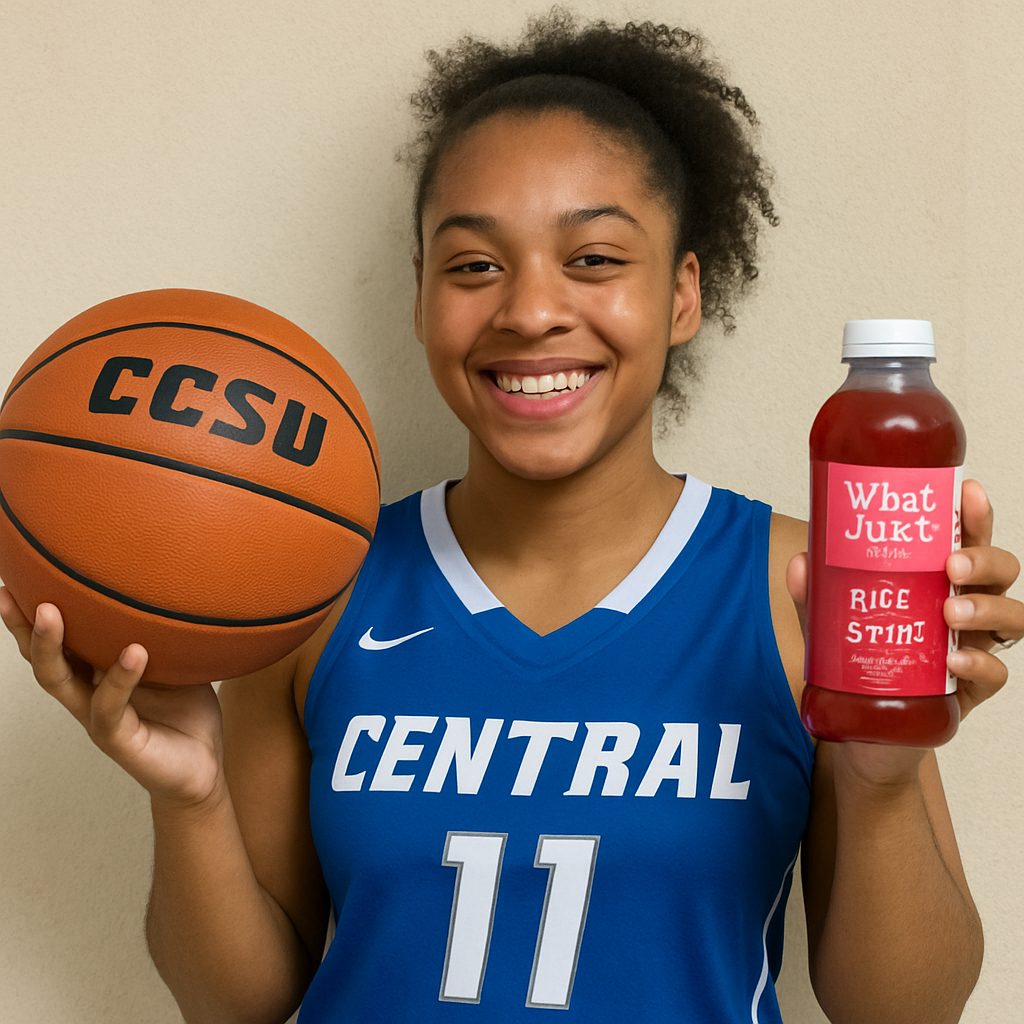
If you grab a slice in downtown New Britain, you might spot a student-athlete promoting the shop on social media, marking a new era for Blue Devils sports. This scenario reflects a massive shift in amateur athletics driven by evolving Central Connecticut State University NIL deals.
For decades, strict amateurism prohibited this income, but a recent Supreme Court ruling changed the playbook. NIL—Name, Image, and Likeness—simply grants students the right to profit from their personal brand. Unlike professional salaries where teams pay players to compete, these earnings come strictly from outside endorsements rather than the university.
While Northeast Conference NIL rules and regulations seem complex, the impact is practical. Local businesses can now partner directly with athletes, turning campus stars into neighborhood entrepreneurs.
Summary
CCSU student-athletes can now monetize their name, image, and likeness through community-scale partnerships that require real deliverables, with most deals modest in size and focused on local impact. Success hinges on compliance disclosures, fair-market value, tax planning, and respecting trademark limits, while international students face additional visa restrictions. Independent collectives and NIL marketplaces help coordinate appearances and charity work within NCAA rules, aiding talent retention. Businesses and fans can engage by hiring athletes or supporting the collective, fostering financial literacy and career skills that last beyond college.
Why the ‘NIL’ Era Means More Than Just Money for Blue Devil Athletes
While national headlines often obsess over million-dollar quarterback contracts, the reality in New Britain looks quite different. Central Connecticut State University competes in the Northeast Conference (NEC), a “mid-major” environment where deals are less about luxury cars and more about genuine community connection. Unlike the massive athletic budgets seen in the Big Ten or SEC, the Northeast Conference NIL rules and regulations emphasize accessible partnerships that fit the scale of our region. This isn’t just a smaller version of professional sports; it is a localized economy where local visibility and reputation matter more than viral fame.
Earning income here requires actual work, adhering to the critical principle of “fair exchange.” A player cannot simply be paid for being on the roster; they must provide a service, such as signing autographs at a car dealership or promoting a downtown pizza shop on social media. This requirement effectively turns the locker room into a business classroom. By managing contracts and deliverables, players engage in real-world student-athlete personal brand development, gaining entrepreneurial skills that will serve them long after their playing eligibility expires.
Many fans naturally ask: how much do mid-major athletes earn from NIL? For most Blue Devils, the answer is supplementary income—enough for textbooks, groceries, or a modest savings account—rather than life-changing wealth. This grounded financial reality makes the system surprisingly approachable for New Britain merchants who might otherwise assume sports marketing is entirely out of their budget.
How Local New Britain Businesses Can Start a Blue Devils NIL Partnership
For many shop owners in New Britain, the barrier to entry for sports marketing has vanished, creating exciting local business opportunities with New Britain athletes. You do not need a corporate advertising department to collaborate with a CCSU player; in fact, the most successful partnerships often start with a simple conversation. Whether you own a deli on Stanley Street or a hardware store downtown, the goal is finding a player whose personality matches your brand’s vibe.
To ensure the deal benefits both parties and keeps the athlete eligible, follow this simple framework on how to start a Blue Devils NIL partnership:
- Connect: Reach out via social media or an exchange platform like Opendorse.
- Define the Work: Agree on specific deliverables—such as two Instagram posts or a one-hour appearance at your store—in exchange for a set fee or product.
- Disclose: Remind the athlete that they must report the deal to the CCSU compliance office before performing the work.
Budgeting for these collaborations is surprisingly flexible, often mirroring the cost of a small local newspaper ad rather than a TV spot. While star quarterbacks at major universities might command five figures, effective endorsements at the mid-major level frequently range between $100 and $1,000. This tier allows businesses to experiment with “micro-influencer” marketing, tapping into the athlete’s loyal local following without breaking the bank.
However, there is one crucial rule regarding the visuals: hiring the athlete does not grant you the rights to the uniform. Under Central Connecticut State University athletics brand guidelines, businesses cannot use the official Blue Devil logo or CCSU trademarks in advertisements without a separate licensing agreement. While navigating these individual intellectual property rules works for direct deals, some donors prefer a model that handles the logistics for them.
The Difference Between Individual Endorsements and the Blue Devils NIL Collective
While a local shop hiring a linebacker constitutes a direct partnership, the landscape also includes broader support systems like Collectives. A collective acts like a community pot where fans pool money to pay athletes for charity work or appearances. This model allows supporters to financially back the team without needing to own a business or manage a complex marketing contract.
CCSU cannot legally broker these deals or pay athletes directly due to strict NCAA rules. Consequently, independent third-party groups are essential for retention in the Northeast Conference. By aggregating donor resources, the collective ensures student-athletes receive fair compensation, helping the university keep talent that might otherwise transfer to schools with deeper pockets.
Technology helps facilitate these transactions seamlessly. Most groups utilize the top NIL marketplaces for NEC athletes to process payments and verify that the work occurs. Regardless of whether the funding comes from a collective or a hardware store, every dollar earned triggers specific responsibilities regarding financial reporting and eligibility.
Navigating the Rulebook: Disclosure, Taxes, and Scholarship Safety

Making money is exciting, but keeping the right to wear the Blue Devil jersey is paramount. For every sponsorship secured, NCAA compliance for CCSU student-athletes mandates complete transparency to ensure the deal doesn’t violate rules regarding gambling or pay-for-play. Athletes generally use a specialized app to submit a disclosure form before performing any work, acting as a safeguard for their playing season.
To maintain eligibility, the compliance office reviews the agreement to confirm it represents a genuine business transaction rather than an illegal recruiting lure. The submission must explicitly list:
- Effective Date: When the contract begins and ends.
- Parties Involved: Who is paying (e.g., a New Britain business or collective).
- Compensation: The exact amount of money or value of free gear received.
- Services Rendered: What the athlete must actually do (e.g., an autograph signing).
Beyond university rules, the IRS treats these earnings just like income for a freelance consultant. Because no taxes are withheld upfront, tax obligations for college athletes in Connecticut can lead to a surprise bill if they don’t set aside a portion of their 1099 income. While athletic scholarships are safe, these steps to disclose name image and likeness contracts reveal how new income streams might complicate financial aid forms and visa requirements for international teammates.
Unique Challenges for International Blue Devils and Financial Literacy Needs
For Blue Devils hailing from overseas, earning money involves significant legal hurdles. Since F-1 visas prohibit most off-campus employment, the answer to can international student athletes sign NIL agreements is largely restricted to passive income. Unlike their domestic teammates, international students generally cannot actively coach clinics or pose for commercial photoshoots while in the U.S. without risking their residency status.
Navigating these regulations requires significant educational support. To prevent costly mistakes, the department emphasizes financial literacy training for CCSU sports teams. This education teaches young adults how to interpret contracts and manage taxes, ensuring the most valuable asset gained isn’t just the paycheck, but the professional maturity required to keep it.
Mastering the legal requirements for Connecticut collegiate NIL deals ultimately prepares students for life after graduation. Whether they become pro athletes or accountants, these business lessons provide a career head start.
Your 3-Step Action Plan to Support CCSU Athletics Through NIL
Instead of seeing paid athletes as a distant concept, recognize them as the local entrepreneurs wearing Blue Devil blue. This shifts you from a passive spectator to an active participant in the New Britain sports economy.
If you own a business, consider hiring a student-athlete to amplify your brand. For fans, supporting the collective ensures the program thrives. While these earnings remain separate from the impact of NIL income on athletic scholarships, your involvement directly helps CCSU retain top talent in the Northeast Conference.
Next time you visit Detrick Gym, look beyond the scoreboard. You are supporting the next generation of community leaders. The game has evolved, and now you have the playbook to help CCSU win on and off the field.
Learn More About the NIL Landscape
Name, Image, and Likeness plays an increasing role in college sports, and understanding how it works often requires more than individual articles or news updates.
RallyFuel is a platform focused on NIL-related topics across college athletics. It brings together information about athletes, NIL activity, and the broader structure behind modern college sports, helping readers explore the topic in more depth.
👉 Explore the Athletes on RallyFuel – Discover top college athletes, compare NIL valuations, and dive deeper into the world of NIL.
Q&A
Question: What is NIL at CCSU, and how is it different from being “paid to play”?
Short answer: NIL (Name, Image, and Likeness) allows CCSU student‑athletes to earn money from their personal brand through outside endorsements—like social posts, autograph signings, or appearances—rather than being paid by the university to compete. In the NEC’s mid‑major landscape, these are community‑scale, fair‑exchange deals that require real deliverables and are focused on local impact, not professional-style salaries.
Question: How can a New Britain business start a NIL partnership with a Blue Devil, and what should they budget?
Short answer: Start simple: (1) Connect via social media or a marketplace like Opendorse, (2) Define clear deliverables (e.g., two Instagram posts or a one‑hour in‑store appearance) for a set fee or product, and (3) Disclose—the athlete must report the deal to CCSU compliance before doing any work. Budgets often mirror a small local newspaper ad; effective mid‑major endorsements commonly range from about $100 to $1,000, tapping the athlete’s micro‑influencer reach. Hiring an athlete does not grant rights to CCSU logos or uniforms—using official marks requires a separate licensing agreement under athletics brand guidelines.
Question: What disclosures keep athletes eligible, and how do taxes and scholarships factor in?
Short answer: Before performing any NIL work, athletes typically submit a disclosure via a compliance app listing the effective dates, parties involved, compensation, and services rendered. CCSU/NCAA compliance reviews to prevent gambling ties, pay‑for‑play, or recruiting inducements and to ensure it’s a genuine business transaction. Earnings are usually 1099 income with no withholding, so athletes should set aside money for taxes and expect standard IRS reporting; scholarships remain safe, though NIL income can affect financial aid forms. International teammates face additional visa‑related limits.
Question: What’s the difference between individual endorsements and the Blue Devils NIL collective, and how can fans participate?
Short answer: A direct endorsement is a business hiring an athlete for specific deliverables. A collective is an independent, third‑party group that pools fan and donor funds to compensate athletes for charity work or appearances. CCSU cannot broker deals or pay athletes directly, so collectives and NIL marketplaces help process payments and verify work—supporting athlete retention in the NEC. Fans can contribute to the collective or engage athletes directly through approved platforms.
Question: Can international CCSU student‑athletes do NIL deals?
Short answer: International athletes on F‑1 visas face strict limits on off‑campus employment. They are generally restricted to passive income arrangements and typically cannot perform active, U.S.‑based work like coaching clinics or commercial photoshoots without risking status. They should seek guidance before engaging in NIL to stay compliant with visa rules and university/NCAA policies.




Leave a Comment