
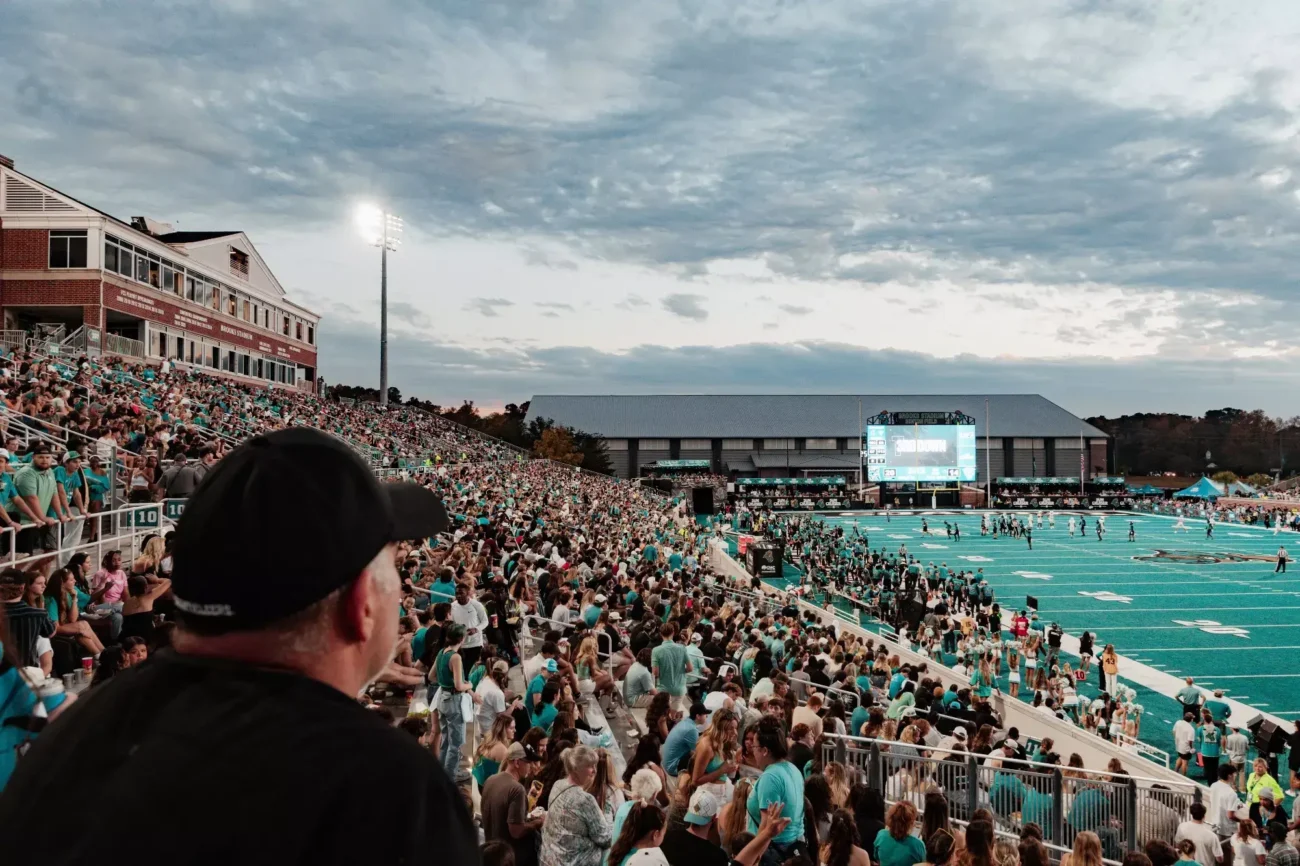
Nothing matches the electric energy of a Saturday afternoon at Brooks Stadium. Yet, the biggest game-changer for Chanticleer athletics is currently happening off the field. Next time you spot a star quarterback on a Conway billboard, you are witnessing the new reality of Name, Image, and Likeness (NIL).
For decades, accepting a free pizza for an autograph was strictly forbidden. Today, Coastal Carolina NIL deals function more like a modern paper route. According to recent NCAA rule changes, athletes simply provide a marketing service—like promoting a Grand Strand surf shop—rather than collecting an unearned team salary.
Why does this local backing matter so much? In practice, these community partnerships are the exact mechanism preventing our brightest stars from transferring to larger conferences.
Summary
Coastal Carolina’s NIL landscape centers on athletes earning fair market value for real promotional services, not salaries. Community-driven support—especially through the Teal Collective—aggregates donations to create opportunities that retain talent and deter transfers. Conway businesses can run compliant, effective campaigns (including in-kind deals) by aligning with athletes, defining deliverables, and reporting to CCU. Robust compliance, tax awareness, and financial literacy protect athletes and the program, fueling long-term competitive stability.
From Paper Routes to Post-Game Posts: How NIL Actually Works for CCU Athletes
When CCU athletes monetize their name, image, and likeness, it usually involves exchanging a service—like a sponsored Instagram post for a Conway pancake house—for a fair market rate. Local businesses pay the athlete exactly what that promotional work is worth to their brand, rather than simply handing out unearned salaries.
Navigating these agreements means understanding the local rules of the road. While the national governing body tries to build a single highway for everyone, comparing South Carolina state NIL laws to NCAA rules shows that our state sets the specific speed limits. This legal framework ensures that every Coastal Carolina NIL deal stays above board, protecting both the local business owner and the student.
Crucially, these partnerships extend far beyond the star quarterback. A standout women’s volleyball player or a hardworking baseball walk-on can just as easily team up with a local retail shop. Everyday fans also play a crucial role in keeping this amazing talent right here in town through collective community efforts.
The Teal Collective: Why Your ‘Community Pot’ Donation Matters
Imagine wanting to help the team win, knowing a fifty-dollar donation cannot fund a massive billboard campaign. This is exactly why independent organizations like the Teal Collective operate entirely outside the university’s official athletic department. Gathering smaller contributions into a shared “community pot” generates the substantial Name, Image, and Likeness opportunities in the Sun Belt Conference that keep Coastal Carolina competitive with bigger schools.
Protecting our standout athletes from the transfer portal requires reliable financial backing, making resource pooling the ultimate defense. Collectives aggregate funds in three primary ways: combining individual fan subscriptions, securing large-scale donor contributions, and organizing local community fundraising events. When evaluating the Teal Collective vs other Sun Belt collectives, this unified local strategy ensures our top players never feel forced to leave Conway just to find fair compensation.
Supporting the roster opens doors that were previously off-limits to everyday fans. Supporters gain direct access to their favorite athletes through Chanticleer Collective membership benefits, which specifically include:
- Exclusive, limited-edition team apparel
- Player-led instructional clinics for local youth
- Behind-the-scenes digital content access
- Invitation-only tailgates
While these community-funded pools build a vital foundation for long-term roster stability, local commerce plays an equally important role in the modern sports ecosystem, offering Conway businesses clear paths to partner with student-athletes.
How Conway Businesses Can Sign a Chanticleer Spokesperson
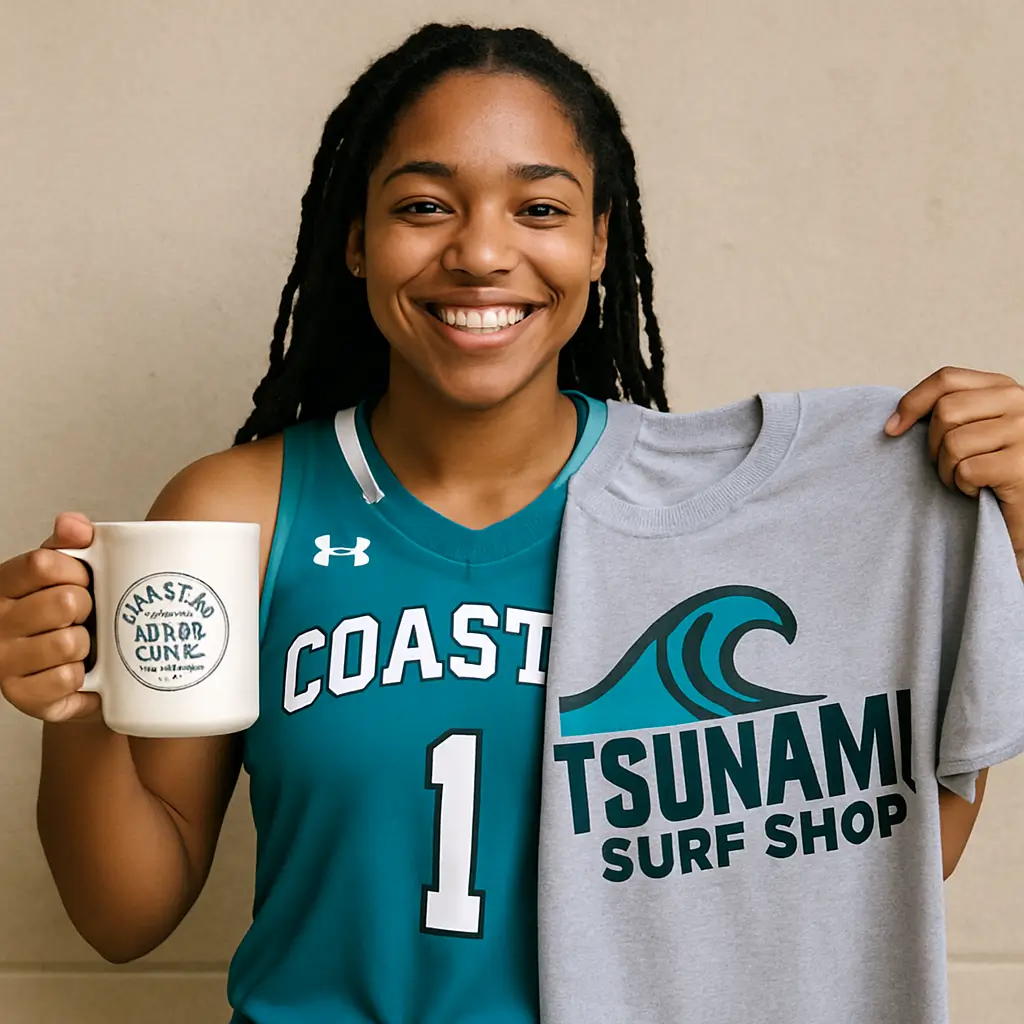
Partnering with a CCU athlete doesn’t require a massive corporate budget. Many local Conway businesses sponsoring Chanticleers find tremendous success through “in-kind” deals, where a player exchanges an Instagram post for tangible goods like free apparel or weekly meals at a local diner. This simple trade turns community support into a legitimate partnership.
When you start sponsoring Coastal Carolina baseball players or football stars, the golden rule is paying “Fair Market Value” (FMV)—meaning compensating them for their actual local social media reach rather than just handing over cash. Executing the best practices for collegiate brand partnerships in Myrtle Beach relies on this simple five-step process:
- Identify a player who naturally aligns with your brand.
- Determine your budget (whether that is $500 cash or $500 in merchandise).
- Draft a simple agreement outlining specific deliverables.
- Report the deal to CCU compliance to ensure everyone plays by the rules.
- Launch your local campaign.
Watching a hometown hero represent your storefront proves that the modern sports economy is accessible to everyone. To keep these partnerships safe and effective, stakeholders prioritize strict compliance, tax obligations, and financial literacy.
Protecting the Teal Brand: Compliance, Taxes, and Financial Literacy
Securing a partnership is exciting, but staying within the rules keeps players on the field. A Conway seafood shack can legally pay a linebacker for a commercial, but a business cannot offer cash merely to convince a high school recruit to commit to Coastal. That instantly crosses the line into an illegal recruiting inducement, making NCAA compliance for South Carolina college athletes the absolute foundation of a healthy program.
Uncle Sam also expects his share once the money changes hands. Because these partnerships function as genuine professional contracts, any student-athlete earning over $600 receives a 1099-NEC form. Navigating these tax obligations for college athlete endorsement income is critical so a star Chanticleer doesn’t unexpectedly owe thousands of dollars during spring training.
Real program stability requires teaching players how to handle their newly acquired wealth responsibly. Providing solid financial literacy for college sports endorsements ensures athletes feel genuinely supported off the field, drastically reducing their temptation to enter the transfer portal. This vital education protects their personal finances while reinforcing the foundation of the program.
Fueling the Future of the Grand Strand’s Team
You no longer have to view college sports sponsorships from the sidelines. By understanding how community backing drives player retention, boosts Conway’s local economy, and amplifies the impact of NIL on Chanticleer football recruiting, you realize every local partnership builds competitive stability.
Whether you own a Grand Strand business or just cheer on Saturdays, community backing drives long-term success. Reviewing the Coastal Carolina student-athlete branding guide to start a local partnership, or supporting community collectives, helps ensure these hometown athletes succeed both on the field and in the local economy.
Learn More About the NIL Landscape
Name, Image, and Likeness plays an increasing role in college sports, and understanding how it works often requires more than individual articles or news updates.
RallyFuel is a platform focused on NIL-related topics across college athletics. It brings together information about athletes, NIL activity, and the broader structure behind modern college sports, helping readers explore the topic in more depth.
Q&A
Question: What does NIL mean at Coastal Carolina, and how is it different from paying athletes a salary? Short answer: At CCU, NIL deals are exchanges of real marketing services for fair market value—think a sponsored Instagram post for a local diner or an appearance for a Conway retailer—not team salaries or pay-for-play. Any athlete can participate, from the star quarterback to a women’s volleyball standout or a baseball walk-on, and compensation can be cash or in-kind (meals, apparel) as long as it matches the value of the deliverables.
Question: How do South Carolina laws and NCAA rules work together for NIL at CCU? Short answer: The NCAA offers a national framework, but South Carolina sets the specific “speed limits,” so state law governs the details. Staying compliant means structuring deals as paid services at fair market value and reporting agreements to CCU compliance, which protects both local businesses and student-athletes.
Question: What is the Teal Collective, and why does donating matter? Short answer: The Teal Collective is an independent, community-driven fund that pools support—fan subscriptions, major gifts, and local fundraisers—into meaningful NIL opportunities. This reliable backing helps retain top players and deter transfers. Donors also get member perks like exclusive apparel, player-led youth clinics, behind-the-scenes content, and invitation-only tailgates.
Question: I run a small Conway business—how do I set up a compliant NIL deal? Short answer: Follow five steps: 1) pick an athlete who fits your brand; 2) set a budget (cash or equivalent merchandise/meals); 3) draft a simple agreement with clear deliverables; 4) report the deal to CCU compliance; 5) launch your campaign. Pay fair market value based on the athlete’s local reach and deliverables; in-kind deals are fine when they reflect the true value of the promotion.
Question: What are the key compliance and tax points to remember? Short answer: It’s legal to pay a CCU athlete for ads or appearances, but it’s illegal to offer benefits to sway a high school recruit—that’s a recruiting inducement. Athletes earning over $600 receive a 1099-NEC and must handle tax obligations. Promoting financial literacy helps athletes manage earnings responsibly and strengthens long-term roster stability.



Leave a Comment