
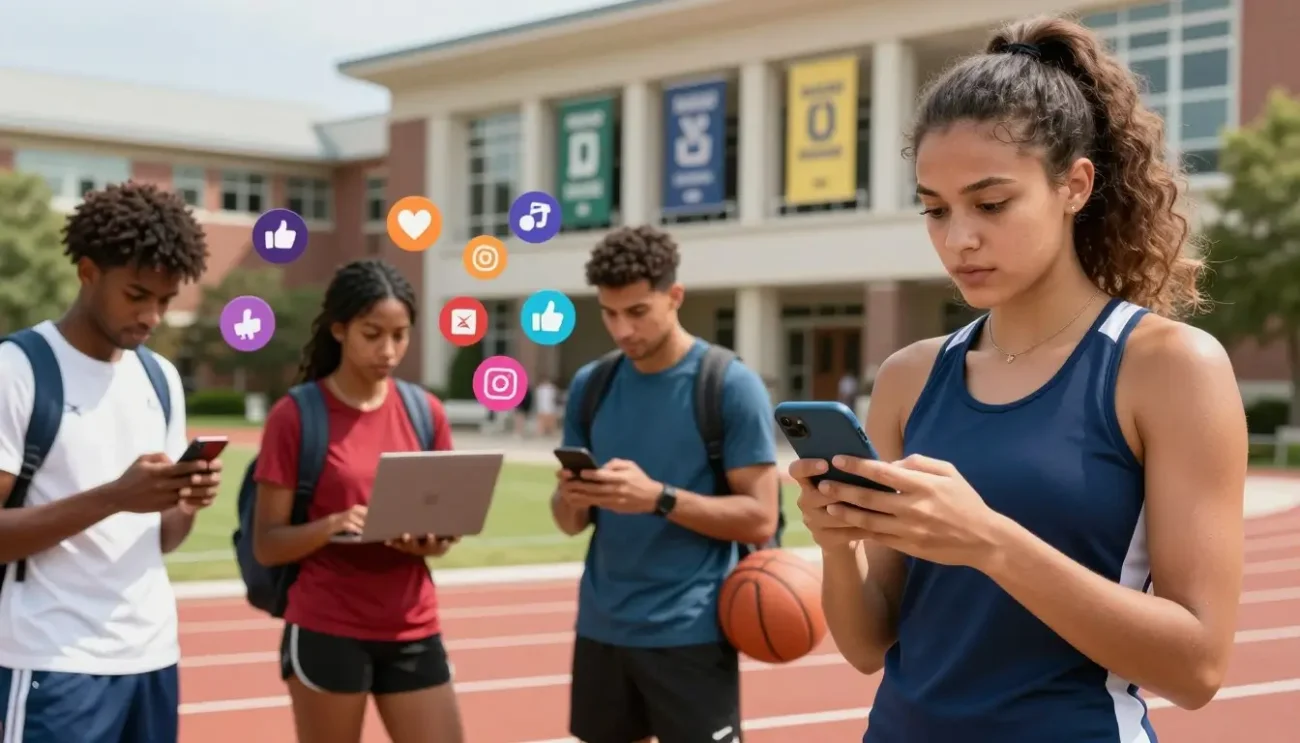
Sports culture is evolving rapidly across America today. Digital tools help athletes connect with fans through their personal accounts. Athletic creators are building unique brands that attract millions of followers.
This shift creates new paths for success beyond traditional games. Collegiate competition looks very different in this decade than before. We observe how individuals transform identities into powerful marketing engines.
You might notice stars appearing in ads during game breaks now. This visibility reflects a major shift in how fans connect with athletes. These opportunities allow players to secure their financial futures early.
You can witness how digital presence shapes professional careers today. We examine social media impact within collegiate sports ecosystems to understand these trends. Young creators use voices to inspire others while building lasting legacies.
Our team explores these changes to help you understand this modern era. Modern players recognize that value exists beyond physical skill alone. We provide guidance so you can appreciate how hard these talents work.
Every post or video helps build a bridge to loyal fans. Backing these stars helps strengthen sports communities everywhere. Together, we are watching a new chapter of athletic history unfold.
The Rise of College Athletes as Social Media Powerhouses
College athletes are now at the forefront of social media, leveraging their influence to build personal brands and connect with fans. The landscape of college sports has undergone a significant transformation, driven in part by the changing dynamics of social media and the evolving rules governing athlete compensation.
The NIL rule change in 2021 marked a pivotal moment in this evolution, allowing college athletes to profit from their name, image, and likeness. This shift has enabled athletes to capitalize on their social media presence, turning their influence into a valuable commodity.
As a result, college athletes are now considered significant players in the influencer marketing space. They have become adept at creating content that resonates with their audience, fostering a strong connection with fans and enhancing their personal brand.
Some key factors contributing to their rise as social media powerhouses include:
- Increased online presence: Athletes are now more visible than ever, with many boasting millions of followers across various platforms.
- Authenticity and relatability: Fans connect with athletes on a personal level, drawn to their stories, struggles, and triumphs.
- Diverse content creation: Athletes are leveraging various formats, from short-form videos to long-form posts, to engage their audience.
As we navigate this new landscape, it’s essential to understand the opportunities and challenges that come with it. The rise of college athletes as social media influencers has significant implications for the sports industry, from marketing and branding to fan engagement and athlete compensation.
How NIL Changed the Game for College Athlete Influencers
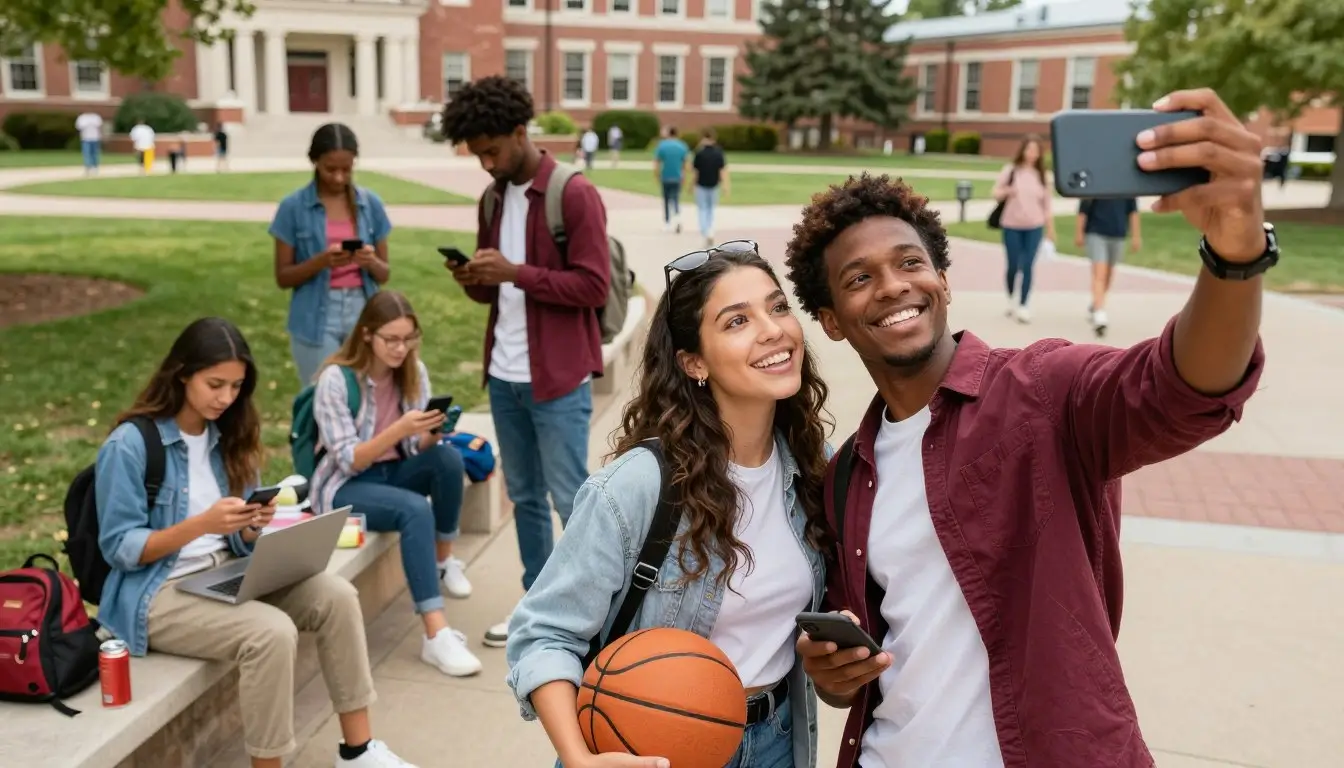
The introduction of the NIL rule in 2021 marked a seismic shift in the world of college athletics, empowering athletes to leverage their social media presence like never before. This change has opened up new avenues for college athletes to build their personal brands and secure endorsement deals, fundamentally altering the landscape of college sports.
The 2021 NIL Rule Change Revolution
The 2021 NIL rule change was a landmark moment, allowing college athletes to profit from their name, image, and likeness without jeopardizing their eligibility. This revolution has enabled athletes to:
- Monetize their social media following through sponsored content and endorsements
- Develop their personal brand, increasing their marketability and appeal to fans and sponsors alike
- Create and sell their own merchandise, further capitalizing on their popularity
Financial Opportunities Through Social Media Presence
With the NIL rule change, college athletes can now turn their social media presence into a significant source of income. By building a strong online following, athletes can attract brands looking to partner with influential figures in college sports. Key strategies include:
- Creating engaging content that resonates with their audience
- Leveraging their personal story to build a loyal fanbase
- Utilizing platforms like Instagram, TikTok, and YouTube to diversify their content and reach
As noted by Forbes, “The NIL era has brought a new level of financial opportunity to college athletes, with top performers able to earn significant sums through endorsements and social media partnerships.” This shift has not only benefited the athletes but has also changed the way brands approach marketing in college sports.
By embracing the opportunities presented by the NIL rule change, college athletes are now able to build lucrative careers as influencers, paving the way for a new generation of sports marketing professionals.
Dominant Social Media Platforms for College Athletes
The rise of social media has transformed the way college athletes engage with their audience, with several platforms emerging as particularly influential. As we explore the dominant social media platforms used by college athletes, it becomes clear that each platform offers unique opportunities for athletes to build their personal brands and connect with fans.
Instagram as the Primary Engagement Hub
Instagram has become a primary hub for college athletes to engage with their audience. With its visual-centric platform, athletes can share moments from their games, training sessions, and personal lives. You can see how athletes use Instagram Stories and Reels to provide behind-the-scenes insights into their world, fostering a deeper connection with their fans.
Key Features:
- Visual storytelling through posts and stories
- Interaction through comments and messages
- Utilization of hashtags to increase visibility
TikTok’s Explosive Growth Among Athletes
TikTok has seen explosive growth among college athletes, who leverage its short-form video format to showcase their personalities and athletic prowess. You can observe how athletes use TikTok to create entertaining and often viral content that resonates with a younger audience.
Key Features:
- Short-form videos that showcase creativity and humor
- Participation in trending challenges and hashtags
- Collaborations with other athletes and influencers
Twitter and YouTube for Long-Form Content
Twitter and YouTube serve as essential platforms for college athletes to share longer-form content and engage in real-time discussions. Twitter allows athletes to share their thoughts on various topics, from sports to social issues, while YouTube enables them to produce more in-depth content, such as vlogs and analysis.
Platform Comparison:
| Platform | Content Type | Engagement Style |
|---|---|---|
| Visual-centric posts and stories | Comments, direct messages, hashtags | |
| TikTok | Short-form videos | Comments, duets, trending challenges |
| Short-form text posts | Replies, retweets, hashtags | |
| YouTube | Long-form videos | Comments, likes, subscriptions |
By understanding the strengths of each platform, college athletes can develop a comprehensive social media strategy that enhances their online presence and fosters a strong connection with their fans. As you follow your favorite athletes on these platforms, you’ll notice how they’re using each one to share different aspects of their lives and build their personal brands.
The Most Influential College Athletes on Social Media
As social media continues to evolve, college athletes are emerging as key influencers, leveraging their talents and personalities to gain widespread recognition. These athletes are not only excelling in their respective sports but are also building significant followings across various social media platforms.
Olivia Dunne – LSU Gymnastics
Olivia Dunne, a gymnast at Louisiana State University (LSU), has become a prominent figure on social media. Her influence extends beyond her athletic prowess, showcasing her engaging personality and captivating content.
Follower Count and Platform Dominance
Dunne has amassed a substantial following on platforms like Instagram and TikTok. Her follower count has surpassed 4 million on Instagram, making her one of the most followed college athletes.
Content Strategy and Brand Appeal
Her content strategy includes a mix of gymnastics highlights, behind-the-scenes glimpses into her life as a student-athlete, and engaging interactions with her fans. This diverse content approach has contributed to her broad appeal and brand recognition.
Shedeur Sanders – Colorado Football
Shedeur Sanders, the quarterback for the University of Colorado, has quickly become a social media sensation. As the son of NFL Hall of Famer Deion Sanders, he brings a legacy and charisma that resonate with fans.
Social Media Reach and Engagement
Sanders has leveraged his football talent and family legacy to build a significant social media presence. He engages with his followers through various posts, including football highlights and personal updates.
Leveraging the Sanders Legacy
The Sanders name carries weight in the sports world, and Shedeur has capitalized on this legacy to enhance his social media profile. His ability to connect with fans and showcase his skills has made him a standout figure in college football.
Bronny James – USC Basketball
Bronny James, the son of NBA superstar LeBron James, has made a significant impact in his first year at the University of Southern California (USC). His social media presence is substantial, given his family background and his own basketball talent.
Cross-Platform Influence
James is active on multiple social media platforms, including Instagram and Twitter. He shares a variety of content, from basketball highlights to personal moments, engaging with his large and diverse following.
Celebrity Heritage and Personal Brand
As a member of the James family, Bronny brings a level of celebrity to his social media presence. However, he is also building his own personal brand, distinct from his family’s legacy, through his content and interactions.
Angel Reese – LSU Basketball
Angel Reese, a forward for the LSU women’s basketball team, has gained significant attention on social media. Her energetic personality and standout performances on the court have contributed to her growing popularity.
Viral Moments and Follower Growth
Reese has experienced rapid follower growth due to her viral moments on the court and engaging social media content. Her authenticity and confidence have resonated with fans, making her a beloved figure.
Cultural Impact and Authenticity
Reese’s social media presence is characterized by her authenticity and cultural relevance. She connects with her audience by sharing her experiences and perspectives, building a strong and engaged community.
Paige Bueckers – UConn Basketball
Paige Bueckers, a guard for the University of Connecticut (UConn) women’s basketball team, is another influential college athlete on social media. Her talent on the court is matched by her engaging online presence.
Multi-Platform Presence
Bueckers is active on several social media platforms, including Instagram and TikTok. She shares a range of content, from basketball highlights to personal stories, engaging with her fans and building a loyal following.
Brand Partnerships and Endorsements
Her social media influence has attracted various brand partnerships and endorsement opportunities. Bueckers’ authentic and relatable online persona has made her an attractive partner for brands looking to connect with younger audiences.
Key Strategies Behind Their Social Media Success
College athletes have become social media powerhouses by leveraging a combination of authenticity, strategic content creation, and fan engagement. These strategies have enabled them to build a massive following and establish themselves as influencers in the sports industry.
Authenticity and Personal Storytelling
One of the primary reasons college athletes have been successful on social media is their ability to share their authentic selves with their audience. By being genuine and transparent, they build trust with their fans, creating a loyal community around their personal brand.
For instance, Olivia Dunne, the LSU gymnast, has used her platform to share her experiences as a student-athlete, showcasing her training regimens, competitions, and personal life. This authenticity has endeared her to fans and helped her build a massive following.
“Social media has given me a platform to share my story and connect with people in a way that I never thought possible.” – Olivia Dunne
Consistent and Strategic Content Creation
Consistency is key when it comes to social media success. College athletes understand the importance of regularly posting high-quality content that resonates with their audience. This can include a mix of promotional, educational, and entertaining content that showcases their personality and expertise.
A strategic content calendar helps athletes plan and schedule their posts in advance, ensuring that they maintain a consistent aesthetic and tone across their social media platforms.
| Content Type | Platform | Engagement Level |
|---|---|---|
| Promotional | High | |
| Educational | YouTube | Medium |
| Entertaining | TikTok | High |
By building meaningful connections with fans, athletes can create a loyal following that stays with them throughout their careers and beyond.
Brand Partnerships and Endorsement Opportunities
The emergence of college athletes as social media influencers has opened up new avenues for brand partnerships and endorsements. As a result, we’re seeing a significant shift in how brands approach marketing in the sports industry.
College athletes are now considered valuable partners due to their large followings and the engagement they generate on social media platforms. This new era of athlete endorsements is driven by the Name, Image, and Likeness (NIL) rule changes, which have enabled athletes to profit from their personal brands.
Major Brand Collaborations and Deals
Several college athletes have already secured major brand collaborations, showcasing the potential for lucrative partnerships. For instance, athletes like Olivia Dunne and Shedeur Sanders have partnered with well-known brands, leveraging their social media presence to promote products and services.
These collaborations not only benefit the athletes financially but also provide brands with access to a highly engaged and targeted audience. The key to successful partnerships lies in aligning the athlete’s personal brand with the brand’s values and marketing goals.
| Athlete | Brand | Partnership Details |
|---|---|---|
| Olivia Dunne | Nike | Promoted athletic wear through social media posts |
| Shedeur Sanders | Boost Mobile | Featured in a commercial campaign highlighting the athlete's social media influence |
| Bronny James | Adidas | Partnered for a social media campaign focusing on basketball gear |
Revenue Potential in the NIL Era
The NIL era has significantly increased the revenue potential for college athletes through endorsements and brand partnerships. Athletes can now monetize their social media presence, creating a new stream of income that was previously unavailable.
According to recent estimates, top college athletes can earn between $100,000 to over $1 million annually from endorsement deals. This potential for significant earnings is attracting more athletes to build their personal brands on social media.
As the sports marketing landscape continues to evolve, we can expect to see more innovative and lucrative brand partnerships with college athletes. By understanding the factors that contribute to successful partnerships, both athletes and brands can maximize their opportunities in this new era of influencer marketing.
The Cultural and Athletic Impact of College Athletes on Social Media
The cultural and athletic impact of college athletes on social media is multifaceted and far-reaching. As we explore this influence, it becomes clear that their online presence extends beyond mere popularity, contributing significantly to modern sports culture, inspiring the next generation of athletes, and altering the landscape of college sports recruitment.
Shaping Modern Sports Culture
College athletes are at the forefront of shaping modern sports culture through their social media activities. They are not just athletes; they are influencers who help set trends, promote sports-related products, and bring attention to social issues. Their ability to connect with fans helps humanize the athlete persona, making sports more accessible and relatable to a broader audience.
Key aspects of their influence include:
- Promoting sports culture through their achievements and personal stories
- Influencing fan engagement and community building around sports events
- Participating in and bringing attention to social causes, thereby fostering a more socially conscious sports culture
Inspiring Youth and Future Athletes
College athletes serve as role models for young aspiring athletes. Through their social media presence, they share their journeys, struggles, and successes, providing inspiration and motivation. By showcasing the realities of being a student-athlete, they offer a realistic perspective that can inspire youth to work towards their athletic goals.
Their influence on youth is evident in several areas:
- Sharing training regimens and tips, helping young athletes improve their skills
- Discussing the importance of education alongside athletic pursuits, promoting a balanced lifestyle
- Highlighting the value of perseverance and hard work in achieving athletic success
Transforming College Sports Recruitment
The social media presence of college athletes is also transforming the way colleges recruit new talent. Potential recruits can now gain insights into a college’s athletic culture and community through the social media accounts of current athletes. This transparency can significantly influence a recruit’s decision-making process.
The recruitment process is being reshaped in the following ways:
- Prospective athletes can connect with current team members through social media, gaining a firsthand look at team dynamics
- Coaches and recruiters can assess a potential recruit’s social media presence as part of the evaluation process
- Colleges are using social media to showcase their athletic programs and facilities, attracting top talent
Conclusion
As college athlete influencers continue to shape modern sports culture, their impact extends beyond the playing field. The NIL rule change has empowered these athletes to build personal brands, connect with fans, and create new opportunities for themselves and their partners.
We have seen how athletes like Olivia Dunne, Shedeur Sanders, and Bronny James have become household names, using platforms like Instagram, TikTok, and YouTube to engage with their audiences. Their success stories demonstrate the potential for college athletes to turn their passion into a career, both on and off the field.
As the sports industry continues to evolve, understanding the role of college athlete influencers will be crucial. By embracing this new landscape, we can build a more connected community that benefits both athletes and fans alike. The future of college sports is being written, and college athlete influencers are at the forefront of this change, driven in part by the opportunities created by the NIL rule change.
Learn More About the NIL Landscape
Name, Image, and Likeness plays an increasing role in college sports, and understanding how it works often requires more than individual articles or news updates.
RallyFuel is a platform focused on NIL-related topics across college athletics. It brings together information about athletes, NIL activity, and the broader structure behind modern college sports, helping readers explore the topic in more depth.
FAQ
What exactly is NIL and how did the 2021 rule change impact college sports?
NIL stands for Name, Image, and Likeness. Prior to July 2021, the NCAA prohibited student-athletes from earning money from their personal brand. The landmark rule change now allows athletes to accept sponsorship deals, engage in influencer marketing, and receive compensation for appearances. We have seen this revolutionize the industry, turning collegiate stars into savvy entrepreneurs while they are still in school.
Who are currently some of the most influential college athletes on social media?
Several athletes have set the gold standard for digital influence. Olivia Dunne from LSU Gymnastics leads with a massive cross-platform following, while Shedeur Sanders at Colorado has masterfully leveraged his family legacy alongside his own athletic performance. Other powerhouses include USC’s Bronny James, LSU’s Angel Reese, and UConn’s Paige Bueckers, all of whom have secured major brand partnerships with global companies like Nike and Gatorade.
Which social media platforms are best for athlete brand growth?
We recommend a multi-platform approach, but each serves a unique purpose. Instagram remains the primary hub for high-quality visual storytelling and polished brand collaborations. TikTok is essential for explosive growth and reaching younger demographics through viral trends. Meanwhile, X (formerly Twitter) and YouTube are excellent for long-form content, professional updates, and building deeper brand equity with fans and recruiters.
How do these athletes balance their training schedules with content creation?
Success in the NIL era requires exceptional time management and strategic content creation. Many top-tier athletes use “behind-the-scenes” footage to maintain authenticity without disrupting their practice. By documenting their daily routines, they provide value to their fans while staying focused on their athletic commitments. We often see athletes batching their content or working with specialized agencies to ensure their digital presence remains consistent.
Can athletes in “non-revenue” sports still find financial opportunities through NIL?
Absolutely. While football and basketball often dominate the headlines, the NIL landscape is incredibly inclusive. Athletes in sports like gymnastics, track and field, and volleyball—such as the stars at LSU or Nebraska—often see higher engagement rates on social media. This high engagement is often more valuable to brands than raw follower counts, allowing diverse athletes to secure lucrative sponsorships and local endorsements.
How has social media changed the recruitment process for future college stars?
Social media has transformed recruitment into a two-way street. Not only do coaches scout talent online, but recruits also evaluate schools based on how well they help athletes develop their personal brands. Universities that provide robust resources for NIL education and content production are now at a significant advantage when competing for the nation’s top high school prospects.

Leave a Comment