
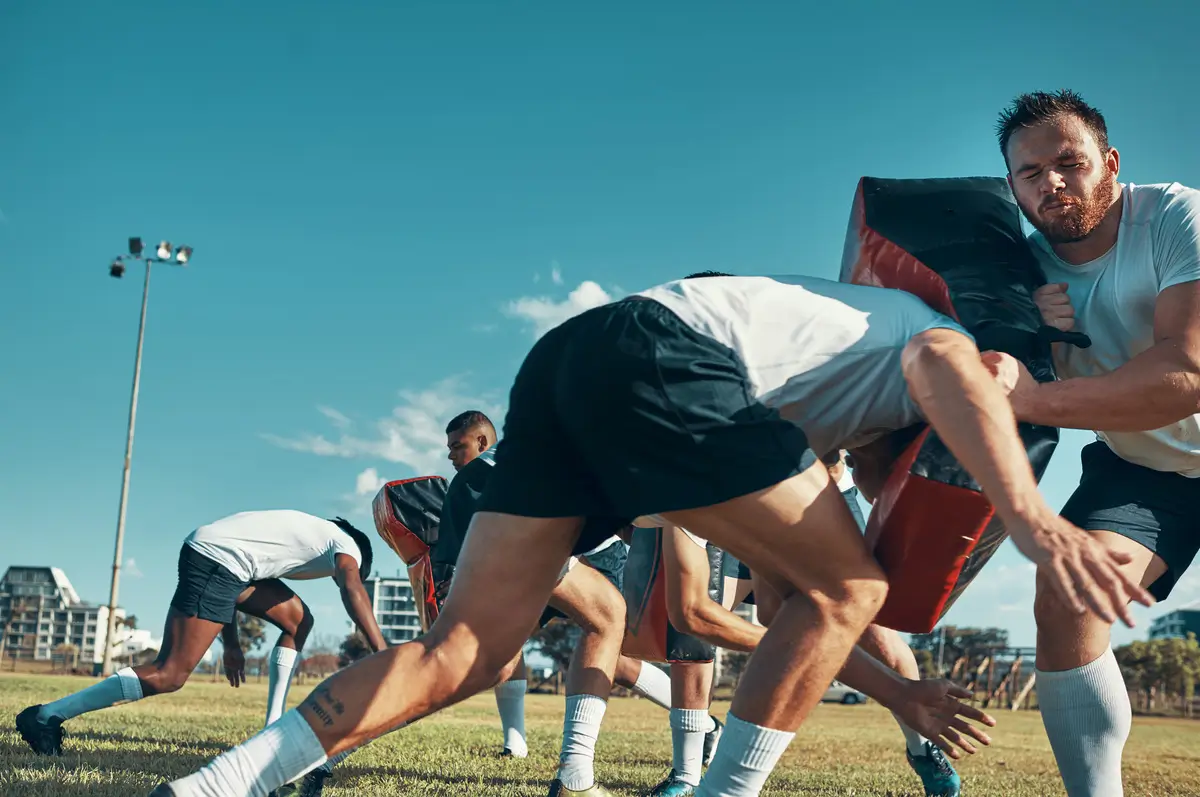
The landscape of college athletics is evolving rapidly, driven by technological advancements and changing student-athlete needs. Colleges are seeking innovative solutions to stay competitive and provide the best possible experiences for their athletes. In this article, we delve into the latest trends in athletic solutions for colleges, highlighting how these trends are shaping the future of college sports.
Emphasis on Data Analytics in Athletic Training Programs
In recent years, data analytics has become a cornerstone of athletic training programs. Colleges are increasingly using data to track athlete performance, monitor health metrics, and optimize training regimens. By analyzing detailed data, coaches can tailor training to the individual needs of athletes, enhancing performance and reducing the risk of injury.
Wearable Technology
Wearable technology plays a crucial role in data collection. Devices like heart rate monitors, GPS trackers, and fitness bands provide real-time insights into an athlete’s physical condition. This data helps coaches make informed decisions about training intensity and recovery times, ensuring athletes are in peak condition for competitions.
Performance Metrics and Feedback
Colleges are also leveraging software platforms that integrate performance metrics, allowing for a comprehensive view of an athlete’s development. These platforms often include video analysis tools, enabling coaches to provide visual feedback to athletes, helping them improve techniques and strategies effectively.
Enhanced College Sports Management with Technology
The management of college sports programs has seen significant improvements with the integration of technology. From scheduling to compliance, technology is streamlining operations and enhancing communication between departments.
Centralized Management Systems
Many colleges are adopting centralized management systems that consolidate all aspects of sports administration. These systems facilitate efficient scheduling, budget management, and compliance tracking, allowing athletic departments to focus more on athlete development rather than administrative tasks.
Communication Platforms
Improved communication platforms are bridging the gap between athletes, coaches, and administrators. These platforms offer seamless communication channels for sharing schedules, updates, and important announcements, ensuring everyone is on the same page.
Focus on Athlete Well-being
Athlete well-being is a top priority for college athletic programs. Institutions are investing in solutions that support the physical and mental health of their athletes.
Mental Health Support
Recognizing the pressures faced by student-athletes, colleges are providing more mental health resources. This includes access to sports psychologists, mental health workshops, and stress management programs. By prioritizing mental health, colleges aim to foster a supportive environment for athletes.
Nutrition and Recovery
Nutrition and recovery are integral to athlete well-being. Colleges are employing nutritionists to design meal plans that meet the specific needs of athletes, ensuring they have the energy and nutrients necessary for peak performance. Additionally, recovery programs, including physiotherapy and massage therapy, are emphasized to help athletes recover effectively from intense training sessions.
Sustainability in College Athletic Solutions
Sustainability is becoming a key consideration in the development of athletic solutions. Colleges are implementing eco-friendly practices in their athletic programs to reduce their environmental impact.
Green Sports Facilities
Many institutions are investing in green sports facilities, incorporating energy-efficient technologies and sustainable materials in their construction. These facilities not only reduce the carbon footprint but also set a positive example for athletes and the community.
Eco-friendly Equipment
The use of eco-friendly equipment is gaining traction. From recycled materials in uniforms to biodegradable products for field maintenance, colleges are finding innovative ways to make their athletic programs more sustainable.
The Role of Virtual Reality in Training
Virtual reality (VR) is revolutionizing the way athletes train. By simulating real-game scenarios, VR provides athletes with immersive training experiences that enhance their skills and decision-making abilities.
VR for Skill Development
VR technology allows athletes to practice techniques in a controlled environment, providing instant feedback on their performance. This innovative approach helps athletes refine their skills without the physical strain of traditional training methods.
Injury Rehabilitation
Injury rehabilitation is another area where VR is making an impact. Through virtual simulations, injured athletes can engage in rehabilitation exercises tailored to their specific needs, promoting quicker recovery.
Collaborative Efforts in College Athletic Solutions
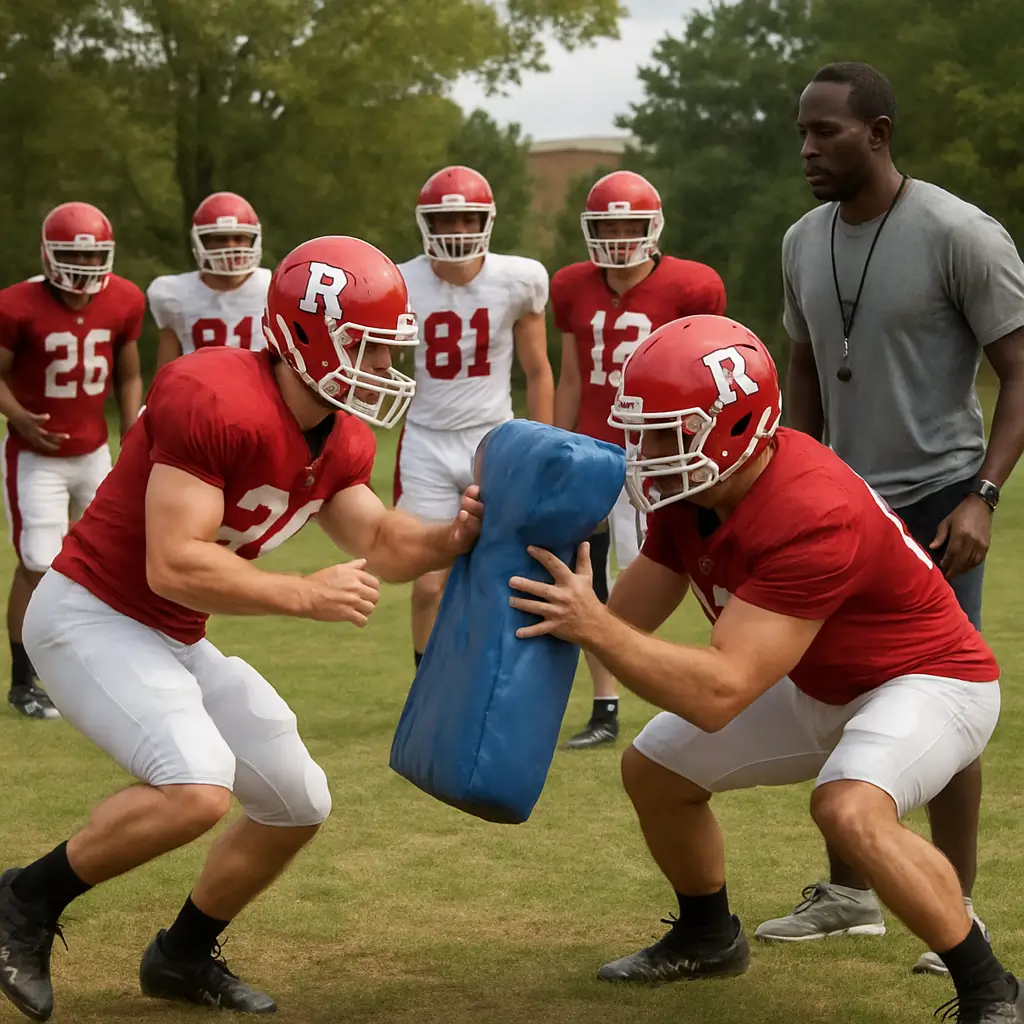
Collaboration between colleges, technology companies, and sports organizations is fostering the development of advanced athletic solutions. These partnerships are driving innovation and ensuring that college athletic programs remain at the cutting edge.
Partnerships with Tech Companies
Colleges are teaming up with tech companies to develop customized solutions that address specific athletic program needs. These collaborations result in the creation of tools and platforms that enhance training, management, and athlete support.
Research and Development Initiatives
Research and development initiatives are crucial for advancing athletic solutions. Colleges are investing in research to explore new technologies and methodologies that can benefit their athletic programs, ensuring continuous improvement and adaptation to emerging trends.
Conclusion
The latest trends in athletic solutions for colleges are reshaping the landscape of college sports. By embracing data analytics, enhancing management practices, prioritizing athlete well-being, committing to sustainability, and leveraging cutting-edge technologies like VR, colleges are setting new standards in athletic excellence. As these trends continue to evolve, the future of college athletics promises to be more dynamic, inclusive, and impactful than ever before.
Frequently Asked Questions
Question: How is data analytics transforming college athletic training?
Short answer: Colleges are using detailed performance and health data to tailor training to each athlete, improving outcomes and reducing injury risk. Wearable devices like heart rate monitors, GPS trackers, and fitness bands provide real-time insights that guide training intensity and recovery. Software platforms integrate performance metrics and video analysis, enabling coaches to deliver visual, actionable feedback to refine techniques and strategies.
Question: What technologies and partnerships are improving athletic department operations?
Short answer: Centralized management systems now consolidate scheduling, budgeting, and compliance, freeing staff to focus more on athlete development. Enhanced communication platforms keep athletes, coaches, and administrators aligned with seamless updates and announcements. Beyond tools, colleges are partnering with technology companies to create customized solutions and investing in research and development to drive continual innovation across training, management, and athlete support.
Question: How are colleges supporting athlete well-being beyond physical training?
Short answer: Institutions are expanding mental health resources—such as access to sports psychologists, workshops, and stress management programs—to address the pressures student-athletes face. They’re also prioritizing nutrition and recovery by employing nutritionists to design sport-specific meal plans and emphasizing recovery services like physiotherapy and massage therapy to help athletes rebound effectively from intense sessions.
Question: What does sustainability look like in college athletic programs today?
Short answer: Many colleges are building or retrofitting green sports facilities that use energy-efficient technologies and sustainable materials, reducing their carbon footprint and modeling responsible practices. They’re also adopting eco-friendly equipment, from uniforms made with recycled materials to biodegradable products for field maintenance, aligning athletic performance with environmental stewardship.
Question: How is virtual reality (VR) being used in college sports?
Short answer: VR enables immersive, game-like training scenarios that sharpen skills and decision-making while reducing physical strain. Athletes receive instant feedback to refine techniques in a controlled setting. VR also supports injury rehabilitation by guiding athletes through tailored virtual exercises, helping promote a quicker, more targeted recovery.
Learn More About the NIL Landscape
Name, Image, and Likeness plays an increasing role in college sports, and understanding how it works often requires more than individual articles or news updates.
RallyFuel is a platform focused on NIL-related topics across college athletics. It brings together information about athletes, NIL activity, and the broader structure behind modern college sports, helping readers explore the topic in more depth.


Leave a Comment