

What if you could earn a six-figure income before you even graduated college—not by starting a company, but by playing golf? For a new generation of athletes, this is no longer a dream. Thanks to new rules that have completely reshaped the landscape of college sports, student golfers are signing major deals with brands ranging from equipment giants to local restaurants.
This new world is called “NIL,” which stands for Name, Image, and Likeness. In simple terms, it’s the right for a college athlete to get paid for their personal brand, much like a local celebrity might earn a fee to appear at a car dealership’s grand opening. For decades, NCAA rules strictly prohibited any such earnings, making this 2021 change a monumental shift for every college athlete. In short, this article spotlights top college golf NIL deals within nil college sports and the kinds of golf endorsement deals that are increasingly common.
While multi-million dollar deals for quarterbacks often make the headlines, the world of NIL college sports is creating a quiet goldrush on the golf course. Industry data reveals that top golfers are securing six-figure valuations by leveraging their professional appearance and connection to an affluent audience. From social media posts to equipment sponsorships, here’s a look at who’s cashing in and how it all works. In the broader conversation about college athlete NIL, golf is emerging as one of the most strategic spaces for brands and athletes alike.
Who Are College Golf’s Top NIL Earners?
With the floodgates open, the natural question is: who’s making the most money? While exact contract details are often private, industry insiders calculate an athlete’s “NIL valuation”—an estimated total of what they could earn from their name, image, and likeness. This figure isn’t a salary, but rather a projection of their market power based on their performance, social media following, and personal brand. Within the broader college athlete NIL ecosystem, these projections help explain why certain golfers command premium opportunities.
In the world of college golf, one player completely rewrote the expectations for earning potential: Rose Zhang. During her historic career at Stanford, where she became one of the most decorated amateur golfers ever, her NIL valuation climbed into the millions. This placed her not just at the top of golf, but among the highest-paid college athletes in any sport, male or female.
That staggering valuation wasn’t just a number; it was built on deals with a powerful lineup of brands. Zhang partnered with golf giants like Callaway and Titleist, global apparel leader Adidas, and even the trendy audio company Beats by Dre. These partnerships showed that major corporations were ready to invest heavily in a college golfer who had both incredible skill and a marketable personality.
While Zhang is the trailblazer, she’s not alone. Other top college golfers are now routinely signing six-figure deals, proving you can earn life-changing money before ever turning professional. But what do these deals actually look like day-to-day? It’s not always about one giant check.
What Kinds of Deals Are Golfers Actually Signing?
These partnerships are more than just a logo on a hat; they come in all shapes and sizes. As golf endorsement deals go, terms range from simple product support to multi-faceted agreements that blend performance incentives with media requirements. While some deals involve direct cash payments, many college golf NIL deals provide value through “in-kind” compensation—a straightforward way of saying athletes get valuable products or services instead of a check. This is how a player might end up driving a new luxury car or playing with the best clubs on the market without spending a dime.
For college golfers, these sponsorship opportunities generally fall into three main categories:
- Equipment & Apparel: The most common deal in golf. An athlete might receive a full set of new clubs from Callaway or an entire wardrobe from Peter Millar. The “payment” is the gear itself, which can easily be worth thousands of dollars.
- Social Media Promotions: Just like professional influencers, athletes are paid cash to post about a brand. This could be an Instagram story for a national sports drink or a post thanking a local restaurant for a meal.
- Appearances & Autographs: A local business, like a car dealership, might pay an athlete to show up at a promotional event, or a group of fans could pay them to host a golf clinic for kids.
Top players often stack these deals. Imagine getting a new car from a dealership, free clubs for the season, and a few thousand dollars for social media posts. Suddenly, you can see how the value adds up. This variety of opportunities helps explain why golf has become such a surprising goldmine for student-athletes.
Why Is Golf a Secret Goldmine for Student-Athletes?
You might think football and basketball would dominate the NIL world, so why are golfers striking gold? The secret isn’t just popularity—it’s the audience. Golf attracts a demographic with significant spending power, giving brands a powerful reason why they should sponsor college golfers. For companies selling everything from luxury cars to financial services, partnering with a rising golf star is a direct line to the exact customers they want to reach. It’s targeted advertising at its finest.
Unlike a football player who can get lost in a sea of helmets and jerseys, a golfer is often the sole star of their own show. For long stretches of a broadcast, the camera is focused on just one athlete, their form, and their reactions. This individual spotlight makes building a personal brand much simpler, offering some of the best NIL opportunities for golfers to stand out from their peers in team sports. They aren’t just part of a team; they are the main event.
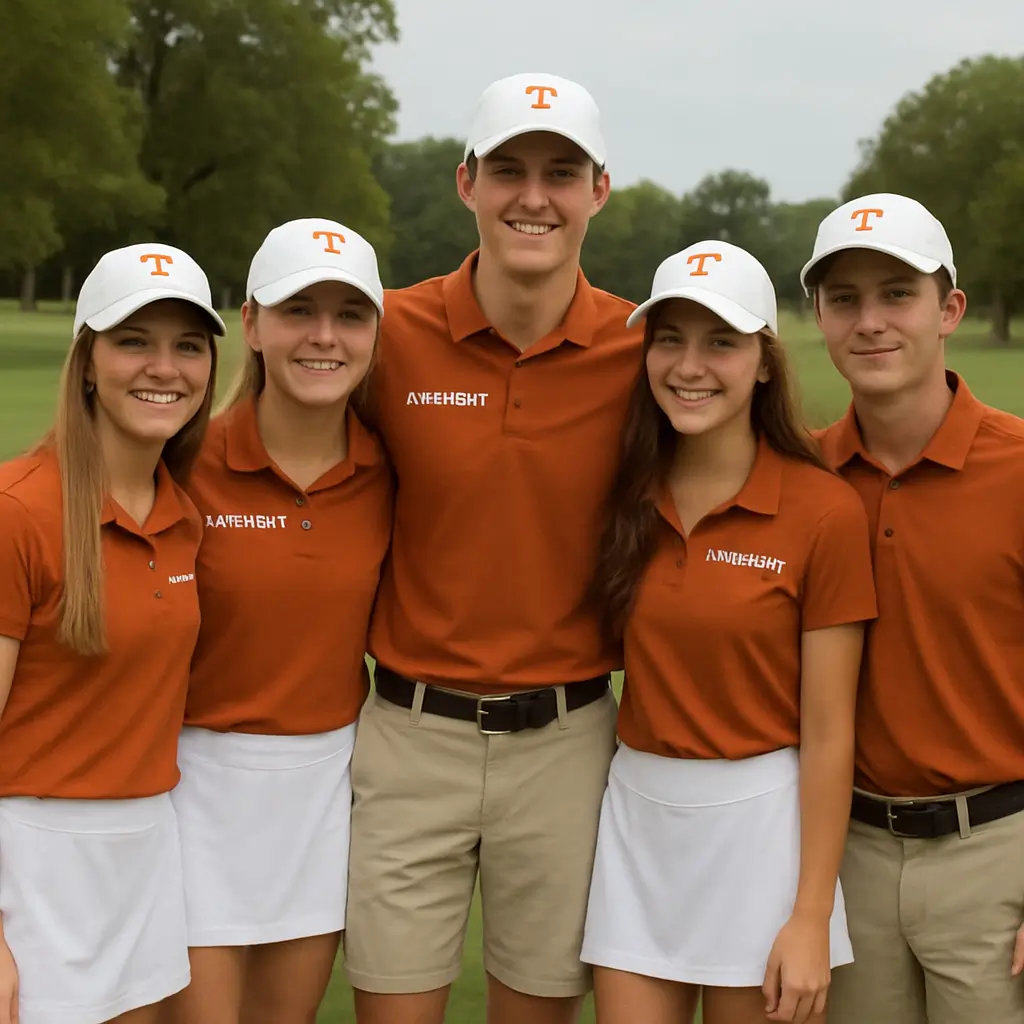
This individual focus is amplified by the sport’s built-in advertising space. From the hat on their head to the bag on their shoulder, a golfer’s entire uniform is prime real estate for logos—a walking billboard for sponsors. While these high-profile deals often go to the biggest stars, a clever new system is emerging to ensure the whole team can get a piece of the pie.
How Do “Collectives” Help the Entire Golf Team Get Paid?
While individual sponsorships grab headlines, this new system, known as a “collective,” works behind the scenes to benefit more players. Think of a collective as a supercharged fan club, often started by passionate alumni and local business owners. They pool their money into a fund with one main goal: creating paid opportunities for their school’s student-athletes, including the golf team. It’s a way for a program’s biggest supporters to directly invest in the players.
So, how does the money get from the collective to the athletes? It’s not a blank check. Instead, a collective creates legitimate work for them to do. For example, a collective might pay the entire golf team to host a junior golf clinic for kids in the community or make a series of appearances at fan events. The players get paid for their time and expertise, and the donors who funded the collective see their contributions directly supporting the team in a meaningful, NCAA-compliant way.
The real power of collectives is that they spread NIL earnings beyond just the most famous players on the roster. This allows talented golfers who are still building a personal brand to earn significant income while representing their university. In the new era of college sports, contributing to a collective has become one of the most popular ways for fans to get involved, turning their loyalty into tangible financial benefits for the student-athletes. As these new funding models mature, the earning potential for golfers continues to climb, and the top college golf NIL deals will only get more competitive.
What’s Next for College Golfers and Their Bank Accounts?
The line between amateur and professional golf has all but disappeared. What was once a simple stepping stone to a tour card is now a high-stakes business, where navigating college golf NIL rules is as critical as sinking a putt. In a world reshaped by big-money tours like LIV Golf, the professionalization of the sport has firmly taken root at the college level, and it’s here to stay.
This shift means athletes no longer wait to turn pro to build their fortune. Players like Rose Zhang secured some of the biggest college golf brand partnerships in history, essentially launching their professional brand before their first pro event. They prove that college is now a launchpad for a business career, not just an athletic one.
The next time you watch a college tournament, you’ll see the game through a new lens. Pay attention to the logos on a player’s hat, shirt, and bag. You’re no longer just looking at equipment; you’re seeing a business portfolio in action. You’re watching young professionals who are already winning—both on the fairway and on the balance sheet.
Learn More About the NIL Landscape
Name, Image, and Likeness plays an increasing role in college sports, and understanding how it works often requires more than individual articles or news updates.
RallyFuel is a platform focused on NIL-related topics across college athletics. It brings together information about athletes, NIL activity, and the broader structure behind modern college sports, helping readers explore the topic in more depth.

Leave a Comment