

Introduction
As the Winter Olympics 2026 in Milano-Cortina unfold, one structural trend is increasingly visible in the composition of Team USA hockey rosters: the deep and sustained influence of NCAA college hockey. While Olympic broadcasts focus on medal races and national rivalries, roster construction tells a more systemic story. A significant share of U.S. Olympic hockey players—particularly on the women’s side—have developed within the NCAA framework.
College hockey in the United States has evolved beyond a transitional stage between youth and professional play. It now operates as a structured Olympic development pathway. Through elite facilities, conference-based competition, multi-year athlete maturation, and sports science integration, NCAA hockey programs provide an environment aligned with the demands of international competition.
This article argues that NCAA hockey functions as a direct and institutionalized pipeline to the Winter Olympics—an assertion clearly supported by roster composition, development models, and the sustained integration of collegiate athletes into national team systems at Milano-Cortina 2026.
NCAA Hockey as a Development Ecosystem
NCAA hockey provides a comprehensive performance ecosystem rather than a short-term stepping stone. Its structural advantages are institutional, not incidental.
1. Elite Facilities and Sports Science Support
Top Division I hockey programs offer:
- Dedicated training rinks and year-round ice access
- High-performance strength and conditioning centers
- Sports science laboratories
- Biomechanics and skating analysis
- Recovery technologies and load monitoring systems
These resources mirror or complement national team environments. Athletes develop within scientifically structured programs that emphasize long-term durability and tactical precision—critical components of Olympic readiness.
2. Structured Seasonal Competition
The NCAA hockey calendar simulates high-stakes tournament conditions:
- Conference play with deep tactical preparation
- Intense regional rivalries
- National championship tournaments
- Multi-game elimination formats
This structure cultivates decision-making under pressure—an essential Olympic trait.
3. Multi-Year Development Model
Unlike early professional systems, NCAA athletes often remain in structured programs for three to four years. This allows:
- Gradual physical maturation
- Tactical refinement
- Psychological development
- Academic-athletic balance
The result is a player who enters international competition with both maturity and system discipline.
Women’s Hockey: The Strongest NCAA-to-Olympic Bridge

Women’s hockey represents the clearest example of NCAA hockey functioning as a direct Olympic pathway.
NCAA Representation on Olympic Rosters
Historically, a substantial majority of Team USA women’s hockey players have competed in NCAA Division I programs. In several Olympic cycles, the percentage of rostered players with NCAA backgrounds has exceeded 80–90%.
At Milano-Cortina 2026:
- Multiple active collegiate athletes are competing internationally.
- Division I conferences such as Hockey East, the ECAC, and the WCHA serve as primary talent reservoirs.
- College teammates often transition directly into national team line combinations.
Structural Reasons for NCAA Dominance
- Centralized Elite Competition: Division I women’s hockey concentrates top-tier talent within a limited number of programs.
- Tactical Continuity: Collegiate coaching systems align closely with national team strategies.
- Chemistry Development: Years of conference rivalries build familiarity among future Olympic teammates.
- Integrated National Team Exposure: Many players rotate between NCAA and USA Hockey training camps.
Women’s college hockey thus operates less as a feeder and more as a parallel arm of the national team infrastructure.
Men’s Hockey: The NCAA-to-Pro-to-Olympic Model
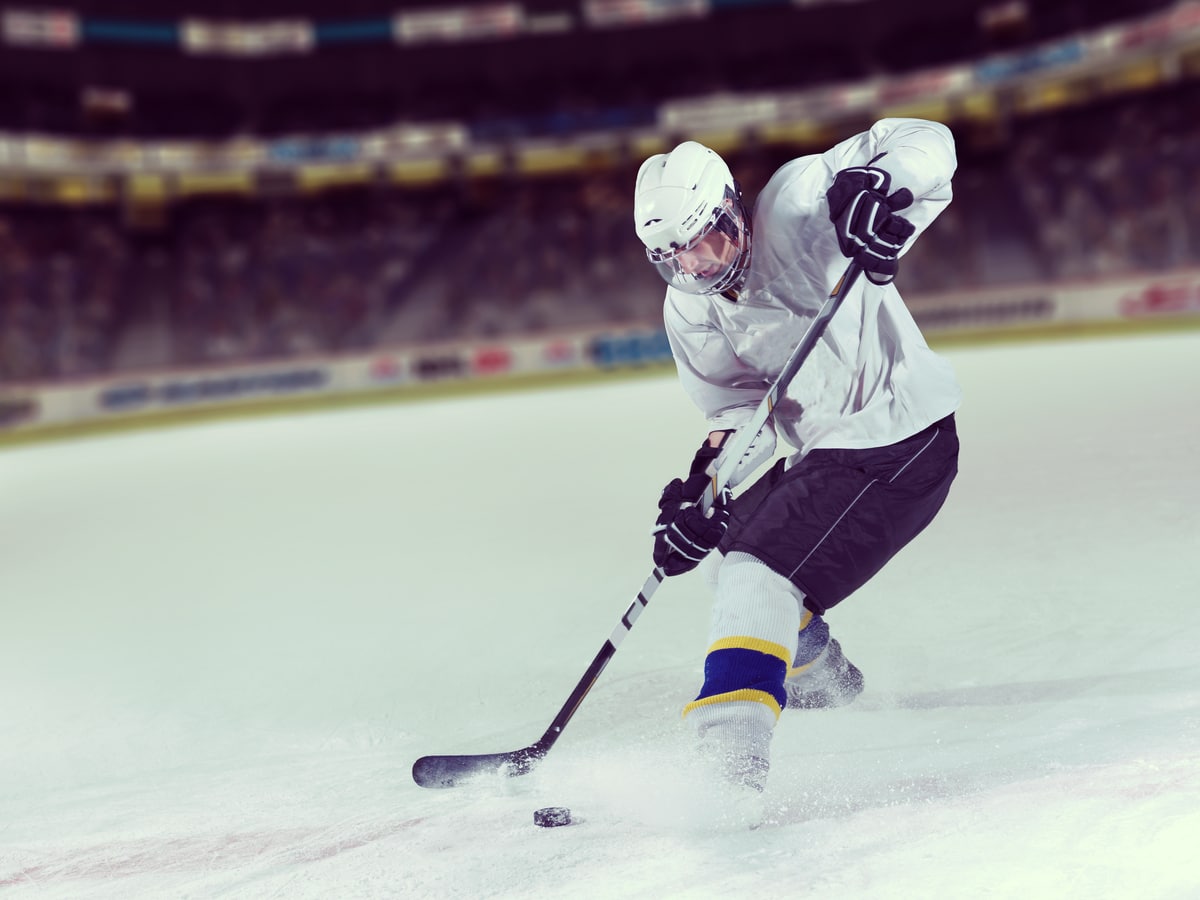
Men’s hockey reflects a slightly more complex pathway, yet NCAA influence remains substantial.
While professional leagues such as the NHL dominate Olympic roster composition, a large percentage of American Olympic players are NCAA alumni.
Transition Model
The structural progression typically follows:
College → NHL/Professional League → National Team → Olympics
NCAA hockey acts as a maturation phase before professional entry. Key advantages include:
- Physical development beyond junior leagues
- Tactical system education
- Leadership cultivation
- Exposure to high-intensity tournament formats
By the time NCAA alumni enter professional leagues, they often possess a level of strategic understanding that enhances long-term international value.
Comparative Overvie
| Category | Women’s Hockey | Men’s Hockey |
|---|---|---|
| Active NCAA Players | High (direct Olympic presence) | Limited |
| NCAA Alumni | Very High | High |
| Development Model | NCAA → National Team → Olympics | NCAA → Pro League → Olympics |
This distinction underscores a key insight: women’s hockey is directly NCAA-driven, while men’s hockey uses the NCAA as a developmental bridge to the professional stage.
NIL and the Olympic Exposure Effect
The introduction of Name, Image, and Likeness (NIL) regulations has added a commercial dimension to Olympic participation.
NIL Regulations and Eligibility
Under current NCAA policies, athletes may:
- Engage in endorsement deals
- Monetize personal brands
- Maintain eligibility while competing internationally
For active collegiate hockey players participating in the Winter Olympics 2026, this creates significant exposure opportunities.
Olympic Amplification
Olympic visibility enhances:
- Social media growth
- Brand partnerships
- Institutional promotion
- Recruiting leverage for universities
Universities benefit as well. Programs associated with Olympians gain national attention, strengthening:
- Recruiting pipelines
- Alumni engagement
- Conference visibility
NIL has therefore aligned commercial incentives with Olympic participation, reinforcing the structural value of the college hockey pipeline.
Comparative Context: Why Hockey Is Unique
Not all winter sports integrate seamlessly with NCAA systems.
Federation-Driven Models
Sports such as:
- Figure skating
- Speed skating
- Bobsled
- Luge
Operate primarily through national federation structures. These disciplines emphasize early specialization, centralized training, and international travel schedules that often conflict with collegiate participation.
Why Hockey Aligns with NCAA Structure
Hockey’s compatibility with the NCAA model stems from:
- Team-based competition
- Conference structures mirroring professional leagues
- Long-term skill refinement rather than early peak specialization
- Clear progression into professional and international systems
Hockey uniquely balances institutional support with international competitiveness.
NCAA Influence Level at Milano-Cortina 2026
| Sport | NCAA Influence Level | Olympic Representation | Development Dependency |
|---|---|---|---|
| Women’s Hockey | Very High | Direct roster presence | NCAA-centric |
| Men’s Hockey | High | Alumni-heavy | NCAA → Pro pathway |
| Alpine Skiing | Moderate | Select athletes | Hybrid system |
| Nordic Skiing | Moderate | Supplemental | Hybrid system |
| Figure Skating | Low | Minimal NCAA presence | Federation-driven |
This table demonstrates that hockey remains the winter sport most structurally aligned with the NCAA system.
Long-Term Implications Beyond 2026
The structural role of NCAA hockey extends beyond a single Olympic cycle.
Sustainability Factors
- Institutional funding stability
- Conference competitiveness
- Continued alignment with national team development
- NIL-driven brand reinforcement
Women’s hockey is likely to remain directly NCAA-driven. Men’s hockey will continue using college as a maturation stage before professional transition.
The consistency of NCAA alumni representation across Olympic cycles suggests that this pathway is not incidental—it is institutionalized.
Conclusion
College hockey in the United States functions as more than a developmental stage. It operates as a structured Olympic pipeline—particularly evident in the composition of Team USA rosters at the Winter Olympics 2026 in Milano-Cortina.
Women’s hockey demonstrates the most direct integration, with active NCAA athletes competing at the highest international level. Men’s hockey relies on a transitional model in which college serves as the primary maturation phase before professional and Olympic participation.
Through elite facilities, structured competition, sports science integration, and now NIL-enabled commercial exposure, NCAA hockey aligns closely with the demands of Olympic performance. Its role is not peripheral—it is foundational.
As future Winter Games approach, the sustainability of this pathway appears strong. The NCAA framework continues to reinforce national team continuity, ensuring that college hockey remains a central pillar of American Olympic success.
Learn More About the NIL Landscape
Name, Image, and Likeness plays an increasing role in college sports, and understanding how it works often requires more than individual articles or news updates.
RallyFuel is a platform focused on NIL-related topics across college athletics. It brings together information about athletes, NIL activity, and the broader structure behind modern college sports, helping readers explore the topic in more depth.
👉 Explore the Athletes on RallyFuel – Discover top college athletes, compare NIL valuations, and dive deeper into the world of NIL.
FAQ
1. How many Olympic hockey players have NCAA backgrounds?
A significant majority of Team USA women’s hockey players and a large percentage of men’s players are either current NCAA athletes or alumni of Division I programs.
2. Is college hockey better preparation than junior leagues for the Olympics?
For many athletes, NCAA hockey provides structured multi-year development, advanced sports science support, and tactical maturity that can enhance long-term Olympic readiness.
3. Do active NCAA players compete in the Winter Olympics?
Yes. In women’s hockey especially, active collegiate athletes regularly compete in the Olympic tournament.
4. How does NIL affect Olympic hockey players?
NIL allows eligible college athletes to monetize their Olympic exposure through sponsorships and brand partnerships without losing eligibility.
5. Why is hockey more connected to the NCAA than other winter sports?
Hockey aligns well with the NCAA’s team-based competition model, structured conferences, and multi-year development system, unlike federation-dominated individual sports such as figure skating or speed skating.


Leave a Comment