
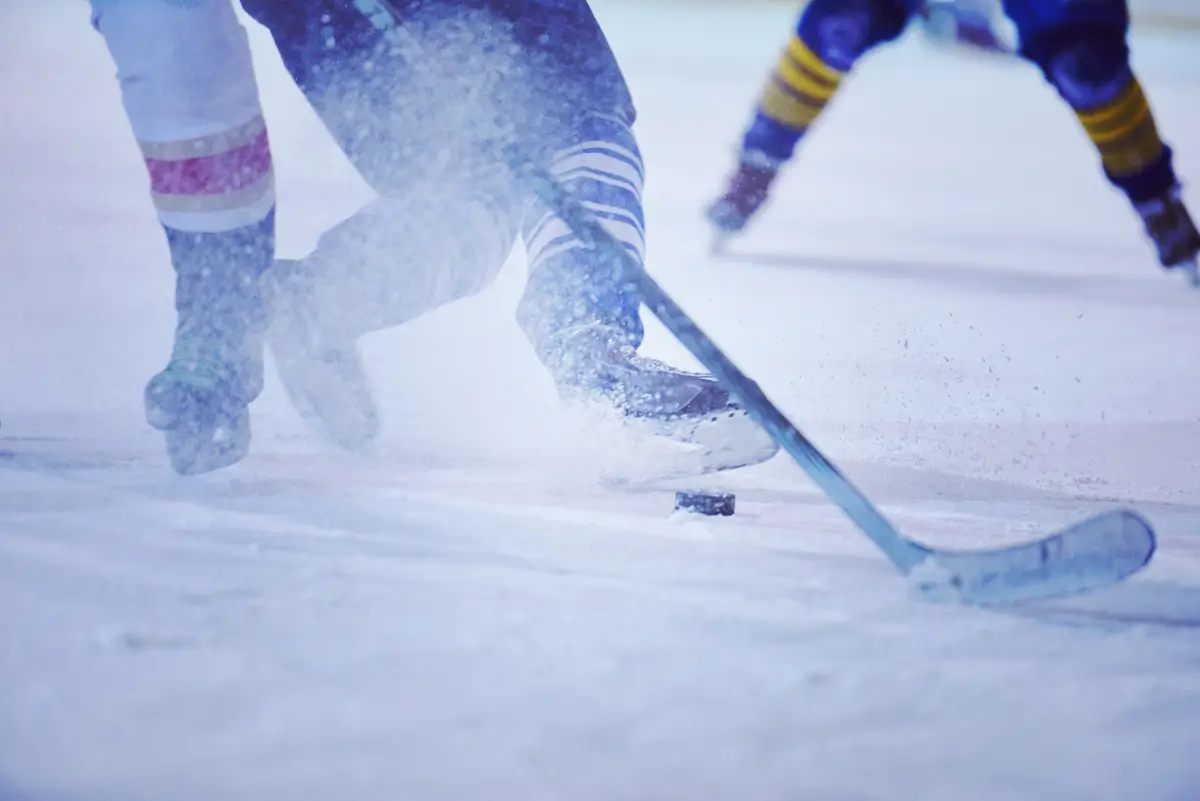
We see a major shift in how stars are born on the ice and snow. Academic institutions now provide the vital tools needed for elite growth. These programs offer high-level coaching that was once hard to find outside of private clubs.
By choosing collegiate winter sports, you gain access to great facilities and expert guidance. We believe these environments are the best places for athlete development right now. They offer a clear path where you can balance your studies and physical training.
Joining NCAA winter sports opens doors to professional leagues and international stages. It is about building a strong foundation for a lifetime of success. We are here to guide your journey from the local campus to the podium.
The Evolving Landscape of Winter Sports in American Higher Education
The landscape of winter sports in American higher education is undergoing a significant transformation. As we examine the current state of winter sports, it becomes evident that collegiate programs are playing a crucial role in their development.
“The integration of winter sports into college athletics has not only enhanced the competitive landscape but also provided opportunities for athletes to develop their skills in a structured environment,” says a recent report on college athletics.
How Collegiate Programs Fill the Development Gap
Collegiate winter sports programs are increasingly filling the development gap left by the rising costs and decreasing accessibility in youth winter sports. By offering scholarships and advanced training facilities, colleges are making winter sports more accessible to a broader demographic.
The development gap in winter sports is a growing concern, with many young athletes facing barriers to participation due to high costs. Collegiate programs are stepping in to provide the necessary resources and infrastructure, ensuring that talented athletes can continue to develop their skills.
The Changing Demographics of Winter Sports Participation
The demographics of winter sports participation are changing, with a more diverse group of athletes emerging at the collegiate level. This shift is partly due to the efforts of collegiate programs to attract and develop athletes from various backgrounds.
As college athletics continue to evolve, they are becoming more inclusive, providing opportunities for athletes from different regions and socio-economic backgrounds to participate in winter sports.
Rising Costs and Accessibility Challenges in Youth Winter Sports
The rising costs associated with participating in youth winter sports have made it increasingly difficult for many young athletes to continue their involvement. Collegiate programs are addressing this issue by offering financial assistance and resources to talented athletes.
By providing scholarships and other forms of financial assistance, colleges help ensure that winter sports remain accessible to athletes from all backgrounds. As one coach noted, “Colleges are now the primary development ground for many winter sports athletes, giving them the resources they need to succeed.”
Superior Facilities and Training Infrastructure at Collegiate Programs
The quality of training infrastructure is a critical factor in the success of collegiate winter sports athletes. As we explore the landscape of winter sports development in American higher education, it becomes evident that colleges are investing heavily in creating environments that foster excellence.
Year-Round Training Centers and Indoor Facilities
One of the significant advantages of collegiate winter sports programs is the availability of year-round training centers and indoor facilities. These allow athletes to train consistently, regardless of weather conditions.
University of Vermont’s Skiing and Snowboarding Complex
The University of Vermont’s Skiing and Snowboarding Complex is a prime example of a world-class training facility. It offers athletes the opportunity to train on sophisticated terrain that simulates various skiing and snowboarding conditions.
The University of Denver’s partnership with Colorado Mountain Resorts is another exemplary model. This collaboration provides athletes with access to a range of training terrains and conditions, enhancing their preparation for competitions.
“The partnership between the University of Denver and Colorado Mountain Resorts has been instrumental in elevating our training programs. It gives our athletes a competitive edge.”
Advanced Performance Technology and Video Analysis Systems
Collegiate programs are also leveraging advanced performance technology and video analysis systems to improve athlete performance. These tools enable coaches to provide detailed feedback, helping athletes refine their techniques.
| Technology | Application | Benefit |
|---|---|---|
| Video Analysis Software | Detailed technique analysis | Improved performance |
| Motion Capture Technology | Biomechanical analysis | Enhanced athlete development |
| GPS Tracking | Performance monitoring | Data-driven training |
Comprehensive Sports Medicine and Recovery Resources
Athlete well-being is a top priority, with colleges offering comprehensive sports medicine and recovery resources. This includes dedicated athletic trainers and specialized conditioning programs.
Dedicated Athletic Trainers for Winter Sports Teams
Having dedicated athletic trainers ensures that athletes receive the care they need to perform at their best. These professionals are crucial in preventing injuries and aiding recovery.
Altitude Training and Conditioning Programs
Altitude training and conditioning programs are also available, helping athletes acclimate to high-altitude conditions and improve their endurance.
- Simulated altitude training
- Customized conditioning programs
- Physiological monitoring
By investing in superior facilities and training infrastructure, collegiate programs are setting a new standard for winter sports development. As we continue to explore the role of colleges in shaping the future of winter sports, it becomes clear that these investments are crucial for athlete success.
Why Colleges Matter More Than Ever in Winter Sports Development: The Dual-Track Advantage
The dual-track advantage offered by colleges is revolutionizing winter sports development by merging high-level athletics with academic rigor. This approach not only enhances an athlete’s competitive edge but also secures their future beyond their sports career.
Education as a Safety Net for Athletic Careers
Athletes often face uncertainty regarding their professional sports careers. Colleges provide a safety net through education, enabling them to pursue alternative career paths if needed. Degree completion rates among winter sports athletes have seen a significant uptick, thanks to the structured systems in place.
Degree Completion Rates Among Winter Sports Athletes
Colleges have implemented various systems to ensure athletes can balance their academic and athletic responsibilities. As a result, many winter sports athletes are now completing their degrees, preparing them for careers beyond their athletic tenure.
Career Opportunities Beyond Professional Competition
With a degree in hand, former athletes can transition into various fields such as coaching, sports management, and sports journalism. The education received provides a foundation for a successful career, regardless of their professional sports trajectory.
NCAA Competition Structure and Development Benefits
The NCAA competition structure offers numerous benefits for athlete development, including regular high-level competition and exposure at national championships. As NIL continues to reshape college athletics, understanding modern athlete opportunities is equally important — including how platforms like RallyFuel operate within this evolving space.
Regular High-Level Competition in Conference Championships
Competing in conference championships allows athletes to test their skills against the best, fostering growth and development. This level of competition is crucial for athletes aiming to reach the pinnacle of their sport.
National Championship Exposure and Scouting Opportunities
National championships provide a stage for athletes to showcase their talents to a broader audience, including scouts and coaches from professional leagues. This exposure can be pivotal in launching an athlete’s professional career.
Elite Coaching Staff with International Experience
Colleges often boast elite coaching staff, many of whom have international experience and have competed at the highest levels, including the Olympics.
Former Olympians Leading College Programs
Having former Olympians at the helm of college programs brings invaluable experience and insight to athlete development. Their leadership and coaching significantly enhance the training environment.
Specialized Coaching for Individual Winter Sports Disciplines
Coaches with specialized knowledge in specific winter sports disciplines can tailor training programs to meet the unique demands of each sport, further enhancing athlete development.
Financial Accessibility Through Scholarships and Institutional Funding
By offering comprehensive financial assistance, colleges ensure that winter sports programs remain accessible to athletes from all walks of life. This financial commitment is crucial in fostering a diverse and talented pool of competitors who can excel in their respective sports.
Beyond traditional scholarships, NIL opportunities are also becoming part of the broader college sports ecosystem.
Full-Ride and Partial Scholarship Opportunities in Winter Sports
Colleges offer a range of scholarship opportunities for athletes in winter sports. These include full-ride scholarships that cover the entire cost of tuition and partial scholarships that provide significant financial assistance. Such scholarships enable athletes to focus on their training and academic pursuits without the burden of financial stress.
For instance, many colleges provide scholarships to athletes based on their performance, academic merit, or financial need. This approach not only helps in attracting top talent but also ensures that athletes from less affluent backgrounds have an equal opportunity to participate in winter sports programs.
Comprehensive Coverage Beyond Tuition
Beyond tuition fees, many collegiate winter sports programs offer comprehensive coverage that includes various other expenses. This holistic financial approach is designed to ease the burden on athletes and their families.
Equipment Replacement and Maintenance Programs
One of the key focus areas is equipment replacement and maintenance. Colleges understand that high-quality equipment is essential for performance and safety in winter sports. Therefore, they often have programs in place to ensure that athletes have access to the latest equipment and that it is properly maintained.
Travel Expenses for Competitions and Training Camps
Colleges also cover travel expenses for competitions and training camps. This assistance is vital for athletes who need to travel frequently for events and training sessions. By covering these expenses, colleges enable athletes to participate in crucial competitions without worrying about the financial implications.
Nutrition Plans and Strength and Conditioning Access
Furthermore, many programs offer nutrition plans and strength and conditioning access as part of their comprehensive development package. Proper nutrition and conditioning are essential for athletes to perform at their best, and these services help athletes optimize their training and recovery.
Endowments and Alumni Funding for Program Enhancement
In addition to scholarships and institutional funding, endowments and alumni contributions play a significant role in enhancing winter sports programs. These funds are often used to improve facilities, hire top coaching staff, and provide additional resources for athletes.
For example, alumni funding can be used to upgrade training facilities, provide advanced sports technology, and advance athlete development initiatives. This not only benefits current athletes but also helps in attracting future talent to the programs.
The Proven College-to-Elite Pathway in Winter Sports
Collegiate programs play a crucial role in developing athletes for elite competitions. The pathway from college athletics to representing national teams and professional leagues is well-trodden in winter sports. Many athletes have successfully transitioned from collegiate programs to elite levels, demonstrating the effectiveness of this developmental pathway.
As the NIL era continues to evolve, structured and transparent NIL engagement is becoming part of the modern athlete journey.
Collegiate Athletes Representing Team USA at the Olympics
The Olympics represent the pinnacle of achievement in winter sports, and collegiate athletes have a strong presence on Team USA. Recent Olympic Games have featured numerous athletes who developed their skills through NCAA programs.
Recent Success Stories from the 2022 and 2026 Winter Games
The 2022 Winter Olympics in Beijing and the 2026 Winter Olympics in Milan-Cortina showcased the talent of collegiate athletes. For instance, athletes like Kaillie Humphries and Nicole Hensley, who competed in bobsled events, have their roots in collegiate athletics.
“The experience I gained competing at the NCAA level was invaluable as I transitioned to the World Cup circuit and eventually the Olympics.” – Kaillie Humphries
Professional Career Launches Through College Programs
College programs not only prepare athletes for the Olympics but also launch their professional careers. The transition from NCAA to professional leagues is a significant pathway for many athletes.
NHL Pipeline from NCAA Hockey Programs
The NHL pipeline from NCAA hockey programs is a well-established route. Many NHL players, such as Auston Matthews and Quinn Hughes, developed their skills in NCAA programs before turning pro.
| Player | NCAA Team | NHL Team |
|---|---|---|
| Auston Matthews | University of Michigan | Toronto Maple Leafs |
| Quinn Hughes | University of Michigan | Vancouver Canucks |
| Cale Makar | University of Massachusetts | Colorado Avalanche |
World Cup Skiing and Snowboarding Competitors
Many World Cup skiing and snowboarding competitors also have their roots in collegiate athletics. The skills and experience gained in NCAA programs are crucial for success at the World Cup level.
Post-Graduation Resources and Alumni Networks in Winter Sports
Beyond collegiate competition, many institutions provide career resources and professional networks for their alumni. These networks are vital for athletes transitioning to professional careers.
Collegiate programs often have strong alumni networks that provide mentorship, career guidance, and networking opportunities. For example, the University of Denver has a robust alumni network for its athletes, offering guidance in their professional endeavors.
Conclusion
As we reflect on the evolving landscape of winter sports, it becomes clear that collegiate programs are pivotal in winter sports development. By offering a dual-track advantage that combines athletic training with educational opportunities, colleges provide a foundation for athlete success that extends beyond the competitive arena.
The superior facilities, elite coaching staff, and comprehensive systems available through collegiate programs create an environment where athletes can thrive. Financial accessibility through scholarships and institutional funding further ensures that talented individuals can pursue their athletic and academic goals without undue burden.
As the pathway to elite competition continues to evolve, the role of colleges in nurturing talent and facilitating athlete success remains crucial. By providing a structured and high-performance environment, collegiate programs are essential in shaping the next generation of winter sports athletes and advancing the continued growth and excellence of winter sports.
Learn More About the NIL Landscape
Name, Image, and Likeness plays an increasing role in college sports, and understanding how it works often requires more than individual articles or news updates.
RallyFuel is a platform focused on NIL-related topics across college athletics. It brings together information about athletes, NIL activity, and the broader structure behind modern college sports, helping readers explore the topic in more depth.
FAQ
Why are collegiate programs now considered essential for winter sports development?
As the costs of private training rise, we see higher education institutions stepping in to fill the development gap. Colleges provide a structured, professional environment where athletes can access elite coaching and high-level competition that might otherwise be financially out of reach. Through the NCAA, athletes receive the exposure necessary to transition from amateur ranks to professional stages.
What specific facilities do top-tier programs like the University of Vermont provide?
The University of Vermont offers a world-class Skiing and Snowboarding Complex that serves as a cornerstone for athlete progression. Beyond physical tracks, these programs utilize advanced performance technology and video analysis systems to provide real-time feedback, ensuring that every run is an opportunity for technical refinement.
How does the University of Denver assist its winter sports athletes?
Through a strategic partnership with Colorado Mountain Resorts, the University of Denver ensures its athletes have consistent access to premier terrain and varied snow conditions. This collaboration, combined with altitude training and comprehensive sports medicine resources, allows we to offer a training environment that rivals professional national team setups.
What is the “dual-track advantage” for a student-athlete?
The dual-track advantage refers to the simultaneous pursuit of elite athletic excellence and a formal degree. We prioritize degree completion rates because education serves as a vital safety net. While you strive for the podium, you are also building a foundation for career opportunities that extend far beyond your time in professional competition.
Can collegiate winter sports lead to professional leagues like the NHL?
Absolutely. There is a robust college-to-elite pathway that is particularly evident in the NHL pipeline. Many of the most successful players in professional hockey today refined their skills within NCAA hockey programs. This same trajectory is increasingly common for World Cup skiing and snowboarding competitors who utilize the collegiate circuit to gain international experience.
How do scholarships assist with the high costs of equipment and travel?
We understand that winter sports are capital-intensive. To help you, many programs offer full-ride and partial scholarships that cover more than just tuition. This institutional funding often extends to equipment replacement programs, travel expenses for major competitions, and specialized nutrition plans designed to maintain peak physical condition during the demanding winter season.
Who oversees the coaching and physical conditioning at these universities?
Collegiate programs often feature elite coaching staff, including former Olympians who bring first-hand international experience to the team. These experts work alongside dedicated athletic trainers to implement specialized strength and conditioning access, ensuring that your training is scientifically optimized and that recovery resources are always available to prevent injury.
How do these programs contribute to the success of Team USA?
Collegiate programs act as a primary feeder for Team USA. By providing regular, high-level competition through conference championships and national championship exposure, colleges prepare you for the pressure of the Winter Games. The success stories from the 2022 and 2026 games highlight how pivotal university infrastructure is to the nation’s Olympic medal count.


Leave a Comment