
Introduction
As the Milano-Cortina 2026 Winter Games unfold, historical development pipelines once again come into focus. Medal tables highlight national success, but behind many podium finishes are collegiate programs that have consistently contributed elite athletes over multiple Olympic cycles. The relevance of colleges producing Olympic winter medalists is not limited to legacy recognition; it shapes current recruitment, institutional investment, and competitive structure.
An Olympic medal pipeline is rarely accidental. It emerges from sustained coaching continuity, facility depth, sports science integration, and long-term institutional commitment. During the active 2026 Olympic qualification cycle, universities with established NCAA winter sports legacy continue to appear in athlete bios and broadcast commentary.
Historical medal output also influences perception. Prospective athletes, both domestic and international, evaluate whether a program has demonstrated Olympic development credibility. In 2026, that credibility remains measurable. Milano-Cortina 2026 is not only a competition stage but also a validation window for longstanding collegiate Olympic development pathway NCAA systems.
What Defines an Olympic Medal Pipeline in the NCAA System
Within the NCAA framework, a medal pipeline reflects recurring representation across Olympic cycles rather than isolated success. Several structural factors define such pipelines:
- Multi-cycle Olympic participation
- Consistent athlete progression to national teams
- Institutional investment in winter sport infrastructure
- Embedded sports science and performance analytics
- Stable coaching leadership
Universities with Winter Olympic medalists often demonstrate continuity across decades. The NCAA Olympic winter medal history of certain institutions includes repeated podium contributors in hockey, alpine skiing, and Nordic events.
A pipeline is sustained through recruiting reach and development consistency. When evaluating colleges producing Olympic winter medalists, analysts focus on depth, not just singular medal achievements.
Ice Hockey Powerhouses and Their Olympic Medal Legacy
Ice hockey represents the most visible collegiate-to-Olympic pathway in the U.S. system. Several Division I programs have produced multiple Olympic medalists across both men’s and women’s tournaments.
NCAA Colleges With Olympic Winter Medalists (Selected Programs)
| University | Primary Winter Sport | Notable Medal Output | Olympic Cycle Relevance (2026) |
|---|---|---|---|
| University of Minnesota | Hockey | Multiple Olympic medalists (men’s & women’s) | Active alumni competing in 2026 |
| Boston University | Hockey | Olympic medal contributors across cycles | Alumni presence in international rosters |
| University of Wisconsin | Hockey | Women’s Olympic medalists | Continued NCAA Olympic winter medal history visibility |
| University of Denver | Hockey | Olympic representation | Pipeline influence during 2026 cycle |
| University of Vermont | Nordic Skiing | Olympic Nordic medal contributors | Endurance athlete development relevance |
College hockey Olympic medals history demonstrates sustained representation rather than sporadic participation. Programs such as Minnesota and Wisconsin maintain deep recruitment pipelines and coaching continuity that reinforce Olympic medal production.
During Milano-Cortina 2026, alumni from these institutions remain visible across multiple national teams, reinforcing historical continuity.
Universities Dominating Alpine and Nordic Skiing
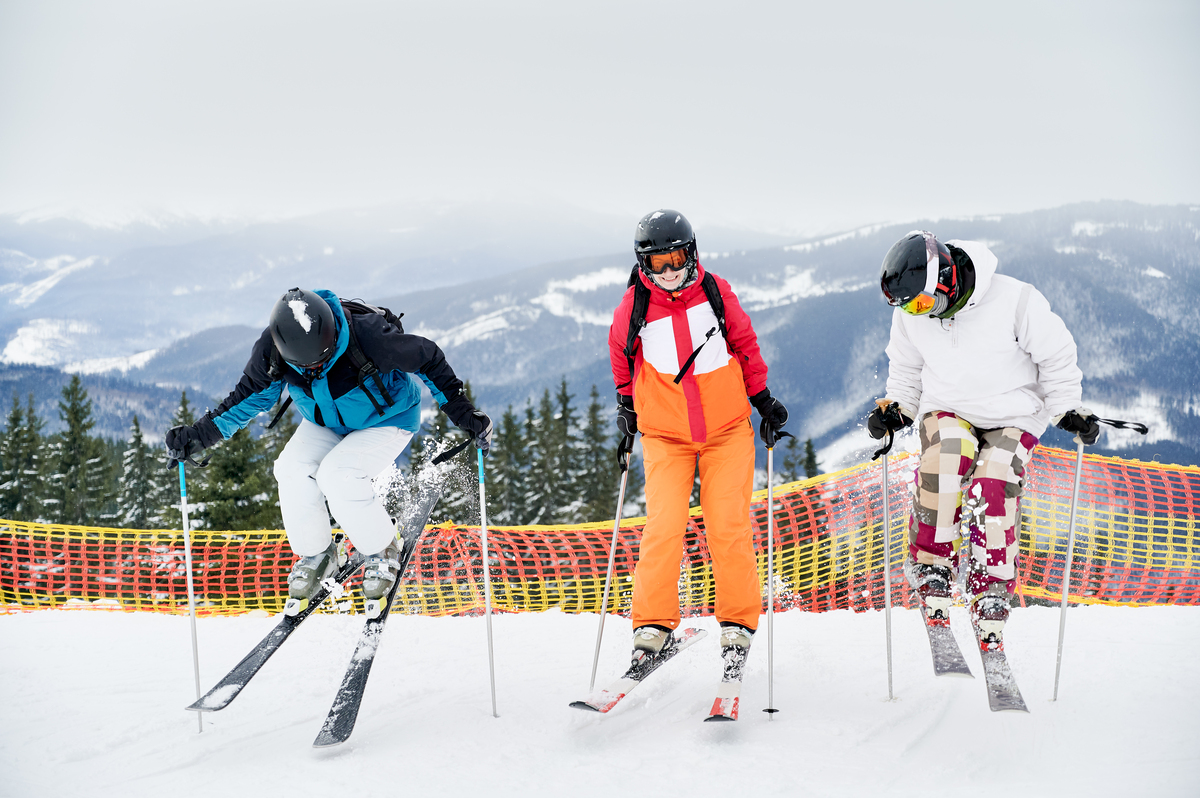
Skiing disciplines show a different structure but equally strong institutional roots. NCAA skiing Olympic champions frequently emerge from mountain-state universities with geographic advantages and long-standing winter sport emphasis.
Programs in Colorado, Utah, and Vermont have historically contributed to the U.S. Olympic medal pipeline in alpine and Nordic events. Their development frameworks integrate altitude training, technical course repetition, and endurance conditioning.
Unlike hockey, skiing medal production often reflects international recruitment patterns. Scandinavian athletes enrolling in U.S. programs contribute to the global medal footprint of universities with Winter Olympic medalists.
The NCAA winter sports legacy in skiing is built on:
- Proximity to elite terrain
- Institutional support for winter competition
- Stable coaching leadership
- Embedded sports science infrastructure
As Milano-Cortina 2026 competition continues, several skiing medal contenders trace development pathways back to collegiate systems.
Institutional Investment and Long-Term Olympic Success
Institutional investment differentiates sustained medal-producing schools from occasional contributors. Financial commitment influences:
- Facility modernization
- Coaching staff retention
- Sports science lab integration
- Recruitment outreach
Colleges producing Olympic winter medalists consistently allocate resources to winter sports, even when those sports are not revenue drivers.
Investment stability fosters continuity across Olympic cycles. Coaching turnover disrupts pipelines; sustained leadership reinforces them.
In the context of Milano-Cortina 2026, universities with long-term winter sport funding structures demonstrate continued representation on Olympic rosters.
Sports Science and Facilities Behind Medal-Producing Programs

Modern medal pipelines increasingly rely on performance infrastructure.
Key elements include:
- Biomechanics labs
- Motion analysis systems
- Recovery technology suites
- Strength and conditioning centers
Sports science infrastructure enhances development consistency. NCAA skiing Olympic champions, for example, benefit from physiological testing and altitude adaptation monitoring.
Similarly, hockey programs integrate performance analytics to refine skating mechanics and workload management.
The Olympic development pathway NCAA systems operate within integrated campus performance environments rather than isolated national camps. During the 2026 Olympic cycle, these infrastructures remain central to athlete readiness.
International Athletes and Global Medal Impact
The global footprint of NCAA winter sports legacy extends beyond American medalists.
International recruitment contributes significantly to Olympic medal tallies. European and Canadian athletes training in U.S. colleges frequently return to represent their home countries in Olympic competition.
This cross-border integration strengthens the perception of universities with Winter Olympic medalists as international development hubs.
Milano-Cortina 2026 rosters reflect this trend, with NCAA-affiliated athletes appearing across Scandinavian, North American, and Central European delegations.
The Olympic medal pipeline is therefore multinational, even when institutional affiliation is American.
Comparing Top Medal-Producing Schools
Institutional Factors Behind Olympic Medal Success
| Factor | Top Programs | Mid-Tier Programs | Impact on Medal Probability |
|---|---|---|---|
| Facilities | Integrated performance complexes | Basic training infrastructure | Higher training precision in top tier |
| Coaching Continuity | Long-tenured staff | Higher turnover rates | Stability increases athlete progression |
| Funding | Sustained winter sport budgets | Limited allocation | Investment depth supports pipeline continuity |
| Recruitment | International + domestic reach | Primarily regional | Broader talent pool enhances medal likelihood |
The gap between top medal-producing schools and mid-tier programs is structural rather than incidental.
Institutional alignment across facilities, funding, and recruitment shapes medal probability during each Olympic qualification cycle.
Are Historical Medal Pipelines Still Relevant in 2026?
Historical success does not guarantee future medals. However, legacy pipelines remain relevant because infrastructure and culture persist.
During the active Milano-Cortina 2026 Games, athlete biographies frequently reference established NCAA programs with deep Olympic winter medal history.
The continuity of coaching systems, sports science infrastructure, and recruitment networks sustains relevance. Colleges producing Olympic winter medalists continue to supply elite competitors because their developmental frameworks remain intact.
Historical medal output reinforces brand credibility, which supports ongoing recruitment and institutional investment.
Conclusion — Legacy, Infrastructure, and Olympic Continuity
The Milano-Cortina 2026 Winter Games highlight the sustained impact of colleges producing Olympic winter medalists across hockey and skiing disciplines.
Medal pipelines are defined by:
- Institutional investment
- Coaching continuity
- Sports science infrastructure
- Recruitment depth
- Olympic development pathway NCAA integration
Universities with Winter Olympic medalists demonstrate long-term alignment between academic institutions and elite winter sport performance.
As the 2026 Olympic cycle continues, historical medal pipelines remain visible not as relics of past success but as ongoing contributors to Olympic competition.
Learn More About the NIL Landscape
Name, Image, and Likeness plays an increasing role in college sports, and understanding how it works often requires more than individual articles or news updates.
RallyFuel is a platform focused on NIL-related topics across college athletics. It brings together information about athletes, NIL activity, and the broader structure behind modern college sports, helping readers explore the topic in more depth.
👉 Explore the Athletes on RallyFuel – Discover top college athletes, compare NIL valuations, and dive deeper into the world of NIL.
FAQ
1. What qualifies a college as a consistent Olympic medal producer?
A sustained record of athletes reaching Olympic podiums across multiple cycles, supported by infrastructure, coaching stability, and recruitment continuity.
2. Are hockey programs more likely to produce Olympic medalists than skiing programs?
Hockey shows higher visibility due to roster size and team events, but skiing programs also demonstrate strong individual medal histories.
3. How important is institutional funding in maintaining a medal pipeline?
Funding stability supports facility upgrades, coaching retention, and athlete development resources, which collectively increase medal probability.
4. Do international athletes strengthen NCAA Olympic medal output?
Yes. International recruitment expands the talent base and contributes to Olympic medal representation across multiple nations.
5. Is historical Olympic success still relevant during the 2026 Games?
Yes. Established development systems continue to produce elite competitors, reinforcing the relevance of longstanding NCAA winter sports legacy programs.

Leave a Comment