
Introduction: The Olympic Cycle and Milan–Cortina 2026 Context
As the Milan–Cortina 2026 Winter Olympics approach, elite winter athletes are navigating one of the most physically demanding phases of their careers. The Olympic build-up period represents a convergence of intensified training specificity, compressed competition schedules, qualification pressure, and biomechanical stress.
The final months before Milan–Cortina 2026 are characterized by:
- Increased race-pace training
- Higher technical precision demands
- Reduced recovery margin
- Olympic qualification injuries becoming decisive factors
From a sports medicine perspective, this stage is not simply preparation — it is a high-risk window for Olympic training injuries 2026, particularly in disciplines requiring explosive force, high-speed rotation, or collision exposure.
This article provides an expert analysis of the common injuries in winter sports during the Olympic build-up, examining mechanisms, risk profiles, psychological contributors, and modern prevention and rehabilitation strategies.
Why Injury Risk Increases Before the Olympics
Injury incidence tends to rise in the pre-Olympic window due to structural and physiological factors:
Increased Training Specificity
Athletes reduce general conditioning and shift toward:
- Maximal-intensity repetitions
- Competition simulations
- Technical precision under fatigue
This raises neuromuscular strain.
Qualification Density
Events cluster tightly, leading to:
- Cumulative fatigue
- Reduced recovery
- Travel-related stress
Psychological Load
Stress hormones (e.g., cortisol) elevate during qualification. Chronic stress impairs:
- Muscle recovery
- Motor coordination
- Sleep quality
These factors increase vulnerability to both acute and overuse injuries.
Most Common Injuries by Sport
Alpine Skiing
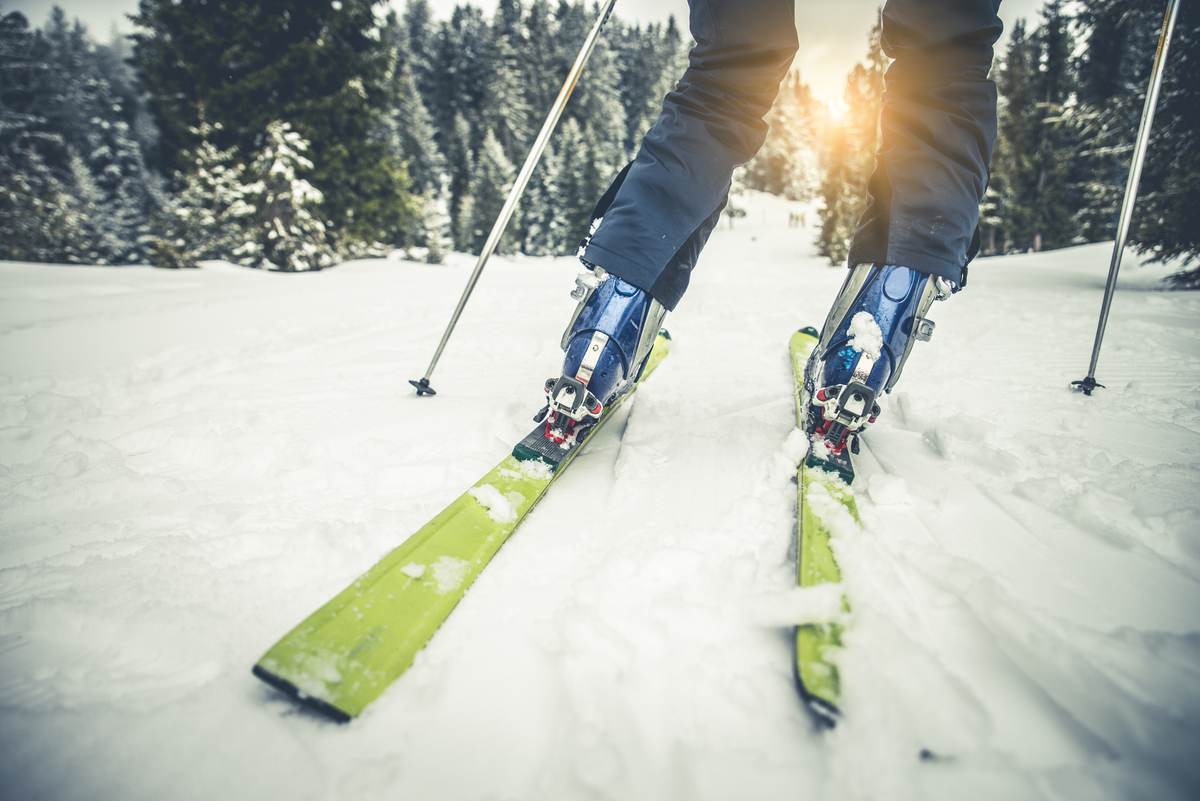
Alpine skiing carries one of the highest acute injury rates among winter sports.
Most common injuries:
- ACL tears in skiing
- Meniscus injuries
- Tibial plateau fractures
- Shoulder dislocations
Mechanism:
- High-speed carving turns create extreme valgus knee torque.
- Falls at downhill velocities exceed joint tolerance thresholds.
ACL tears in skiing remain one of the most severe injuries before Milan Cortina 2026, often resulting in season termination.
Snowboarding
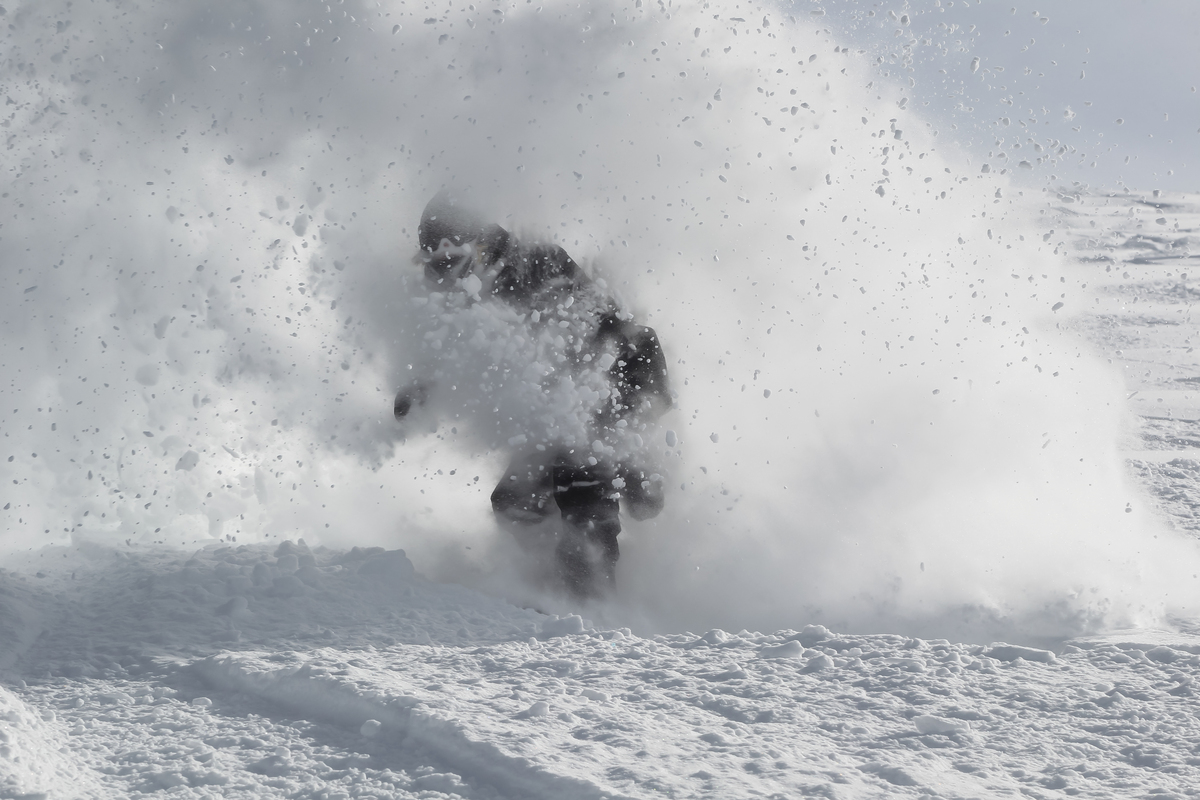
Snowboarding injuries often involve upper extremities.
Common patterns:
- Wrist fractures
- Shoulder separations
- Ankle sprains
- Concussion
Halfpipe and slopestyle athletes face repetitive impact trauma. The rotational demands increase spinal and hip stress.
Ice Hockey
Both men’s and women’s Olympic tournaments show significant injury rates.
Common injuries:
- Concussion in ice hockey
- AC joint sprains
- Groin strains
- MCL injuries
Mechanisms include:
- Body checking collisions
- High-velocity puck contact
- Explosive lateral skating
Groin strains are particularly common during Olympic preparation due to adductor overload.
Figure Skating
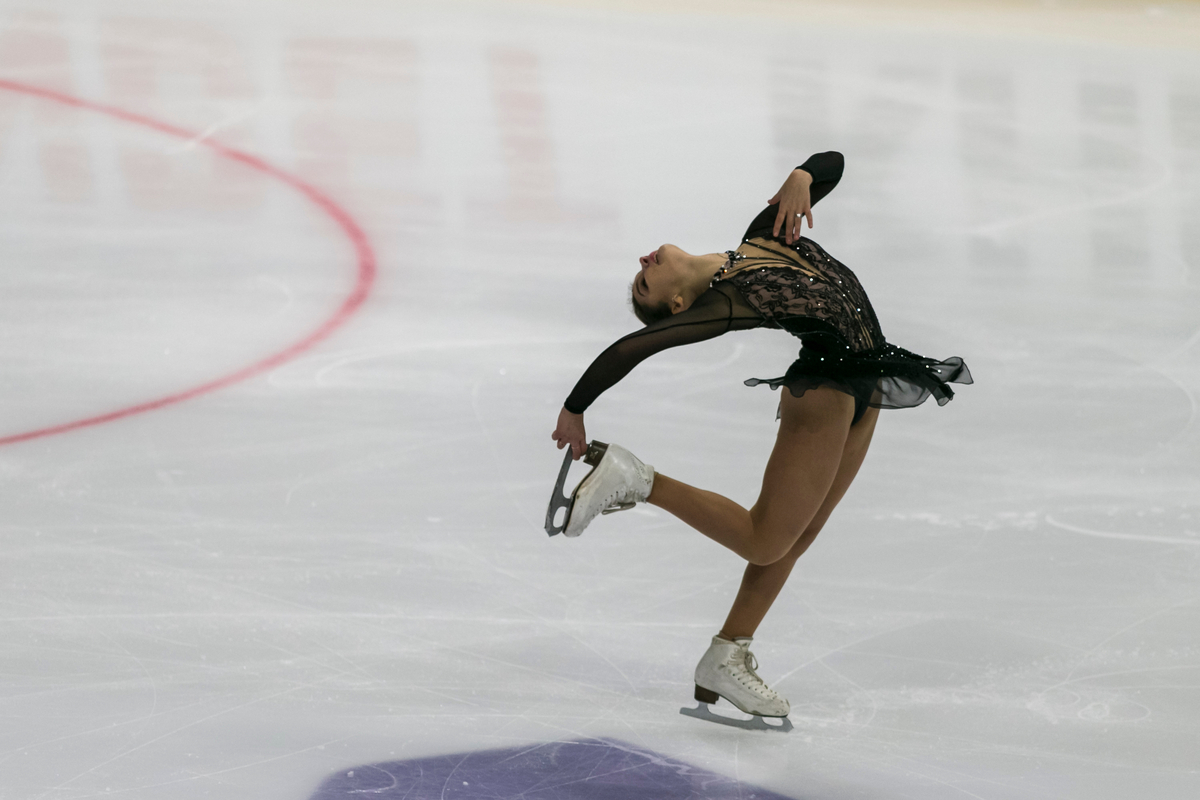
Though not collision-based, figure skating produces significant overuse stress.
Common injuries:
- Stress fractures in figure skating
- Achilles tendonitis
- Hip impingement
- Lumbar spine overload
Repeated jump landings generate forces up to 8–10× body weight.
Speed Skating
Speed skating emphasizes sustained hip flexion and lateral load.
Common injuries:
- Overuse injuries in speed skating
- Adductor strains
- Lumbar strain
- Hamstring overload
The low aerodynamic posture places chronic strain on the lower back.
Sliding Sports (Bobsleigh, Luge, Skeleton)
Sliding athletes face:
- High G-force spinal compression
- Concussion
- Cervical spine strain
- Rib contusions
Repeated runs amplify cumulative spinal microtrauma.
Acute vs Overuse Injuries
Acute Injuries
- Sudden traumatic events
- Often high severity
- Common in skiing, hockey, sliding sports
Examples:
- ACL rupture
- Shoulder dislocation
- Concussion
Overuse Injuries
- Progressive microtrauma
- Harder to detect early
- Common in skating and figure disciplines
Examples:
- Tendonitis
- Stress fractures
- Lumbar disc irritation
During Olympic build-up, overuse injuries are particularly dangerous because they degrade performance subtly without immediate withdrawal.
Psychological Pressure and Injury Risk
Olympic qualification injuries are often linked to cognitive overload.
Stress leads to:
- Reduced reaction time
- Increased muscular co-contraction
- Movement rigidity
- Fatigue misperception
Athletes under extreme qualification pressure may:
- Train through pain
- Ignore early injury signs
- Overcompensate mechanically
Psychological strain becomes a biomechanical risk factor.
Injury Comparison Table (Milan–Cortina 2026 Context)
| Injury Type | Sport | Risk Level | Injury Pattern |
|---|---|---|---|
| ACL Tear | Alpine Skiing | Very High | Acute |
| Concussion | Ice Hockey | High | Acute |
| Stress Fracture | Figure Skating | Moderate–High | Overuse |
| Adductor Strain | Speed Skating | Moderate | Overuse |
| Wrist Fracture | Snowboarding | Moderate | Acute |
| Cervical Compression | Sliding Sports | Moderate–High | Acute/Chronic |
This comparison reflects both mechanical intensity and qualification phase vulnerability.
Prevention Strategies Before Milan–Cortina 2026
Modern winter sports injury prevention integrates technology-driven monitoring.
Load Monitoring
- GPS skating data
- Force plate analysis
- Jump asymmetry tracking
- Heart rate variability
Neuromuscular Retraining
Programs include:
- ACL injury prevention protocols
- Hip stabilizer strengthening
- Core endurance cycles
- Landing biomechanics correction
Recovery Optimization
- Cryotherapy
- Compression systems
- Sleep tracking
- Nutritional periodization
Teams preparing for Milan–Cortina 2026 prioritize structural durability over volume expansion.
Modern Rehabilitation in Elite Winter Sports
Rehabilitation in 2026 differs from past Olympic cycles.
Technologies Used:
- Anti-gravity treadmills
- Motion capture systems
- Blood flow restriction therapy
- Force plate return-to-play benchmarks
Return-to-play decisions rely on objective force symmetry metrics rather than subjective pain reporting.
Rehabilitation timelines are optimized but not rushed, especially in ACL reconstruction cases.
Conclusion
The Olympic build-up to Milan–Cortina 2026 creates a concentrated injury risk environment shaped by intensity, qualification pressure, and biomechanical demand.
Across winter disciplines:
- Alpine skiing remains high risk for ACL tears.
- Ice hockey shows elevated concussion exposure.
- Figure and speed skating demonstrate overuse vulnerability.
- Sliding sports carry cumulative spinal stress.
Injury prevention and recovery technology now play decisive roles in Olympic roster stability.
Ultimately, Olympic success depends not only on peak conditioning — but on structural resilience.
Learn More About the NIL Landscape
Name, Image, and Likeness plays an increasing role in college sports, and understanding how it works often requires more than individual articles or news updates.
RallyFuel is a platform focused on NIL-related topics across college athletics. It brings together information about athletes, NIL activity, and the broader structure behind modern college sports, helping readers explore the topic in more depth.
👉 Explore the Athletes on RallyFuel – Discover top college athletes, compare NIL valuations, and dive deeper into the world of NIL.
FAQ
1. What are the most common injuries before the 2026 Winter Olympics?
ACL tears in skiing, concussion in ice hockey, stress fractures in figure skating, and adductor strains in speed skating.
2. Why does injury risk increase during Olympic preparation?
Because training intensity rises while recovery margins narrow during qualification.
3. Are overuse injuries more common than traumatic injuries?
In endurance and technical sports, overuse injuries are highly prevalent during build-up phases.
4. How do teams reduce injury risk before Milan–Cortina 2026?
Through load monitoring, neuromuscular retraining, and advanced recovery protocols.
5. Do Olympic qualification injuries affect team selection?
Yes. Injuries during qualification can directly influence roster decisions.


Leave a Comment