
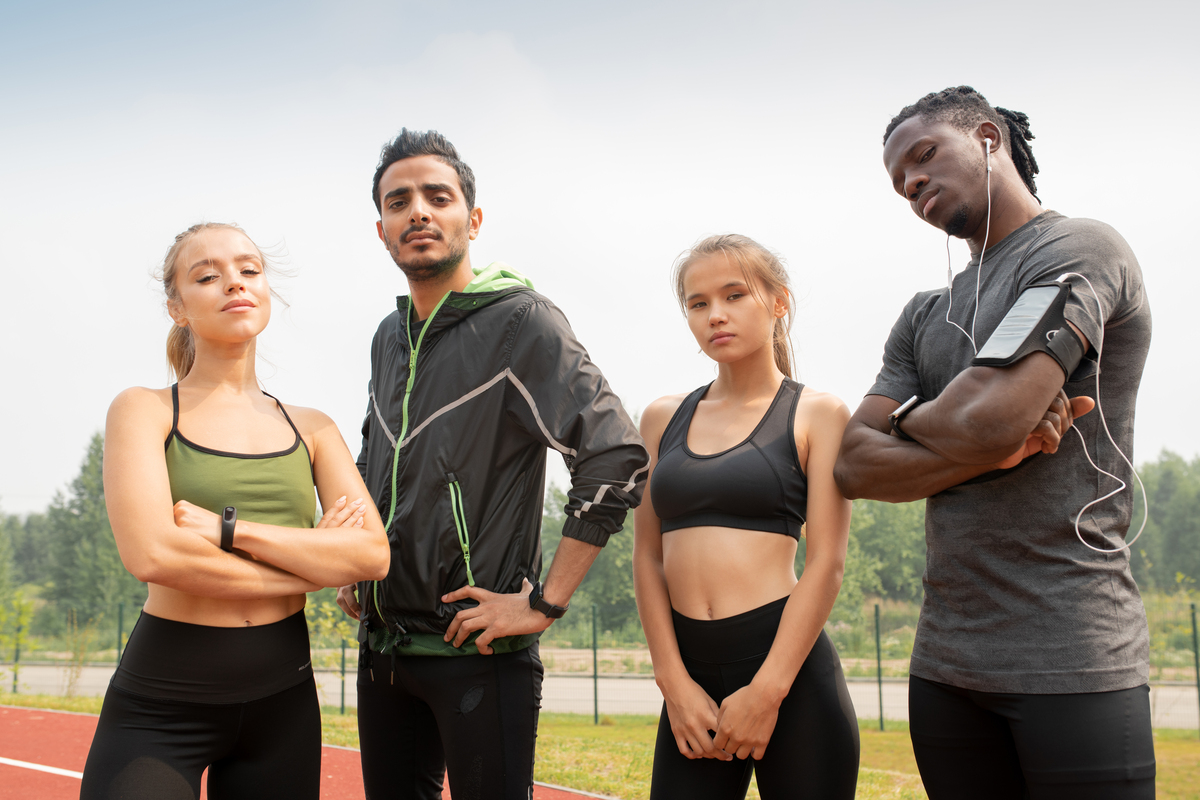
As international athletes increasingly participate in American college sports, they encounter a complex landscape when entering the Name, Image, and Likeness (NIL) market. Understanding the nuances of this market is crucial for their success. We will explore the challenges these athletes face, particularly the cultural hurdles that can impact their ability to capitalize on their NIL rights.
The NIL market presents a significant opportunity for international athletes to build their personal brand and generate revenue. However, navigating this market requires more than just athletic talent; it demands an understanding of the local culture and market dynamics. By exploring these challenges, we can help international athletes reach their full potential in the NIL market.
The NIL Revolution: Understanding the American College Sports Landscape
The NIL revolution is transforming American college sports by allowing athletes to profit from their name, image, and likeness. This significant shift has opened up new avenues for athletes to engage with their audience, sponsors, and brands. As a result, understanding the American college sports landscape is crucial for international athletes looking to navigate this new terrain.
The Evolution of NIL Policies in American College Sports
The evolution of NIL policies in American college sports has been rapid and transformative. Previously, strict regulations prohibited college athletes from profiting from their name, image, and likeness. However, with changing laws and NCAA policies, athletes can now capitalize on their personal brand. Key milestones include:
- The passage of state laws allowing NIL compensation
- NCAA policy changes to accommodate NIL activities
- The emergence of NIL collectives and platforms
How NIL Differs from International Sports Monetization Models
NIL policies in American college sports differ significantly from international sports monetization models. While international athletes often rely on professional contracts and endorsement deals, American college athletes can now leverage their NIL to secure sponsorships and partnerships. The table below highlights key differences:
| Aspect | American College Sports (NIL) | International Sports |
|---|---|---|
| Eligibility to Profit | College athletes can profit from NIL | Professional athletes profit through contracts and endorsements |
| Regulatory Framework | NCAA and state laws govern NIL activities | Varies by country and sport |
| Monetization Strategies | Focus on personal branding and social media | Often involves professional contracts and team endorsements |
By understanding these differences, international athletes can better navigate the complex landscape of American college sports and capitalize on the opportunities presented by NIL policies.
The Unique Position of International Student-Athletes
With their unique blend of cultural heritage and athletic prowess, international student-athletes are redefining the American college sports scene. As we explore their growing presence, we must consider the dual identity they navigate and the cultural expectations they face.
Demographics and Growing Presence in American College Sports
The number of international student-athletes participating in American college sports has seen a significant increase over the past decade. According to recent statistics, over 10% of college athletes are now international students, bringing diverse skills and perspectives to the field. This growth is not limited to a single sport but is observed across various collegiate athletic programs.
Dual Identity: Representing Home and Host Countries
International student-athletes often find themselves caught between two cultural identities – representing both their home country and their host country in the United States. This dual identity can be both a challenge and an opportunity.
Balancing Cultural Expectations
These athletes must balance the cultural expectations from their home country with the cultural norms of their host country. For instance, they may need to adapt their communication style to fit American cultural norms while maintaining their cultural heritage. As one athlete noted,
“It’s about finding that balance between being true to yourself and adapting to your new environment.”
Leveraging Cultural Background as an Asset
Their cultural background can be a significant asset in building their personal brand. By embracing their unique cultural identity, international student-athletes can differentiate themselves in the competitive NIL (Name, Image, and Likeness) market. Key strategies include:
- Highlighting their international appeal to attract global sponsors
- Using their cultural heritage to create unique content
- Engaging with fans from both their home and host countries
By leveraging these strategies, international student-athletes can turn their cultural background into a valuable resource in their athletic and professional careers.
Cultural Barriers in Communication and Language
International athletes entering the NIL market often face significant cultural barriers, particularly in communication and language. These barriers can affect their ability to negotiate contracts, build their personal brand, and ultimately succeed in the competitive world of American college sports.
Navigating Contract Negotiations in a Non-Native Language
Navigating contract negotiations in a non-native language can be daunting for international athletes. The complexity of legal terminology and the nuances of American business culture can make it difficult for athletes to fully understand the terms of their agreements. To overcome this, athletes can seek the assistance of professional interpreters or legal advisors familiar with both the language and the cultural context of American sports contracts.
Building an Authentic Personal Brand Across Language Divides
Building an authentic personal brand is crucial for athletes in the NIL era. However, language barriers can complicate this process. Athletes must find ways to communicate their brand effectively across different languages and cultural contexts. This involves developing bilingual content strategies and leveraging translation resources to ensure their message is conveyed clearly and consistently.
Translation and Interpretation Resources
Athletes can utilize various translation and interpretation resources to overcome language barriers. These include professional translation services for written content, such as contracts and marketing materials, and interpretation services for real-time communication, like negotiations and public appearances.
Developing Bilingual Content Strategies
Developing bilingual content strategies allows athletes to reach a broader audience, including fans from their home country and those in the United States. This can involve creating content in both their native language and English, using social media platforms to engage with fans in their preferred language.
Legal and Visa Complications for International Athletes
As international athletes navigate the evolving landscape of NIL opportunities, they must also contend with a myriad of legal and visa-related issues. The complexity of these challenges can significantly impact their ability to capitalize on their Name, Image, and Likeness.
F-1 Visa Restrictions and Work Limitations
International athletes on F-1 visas face specific restrictions that can limit their ability to engage in certain NIL activities. Understanding these limitations is crucial for compliance.
- Restrictions on off-campus work
- Limitations on receiving compensation for NIL activities
- Requirements for maintaining valid F-1 status
Tax Implications Across Multiple Countries
International athletes often have tax obligations in both their home country and the United States. Navigating these tax implications requires careful planning.
Key considerations include:
- Understanding U.S. tax laws and potential tax treaties
- Reporting income from NIL activities
- Potential tax liabilities in both the U.S. and their home country
Seeking Specialized Legal Expertise
Given the complexity of these issues, international athletes should seek specialized legal expertise to navigate F-1 visa restrictions and tax implications.
Compliance Strategies for International Athletes
To ensure compliance, international athletes can adopt several strategies, including:
- Regularly reviewing and updating their understanding of relevant laws and regulations
- Engaging with legal professionals who specialize in sports law and international taxation
- Maintaining detailed records of NIL activities and related financial transactions
Overcoming Cultural Barriers in Self-Promotion
As international athletes navigate the Name, Image, and Likeness (NIL) market in the United States, they often encounter cultural barriers that can hinder their self-promotion efforts. Self-promotion is a crucial aspect of succeeding in the NIL era, but cultural differences can significantly impact how athletes present themselves to potential sponsors and fans.
Collectivist vs. Individualist Cultural Approaches
One of the primary cultural differences that affect self-promotion is the distinction between collectivist and individualist cultures. Athletes from collectivist cultures, where the group’s needs are prioritized over individual goals, may find it challenging to adopt the more individualistic approach to self-promotion common in American culture.
In contrast, athletes from individualist cultures may be more comfortable with self-promotion but might need guidance on how to balance their personal branding with the expectations of their team or university.
Adapting Marketing Strategies While Maintaining Authenticity
To overcome these cultural barriers, international athletes must adapt their marketing strategies to resonate with American audiences while maintaining their cultural authenticity. This involves understanding the local market, being aware of cultural sensitivities, and leveraging their unique cultural background as a selling point.
Cultural Sensitivity in Personal Branding
Athletes should be mindful of cultural differences when creating content for their personal brand. For instance, what is considered modest in one culture might be seen as overly conservative or revealing in another. Being culturally sensitive helps athletes avoid unintended offense and build a more inclusive brand.
Finding Comfort in Self-Marketing
For many international athletes, self-marketing is a new and uncomfortable concept. Building confidence in their personal brand and finding comfort in self-promotion techniques can significantly enhance their NIL opportunities. This might involve working with marketing professionals who understand their cultural background.
To illustrate the differences in cultural approaches to self-promotion, consider the following table:
| Cultural Aspect | Collectivist Approach | Individualist Approach |
|---|---|---|
| Focus | Team/University | Personal Brand |
| Content Creation | Group-oriented | Personal story-driven |
| Marketing Strategy | Emphasizes community | Highlights individual achievements |
Social Media and Digital Presence Challenges
International athletes entering the NIL market must contend with the complexities of building a digital presence across different cultures. As they navigate this new landscape, they face unique challenges in establishing a robust social media presence that appeals to both their home country fans and their new American audience.
Platform Differences Across Global Markets
Different regions have varying levels of engagement on different social media platforms. For instance, while Instagram and TikTok are extremely popular in the United States, other platforms like WeChat or VKontakte might be more prevalent in China and Russia, respectively. International athletes need to understand these differences to effectively target their audience.
Content Creation Strategies for Cross-Cultural Appeal
Creating content that resonates across cultures is a significant challenge. Athletes must balance their personal brand with content that appeals to diverse cultural backgrounds. This involves understanding cultural nuances and preferences in media consumption.
Managing Time Zones and International Engagement
Managing time zone differences is crucial for maintaining an international fanbase. Athletes need to post content at times that are optimal for their global audience, not just their local fans.
Building a Following in Multiple Countries
To build a global following, athletes should engage with fans from different countries by using local languages and referencing local events or holidays. This helps in creating a more inclusive and diverse fanbase.
| Platform | Primary User Base | Content Strategy |
|---|---|---|
| Visual-centric, popular among younger demographics | Use high-quality visuals, behind-the-scenes content | |
| Real-time engagement, popular among news consumers | Utilize hashtags, engage in real-time discussions | |
| TikTok | Short-form video content, younger audience | Create engaging, short videos showcasing personality |
Understanding American Consumer Culture and Expectations
As international athletes enter the Name, Image, and Likeness (NIL) market in the United States, understanding American consumer culture becomes crucial for their success. American consumers have unique preferences and expectations when it comes to sports marketing and athlete endorsements.
American Sports Fan Engagement Patterns
American sports fans are known for their passionate engagement with their favorite teams and athletes. They often expect a strong sense of authenticity and a personal connection with the athletes they follow. This can manifest in various ways, such as through social media interactions, community events, and personalized content.
To effectively engage with American sports fans, international athletes need to understand these expectations and adapt their marketing strategies accordingly. This may involve creating content that resonates with local fan bases or participating in community events that foster a sense of connection.
Adapting Marketing Approaches to American Audiences
Adapting marketing approaches to American audiences requires a nuanced understanding of local preferences and cultural norms. International athletes should consider factors such as regional differences within the U.S. market and the timing of major sports events.
Regional Differences Within the American Market
Regional differences within the American market can significantly impact the effectiveness of marketing strategies. For instance, sports preferences vary widely across different regions, with some areas favoring football, while others prefer basketball or baseball. International athletes should tailor their marketing approaches to resonate with the specific regional audience they are targeting.
American Sports Marketing Calendar and Opportunities
The American sports marketing calendar is filled with various events and opportunities throughout the year. From major tournaments like March Madness in college basketball to the NFL season, there are numerous occasions for international athletes to capitalize on their NIL. By understanding this calendar, athletes can plan their marketing efforts to coincide with peak fan engagement periods.
Building Networks in a Foreign Environment
Creating a reliable network is essential for international athletes navigating the complex landscape of Name, Image, and Likeness opportunities. As they enter the NIL market, they encounter unique challenges that demand strong connections to overcome cultural, legal, and financial hurdles.
Finding Mentors Who Understand Cross-Cultural Dynamics
Identifying mentors who have experienced similar cross-cultural transitions can provide invaluable guidance. These mentors can offer insights into navigating the nuances of American college sports, NIL policies, and cultural differences. Mentorship programs that pair international athletes with experienced peers or alumni can significantly ease their transition.
Leveraging University Resources for International Athletes
Universities often provide dedicated resources for international athletes, including:
- Cultural liaison services to help navigate administrative and cultural challenges
- International alumni networks for mentorship and guidance
- Specialized legal and financial advice tailored to international athletes’ needs
Connecting with International Alumni
International alumni networks can provide a wealth of knowledge and experience. By connecting with alumni who have successfully navigated the NIL landscape, current international athletes can gain practical insights and advice.
Working with Cultural Liaison Services
Cultural liaison services play a crucial role in helping international athletes adapt to their new environment. These services can assist with everything from understanding local customs to navigating complex administrative tasks, allowing athletes to focus on their sport and NIL opportunities.
Bridging Home Country and American Opportunities
To maximize their market potential, international athletes need to effectively bridge their home country and American opportunities. This involves creating a balance between maintaining their global appeal and tapping into the American market.
Creating Dual-Market Appeal for Sponsors
International athletes can increase their attractiveness to sponsors by showcasing a dual-market appeal. This means highlighting their ability to reach both their home country’s audience and the broader American market.
Developing Global Brand Partnerships
By partnering with global brands, athletes can leverage their international background to create mutually beneficial partnerships. For instance, collaborations with international companies can help athletes maintain their global appeal while expanding into the American market.
Leveraging International Background as a Unique Selling Point
An athlete’s international background can be a significant selling point, offering a unique cultural perspective that can captivate a wide range of audiences. This diversity can be particularly appealing to brands looking to expand their global footprint.
Maintaining Relevance in Home Country Markets
While capitalizing on American opportunities, international athletes must also maintain their relevance in their home country markets. This can involve regular engagement with their local fan base through social media and community events.
Success Stories: International Athletes Thriving in the NIL Era
The changing landscape of college sports has enabled international athletes to capitalize on their brand value. As we explore the success stories of these athletes, we can identify key strategies that have contributed to their success in the NIL era.
Case Studies of Effective Cross-Cultural Brand Building
International athletes have demonstrated remarkable adaptability in building their brands across cultural boundaries. For instance, European athletes have successfully leveraged their existing global fan base to connect with American audiences.
Lessons Learned from Early International NIL Pioneers
Early adopters of NIL policies among international athletes have provided valuable insights into successful brand building strategies. These pioneers have shown that a combination of cultural sensitivity and innovative marketing is key to thriving in the American college sports landscape.
European Athletes in American College Sports
European athletes have brought a unique set of skills and global appeal to American college sports. Their ability to connect with fans from their home countries while adapting to the American sports culture has been particularly successful.
Asian and African Athletes Building Global Brands
Athletes from Asia and Africa are also making significant strides in building their brands. By leveraging their cultural heritage and connecting with their global diaspora communities, they are creating a strong presence in the NIL market.
| Region | Key Strategies | Success Factors |
|---|---|---|
| Europe | Leveraging global fan base, cultural adaptation | Strong brand recognition, high engagement |
| Asia | Cultural heritage, diaspora community engagement | Growing brand popularity, diverse sponsorships |
| Africa | Innovative marketing, cultural sensitivity | Increasing brand visibility, international partnerships |
Conclusion: Navigating Cultural Barriers for NIL Success
As international athletes navigate the complex landscape of Name, Image, and Likeness (NIL) opportunities in American college sports, they face unique cultural barriers that can impact their success. We have explored the various challenges these athletes encounter, from communication and language barriers to legal and visa complications.
To achieve NIL success, international athletes need guidance as they work to overcome these cultural barriers. This assistance can take many forms, including athlete networks, mentorship programs, and educational resources that help them understand the American sports landscape and consumer culture.
By understanding and addressing these cultural barriers, we can create a more inclusive environment where international athletes can thrive in the NIL era. Providing athletes with the right guidance is essential for helping them build their personal brand, navigate contract negotiations, and use their international background as a unique advantage.
As the NIL landscape continues to evolve, it is essential that we prioritize the needs of international athletes and provide them with the necessary tools and resources to succeed. By doing so, we can foster a more diverse and vibrant collegiate sports ecosystem that benefits athletes, fans, and the sports industry as a whole.
Learn More About the NIL Landscape
Name, Image, and Likeness plays an increasing role in college sports, and understanding how it works often requires more than individual articles or news updates.
RallyFuel is a platform focused on NIL-related topics across college athletics. It brings together information about athletes, NIL activity, and the broader structure behind modern college sports, helping readers explore the topic in more depth.
FAQ
What are the main cultural barriers international athletes face when entering the NIL market?
International athletes often encounter challenges related to communication, cultural differences, and understanding the American college sports landscape, including the nuances of NIL policies and consumer culture.
How do NIL policies differ from international sports monetization models?
NIL policies in American college sports are distinct from international models, focusing on the rights of athletes to profit from their name, image, and likeness, whereas international models may have different regulations and restrictions.
What are the key challenges international student-athletes face in balancing their dual identity?
International student-athletes must navigate representing both their home and host countries, balancing cultural expectations, and leveraging their cultural background as an asset in the NIL market.
How can international athletes overcome language barriers in contract negotiations?
International athletes can use translation and interpretation resources and seek legal expertise to navigate contract negotiations in a non-native language, ensuring they fully understand the terms and implications.
What are the tax implications for international athletes earning NIL income across multiple countries?
International athletes may face complex tax situations, with income earned in the United States potentially subject to U.S. tax, and income from their home country or other countries subject to local tax laws, requiring careful planning and compliance.
How can international athletes adapt their marketing strategies to American audiences while maintaining authenticity?
International athletes should understand American consumer culture and expectations, adapting their marketing approaches to resonate with American fans, while maintaining their unique cultural identity and authenticity.
What role do social media and digital presence play in an international athlete’s NIL success?
Social media and digital presence are crucial for international athletes, enabling them to build a global brand, engage with fans across different time zones, and create content that appeals to diverse cultural audiences.
How can international athletes use university resources to advance their NIL endeavors?
International athletes can make use of university resources—such as cultural liaison services, marketing and media departments, and athletic department guidance—to navigate the NIL landscape and strengthen their personal brand.
What are some strategies for creating dual-market appeal for sponsors?
International athletes can create dual-market appeal by highlighting their unique cultural background, showcasing their achievements in both their home country and the United States, and demonstrating their value to sponsors across multiple markets.
Where can international athletes find mentors who understand cross-cultural dynamics?
International athletes can find mentors through university programs, sports organizations, and professional networks, connecting with experienced individuals who have navigated similar cultural and professional challenges.
How can international athletes maintain relevance in their home country markets while pursuing NIL opportunities in the United States?
International athletes can maintain relevance in their home country markets by continuing to engage with local fans, sharing their experiences and achievements in the United States, and leveraging their international profile to promote their brand and sponsors.

Leave a Comment