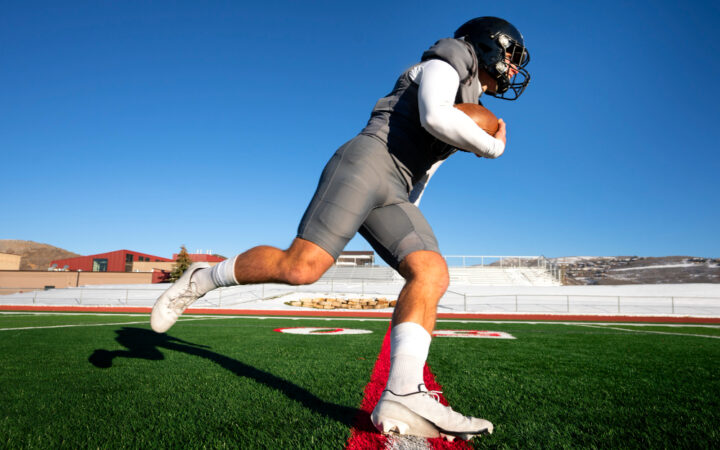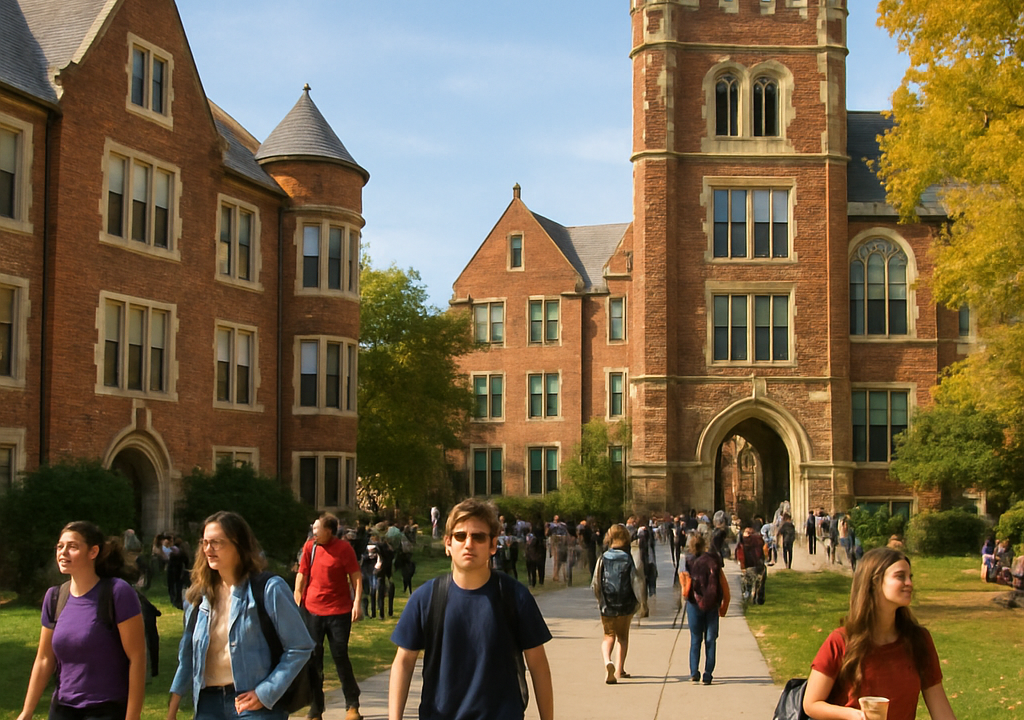
Division 2 schools in Pennsylvania sit in a practical middle ground for student-athletes who want strong competition without the full-time pressure
that often comes with Division I. The state has one of the strongest D2 footprints in the country, which gives families many options by major,
location, and sport.
For many recruits, this path means balancing training, travel, and academics in a way that still feels like a real college experience. If you are
comparing athletic fit and long-term affordability, Pennsylvania D2 programs are usually one of the first places to look.
Summary
Pennsylvania offers a dense NCAA Division II ecosystem led by the PSAC and supported by private independent programs. Recruits can find competitive
schedules, manageable travel, and scholarship opportunities through the D2 equivalency model. The smartest path is to shortlist schools by major,
financial fit, and coaching stability, then run a disciplined recruiting process.
Why Division 2 Schools in Pennsylvania Stand Out
NCAA Division II is built around a “Life in Balance” model, where athletics and academics are both priorities. In practice, that often means more
realistic scheduling, less disruptive travel than many D1 conferences, and a better chance to stay on track academically while still competing at a
high level.
Pennsylvania’s geography strengthens this model. Because many opponents are in-region, travel days are shorter and families can attend away games
more easily. That regional structure helps reduce missed class time and makes week-to-week routines more sustainable for student-athletes.
Inside the PSAC and the Public-School Advantage
The Pennsylvania State Athletic Conference (PSAC) is one of the best-known D2 conferences for recruits in the region. It includes many public
institutions and gives in-state families a strong combination of cost control and competitive athletics.
Programs are typically grouped by geography, which keeps conference travel practical. That matters for athletes who want to compete seriously while
still protecting academic performance and weekly recovery.
For conference background, you can review the
PSAC overview and compare it with NCAA school listings on
NCAA.com.
Private Division II Options in Pennsylvania
Public schools are not the only path. Private D2 institutions can offer smaller class sizes, different campus cultures, and in some cases flexible
aid packaging that combines institutional grants with athletic money.
Recruits comparing private vs public schools should look beyond sticker price alone. Net cost, academic support, internship access, and the coaching
staff’s track record often matter more than headline tuition numbers.
How D2 Scholarships Actually Work
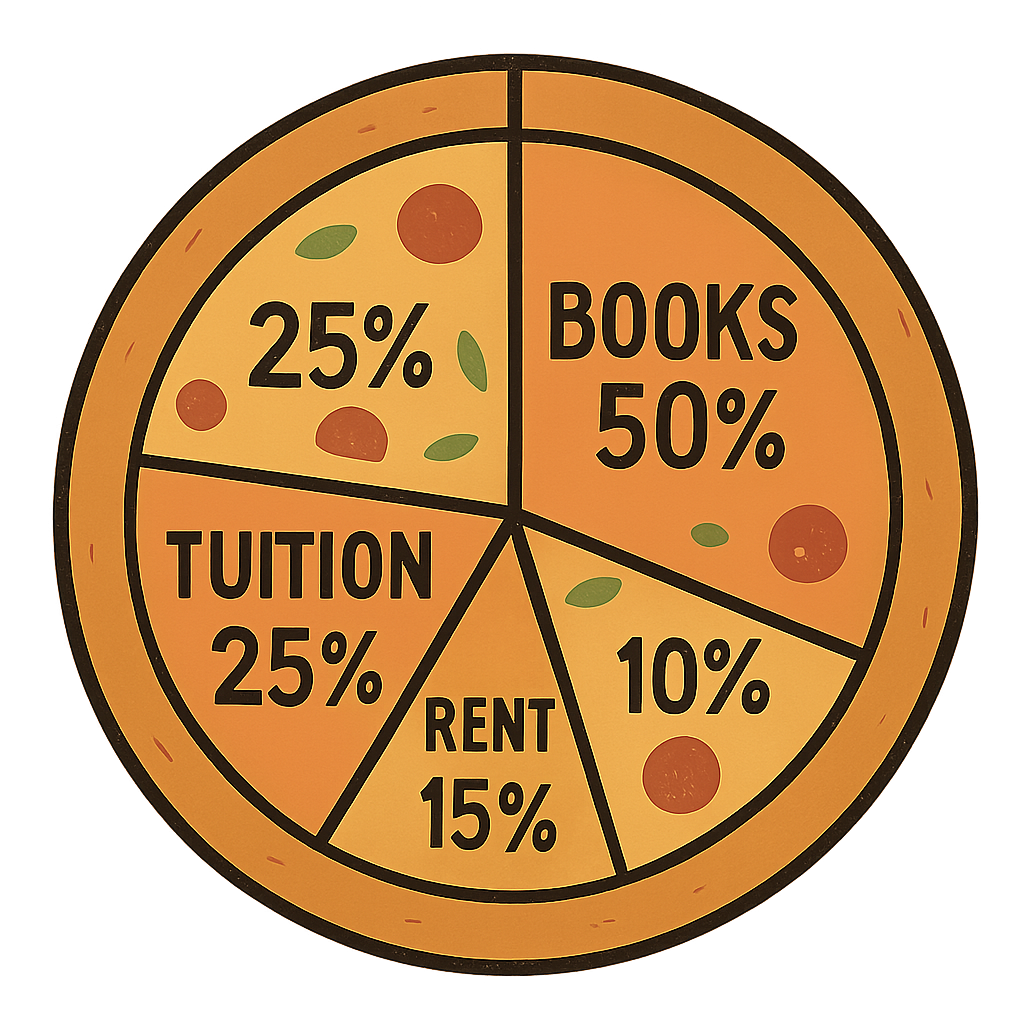
Many families expect full rides, but Division II usually operates on an equivalency system. Coaches divide scholarship budgets across the roster, so
partial awards are common.
This “pizza-slice” reality is not a downside by itself. When athletes combine partial athletic funding with academic merit aid and institutional
grants, total costs can become highly competitive. Strong grades and proactive financial planning often make a bigger difference than families expect.
Best Pennsylvania D2 Fits by Sport
Different programs rise by sport and by cycle, so recruits should evaluate trends rather than one-year snapshots. Football, baseball, basketball,
lacrosse, and golf all have established Pennsylvania D2 options with playoff history and strong local followings.
- Football: programs with consistent regional competitiveness and stable coaching staffs.
- Baseball: schools with postseason experience and long-term facility investment.
- Basketball: teams with strong conference depth and proven player development.
- Lacrosse and golf: programs that combine competitive schedules with manageable travel.
Use this as a framework, then validate with current rosters, staff continuity, and academic fit by major before narrowing your final list.
Recruiting Plan for High School Athletes
Recruiting into division 2 schools in Pennsylvania works best when approached like a structured campaign, not a one-time outreach email.
- Build a short highlight reel: put best game-speed clips in the first 30-45 seconds.
- Run a coach-contact sequence: intro email, mid-season update, and final season recap.
- Attend ID camps: direct evaluations are still one of the fastest trust-builders.
- Clarify offer terms: ask exactly what is athletic aid, academic aid, and total out-of-pocket cost.
Also account for transfer-portal competition. Coaches can fill needs with experienced players quickly, so recruits must show both athletic upside
and academic reliability.
Next Steps for Families
Create a shortlist of three to five division 2 schools in Pennsylvania based on academic major, distance from home, and realistic financial fit.
Then connect with coaching staffs and register early with the NCAA Eligibility Center process.
If you also want to track athlete ecosystems and school pages, you can review
RallyFuel school listings and broader updates on the
RallyFuel Blog.
Frequently Asked Questions
What makes Pennsylvania D2 programs different?
The combination of dense regional competition, practical travel, and the Division II “Life in Balance” model creates a sustainable environment for
athletes who care about both performance and graduation outcomes.
Can D2 scholarships cover full tuition?
Sometimes, but partial awards are more common. Most families achieve better results by stacking athletic aid with academic and institutional support.
Should I choose public or private D2 schools?
Choose by total fit: major, coaching stability, net price, campus culture, and long-term career support. The “best” option varies by athlete.