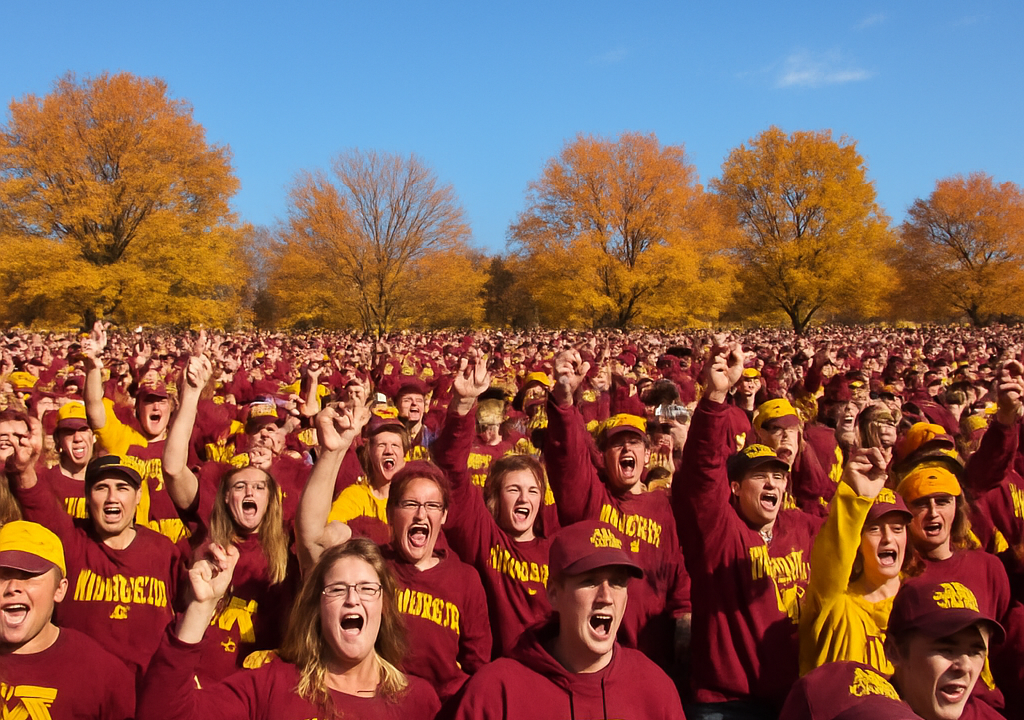
Minnesota college football teams represent one of the most layered football cultures in the Midwest. From Big Ten Saturdays in Minneapolis to packed
small-college rivalry games across the state, the ecosystem blends tradition, local identity, and new-era roster movement.
If you are new to Minnesota college football, the easiest way to understand it is by tiers: Division I programs with major media visibility,
scholarship-backed Division II contenders, and deeply rooted Division III schools that run on tradition and community pride.
Summary
Minnesota’s college football scene is anchored by the University of Minnesota in the Big Ten, expanded by St. Thomas’s rapid D1 rise, and sustained
by powerful D2 and D3 programs such as Minnesota State Mankato, UM-Duluth, and St. John’s. Rivalries, game-day culture, and modern forces like NIL
and the transfer portal all shape the state-wide experience for fans and recruits.
The Flagship Program: Golden Gophers in the Big Ten
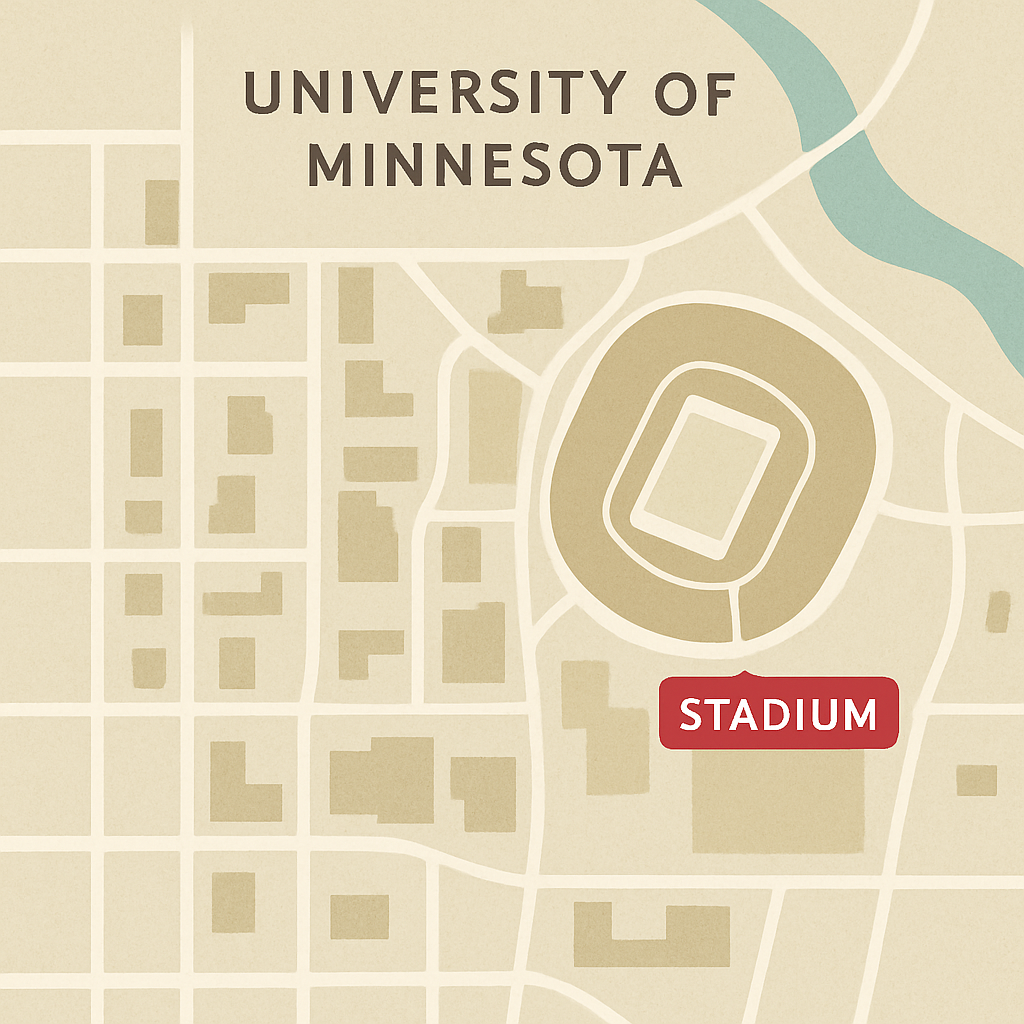
The University of Minnesota drives the largest football audience in the state. Home games at Huntington Bank Stadium are built around long-standing
traditions, student sections, alumni presence, and rivalry storylines that keep the program central to Minnesota’s fall sports identity.
New fans can follow updates directly from the official
Gophers football page. For broader historical context, the
Minnesota Golden Gophers football overview is a useful reference.
Much of the emotional pull comes from repeat rituals: marching-band energy, stadium chants, and rivalry hardware that gives each season continuity
with generations of fans before it.
St. Thomas and the New Division I Layer
St. Thomas changed the local map by moving from Division III to Division I, creating a second high-visibility D1 option in the Twin Cities market.
That move gave Minnesota fans a different D1 identity: a metro-based program with a more compact campus feel and a distinct recruiting lane.
Team news, schedule flow, and roster updates are available on
Tommies football. Even for casual fans, this program is now a regular part of statewide
Minnesota football conversations.
D2 and D3 Programs That Drive Local Identity
Beyond the metro spotlight, Minnesota football is powered by programs where regional pride is the main engine. Division II teams like Minnesota State
Mankato and UM-Duluth regularly compete at a high level, while Division III powers such as St. John’s preserve one of the most recognizable
small-college football traditions in the country.
These levels often create the most personal game-day environments: smaller venues, familiar rivals, and fan bases that follow programs across decades
rather than just hype cycles.
- Division I: largest media footprint, broader recruiting range, and major-conference pressure.
- Division II: scholarship-supported depth and consistent regional playoff contention.
- Division III: no athletic scholarships, with strong emphasis on school tradition and alumni culture.
Rivalries and Traditions That Matter
Minnesota football culture is defined by repeat rivalries as much as by rankings. Historic matchups shape how fan bases talk about each season,
especially in years when conference races tighten late.
At the largest level, Big Ten rivalry narratives frame the Gophers season. At smaller-school levels, regional showdowns create equally intense local
stakes, often with long memory and strong attendance even when national media attention is limited.
The Modern Shift: NIL and the Transfer Portal
NIL and transfer mobility now influence every layer of Minnesota college football teams. Players can build personal earning opportunities, and coaches
can adjust rosters faster than before through portal additions.
For fans, this means year-to-year roster continuity can change quickly, and recruiting conversations now include visibility, development, and personal
brand opportunity alongside depth chart fit.
To track athlete ecosystems and school-level pages, you can browse
RallyFuel Minnesota school data and ongoing coverage on the
RallyFuel Blog.
Fan Blueprint: How to Follow the Season
If you want to follow the state like an insider, pick one anchor program and one smaller-school program. That gives you both the high-visibility D1
perspective and the regional rivalry perspective that defines Minnesota football depth.
- Track weekly context: schedule difficulty, injury news, and conference position.
- Learn game-day rhythm: parking, kickoff timing, and local pregame patterns.
- Compare divisions: how roster construction and scholarship structure differ by level.
- Follow local reporting: Friday updates usually set the best context for Saturday outcomes.
Frequently Asked Questions
What is the best starting point for new Minnesota college football fans?
Start with the Gophers for statewide context, then add one D2 or D3 program to understand how deep the culture runs outside the Big Ten spotlight.
Are smaller Minnesota programs still relevant if I mostly watch Division I?
Yes. Many of the state’s strongest traditions, rivalry atmospheres, and long-term fan communities are rooted in D2 and D3 football.
How have NIL and transfers changed the fan experience?
Rosters change faster, recruiting conversations are more public, and player branding matters more than in previous eras. Following trusted weekly
updates is now essential for understanding team trajectory.