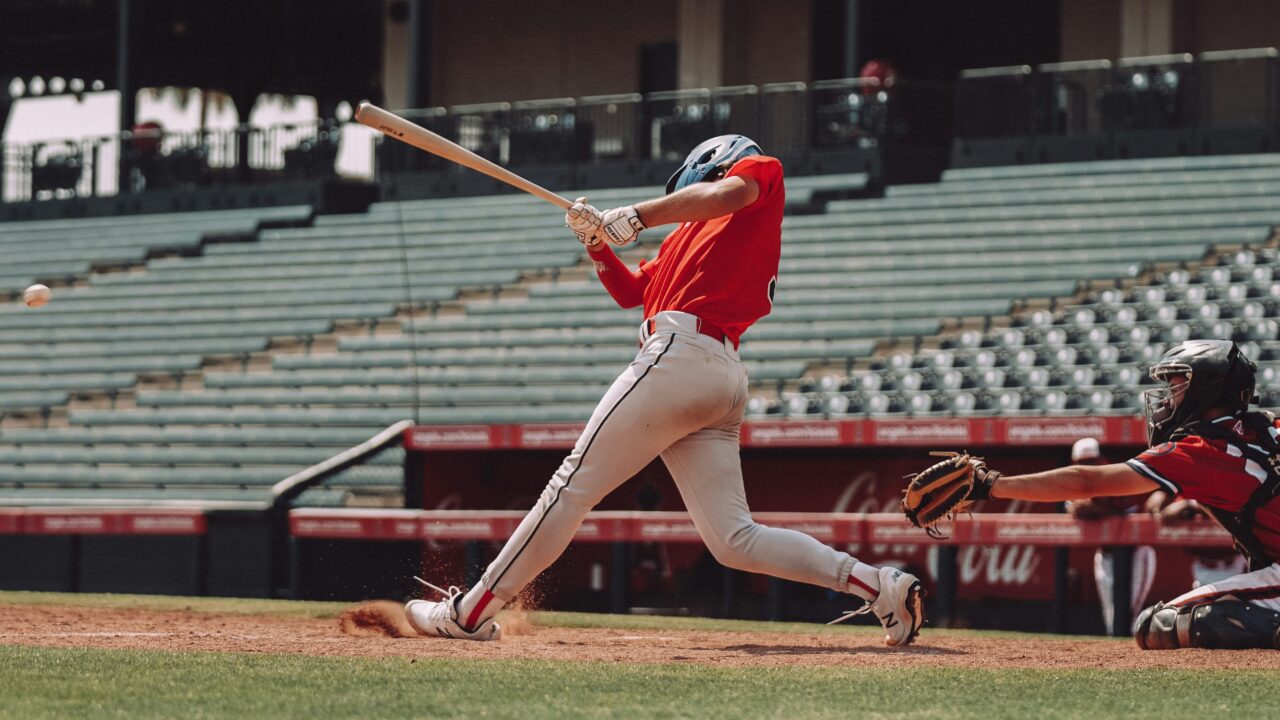
Tennessee Vols baseball has shifted from a respected SEC program to a national benchmark over the last several seasons. That rise changed fan
expectations, recruiting conversations, and how opponents evaluate every weekend series against Tennessee.
Entering 2026, the program carries championship-level pressure, a strong development reputation, and one of the loudest home environments in college
baseball. For new fans and long-time followers alike, this guide outlines what defines the current Tennessee era and what matters most this season.
Summary
Tennessee Vols baseball enters 2026 with elite expectations built on recent postseason consistency, major draft output, and a deeply engaged fanbase.
The program’s identity now combines SEC toughness, a high-energy home atmosphere at Lindsey Nelson Stadium, and a modern player-development approach.
The central question is no longer whether Tennessee belongs nationally, but how it sustains that standard in a new coaching chapter.
How Tennessee Vols Baseball Reached National Level
Tennessee’s rise was built on recruiting, roster development, and consistency in high-pressure SEC competition. Instead of one breakthrough year, the
Vols stacked multiple deep postseason runs and built a profile that now places them in preseason and in-season national conversations by default.
That consistency matters in baseball more than one-off momentum. Programs that repeatedly advance through regionals and super regionals typically have
strong systems behind the scenes: pitching depth planning, lineup flexibility, and player progression from role contributors to draft prospects.
2024 Championship Context and Program Identity
Tennessee’s national title run established a clear reference point for the current era. It validated the program’s offensive ceiling, pitching
adaptability, and ability to perform against elite competition in June.
Since then, every Tennessee season is viewed through a championship lens. That means fans, media, and opponents evaluate the Vols not only by record,
but by postseason readiness, roster balance, and performance against top-tier SEC arms.
Lindsey Nelson Stadium and Vols Game-Day Culture
Lindsey Nelson Stadium has become one of the signature venues in the SEC. Crowd pressure, home-run celebrations, and student-section energy all shape
game flow in ways that are visible even on national broadcasts.
Tennessee’s baseball identity is now inseparable from this atmosphere. The traditions are not just visual branding; they reflect confidence,
continuity, and the program’s belief that home weekends should feel like postseason baseball in March, April, and May.
SEC Schedule and Postseason Roadmap
The SEC remains the toughest weekly test in college baseball. There are few soft weekends, and even mid-table teams usually run out frontline pitching
and veteran lineups. For Tennessee, conference performance is still the clearest indicator of June potential.
- SEC weekends: establish national resume strength and hosting position leverage.
- Conference tournament: sharpens seeding context and bullpen strategy before regionals.
- NCAA Regionals/Supers: reward roster depth and in-series adjustment quality.
- Omaha path: favors teams that can win both high-scoring games and low-margin pitching battles.
Fans tracking the national picture can monitor DI championship context on
NCAA Men’s College World Series coverage.
MLB Pipeline and Player Development
Tennessee has become a program where draft development is expected. Strong pitcher usage models, modern analytics, and role clarity throughout the
season help convert talented recruits into pro-ready players.
In today’s environment, the MLB decision timeline is also tied to NIL opportunity and roster movement. Some athletes now stay longer in college,
while others use strong Tennessee seasons to accelerate draft stock.
For NIL and transfer context around current athletes, fans can use
RallyFuel Tennessee baseball,
Transfer Tracker, and
NIL explainer coverage.
The 2026 Coaching Chapter
Tennessee begins 2026 under Josh Elander, and the immediate challenge is sustaining a high standard during transition. In top programs, first-year
leadership is judged on continuity as much as innovation: lineup identity, bullpen trust, and response in major conference series.
Early signals to watch include weekend rotation stability, run prevention in tight games, and how quickly new contributors settle into SEC play.
Program-level expectations remain high because the infrastructure and talent baseline are already in place.
Tickets, Access, and Following the Team Weekly
Demand for SEC home games remains strong, especially for rivalry weekends and postseason-positioning series. Fans planning attendance should monitor
official channels early and expect limited inventory for marquee dates.
Team updates, recaps, and schedule information are available through
Tennessee Athletics baseball coverage. Fans who also follow school-level NIL and engagement trends
can browse RallyFuel Predictions and broader updates on the
RallyFuel Blog.
Frequently Asked Questions
What defines Tennessee Vols baseball in 2026?
A championship-level expectation base, strong SEC competitiveness, high home-field intensity, and a roster-development model that consistently feeds
professional baseball pipelines.
Is Tennessee still built to make a deep postseason run?
Yes, if the Vols maintain weekend pitching depth and defensive consistency in conference play. The program standard now centers on hosting leverage
and June viability, not just regular-season momentum.
Where should fans track the team throughout the season?
Use official Tennessee Athletics coverage for schedule and game updates, NCAA channels for bracket context, and RallyFuel tools for NIL, transfer,
and community prediction trends.