

Summary
Duke’s NIL era transforms Blue Devil athletes into entrepreneurial influencers, with Duke’s national brand amplifying their market value. Deals flow through national endorsements, local partnerships, and donor-backed collectives, supported by professional infrastructure like the NIL GM (Rachel Baker) and the Iron Works Collective. Case studies (e.g., Jared McCain, Cooper Flagg) show social reach driving revenue across both marquee and Olympic sports, while local Durham businesses benefit from accessible campaigns. Duke pairs compliance with financial literacy, navigates favorable North Carolina legislation, leverages NIL in recruiting and retention, and reframes the “Brotherhood” for a professionalized future that invites active fan participation.
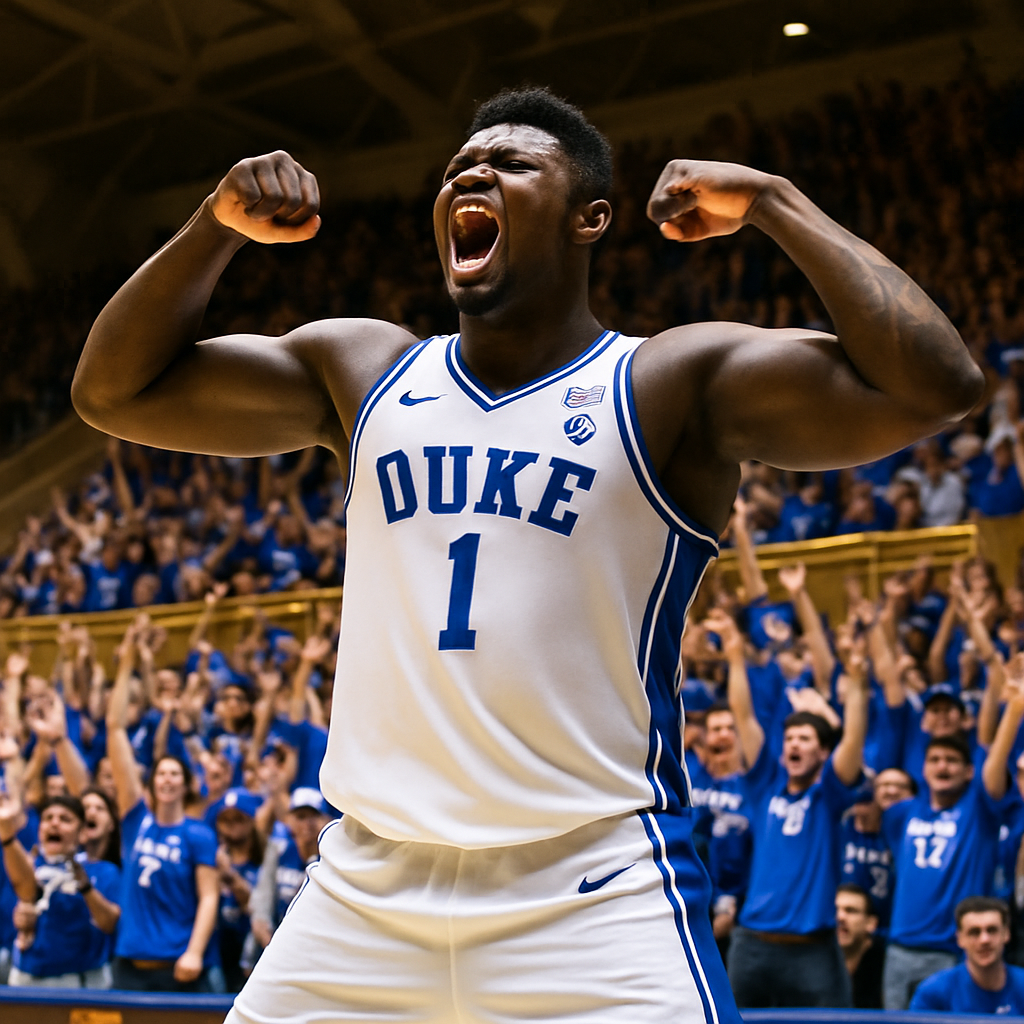
![A high-action photo of a basketball player celebrating at Cameron Indoor Stadium, symbolizing the energy and brand power of Duke athletics.]
For decades, a Duke jersey represented amateur pride and pure competition. Today, for viral stars like Jared McCain, that same uniform anchors a multi-million dollar enterprise. This transformation marks the definitive end of the traditional amateur era, turning college athletes into modern influencers who wield massive economic power.
This seismic shift is fueled by Name, Image, and Likeness (NIL) rules. NIL grants players the right to operate like a small business—charging for autographs, appearing in commercials, or monetizing social media posts without violating NCAA regulations on student athlete endorsements. It is no longer just about points scored on the court; it is about marketability off it.
Duke occupies a unique position in this landscape, blending elite academics with a massive national following that drives up player value. Breaking down the mechanics of duke university nil deals identifies how the school navigates this professionalized environment. Furthermore, analyzing the Impact of name image and likeness on Duke recruiting reveals how the Blue Devils balance their legendary “Brotherhood” culture with the reality of the new sports economy.
From Jersey Sales to Brand Empires: Breaking Down the Mechanics of Duke NIL
It wasn’t long ago that accepting a free bagel could cost a player their eligibility, but the landscape shifted permanently in 2021. The Supreme Court’s decision in NCAA v. Alston effectively forced the NCAA to open the door, allowing student-athletes to finally monetize their fame just like any other influencer. This isn’t “pay-for-play” where the school cuts a check for touchdowns; instead, it is a regulated market where value is exchanged for services like social media posts, autographs, or commercials.
Not all jerseys hold the same weight in this new marketplace. A partnership with an athlete wearing Duke blue carries a premium because of the university’s massive national TV exposure and passionate alumni base. This “Duke Factor” significantly boosts a player’s market valuation, meaning a Blue Devil often commands a higher price tag for a sponsored Instagram story than a player with similar stats at a less visible program.
These financial opportunities generally flow through three distinct channels:
- National Endorsements: High-profile campaigns with global brands like Nike or Gatorade, usually reserved for household names.
- Local Partnerships: Agreements with Durham businesses, such as car dealerships or restaurants, requiring in-person appearances.
- Collective-Funded Opportunities: Contracts funded by donor pools where athletes are paid for community service or fan engagement.
While commercial ads are visible, the donor-led “collective” is often the engine keeping teams competitive in recruiting. Managing these millions without violating NCAA rules requires serious professional oversight.
The Architects of the Brotherhood: How Rachel Baker and the Iron Works Collective Fuel Success

When headlines announced the creation of the Rachel Baker Duke NIL general manager role, it signaled that the university was treating this era with professional seriousness rather than as a temporary administrative burden. Unlike the chaotic early days where coaches tried to manage contracts between film sessions, Duke brought in a former Nike executive to build a sophisticated strategy from the ground up. This move provided a dedicated expert to educate players on their value, ensuring the program was proactive rather than reactive to the market’s rapid changes.
![Image: A professional office setting showing a strategic planning session, representing the business side of Duke sports management.]
Navigating the complex regulations requires a central hub to connect athletes, compliance officers, and external partners. The General Manager functions as this vital bridge, vetting opportunities to ensure they align with the university’s prestigious reputation while maximizing the athletes’ financial windows. This internal structure offers a layer of protection and professionalism that many rival schools lack, allowing the players to focus on winning games while their business interests are safeguarded by industry veterans.
Beyond the campus offices, the heavy lifting of funding often falls to the Iron Works Collective, the primary external engine powering these opportunities. This independent organization pools contributions from donors to facilitate deals that frequently require athletes to engage in community service. For fans wondering how to support Blue Devils through the Iron Works Collective, the model turns fandom into philanthropy; contributions help players partner with local Durham charities, ensuring the money supports both the team’s retention and the surrounding community.
Standing out in a crowded field requires more than just history, and comparing ACC NIL programs and resources reveals that Duke’s combination of elite internal management and robust external support is a major differentiator. Why athletes choose the Iron Works Collective often comes down to trust; they know their contracts are backed by a stable infrastructure rather than empty promises. This professional foundation sets the stage for individual players to launch massive personal brands, turning college athletes into household names.
From TikTok Icons to National Stars: Analyzing Duke’s Multi-Million Dollar NIL Case Studies
While scoring points on the court remains vital, the modern scoreboard for earnings is often found on TikTok and Instagram. Athletes are now valued as media entities, where a viral dance video can be just as lucrative as a buzzer-beater. Jared McCain exemplified maximizing social media influencer value for college players by leveraging his millions of followers to secure partnerships with beauty brands and tech giants like Bose. His strategy proved that personality drives profit, allowing players to build wealth based on who they are, not just how they play.
The landscape of branding opportunities for Duke basketball stars and other athletes varies significantly based on their unique appeal:
- Jared McCain: Broke traditional molds by partnering with nail polish brand Sally Hansen, proving that authentic self-expression taps into demographics that sports marketing usually misses.
- Cooper Flagg: Secured a massive partnership with New Balance before playing a single college game, demonstrating how high-school hype and projected NBA success translate immediately into national endorsements.
- Olympic Sports: Athletes in fencing or track often secure deals with specialized equipment manufacturers, monetizing their specific expertise rather than mass fame.
It is a misconception that these deals are reserved exclusively for the faces seen on ESPN. The name image and likeness benefits for non-revenue sports—like soccer, lacrosse, and field hockey—are substantial because these athletes often carry higher trust with their followers. Brands recognize that a recommendation from a relatable softball player often converts better than a generic ad, creating a sustainable income stream for students across the entire athletic department. As national brands chase viral stars, a parallel economy is booming right in our backyard, where community connection matters more than follower counts.
Why Local Durham Businesses are Winning the NIL Game
Name, Image, and Likeness deals are not exclusive to Fortune 500 companies with deep pockets. The evolution of NIL infrastructure in Durham collegiate sports tells a completely different story. Small businesses are actively finding immense value by partnering with athletes for reasonable rates, which often range from a few hundred dollars for a social media post to a couple thousand for an in-person appearance. This accessibility transforms college stars from distant television celebrities into tangible community partners who can drive real foot traffic to local restaurants and retail shops.
Engaging a Blue Devil for a campaign is surprisingly straightforward for Main Street entrepreneurs. The process typically utilizes Duke sports marketing marketplaces or third-party platforms where business owners can filter athletes by sport, propose specific deliverables, and negotiate fees directly. The steps for local businesses to hire Duke athletes almost always include a mandatory compliance check—a digital approval process ensuring the deal meets university and NCAA rules—before any contracts are signed or commercials are filmed.
These partnerships succeed because local fans inherently trust their teams more than generic advertising. When a beloved point guard endorses a Durham coffee shop, it carries the weight of a neighbor’s recommendation rather than a paid actor’s script. However, as these checks—whether $500 or $50,000—start clearing into student bank accounts, young athletes suddenly face a complicated new opponent that requires a very different skillset to defeat.
The Professional Athlete Playbook: Financial Literacy and the Tax Realities of NIL
The moment a sponsorship deposit hits a player’s bank account, the clock starts ticking on a responsibility most college students never have to worry about: the IRS. Because NIL deals classify athletes as independent contractors rather than employees, taxes aren’t automatically deducted from their paychecks. This means a significant portion of that “life-changing money” must be set aside immediately to cover federal obligations and North Carolina state income tax for athlete earnings, or the player could face a surprise debt come April.
To prevent these financial fumbles, the university has integrated money management directly into the student-athlete development curriculum. Duke University athletic department compliance guidelines now pair rule-following with wealth-building education, ensuring players understand they are essentially running small businesses. Through financial literacy workshops for Blue Devil athletes, experts break down the mechanics of solvency, focusing on four pillars of stability:
- Tax withholding: Calculating exactly how much to save from every check.
- Contract review: Identifying red flags before signing.
- Budgeting for 1099 income: Managing cash flow when payments are irregular.
- Long-term investing: Turning short-term fame into future security.
Mastering the tax code is difficult, but it represents only one side of the liability coin. While accounting principles remain constant, the specific permissions regarding how deals are structured can vary wildly depending on jurisdiction. This friction between financial realities and amateurism rules sets the stage for the next major hurdle: Navigating the Legal Maze.
Navigating the Legal Maze: North Carolina Legislation and NCAA Compliance
While federal taxes are unavoidable, the rules governing how deals are actually made have historically been much murkier. Thankfully, recent North Carolina NIL legislation for college athletes has provided much-needed stability by explicitly protecting the rights of schools to facilitate opportunities for their players. This legislative shield prevents the NCAA from penalizing institutions for being involved in deal-making, allowing Duke to be more hands-on. Compliance is no longer just about policing bad behavior; it is now about finding a safe, legal pathway to say “yes” to lucrative partnerships.
This clarity is vital because the modern roster operates much like professional free agency. The impact of name, image, and likeness on Duke recruiting is undeniable, particularly when navigating the Transfer Portal. In previous years, players usually transferred solely for playing time, but today, financial packages are often the deciding factor. A robust NIL program acts as a critical retention tool, ensuring that a star player’s market value is met in Durham so they don’t feel the need to test the waters at rival schools.
To handle this volume of activity, the evolution of NIL infrastructure in Durham collegiate sports has shifted rapidly from scattered, ad-hoc deals to a centralized strategy. Organizations like the Iron Works Collective work in tandem with the athletic department to ensure every contract meets strict compliance standards. This professionalized approach protects athletes from predatory agreements that could jeopardize their eligibility while ensuring the team remains competitive in the national arms race.
Ultimately, these legal frameworks and recruiting tools are simply mechanisms designed to keep the Blue Devils winning. However, introducing business transactions into a locker room traditionally built on selfless sacrifice raises a fundamental question about the spirit of the game. As we look ahead, we must consider if the famous “Brotherhood” can truly survive in an era where teammates are also independent contractors.
Conclusion: The Future of the Brotherhood in the Era of Paid Players
The era of viewing Duke athletes strictly as amateurs is over, but that doesn’t mean the spirit of the “Brotherhood” is fading. Instead, it has expanded. Duke University NIL deals aren’t simply about paychecks; they are real-world business seminars where players learn to navigate the Duke sports marketing machine. The job description of a Blue Devil has evolved from just winning games to winning in the marketplace, ensuring the program remains elite in a changing landscape.
Fans have moved from passive spectators to active participants in this ecosystem. Here is how you can directly impact the team’s success:
- Shop Smart: Prioritize purchasing from local businesses that actively sponsor Duke athletes.
- Boost Visibility: Follow and engage with players on social media to increase their brand value.
- Join the Team: Contribute to the Iron Works Collective to help sustain competitive recruiting resources.
Looking ahead, the next five years will likely blend professional revenue sharing with the prestigious Duke degree, creating a powerhouse model for college sports. This evolution positions Duke not just to survive the NIL era, but to define it. The game has changed, but with your support, the standard in Durham remains exactly the same.
Learn More About the NIL Landscape
Name, Image, and Likeness plays an increasing role in college sports, and understanding how it works often requires more than individual articles or news updates.
RallyFuel is a platform focused on NIL-related topics across college athletics. It brings together information about athletes, NIL activity, and the broader structure behind modern college sports, helping readers explore the topic in more depth.
👉 Explore the Athletes on RallyFuel – Discover top college athletes, compare NIL valuations, and dive deeper into the world of NIL.
Q&A
Question: What is NIL at Duke, and how is it different from pay‑for‑play?
Short answer: NIL allows Duke athletes to earn money for services tied to their name, image, and likeness—such as social media posts, autographs, commercials, and appearances—without the school paying them to play. It is not pay‑for‑play; compensation must b
e in exchange for deliverables. Most deals come via three channels: national endorsements, local partnerships in Durham, and donor‑backed collective opportunities.
Question: What is the “Duke Factor,” and why does it raise an athlete’s market value?
Short answer: Duke’s massive national TV exposure, global brand, and engaged alumni base create a premium environment for sponsors. The visibility and credibility attached to “Duke blue” mean a Blue Devil often commands higher rates than similarly skilled peers at less visible programs, boosting returns across national campaigns, local deals, and collective‑funded engagements.
Question: Who oversees Duke’s NIL efforts, and how does the Iron Works Collective fit in?
Short answer: Duke hired Rachel Baker as its NIL General Manager to centralize strategy, educate athletes, and vet opportunities for brand fit and compliance. The Iron Works Collective is an independent, donor‑funded group that facilitates compliant agreements—often tied to community service—that support recruiting and retention. Together, they provide the professional infrastructure and trust many athletes and partners look for.
Question: Do only basketball stars benefit, or do Olympic‑sport athletes see meaningful NIL value too?
Short answer: Value spans the entire department. High‑profile examples like Jared McCain (Sally Hansen, Bose) and Cooper Flagg (New Balance, before playing a college game) highlight the power of social reach, while Olympic‑sport athletes often secure specialized endorsements where their authenticity and niche expertise convert exceptionally well with followers.
Question: How are compliance, taxes, and state laws handled—and how do they affect recruiting and retention?
Short answer: Every deal runs through mandatory compliance checks to protect eligibility, and Duke pairs rule education with financial literacy (tax withholding, 1099 budgeting, contract review, and long‑term investing). Athletes are treated as independent contractors, so they must set aside funds for federal and North Carolina taxes. Favorable North Carolina legislation lets schools more actively facilitate opportunities, strengthening Duke’s hand in recruiting and transfer‑portal retention.



Leave a Comment