
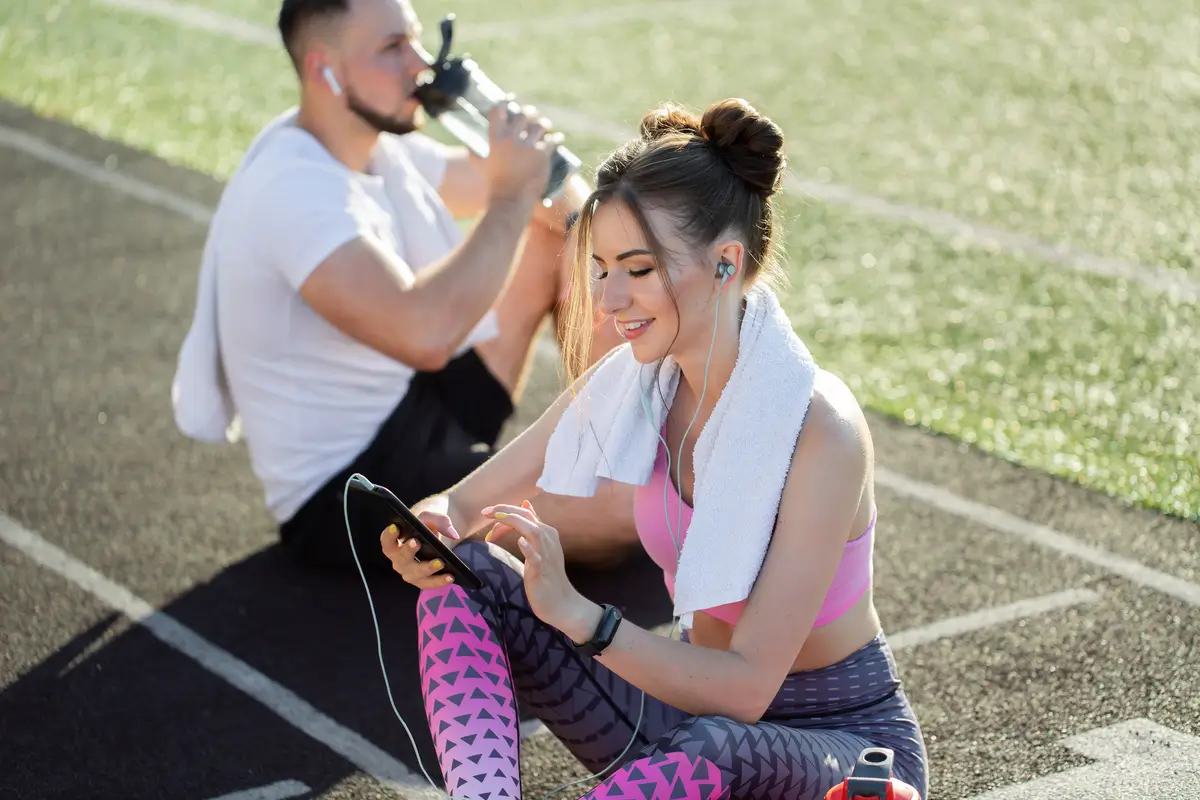
Walking along the St. Pete Pier, you might spot an Eckerd College sailor modeling specific sunglasses. Just years ago, this was prohibited, but Eckerd College NIL deals have transformed these students into neighborhood entrepreneurs.
This system grants the “Right of Publicity,” allowing St. Petersburg athletes to earn money for endorsements rather than a professional salary. Consequently, students can monetize their name, image, and likeness while supporting the local coastal economy.
Why Small Market Schools Win with Local Partnerships
While major universities operate like multinational corporations, Division II institutions function more like boutique agencies. The scale here isn’t about million-dollar contracts; it is about authentic community connection. Under current NCAA Division II NIL guidelines, the focus shifts from mass-market exposure to hyper-local engagement, meaning a student is more likely to partner with a Beach Drive café than a national car brand.
The Sunshine State explicitly protects this right to earn. Florida name image and likeness legislation prohibits schools from blocking outside compensation, ensuring students can accept “micro-deals”—often ranging from $50 to $500 or product trades—without risking their scholarships. This legal framework provides the security needed for students to experiment with entrepreneurship.
For St. Petersburg businesses, this offers a direct line to the campus demographic. Triton athlete sponsorship opportunities provide high engagement because the audience consists of actual classmates and neighbors rather than distant fans. Common partnership types include:
- Social media posts featuring local products
- Guest appearances at community events
- Endorsements for marine or coastal gear
With the local value established, the process turns to the logistics of setting up a deal.
3 Steps to Launching a Legal Eckerd Athlete Sponsorship
Initiating a partnership requires more than a simple handshake to keep a student-athlete eligible on the court or field. Compliance for college sports endorsements relies on proving that money is exchanged for actual work—like an autograph session or Instagram post—rather than athletic performance. To avoid “pay-to-play” violations and protect the student’s scholarship, every deal follows a specific rhythm:
- Agreement Creation: The business and student draft a contract outlining the specific services (e.g., three social media posts) and the fee.
- School Disclosure: The athlete submits the deal details to the Eckerd athletic department before performing the work.
- Performance of Service: The student fulfills the obligation, and payment is released only after the work is documented.
Connecting with the right Triton usually happens where students spend their time: online. While some deals spark from in-person conversations at St. Pete shops, many athletes utilize small college NIL marketplace platforms designed to simplify the legal paperwork. These digital tools handle the heavy lifting of monetizing college athlete social media, ensuring that a simple promotion doesn’t become a regulatory headache. With the logistics handled, the focus shifts to the long-term impact of these collaborations.
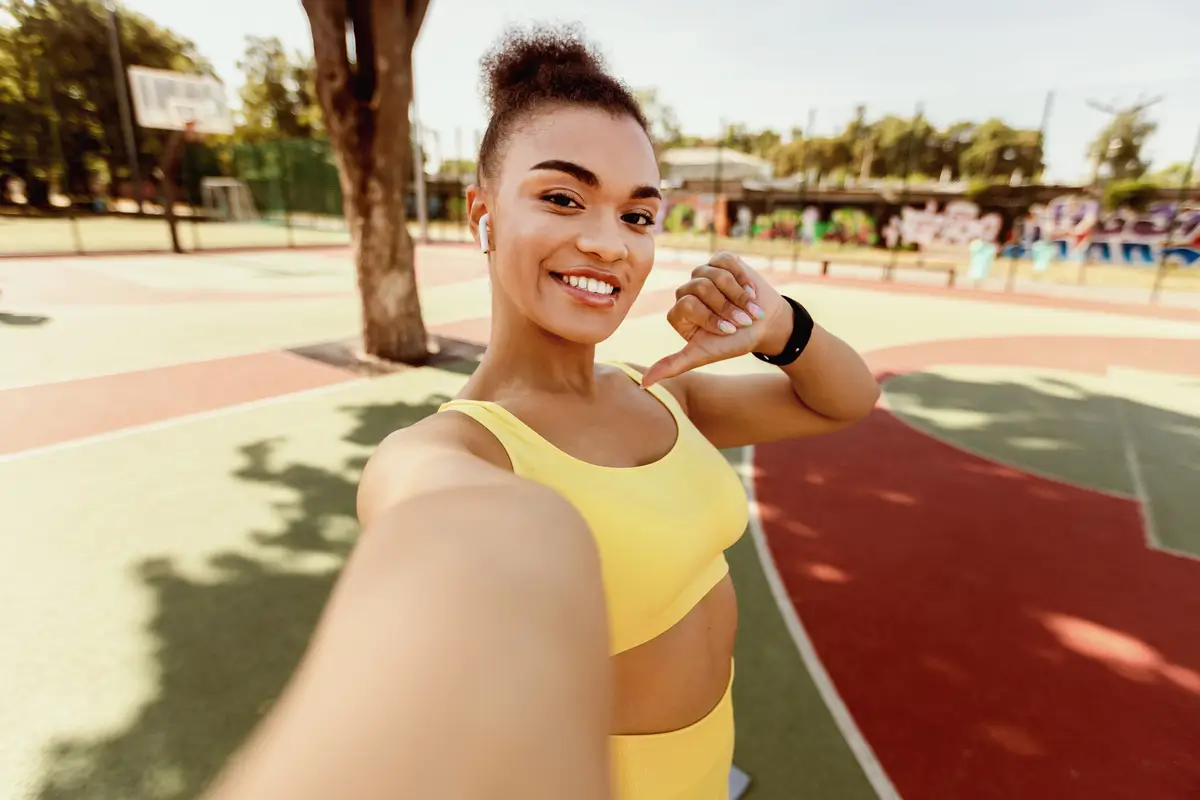
Investing in the Next Wave of Triton Success
Beyond the scoreboard, Eckerd college nil deals allow students to offset the cost of private education, amplifying the financial impact of NIL on scholarships without relying solely on institutional aid. This shift turns marine science majors into savvy entrepreneurs gaining resume-worthy experience.
Support doesn’t require a contract; a simple follow or share elevates these local brands. By engaging online, you amplify the benefits of NIL for small market schools, ensuring St. Pete’s student-athletes thrive both on the field and in the marketplace.
Learn More About the NIL Landscape
Name, Image, and Likeness plays an increasing role in college sports, and understanding how it works often requires more than individual articles or news updates.
RallyFuel is a platform focused on NIL-related topics across college athletics. It brings together information about athletes, NIL activity, and the broader structure behind modern college sports, helping readers explore the topic in more depth.
Q&A
Question: What are Eckerd College NIL deals and what rights do they give student-athletes? Short answer: NIL (Name, Image, and Likeness) deals at Eckerd College let student-athletes legally earn money from endorsements and appearances based on their personal brand—not their athletic performance. This “Right of Publicity” means St. Petersburg athletes can monetize things like social media posts or event appearances, supporting the local coastal economy while staying amateurs. Just a few years ago, modeling sunglasses on the St. Pete Pier would have been prohibited; today, it’s a legitimate micro-business opportunity.
Question: Why are small-market Division II schools like Eckerd well-suited for NIL partnerships? Short answer: Unlike big universities that chase national exposure, Division II programs operate more like boutique agencies, prioritizing authentic, hyper-local relationships. At Eckerd, an athlete is more likely to team up with a Beach Drive café than a national car brand. This local focus typically delivers higher engagement because the audience—classmates and neighbors—knows the athletes personally.
Question: What kinds of partnerships and compensation are common for Triton athletes? Short answer: Typical collaborations include social media posts featuring local products, guest appearances at community events, and endorsements for marine or coastal gear. Compensation often comes as “micro-deals,” usually $50–$500 or product trades. For St. Petersburg businesses, these deals provide a direct, high-engagement channel to the campus community.
Question: How do you launch a legal, compliant Eckerd athlete sponsorship? Short answer: Follow three steps to avoid “pay-to-play” violations:
- Agreement Creation: Define specific services (e.g., three Instagram posts) and fee in a written contract.
- School Disclosure: The athlete submits deal details to Eckerd’s athletic department before any work occurs.
- Performance of Service: The athlete completes and documents the agreed work, and payment is released only afterward. This process proves money is exchanged for actual services, protecting eligibility and scholarships.
Question: How do businesses and athletes connect, and what if supporters don’t want a formal contract? Short answer: Many connections start online or through small-college NIL marketplace platforms that streamline paperwork and compliance. In-person conversations at St. Pete shops also spark partnerships. Even without a contract, supporters can help by following, sharing, and engaging with athletes’ content—actions that amplify the benefits of NIL for small-market schools, help students offset private education costs, and build real-world entrepreneurial experience.



Leave a Comment