
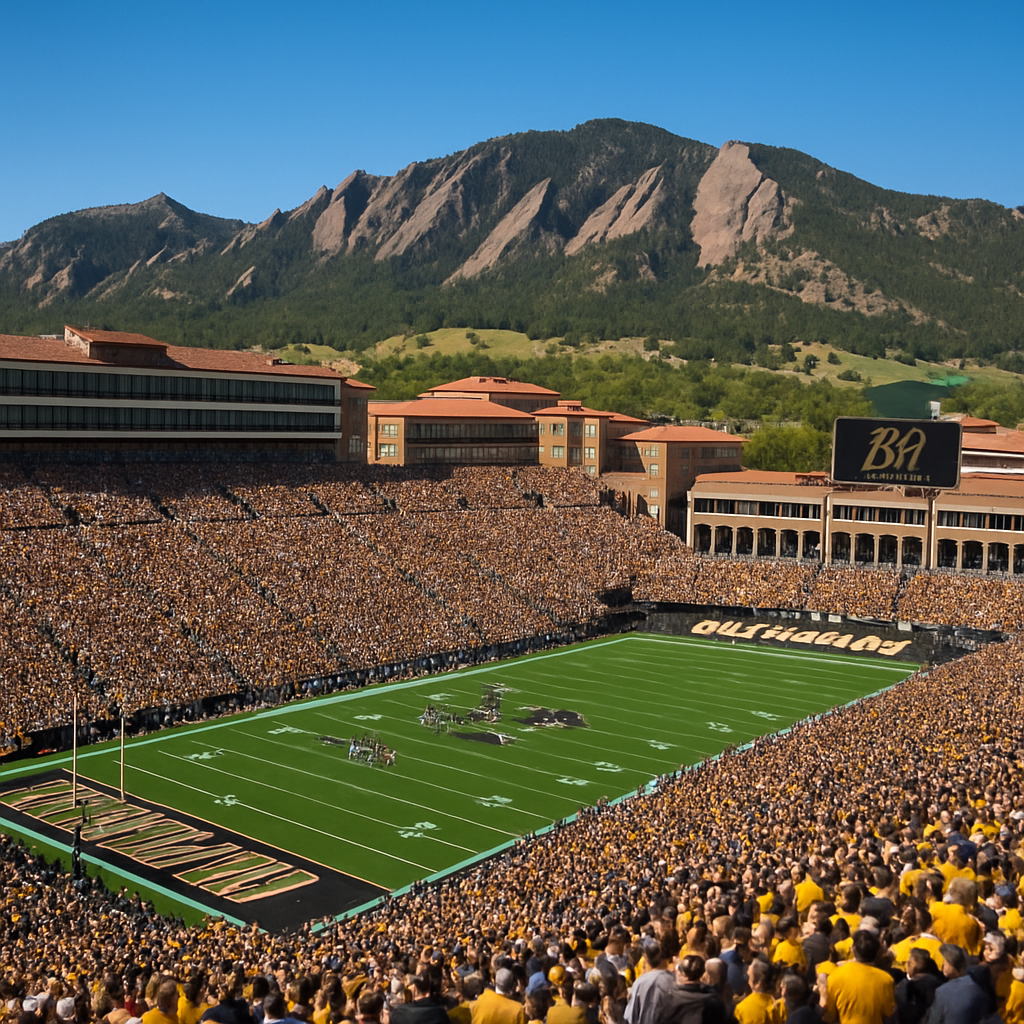
Remember when a college athlete could lose their scholarship just for accepting a free jersey? At the University of Colorado today, the stars aren’t just wearing the jersey—they’re owning the brand behind it. This seismic shift is driven by Name, Image, and Likeness (NIL) rules, which allow student-athletes to operate like small business owners earning legitimate income from autographs, social media posts, and endorsements.
While regulations changed nationwide, the impact of Deion Sanders on Colorado NIL acted as a unique accelerant. Often called “The Prime Effect,” his arrival transformed Boulder into a top-tier media market where national brands now clamor for visibility. Industry observations suggest this surge in attention has elevated CU from a standard athletic program to a recognized leader in athlete branding.
Yet, many fans curious about university of Colorado nil deals still ask: where does the money actually come from? It isn’t tuition funding the luxury cars seen around campus; rather, it is a specific ecosystem involving private sponsors and Colorado sports marketing groups. This economy works through clear mechanisms rather than confusing legal jargon.
Summary
NIL rules let CU athletes earn from third-party sponsorships based on their name, image, and likeness, with the university offering guidance while funds come from brands and community supporters—not tuition. Deion Sanders’ “Prime Effect” has amplified exposure, turning stars like Shedeur Sanders and Travis Hunter into national influencers and elevating the entire program’s profile. Broad-based opportunities flow through the 5430 Alliance collective and a streamlined NIL marketplace for local businesses, all under NCAA and Colorado compliance with added financial literacy support. Looking ahead to the Big 12 and potential revenue sharing, fan engagement—social amplification, joining the collective, and supporting NIL-friendly businesses—helps keep CU competitive.
What ‘Name, Image, and Likeness’ Actually Means for a CU Buff
In the past, a scholarship was the financial ceiling for a student-athlete; today, it is just the foundation. Think of current players as independent freelancers running side businesses while they study. While the university covers tuition and housing, Colorado NIL deals allow athletes to earn outside income based on their fame, much like a music major giving paid lessons or an art student selling a painting.
This opportunity rests on three specific rights previously restricted by the NCAA:
- Name: Using their personal identity to endorse products or sign autographs.
- Image: Appearing in photographs, commercials, or sponsored social media posts.
- Likeness: Allowing their representation in video games or merchandise.
Crucially, this cash flows from third parties—local businesses or national brands—rather than the university’s budget. While CU Boulder athletic department NIL resources help guide players on contracts and compliance, the actual earnings depend entirely on the athlete’s marketability. This entrepreneurial environment is exactly what amplified the impact of the “Prime Effect” for the program’s biggest stars.
How the ‘Prime Effect’ Turned Travis Hunter and Shedeur Sanders into National Brands
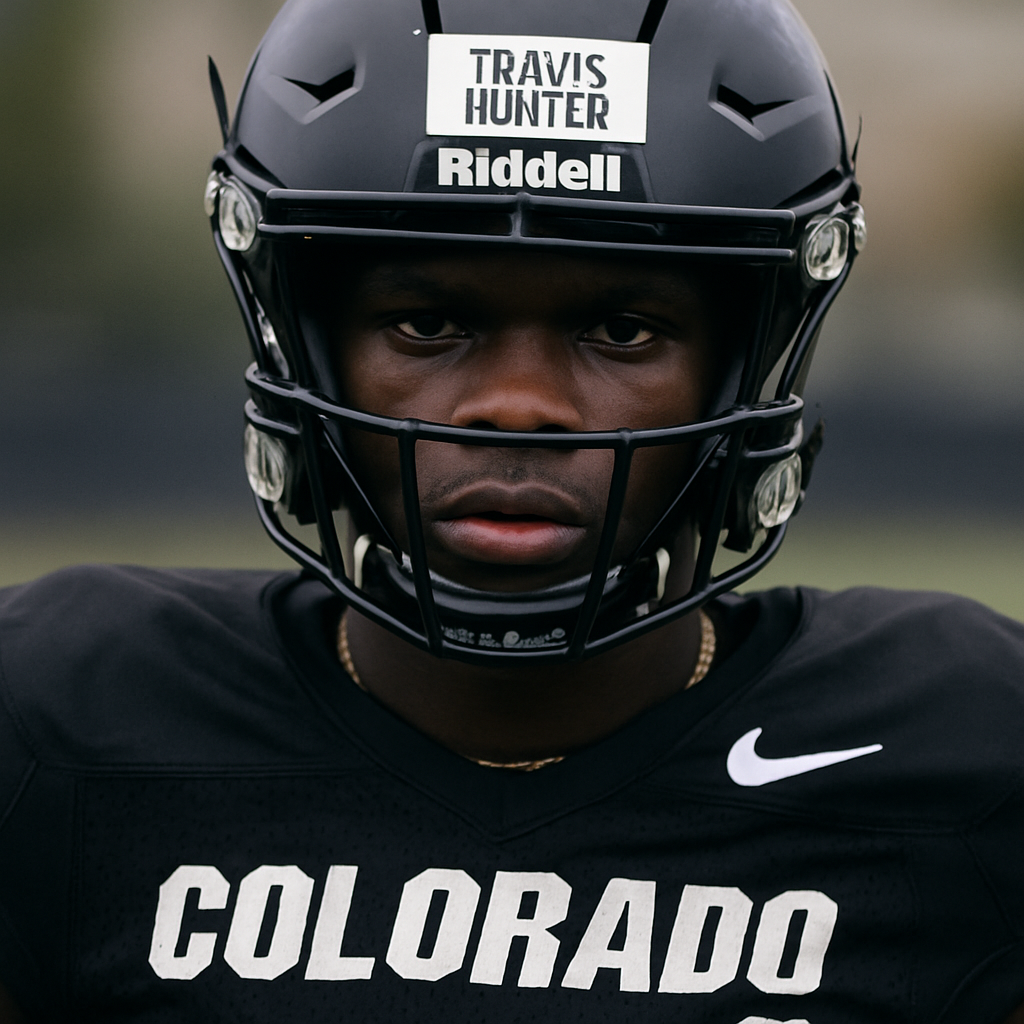
When “Coach Prime” arrived in Boulder, he didn’t just bring excitement to the field; he brought millions of eyeballs to social media feeds, drastically altering the financial landscape for his players. This massive digital attention is the primary engine behind the skyrocketing Travis Hunter NIL valuation and deals seen in national headlines. For advertisers, a student-athlete with an engaged Instagram or YouTube following is now a walking billboard, offering a direct line to consumers that is often more effective than a traditional television commercial.
Top-tier talents like Shedeur Sanders and Hunter operate on a scale that rivals professional athletes, securing partnerships with industry giants like Google, KFC, and EA Sports. These agreements demonstrate that college stars have evolved into legitimate national influencers who can command six-to-seven-figure sums. These high-level contracts involve much more than signing autographs; they require professional commitments like starring in high-production commercials and executing exclusive product launches that broadcast the CU brand across the country.
This visibility creates a powerful ripple effect for the university. While the stars land luxury car partnerships, the heightened national profile elevates the entire program, signaling to recruits that Boulder is a premier destination for building a personal brand. This environment proves that on-field success and off-field entrepreneurship now go hand-in-hand, benefiting the school’s reputation as much as the athlete’s bank account.
However, not every student-athlete has millions of followers or the global appeal to land a national shoe deal. To support the rest of the roster—from the offensive linemen protecting the quarterback to the stars of the basketball and volleyball teams—the program relies on a different financial engine. This crucial gap is bridged by the “collective,” a community-driven model designed to pool resources and ensure opportunities extend beyond just the household names.
Decoding the 5430 Alliance: How Fans and Businesses Pool Their Power
While national brands hunt for global influencers, how do NIL collectives work for CU Buffs who aren’t on magazine covers? Think of the collective as a dedicated community chest where supporters pool resources to create paid opportunities for the entire roster. For Colorado, this engine is the 5430 Alliance, an organization separate from the university that facilitates deals for athletes across various sports—from offensive linemen to volleyball players—in exchange for community service or publicity work.
This model transforms passive cheering into active participation. By joining the collective, fans aren’t just donating into a black hole; they are purchasing a subscription that directly funds player contracts while unlocking unique 5430 Alliance membership benefits:
- Exclusive behind-the-scenes content and interviews
- Player meet-and-greets and autograph sessions
- Tax-deductible charitable options for specific donations
Efficiency is vital in this competitive environment. The landscape recently streamlined by merging the 5430 Alliance with Buffs4Life NIL collective operations, creating a single, unified front for supporters. This consolidation simplifies the process for individual fans, but it also creates a clear entry point for commercial partners, setting the stage to explore how local shops and restaurants can hire their own Buffaloes.
Partnering with a Buffalo: How Local Boulder Businesses Use the NIL Marketplace
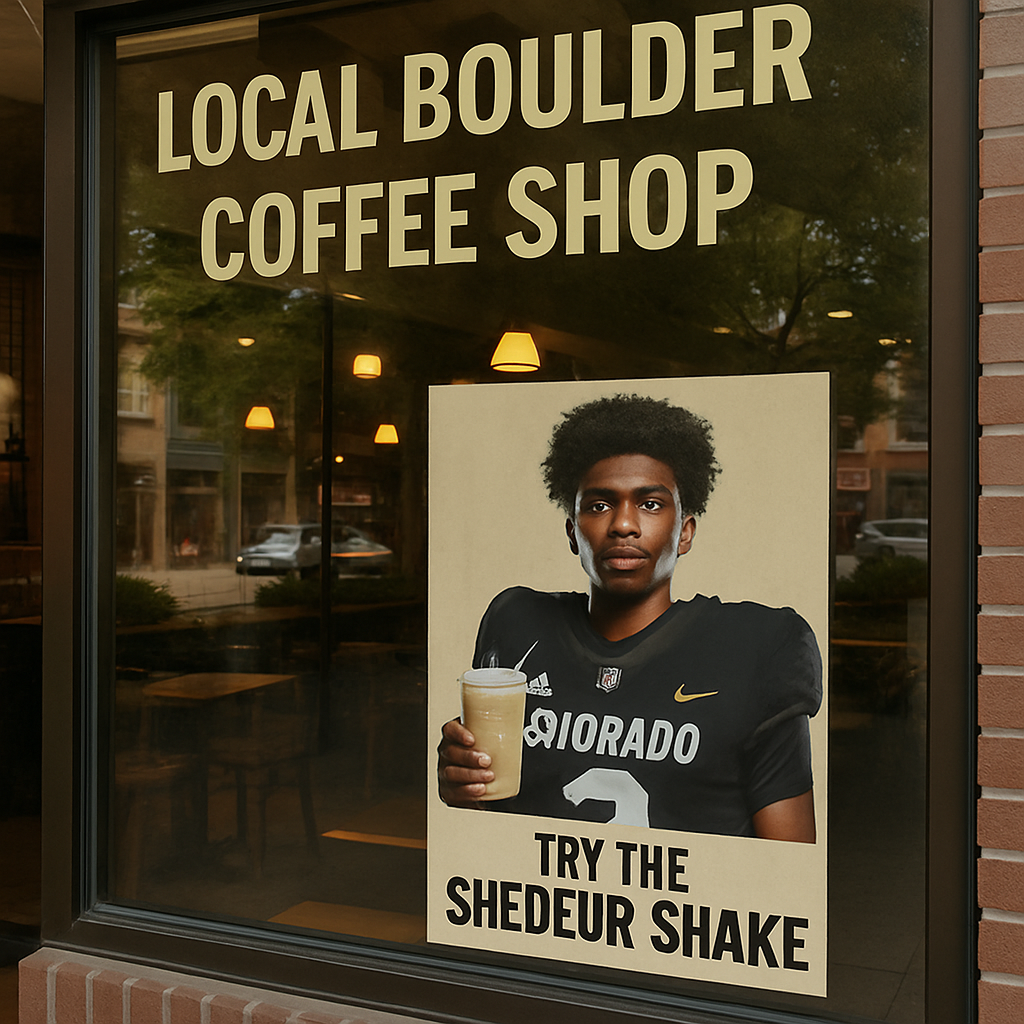
You might assume that partnering with a CU star requires a corporate budget, but the system is actually built to welcome Pearl Street boutiques and local startups. Through the Buffs NIL marketplace for local businesses, owners can connect directly with players without needing a sports agent. This accessibility means a linebacker promoting a neighborhood gym is just as viable as a quarterback driving a luxury car, making NIL a true engine for the local economy.
Engaging a player is a standardized process designed to protect the business and the student-athlete’s eligibility. The workflow involves four essential actions:
- Register: Create an account on the official CU exchange platform.
- Pitch: Send an offer detailing the specific work (like a social post) and payment.
- Sign: Execute a standard contract once the athlete accepts.
- Disclose: Report the deal to the university for final approval.
This structured approach turns a simple transaction into a safe community partnership, ensuring that money flows transparently without jeopardizing a player’s scholarship. Keeping these deals above board is critical for the program’s success.
Navigating the Rules: Why Colorado State Law and NCAA Compliance Keep the Buffs Winning
Regulations prevent CU from simply handing out cash to win games. The golden rule is “quid pro quo”—meaning “this for that”—which mandates an athlete must perform actual work, like signing autographs, in exchange for payment. This requirement is central to NCAA NIL compliance for Colorado recruits, ensuring every dollar earned is a legitimate business transaction rather than a recruiting bribe.
Beyond national rules, local legislation adds safety for these young entrepreneurs. Colorado state laws on athlete compensation prohibit the university from blocking earnings while preventing deals that conflict with team contracts, such as wearing rival shoe brands during games. This framework protects the university’s partnerships while stopping predatory agents from locking teenagers into unfair agreements.
Earning money is only half the battle; keeping it is where the real coaching happens. Student-athlete financial literacy at CU Boulder has become a priority, teaching players how to manage taxes so their earnings last beyond graduation. As the landscape shifts toward bigger financial changes, this preparation is crucial for the future of the program.
The Future of the Gold Rush: What Big 12 Revenue Sharing Means for CU Sports
Moving to the Big 12 represents a critical shift in the NIL landscape comparison, requiring resources to match national rivals. As athletics approaches the “Next Frontier” of direct revenue sharing, a strong NIL ecosystem is what keeps the Buffaloes elite. Backing the team involves more than just buying tickets.
Start active participation with this simple plan:
- Follow and Engage: Boost athletes’ brand value by interacting with their social media.
- Join the Collective: The 5430 Alliance allows supporting Colorado athletes through charitable NIL.
- Shop Smart: Patronize businesses that actively sponsor CU players.
Your fandom now directly influences whether CU keeps pace with powerhouses like Ohio State. The game has changed, and you are officially part of the roster.
Learn More About the NIL Landscape
Name, Image, and Likeness plays an increasing role in college sports, and understanding how it works often requires more than individual articles or news updates.
RallyFuel is a platform focused on NIL-related topics across college athletics. It brings together information about athletes, NIL activity, and the broader structure behind modern college sports, helping readers explore the topic in more depth.
👉 Explore the Athletes on RallyFuel – Discover top college athletes, compare NIL valuations, and dive deeper into the world of NIL.
Q&A
Question: Where does the money for CU athlete NIL deals actually come from?
Short answer: NIL earnings come from third parties—national brands, local businesses, and community supporters—not from tuition or the university’s athletic budget. CU provides education and compliance support, but payments flow through sponsors, the 5430 Alliance collective, and the official NIL marketplace where businesses contract directly with athletes for specific work.
Question: What is the “Prime Effect,” and how has it changed NIL at Colorado?
Short answer: Deion Sanders supercharged CU’s visibility, drawing massive social and media attention that turned Boulder into a high-profile market. That exposure helped stars like Shedeur Sanders and Travis Hunter secure top-tier partnerships (e.g., Google, KFC, EA Sports), elevating them into national influencers capable of six-to-seven-figure deals. The ripple effect boosts CU’s brand, aids recruiting, and raises opportunities across the roster.
Question: How does the 5430 Alliance work, and what do fans get by joining?
Short answer: The 5430 Alliance is an independent NIL collective that pools supporter funds to create paid opportunities for athletes across sports, typically tied to community service or publicity work. Membership is subscription-based and can include benefits like behind-the-scenes content, meet-and-greets, autograph sessions, and tax-deductible options. Its recent operational merger with Buffs4Life streamlined support into a single, easier path for fans and partners.
Question: I run a local business—how do I set up a compliant NIL deal with a CU athlete?
Short answer: Use the Buffs NIL marketplace, which simplifies the process without needing an agent. The steps are:
- Register on the official CU exchange platform.
- Pitch a clear offer (e.g., a social post, appearance) with payment details.
- Sign the standard contract once the athlete accepts.
- Disclose the agreement to the university for compliance approval. This protects both parties and keeps the athlete eligible.
Question: What rules and protections govern NIL at CU, and how are athletes prepared?
Short answer: NCAA rules require quid pro quo—athletes must perform real work for pay—preventing pay-for-play or recruiting inducements. Colorado state law supports athlete earnings while barring conflicts with team contracts (e.g., rival shoe brands in games) and curbing predatory agreements. CU reinforces this with required disclosure and financial literacy education so athletes can manage taxes and long-term planning. Moving to the Big 12, fans can further support competitiveness by engaging on social, joining the 5430 Alliance, and patronizing NIL-friendly businesses.

Leave a Comment