
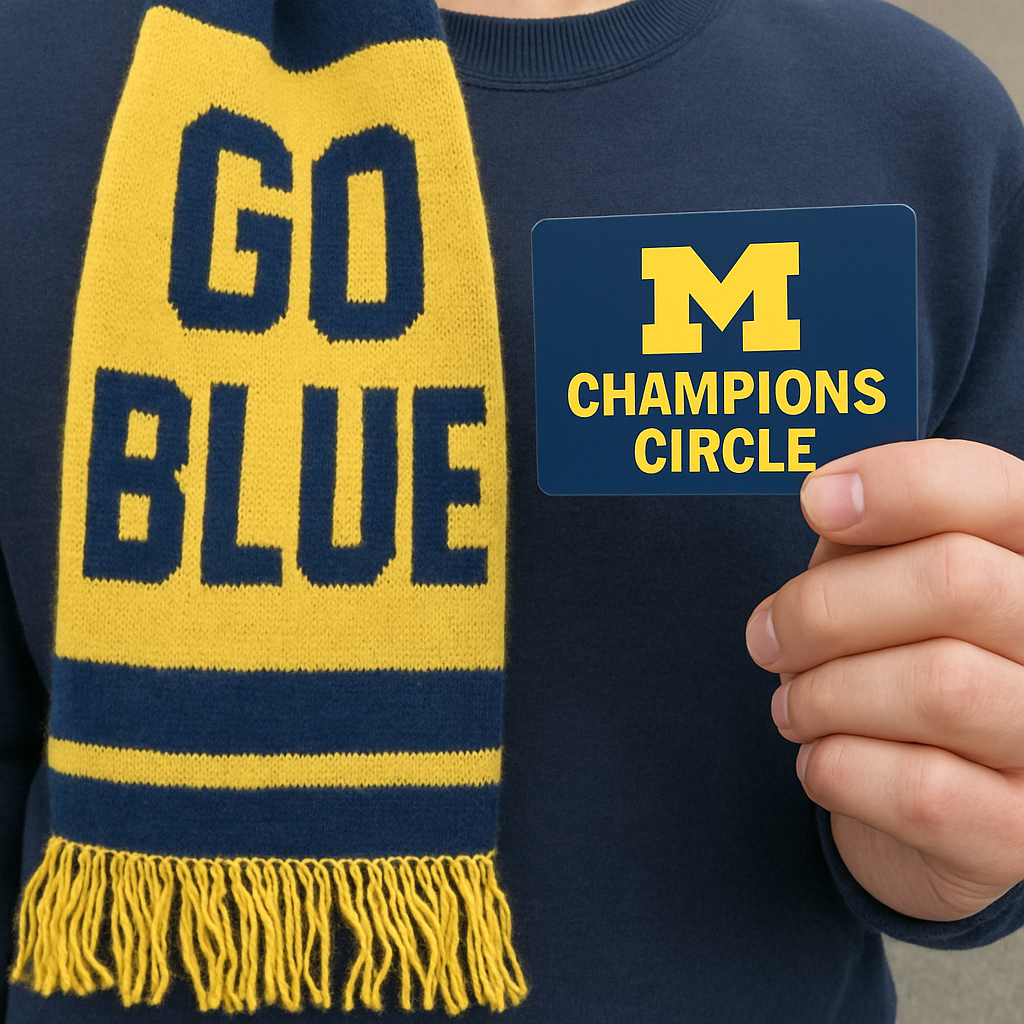
For decades, purchasing a Wolverines jersey meant supporting the program while the star player saw none of the profit. That amateur model evaporated in 2021, creating a rapidly expanding era of university of Michigan nil deals. “NIL”—short for Name, Image, and Likeness—simply means a college athlete nil rights are now theirs to monetize, effectively turning jersey sales and local endorsements into a professional side hustle.
While national headlines often portray this shift as a lawless spending spree, Ann Arbor has adopted a calculated strategy driven by organizations like Champions Circle. These fan-funded groups help retain top talent by connecting players with local businesses, all while navigating the complex University of Michigan athletic department NIL policy. This is how the Maize and Blue intend to win in the modern age.
Why Your Favorite Wolverine Can Finally Get Paid
Being a Wolverine isn’t just about practice and game film anymore; for many student-athletes, it now involves managing a small business. Under current rules, the University of Michigan cannot cut a paycheck directly to a quarterback or a gymnast for playing their sport. Instead, athletes operate like independent contractors or influencers, utilizing a “professional side-hustle” model to monetize their fame. This approach impacts everyone from the stars at the Big House to key contributors in non-revenue sports like softball, allowing them to profit without technically being on the university’s payroll.
While the athletic department stays out of the bank transaction, they provide essential infrastructure through the “M Power” program. Think of M Power as a specialized career center that teaches players how to build a personal brand and adhere to legal guidelines. Through the Michigan NIL Marketplace, the university connects athletes with businesses looking to hire them as “Brand Ambassadors.” To remain eligible, there must be a clear exchange of value—the player has to do work to get paid. Common ways a player earns a check include:
- Social Media Promotions: Posting a sponsored photo on Instagram endorsing a specific product.
- Local Business Appearances: Signing autographs or meeting fans at Ann Arbor shops.
- Jersey Royalties: Receiving a percentage of sales from custom jerseys sold at the M-Den.
Small endorsements put cash in pockets, but individual brand deals vary wildly from player to player. To ensure the entire team stays competitive against rivals, fans needed a different way to pool their resources together for a bigger impact.
Inside the Champions Circle: How Michigan’s ‘Community Chest’ Funds the Team
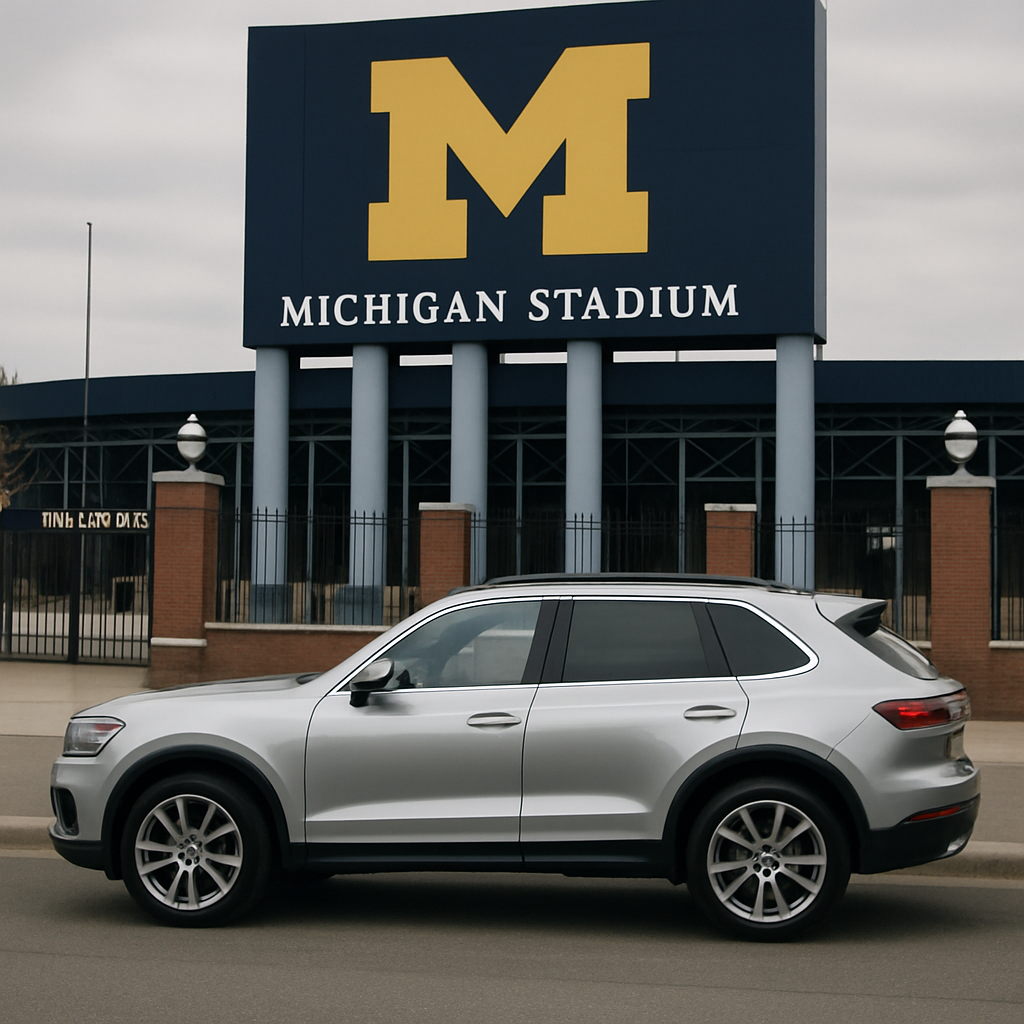
Individual endorsements are great for stars, but building a championship roster requires a more reliable funding engine. Enter the “collective,” a concept best understood as a massive, fan-funded community chest. Since the University of Michigan cannot legally pay athletes directly, independent organizations step in to bridge the gap. They pool contributions from wealthy donors and everyday fans alike, creating a reservoir of funds used to compensate players across various sports, ensuring the entire team benefits rather than just a few starters.
Navigating this landscape requires distinct partners because the athletic department must maintain a strict legal buffer from the money flow. In Ann Arbor, the ecosystem relies on two primary entities that are often confused but serve different roles:
- Valiant Management Group: Acts like a sports agency, helping players book commercial deals, manage marketing, and organize public appearances.
- Champions Circle: Operates as the official collective, gathering donor funds and distributing them to athletes in exchange for legitimate work.
That “exchange for work” is the critical legal key. Players funded by the collective aren’t paid just to exist; they earn their checks through mandatory community service, such as visiting CS Mott Children’s Hospital or supporting local charities. This approach turns fan donations into tangible community impact, a strategy best exemplified by the multi-million dollar valuation of the team’s former quarterback.
From Car Deals to Philanthropy: The Multi-Million Dollar Valuation of J.J. McCarthy
J.J. McCarthy wasn’t just a national champion on the field; he represented the gold standard of “NIL valuation,” a market metric that estimates an athlete’s total financial worth to potential sponsors. For top earning Michigan football players, this number combines social media influence, jersey sales, and TV exposure into a tangible dollar figure. It explains why you might see a star quarterback driving a sponsored truck around Ann Arbor—local businesses understand that aligning their brand with a campus hero drives their own sales, creating a mutually beneficial partnership that extends far beyond the stadium.
Beyond luxury perks, McCarthy defined a unique approach by channeling his earnings heavily into philanthropy. Rather than simply pocketing the cash from massive University of Michigan football NIL deals, he famously directed funds to his “J.J. For the Kids” foundation to support children’s hospitals and youth programs. This charitable focus proved that the new financial system could benefit the community, creating a “halo effect” that encouraged hesitant donors to contribute to the collective, knowing the money supported high-character athletes.
Individual success stories like McCarthy’s set a high bar, but they also signal to rival programs that the cost of acquiring elite talent is rising sharply. As donors see the competitive impact of these investments, the landscape shifts from charitable giving to a strategic financial arms race. This escalation is nowhere more visible than the intense funding battle currently waging against the Buckeyes.
Michigan vs. Ohio State: The High-Stakes Battle for NIL Funding
The rivalry between Michigan and Ohio State has expanded from the gridiron to the bank account. While the Buckeyes often grab headlines with flashy upfront offers to high school recruits, the Michigan vs Ohio State NIL funding strategy has historically focused on rewarding players who have already proven their worth on the field. This philosophy prioritizes team culture, but it faces intense pressure as rival programs use aggressive financial packages to lure talent away from Ann Arbor, turning roster management into a bidding war.
Modern college football has evolved into a year-round marketplace where the Transfer Portal functions exactly like professional free agency. A robust NIL war chest allows Michigan to navigate this chaos in three specific ways:
- Roster Retention: Paying star players competitive rates to keep them from transferring to rivals or leaving early for the NFL.
- Portal Recruitment: Attracting experienced veterans from other schools to fill immediate gaps in the lineup.
- Defensive Bidding: Preventing other programs from “poaching” current roster members with promises of higher earnings.
Navigating these financial waters is critical because the impact of NIL on Michigan recruiting is now the deciding factor in championship longevity. As NCAA name image likeness regulations 2024 continue to shift toward a revenue-sharing model, the ability to fund these “salaries” determines whether the Wolverines can compete for another title or fall behind. This reality brings the responsibility back to the fan base.
Your Playbook for Supporting Michigan Athletes
For most supporters, the easiest entry point is joining a collective like the Champions Circle. Think of this as a monthly subscription for Wolverine success; a recurring Champions Circle collective membership pools fan resources to pay athletes for community service work. This “crowdfunding” approach allows thousands of small donations to build a massive war chest, creating vital benefits of NIL for non-revenue sports by ensuring athletes across all programs feel valued by the community.
How to support Michigan athletes through NIL extends beyond just direct subscriptions. Purchasing custom jerseys at The M-Den ensures players receive specific royalties, turning your game-day outfit into tangible financial support. Here are the four primary tiers of engagement:
- Buying Merchandise: Purchase player-specific gear to provide direct royalty payments.
- Joining a Collective: Commit to a monthly donation tier for exclusive team access.
- Attending Events: Buy tickets to meet-and-greets or autograph signings.
- Social Media Engagement: Share sponsored posts to boost an athlete’s digital brand value.
The Future of the Maize & Blue: Navigating the New NIL Frontier
The current landscape of university of Michigan nil deals reveals a program balancing tradition with modern reality. The University of Michigan athletic department NIL policy has evolved from cautious observation to a proactive strategy that prioritizes winning with integrity while preparing athletes for life after sports. These financial opportunities aren’t distractions; they are essential tools for retaining the elite talent that keeps Saturdays in Ann Arbor electric.
As NCAA name image likeness regulations 2024 pave the way for direct revenue sharing, the dynamic between the university and its athletes is shifting toward a true partnership. Keep an eye on local signings and community events; every autograph session you attend is now part of the engine driving Wolverine success. The game has changed, but your support is now more impactful than ever.
Learn More About the NIL Landscape
Name, Image, and Likeness plays an increasing role in college sports, and understanding how it works often requires more than individual articles or news updates.
RallyFuel is a platform focused on NIL-related topics across college athletics. It brings together information about athletes, NIL activity, and the broader structure behind modern college sports, helping readers explore the topic in more depth.
👉 Explore the Athletes on RallyFuel – Discover top college athletes, compare NIL valuations, and dive deeper into the world of NIL.



Leave a Comment