

For decades, the conversation surrounding SMU athletics focused heavily on the “Death Penalty” and strict NCAA sanctions. Today, that narrative has completely reversed, with the university emerging as a financial heavyweight in the modern era of college sports.
This transformation relies on smu nil deals, which utilize the new rules of Name, Image, and Likeness to pay players legally. Just as a professional golfer earns money wearing a sponsor’s logo, student-athletes can now sign legitimate marketing contracts with businesses rather than accepting “under-the-table” cash.
To facilitate these payments, supporters created the Boulevard Collective, a donor organization that functions like a community chest to fund athlete opportunities. According to launch announcements, this group raised an eye-watering $36 million, providing the resources needed to recruit star players from the Transfer Portal and compete in the Atlantic Coast Conference.
These smu football nil deals are not just about writing checks; they represent a professional pivot for the entire program. As the Mustangs gallop back onto the national stage, this new economic engine is vital for anyone following Dallas sports.
Summary
SMU has reinvented itself as a Dallas-powered NIL leader, using centralized donor collectives—especially the Boulevard Collective—to fund compliant, value-for-work agreements that attract top talent. Leveraging its big-market location, SMU uses NIL to win the Transfer Portal and prepare for ACC competition while navigating Texas laws, branding limits, and tax obligations. Multiple collectives serve different segments of the fanbase, and NIL is expanding opportunities across non-revenue and women’s sports. Fans can participate through memberships, local partnerships, and social engagement that bolster athlete brands.
The Professional Pivot: Why an SMU Jersey is Now a Dallas Business Asset

An SMU quarterback can now legally profit from their reputation. However, the university isn’t handing over a paycheck along with a scholarship. Instead, these payments come through third-party contracts signed with outside businesses or independent groups. This setup ensures that while the school provides the platform, the private sector provides the paycheck, keeping everything compliant with the constantly changing rulebook.
This arrangement isn’t simply handing cash to a player for scoring touchdowns; that would still violate the spirit of college sports. To make the deal legitimate, there must be “value for work” exchanged. A local luxury car dealership or real estate firm treats the student-athlete like a micro-influencer, requiring specific deliverables in exchange for compensation:
- Posting promotional videos for a new restaurant on Instagram or TikTok.
- Signing autographs at a grand opening event in Highland Park.
- Serving as a brand ambassador for a rising Dallas tech startup.
Geography plays a massive role in how lucrative these endorsements can be. Because SMU sits in the heart of a top-5 media market, the “market value” for a Pony endorsement is significantly higher than it would be in a small, isolated college town. With so many corporate headquarters nearby, the opportunities are vast, but organizing all these individual deals can get messy for 19-year-olds. That is where a new power player enters the scene to streamline the process for everyone.
Inside the Community Chest: How the Boulevard Collective Powers Mustang Sports
To solve the logistical headache of managing hundreds of individual contracts, supporters have created a centralized solution known as the Boulevard Collective. Think of this organization as a massive “Community Chest” where donors pool their resources to ensure SMU remains competitive. Instead of a local restaurant negotiating with a linebacker directly, this group manages the massive fund to facilitate SMU NIL deals for athletes across major sports. It acts as a bridge, connecting deep-pocketed alumni and casual fans directly to the players’ financial well-being.
While high-net-worth boosters often grab the headlines, these donor led NIL funding models are designed to let everyday supporters contribute through monthly subscriptions. The structure operates much like a streaming service or gym membership, offering tiered Boulevard Collective membership benefits that bring fans closer to the program:
- Fan Level: Provides entry-level access to exclusive digital content and player interviews.
- Pony Up Level: Adds tangible perks like exclusive merchandise and invitations to meet-and-greets.
- Champion Level: Grants premium access, such as private dinners with athletes and coaches.
Crucially, the money distributed through these channels is not a “no-strings-attached” allowance; it requires active service to the North Texas community. To satisfy the requirement for “work,” athletes earn their monthly payments by partnering with local charities and non-profits. You might see the basketball team hosting a youth clinic for the YMCA or football players serving meals at a Dallas shelter, ensuring the money creates local impact beyond the scoreboard.
This organized financial engine has transformed the university from a spectator into a formidable buyer in the national talent market. With a war chest that now rivals historic powerhouses, the Mustangs are leveraging their Dallas location to prepare for a much bigger stage.
Winning the ACC Arms Race: Why SMU Football NIL Deals are Setting New Standards
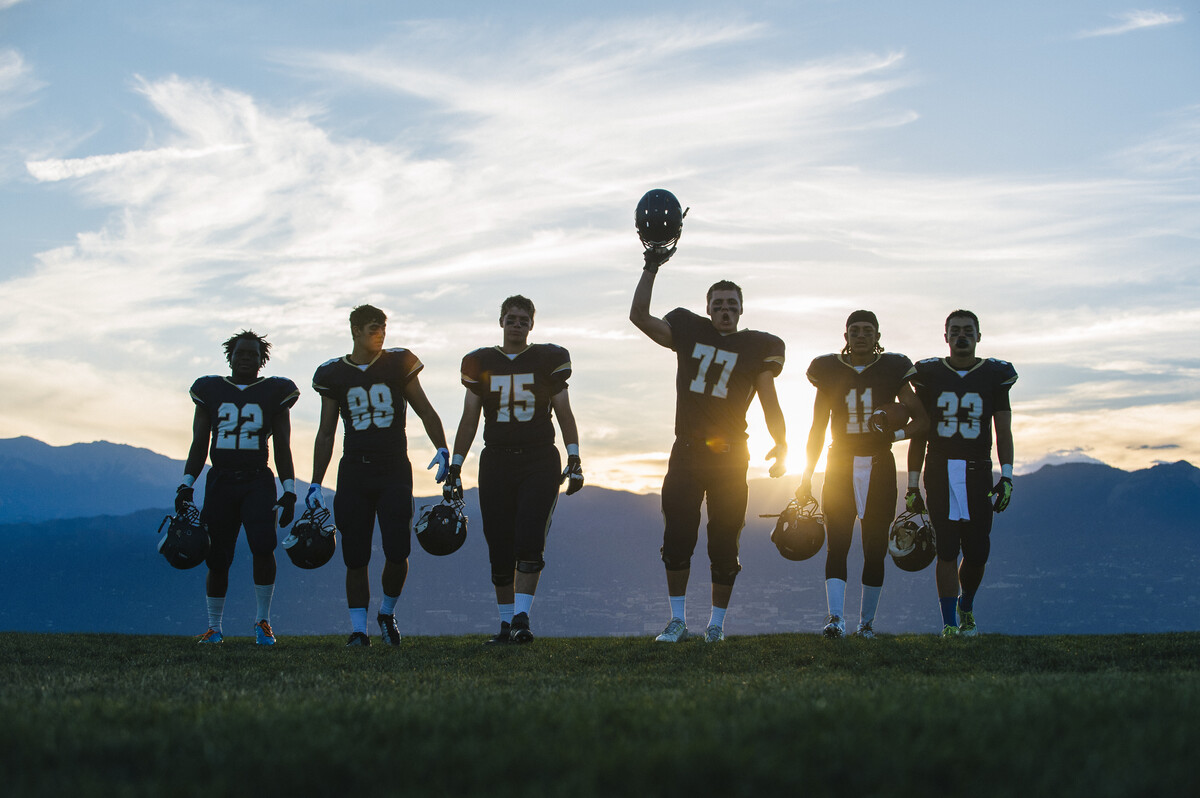
For the first time in nearly forty years, the Mustangs are returning to the “major leagues” of college sports by joining the Atlantic Coast Conference (ACC). This promotion requires a roster capable of competing week in and week out, and SMU football NIL deals are the primary tool for building that depth. Just as a Dallas corporation increases its payroll when expanding into a national market, the university’s supporters have realized that a Power Four schedule demands Power Four funding.
The Transfer Portal acts like corporate headhunting in this new era, allowing experienced players to switch schools instantly for better opportunities. NIL collectives impact on SMU recruiting by turning the school into a destination for proven talent rather than just hopeful high school prospects. With average NIL earnings for ACC football players climbing well into six figures for starters, the program must ensure its “compensation packages” are competitive enough to lure stars away from rivals like Texas or Texas A&M.
Sustaining this momentum requires more than just one successful fundraising campaign; it demands a diverse ecosystem of donors. While the Boulevard Collective acts as the primary fund, other groups are emerging to serve specific niches of the fanbase. Distinguishing between these major players is essential for any fan looking to get involved.
Boulevard Collective vs. Pony Sports DTX: Navigating the Donor Landscape
Just as a large charity maintains separate funds for different causes, the donor landscape at SMU has evolved into a multi-collective ecosystem rather than a single bank account. The massive headline numbers usually originate from the Boulevard Collective, which operates like a university-wide endowment designed to secure top-tier talent for football and basketball. This group handles the heavy lifting required to compete with national powerhouses, pooling significant capital from high-net-worth alumni to fund the equivalent of professional salaries.
Conversely, smaller entities function more like specialized startups, often focusing on specific sports or engaging fans who want a personal connection to the team. Comparing Pony Sports DTX vs Boulevard Collective highlights a strategic division of labor: the latter manages the substantial “payroll” needed for ACC dominance, while niche groups often build community through merchandise sales, podcasts, and exclusive player meet-and-greets. This tiered approach allows the average fan to support a specific basketball player or golfer without needing to write a six-figure check, ensuring broad support across the entire athletic program.
Keeping these various funding streams from colliding requires careful orchestration behind the scenes. The current SMU athletic department NIL policy forbids university staff from directly managing these bank accounts, meaning the school relies on these independent groups to self-regulate and collaborate efficiently. As this financial machinery becomes more complex, both donors and athletes must now face the reality that professional-level income brings professional-level red tape.
Rules of the Game: Navigating Texas NIL Laws and Avoiding Tax Surprises
With the Mustangs now operating in a high-stakes market, the state legislature acts as a referee alongside the coaching staff. Texas NIL law requirements for universities mandate a strict firewall between the school and the money; while SMU can support its players, athletic department staff cannot directly negotiate deals or represent athletes. This ensures that every transaction remains a private contract between a student and a business, effectively treating the linebacker or point guard like a freelance consultant rather than a university employee.
To keep everyone compliant and on the field, athletes and their sponsors must navigate three specific hurdles:
- Mandatory Disclosure: Players must submit contracts to the compliance office to ensure deals don’t conflict with team rules or schedules.
- Branding Restrictions: Unless they pay a licensing fee, athletes generally cannot use the official SMU Mustang logo or trademark in their private advertisements.
- Federal Liability: While there is no state income tax, the IRS views this money as taxable income, creating a significant burden for unprepared students.
Suddenly, a 19-year-old freshman isn’t just a student-athlete; they are a small business owner facing serious tax implications for college athlete income. Because NIL payments are usually classified as “1099” independent contractor income, no taxes are withheld upfront, meaning players must save a portion of every check for the IRS. This financial complexity isn’t limited to the football stars; these same business realities are rapidly reshaping the landscape for athletes in golf, tennis, and volleyball as well.
Beyond the Gridiron: How NIL Empowers Non-Revenue Sports and Women’s Athletics

While multimillion-dollar quarterback contracts grab the headlines, the most creative NIL opportunities for non-revenue sports happen quietly on the links and courts. SMU’s prestige allows athletes in golf, tennis, and swimming to secure partnerships that resemble corporate internships more than national shoe deals. A top-tier golfer often provides better access to influential alumni networks than a football starter, making them highly attractive ambassadors for Highland Park real estate agencies or local wealth management firms.
These agreements usually focus on hyper-local influence rather than national fame. Dallas business partnerships for Mustangs in these programs leverage specific demographics; a women’s soccer player might partner with a boutique fitness studio, while a tennis player promotes a local health food brand. For the athletes, the value goes beyond the immediate paycheck, as these relationships frequently evolve into post-graduation careers, effectively turning their sport into a four-year networking event.
Women’s athletics are seeing a particular surge in smu sports marketing value as companies seek authentic community engagement. This shift ensures that the benefits of the modern era aren’t limited to the Saturday superstars, creating a sustainable ecosystem where every jersey holds potential value. With the financial landscape defined, the remaining question is how the average supporter fits into this new machinery.
Becoming a Modern Mustang: A Fan’s Guide to Supporting the New Era of SMU Athletics
The days of hushed whispers are over, replaced by a transparent system where SMU NIL deals drive the university’s return to national prominence. “Pony Express 2.0” is not a scandal, but an economic engine connecting Dallas businesses with student talent. This financial support is the essential fuel required for a modern athletics program ready to compete at the highest level.
To participate, consider exploring Boulevard Collective membership benefits to directly support the teams you love. Even engaging with players on social media builds their brand value while respecting NCAA compliance for student athlete endorsements. By embracing this evolution, you aren’t just cheering for a team; you are investing in the reputation of Dallas as a premier sports city. The gold rush is here, and this time, you are invited.
Learn More About the NIL Landscape
Name, Image, and Likeness plays an increasing role in college sports, and understanding how it works often requires more than individual articles or news updates.
RallyFuel is a platform focused on NIL-related topics across college athletics. It brings together information about athletes, NIL activity, and the broader structure behind modern college sports, helping readers explore the topic in more depth.
👉 Explore the Athletes on RallyFuel – Discover top college athletes, compare NIL valuations, and dive deeper into the world of NIL.
Frequently Asked Questions
Question: How do SMU NIL deals work, and what makes them compliant?
Short answer: SMU NIL deals are third-party marketing contracts between student-athletes and outside businesses or independent donor groups—not the university. To be compliant, athletes must provide clear “value for work,” such as social media promos, autograph sessions, appearances, or brand ambassadorships. The school provides the platform, but the private sector provides the paycheck, keeping a firewall between SMU and the money. This structure replaces under-the-table payments with transparent, contract-based deliverables.
Question: What is the Boulevard Collective, and how can fans participate?
Short answer: The Boulevard Collective is a centralized donor “community chest” that reportedly raised $36 million to fund compliant NIL opportunities across major SMU sports. It streamlines deals, connects donors to athletes, and pays for work—often community service with local nonprofits like clinics and charity events. Fans can join via tiered memberships: Fan (exclusive digital content/interviews), Pony Up (merchandise and meet-and-greets), and Champion (premium access like private dinners). In a broader ecosystem, Boulevard serves as the flagship fund, while smaller groups (e.g., Pony Sports DTX) focus on niche sports and fan engagement through merch, podcasts, and player events.
Question: How does SMU’s Dallas location and ACC move shape its NIL strategy and recruiting?
Short answer: Sitting in a top-5 media market packed with corporate HQs, SMU offers higher “market value” for endorsements than many college towns, expanding deal opportunities for athletes. As SMU enters the ACC, NIL resources function like competitive compensation packages, crucial for attracting proven talent through the Transfer Portal. With average NIL earnings for ACC starters often reaching six figures, SMU’s Dallas-powered collective funding helps the program recruit and retain depth needed for a Power Four schedule.
Question: What rules and taxes should athletes and sponsors consider under Texas NIL and SMU policies?
Short answer: Texas law requires a strict firewall: SMU staff cannot negotiate or manage athlete deals; contracts remain private agreements between athletes and businesses. Athletes must disclose agreements to SMU compliance, avoid conflicts, and secure licensing to use official SMU marks or logos. NIL income is typically 1099 contractor income with no withholding, so athletes must budget for federal taxes despite Texas having no state income tax. These guardrails keep deals compliant while ensuring athletes treat their NIL as a small business.
Question: Do NIL opportunities extend beyond football to non-revenue and women’s sports at SMU?
Short answer: Yes. Athletes in golf, tennis, swimming, and other programs often land hyper-local partnerships—think real estate agencies, wealth managers, fitness studios, or health food brands—where targeted demographics matter more than national fame. These relationships can double as networking pipelines that lead to internships and post-graduation careers. Women’s sports, in particular, are seeing rising marketing value as brands seek authentic community engagement, broadening NIL benefits across the department.




Leave a Comment