
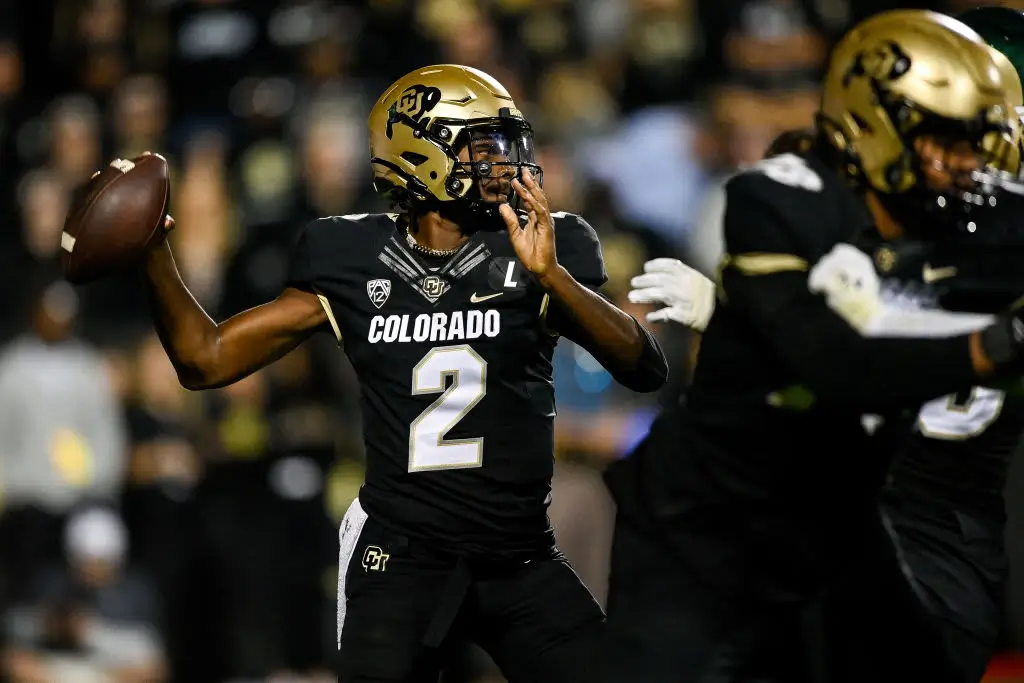
If you’ve driven through Knoxville recently, you’ve likely seen a star Vol athlete beaming from a billboard or driving a brand-new truck from a local dealership. This isn’t just a perk of local fame; it is the visible result of the financial engine now powering college sports.
Think of Name, Image, and Likeness (NIL) like a digital lemonade stand: if a student has a valuable brand, they can finally sell it. Just as professional athletes market sneakers, players can now monetize their reputation, and the massive Nico Iamaleava contract impact signals that the Vols are playing by new rules.
While most fans know money is involved, the difference between a legal business agreement and a rule-breaking handout remains blurry for many. As University of Tennessee NIL deals reshape the SEC, this system directly fuels the team’s winning record.
Summary
Tennessee’s NIL ecosystem is driven by Spyre Sports Group’s fan-funded Vol Club, which channels resources into athlete compensation, retention, and recruiting. Deals span from headline contracts like Nico Iamaleava’s to inventive community partnerships (e.g., French’s Mustard and Lady Vols endorsements), creating a broad marketing portfolio. By challenging NCAA restrictions and leveraging state law, Tennessee has secured clearer, more transparent NIL negotiations that protect athletes and local businesses. The guide explains how companies can run compliant, quid pro quo deals (and handle tax obligations) and argues this financial engine is now essential to keeping the Vols competitive.
How “The Vol Club” Functions as a Fan-Powered Marketing Engine
While the University of Tennessee provides the scholarship and the stage, they aren’t the entity signing the NIL checks. That responsibility falls largely to Spyre Sports Group management, an independent agency that operates separately from the athletic department. Think of them as a massive, fan-funded marketing firm with a single goal: ensuring Volunteer athletes get paid market value to stay on Rocky Top.
To gather these funds, Spyre utilizes “The Vol Club,” a subscription model that allows everyday supporters to contribute directly to the athlete pool. Instead of just cheering from the stands, fans effectively become investors in the roster through a monthly fee, bridging the gap between the stadium seats and the locker room.
Participation is structured hierarchically, allowing fans to choose how to join The Vol Club based on the level of access they desire:
- Digital: Provides entry-level access to exclusive player interviews and content.
- Pro: Upgrades the experience with member-only merchandise and invitations to meet-and-greets.
- Hall of Fame: Unlocks VIP perks, including autographed memorabilia and private events.
These pooled resources create the war chest needed to sign top recruits and prevent current stars from transferring to rival SEC schools. The benefits of donor-led collectives are measured in wins and retention, creating a stable environment where athletes feel valued. This funding structure sets the stage for the deals themselves—from Nico’s contract to French’s Mustard.
From Nico’s Contract to French’s Mustard: The High-Stakes World of Vol Endorsements
At the top of the pyramid sits the blockbuster contract, best exemplified by quarterback Nico Iamaleava. This wasn’t just a scholarship offer; it was a business transaction comparable to a pro rookie signing a shoe deal before playing a single down. By securing top-earning athletes at Tennessee, the Vols signaled they were ready to pay market rates for championship talent, ensuring elite prospects see Knoxville as a destination where their value is recognized immediately.
Financial opportunities extend well beyond the quarterback room, often capitalizing on viral culture and community ties. When fans notoriously threw debris onto Neyland’s field during the Ole Miss game, marketers turned a PR disaster into a paycheck by partnering athletes with French’s Mustard. We see similar creativity in Lady Vols basketball endorsement deals, where players promote local boutiques or national brands. These agreements prove that personality and performance can monetize any sport, not just football.
This spectrum of financial opportunity creates a massive competitive advantage on the recruiting trail. Tennessee football recruiting NIL influence has skyrocketed because the program offers a comprehensive portfolio—from massive collective-backed paychecks to fun local commercials. This aggressive approach puts points on the scoreboard, but it also put the University in the crosshairs of regulators who weren’t ready for such rapid change.
Why the NCAA vs. Tennessee Legal Battle Protects Your Favorite Players
Imagine applying for a new job but being told you cannot discuss the salary until after you sign the employment contract. That is essentially how NCAA vs Tennessee NIL regulations functioned before the university fought back. The NCAA argued that discussing specific dollar figures with high school recruits constituted an illegal “inducement,” or a bribe to commit. Tennessee countered that blocking these conversations prevented athletes from understanding their true market value, creating a blind spot that doesn’t exist for professionals in any other industry.
To protect its aggressive approach, the university leaned heavily on Tennessee state NIL law compliance. The state’s Attorney General joined the fight, effectively arguing that NCAA bylaws shouldn’t supersede state laws that grant athletes the right to earn a living. This legal maneuvering turned the courtroom into a defensive line, shielding the program from potential penalties while allowing coaches and collectives to operate openly rather than in the shadows.
Director of Athletics Danny White’s NIL strategy has been defined by this willingness to push boundaries rather than wait for permission. By challenging the old guard, the Tennessee athletic department NIL policy shifted from cautious observation to bold innovation. This aggressive stance ensures that when a recruit steps on campus, they aren’t just hoping for a deal; they have a clear, protected roadmap for their financial future.
This victory for transparency doesn’t just help the five-star quarterback; it opens the door for the entire Knoxville community. Now that the rules are clearer and the legal threats are minimized, local shops and companies can confidently enter the arena without fear of sanctions.
A Business Owner’s Roadmap to Sponsoring the Big Orange
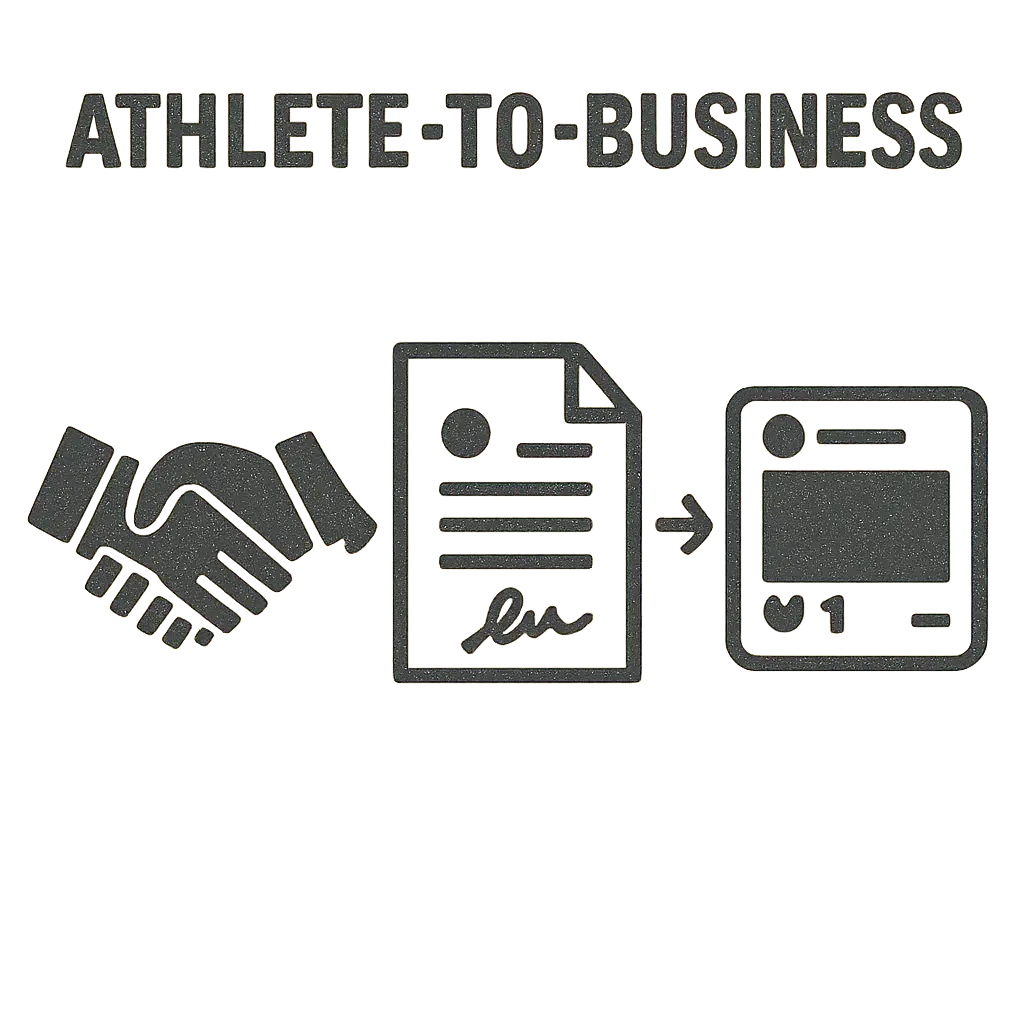
For Knoxville business owners, this legal clarity means the sidelines are officially open for business. You don’t need a Fortune 500 budget to get involved; whether you run a barbecue joint or a law firm, knowing how to sponsor Tennessee Volunteers athletes starts with a simple concept called “quid pro quo.” In plain English, this means “something for something.” Unlike old-school booster donations where money was given with a wink and a nod, legitimate NIL deals require the athlete to perform a specific service—like signing autographs, filming a commercial, or attending a grand opening—in exchange for their payment.
Navigating student-athlete brand management Tennessee style involves a straightforward workflow that protects both your business and the player’s eligibility:
- Identify the Right Fit: Choose an athlete whose personal brand aligns with yours—like a lineman for a construction firm or a sprinter for a delivery service.
- Define the Deliverables: Clearly list the required work, such as two social media posts and one hour of meet-and-greet time.
- Verify Compliance: Ensure the deal is disclosed to the university’s compliance office (often via an app) to keep the athlete eligible.
- Execute the Contract: Sign the agreement, have the athlete perform the work, and pay the invoice.
Treating these players as professionals also introduces real-world financial responsibilities that go beyond the field. Because these payments are classified as taxable earnings, understanding the tax implications for collegiate NIL income is vital; business owners must issue a 1099 form if payments exceed $600, just as they would for any independent contractor. This shift turns the locker room into a classroom for entrepreneurship, preparing athletes for life after sports while strengthening the local economy. With the business ecosystem now fully operational, the question becomes: how does this economic engine keep the Vols at the top of the standings?
The Future of Rocky Top: How NIL Keeps Tennessee at the Top
You can now look past the scoreboard to see the machinery powering it. Recognizing how the Spyre Group and local partnerships drive Tennessee football recruiting NIL influence turns confusing headlines into clear competitive advantages. You realize that a robust financial engine is now just as critical as the play-calling on the field for climbing the SEC NIL collective rankings.
This economic shift isn’t a temporary trend; it is the permanent reality of modern athletics. Whether you join the Vol Club or support businesses backing players, you now have a direct hand in keeping Rocky Top at the summit.
Learn More About the NIL Landscape
Name, Image, and Likeness plays an increasing role in college sports, and understanding how it works often requires more than individual articles or news updates.
RallyFuel is a platform focused on NIL-related topics across college athletics. It brings together information about athletes, NIL activity, and the broader structure behind modern college sports, helping readers explore the topic in more depth.
Frequently Asked Questions
Question: What is NIL, and who actually pays Tennessee athletes? Short answer: NIL (Name, Image, and Likeness) lets student-athletes monetize their personal brand—much like running a “digital lemonade stand.” At Tennessee, the university provides scholarships and the stage, but it does not cut NIL checks. Most funding and deal-making are led by Spyre Sports Group through its fan-funded collective, The Vol Club, which pools supporter subscriptions to compensate athletes, retain current stars, and aid recruiting through legitimate, quid pro quo agreements.
Question: How does The Vol Club work, and why does it matter on the field? Short answer: The Vol Club is a tiered subscription run by Spyre Sports Group that turns fan support into a marketing budget for athletes. Members pick access levels—Digital (exclusive content), Pro (merch and meet-and-greets), or Hall of Fame (VIP events and autographs). These pooled funds help sign top recruits and keep current players from transferring, with benefits measured in wins and roster stability.
Question: What kinds of NIL deals are Tennessee athletes landing? Short answer: Deals range from marquee contracts—like quarterback Nico Iamaleava’s headline-grabbing agreement—to creative, community-driven partnerships. Examples include French’s Mustard turning a viral Neyland moment into endorsements and Lady Vols promoting local boutiques or national brands. This broad portfolio, from big-budget to local activations, boosts Tennessee’s recruiting appeal across multiple sports.
Question: What did Tennessee’s pushback against the NCAA change? Short answer: Previously, the NCAA treated discussing specific NIL numbers with recruits as improper “inducements.” Tennessee, supported by state NIL laws and the state Attorney General, challenged that approach to allow transparent, market-based conversations. The result is clearer, more open NIL negotiations that protect athletes and local businesses, enabling coaches and collectives to operate aboveboard rather than in the shadows.
Question: I run a Knoxville business—how do I sponsor an athlete compliantly, and what about taxes? Short answer: Follow a simple, quid pro quo workflow: 1) pick an athlete whose brand fits yours; 2) define deliverables (e.g., two social posts and a one-hour appearance); 3) disclose the deal to the university’s compliance office; 4) execute the contract, have the athlete perform, then pay. Treat payments as taxable income; if you pay over $600, issue a 1099 like you would for any independent contractor. This keeps athletes eligible and your business protected.



Leave a Comment