
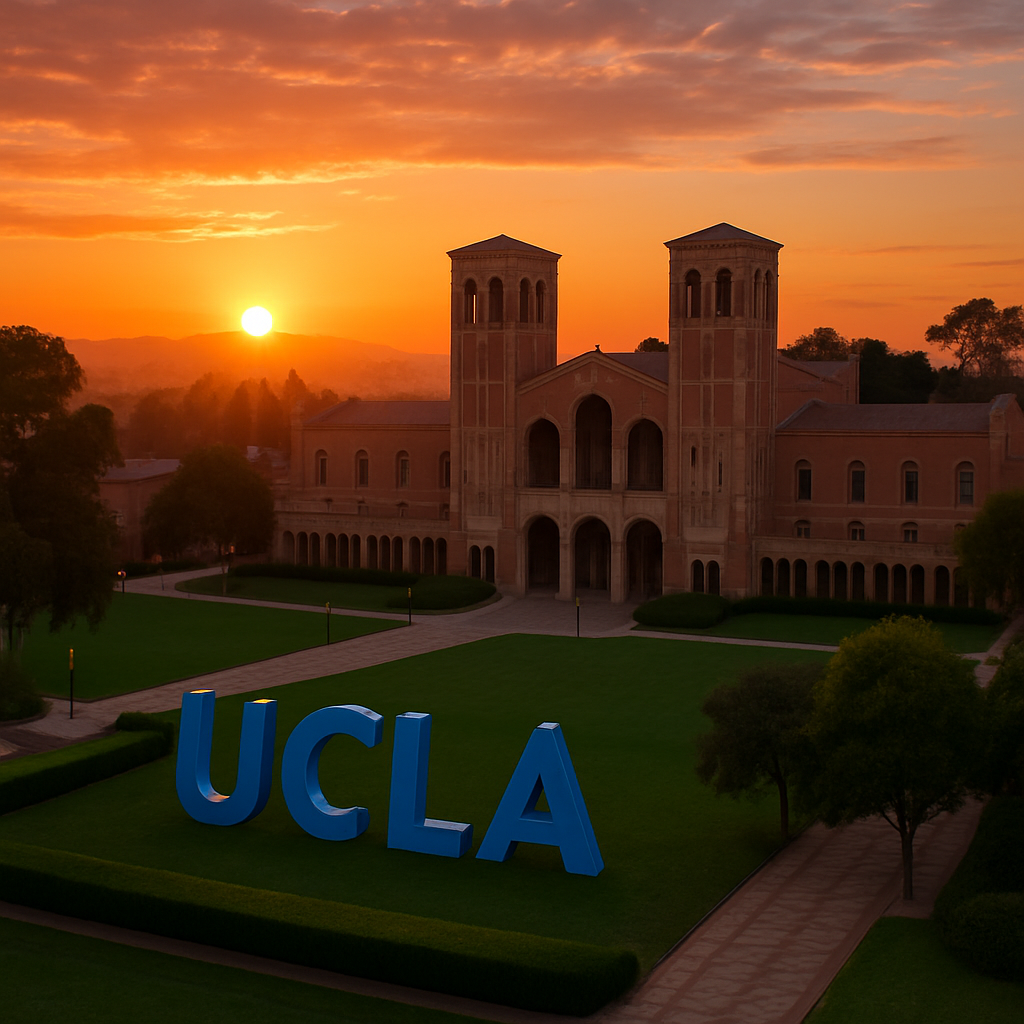
For decades, pulling on a UCLA jersey meant the university owned the commercial rights to everything you did. Today, the name on the back of that uniform represents a standalone business. This shift is about athletes taking ownership of their personal brands in ways that were previously forbidden.
The introduction of California Senate Bill 206 regarding student athlete pay forced the national conversation, making California the first state to legally protect a player’s right to earn money. Because of this legislation, NCAA name image and likeness regulations for Bruins shifted from strict prohibition to a regulated marketplace almost overnight, setting a precedent for the rest of the country.
Many fans assume these payments are simply paychecks from the school, but the reality is quite different. Think of “NIL” like a digital lemonade stand: the athlete owns the product—their fame and reputation—and they finally have the green light to sell it. Unlike a salary, these earnings come from third parties, meaning a gymnast promoting a skincare line or a linebacker signing autographs is operating as an independent entrepreneur rather than a university employee.
Navigating this new landscape can be confusing for fans used to the traditional amateur model. However, grasping ucla nil deals is essential to understanding how the program remains competitive in modern sports. By treating athletes as business owners, Westwood is adapting to a reality where commercial success and athletic performance are inextricably linked.
Summary
California’s NIL revolution, sparked by SB 206, has turned UCLA athletes into entrepreneurs, earning from third-party deals rather than university salaries. UCLA supports this shift through Westwood Ascent education, the Westwood Exchange marketplace for direct partnerships, and the Men of Westwood collective for fan-funded opportunities. Proximity to Hollywood and tech, plus the Big Ten move, amplifies national exposure, fueling standout deals from stars like Kiki Rice and Chase Griffin while intensifying competition with USC. Key challenges include taxes for 1099 income and visa limits on international athletes, addressed through strong financial literacy programs; fans can engage via collectives, the Exchange, and player merchandise.
How the ‘Westwood Ascent’ Powers the Bruin Business Model
While earning potential often dominates the headlines, sustainable success requires more than just a signature on a contract. To bridge the gap between being a student and running a business, the university launched Westwood Ascent, a program that functions less like a classroom and more like a startup incubator. This internal framework ensures that when a gymnast or linebacker lands a partnership, they have the professional tooling to deliver on their promises without jeopardizing their eligibility.
Support flows through the Bruin Varsity Club NIL support services, offering a safety net of experts who help athletes navigate this commercial landscape. Instead of leaving young adults to decipher complex contracts alone, the program focuses on three essential pillars designed to turn popularity into a portfolio:
- Brand Building: Teaching athletes how to curate a professional social media presence that attracts major sponsors.
- Financial Literacy: Providing student-athlete financial literacy programs at UCLA covering taxes and investment strategies to manage sudden income.
- Business Development: Connecting players with alumni networks and real-world mentorship opportunities.
By prioritizing education over quick cash, the UCLA athletic department NIL policy guidelines aim to protect athletes from predatory deals while maximizing their long-term value. This educational foundation sets the stage for the next logical step: actual deal-making. Once athletes understand their worth and obligations, they need a marketplace to find partners.
The Westwood Exchange: Connecting Local Biz to Bruin Talent
The UCLA Westwood Exchange marketplace operates as a digital matchmaking service. Instead of finding dates, it pairs local businesses with Bruin athletes. If a pizza spot in Westwood wants a linebacker to promote their new lunch special, they don’t need to call an expensive agent or navigate a maze of regulations. They simply log into this university-approved portal, browse player profiles, and send a proposal directly to the student. It lowers the barrier to entry, allowing the community to support the team while getting authentic advertising in return.
Convenience doesn’t mean chaos, however. To ensure fair play, strict UCLA athlete sponsorship disclosure requirements are built directly into the process. Before a deal is finalized, the details must be reported to the athletic department to verify that the transaction is legitimate work-for-pay and not a recruiting inducement. This transparency serves as a crucial guardrail for the athlete’s eligibility, ensuring that earning a paycheck on Tuesday doesn’t prevent them from suiting up for a game on Saturday.
This platform answers the question of how can UCLA student-athletes monetize their brand safely. It empowers a gymnast to host a paid clinic or a softball player to endorse a local gym with confidence. Yet, while the Exchange handles direct business deals, it represents just one side of the NIL coin. For larger-scale support involving donor funds and team-wide initiatives, a different engine takes over: the collective.
Men of Westwood: Inside the ‘Fan-Funded Agency’
While the Exchange handles one-on-one business deals, most of the headline-grabbing numbers come from a different source. Enter the “collective,” which functions essentially as a fan-funded agency. These donor-led organizations exist separately from the university but operate with the specific goal of supporting its teams. Instead of waiting for a car dealership to offer a contract, fans and boosters pool their money into a central fund, which is then used to create paid opportunities for the roster.
For Bruin supporters, the primary engine driving this activity is Men of Westwood. This group acts as a bridge between the passionate fanbase and the athletes. When you donate to the collective, your contribution joins thousands of others to generate revenue streams for players across basketball, football, and Olympic sports. It turns passive fandom into active support, allowing the crowd to directly assist in keeping the program competitive.
Crucially, this isn’t a handout; athletes must perform actual work to receive these funds. The Men of Westwood NIL collective benefits the ecosystem by structuring these obligations clearly:
- Community Engagement: Athletes get paid to appear at charity events, visit hospitals, or run youth camps.
- Marketing Activation: Players earn revenue for exclusive social media content, meet-and-greets, or autograph signings.
- Talent Retention: Consistent opportunities help keep top talent in Westwood rather than transferring to other schools.
Because these are independent entities, UCLA athletics doesn’t control the bank account, though they monitor activity to ensure NIL collectives for UCLA athletes stay within NCAA rules. This separation allows the collective to move quickly in a competitive market. With this infrastructure in place, top players are now securing opportunities that rival professional contracts, as seen in the massive success of current Bruin stars.
Winning Big in Westwood: Top-Tier Deal Examples from Kiki Rice to Chase Griffin
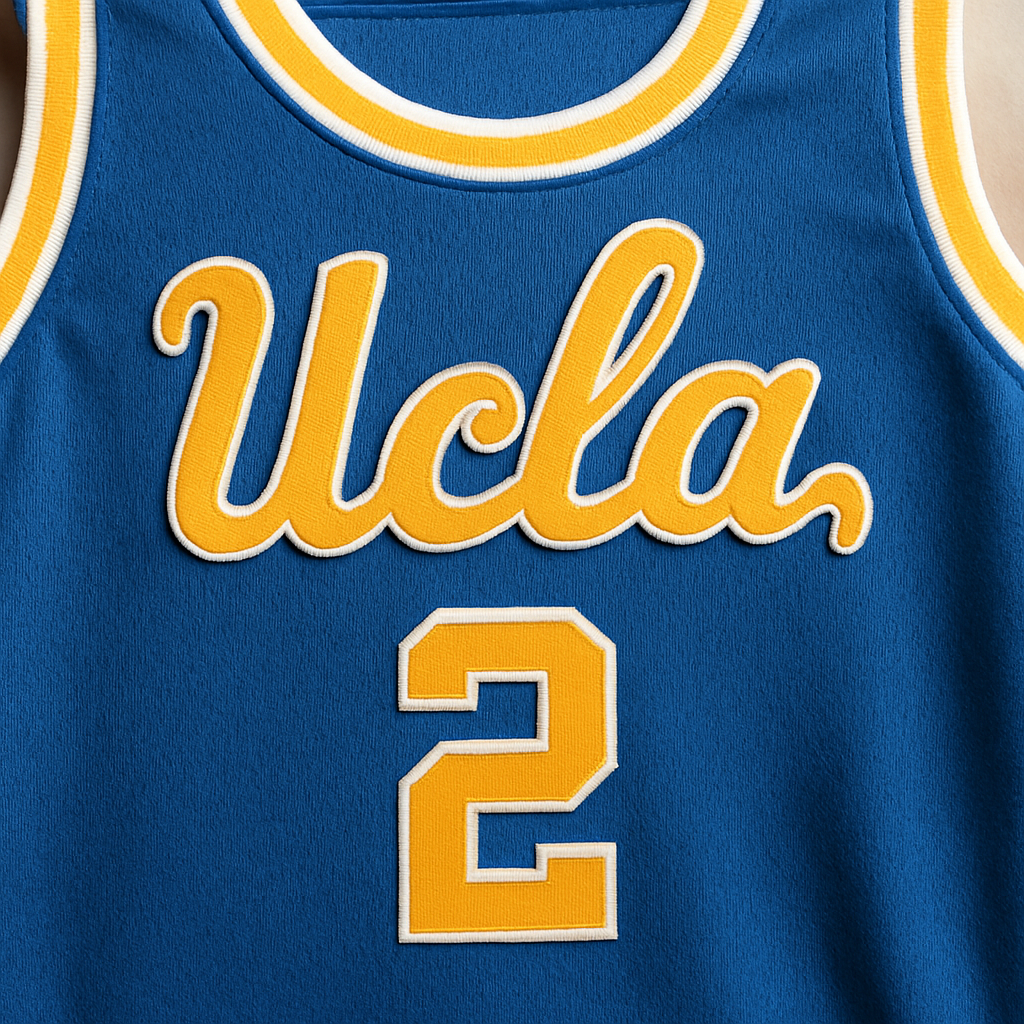
Location matters. While the collective provides a baseline of support, UCLA’s zip code offers a multiplier effect that schools in rural college towns simply cannot match. Being minutes away from Hollywood studios and Silicon Beach tech firms turns student-athletes into prime targets for major advertising campaigns. This geographic “home court advantage” allows Bruins to secure UCLA NIL deals that go far beyond local car dealerships, tapping into the marketing budgets of global corporations headquartered right in their backyard.
Consider Kiki Rice, a standout on the women’s basketball team, who made history as the first-ever college athlete signed to the Jordan Brand. This partnership represents the upper echelon of top earning UCLA basketball players endorsements, transforming a college jersey into a platform for a global sneaker giant. For the brand, they get early access to a rising star; for Rice, it provides a level of financial security and business education that was strictly prohibited under the old NCAA rules.
Not every agreement relies on athletic dominance alone, however. Quarterback Chase Griffin has carved out a unique niche by treating his image as a diversified portfolio, partnering with brands ranging from Shell to major financial firms. His approach highlights how savvy student-athlete brand examples often prioritize values and long-term networking over quick cash. Griffin essentially operates as his own media company, proving that a player doesn’t need to be the starting superstar to be a market leader in the business world.
Beyond the gridiron and the hardwood, the viral nature of UCLA gymnastics continues to prove that Olympic sport athletes can command massive social media engagement and the revenue that comes with it. This breadth of opportunity creates a thriving ecosystem in Westwood, but the landscape is getting crowded. Just across town, a fierce competitor is leveraging a similar playbook, setting the stage for a financial showdown that mirrors the intensity of the Crosstown Rivalry.
The Rivalry Shift: Comparing NIL Opportunities at UCLA vs. USC
The battle for the Victory Bell has expanded from the Coliseum grass to the corporate boardroom. While both schools share the lucrative Los Angeles market, their approaches to comparing UCLA NIL opportunities vs USC reflect their distinct institutional DNA. USC, operating as a private university, often leans into its tight-knit, wealthy alumni network to aggressively fund massive collectives for immediate roster building. In contrast, UCLA leverages its status as the nation’s top public university, utilizing the structured “Westwood Ascent” program to attract athletes who value global brand prestige and long-term marketability alongside competitive compensation.
The recruitment war happening in digital marketplaces is defined by how the two powerhouses position themselves:
- UCLA’s Edge: Relies on a globally recognized academic brand that appeals to national corporate sponsors like Jordan Brand and Google.
- USC’s Strategy: Utilizes a privatized, aggressive collective model designed for rapid capital fundraising and quick deal facilitation.
- The Shared Battlefield: Both leverage the LA media market to amplify athlete fame faster than schools in rural college towns ever could.
This financial competition is accelerating as both programs migrate to the Big Ten Conference. The impact of Big Ten move on UCLA NIL valuations cannot be overstated; playing games in major media markets from New Jersey to Chicago places athletes on national television weekly. This increased exposure turns regional stars into national household names, drastically raising the price tag for their endorsements. However, as checks start arriving from sponsors across the country, student-athletes effectively become small business owners, facing a new set of unglamorous challenges that follow the money.
The 1099 Reality: Managing Taxes and International Hurdles
The moment a sponsorship check clears, a UCLA student-athlete transitions from a scholarship recipient to a freelance contractor in the eyes of the IRS. Unlike tuition or room and board, which often carry tax benefits, cash earned from autograph signings or social media posts is fully taxable income. This shift requires 19-year-olds to suddenly master managing taxes on student-athlete endorsement income, setting aside roughly thirty percent of every dollar for federal and state obligations. Without the automatic withholding typical of a standard summer job, many athletes face a “tax surprise” in April, turning what felt like a windfall into a significant debt.
While domestic players wrestle with 1099 forms, their teammates from abroad face a much harsher exclusion. Are international UCLA athletes eligible for NIL deals? Generally, the answer is a frustrating no. Most international Bruins are in the United States on F-1 student visas, which strictly prohibit off-campus employment. Because the law views posting a sponsored Instagram story as “work,” these athletes are legally sidelined from the NIL gold rush, unable to monetize their fame without risking deportation. This federal restriction creates an awkward locker room dynamic where a star player from overseas might make zero dollars while a bench player from California earns steady endorsement checks.
To prevent these financial complexities from derailing a young adult’s future, UCLA places a heavy emphasis on student-athlete financial literacy within its Westwood Ascent program. Rather than just facilitating deals, the university brings in experts to teach budgeting, tax preparation, and long-term wealth management. This educational guardrail ensures that the NIL era empowers athletes rather than burdening them with legal trouble, setting a sustainable foundation for navigating the future of the “Blue and Gold” brand.
Navigating the Future of the ‘Blue and Gold’ Brand
The real engine under the hood is finally visible. UCLA NIL deals offer a fresh perspective: it’s not just about paychecks, but about leveling the playing field. These opportunities allow student-athletes to build financial literacy and personal brands while keeping the Bruins competitive in the demanding Big Ten era.
You don’t need to be a corporate CEO to participate in this new economy. Whether you own a local business or just cheer from the stands, there are clear ways to support UCLA athletes today:
- Join a Collective: Small monthly contributions to groups like Men of Westwood pool resources to fund opportunities for teams.
- Use the Exchange: Visit the Westwood Exchange online to hire athletes for autographs, lessons, or social media shout-outs.
- Buy Direct: Purchase official player merchandise where a portion of the proceeds goes directly to the athlete.
As the landscape shifts, the definition of a fan is evolving from passive observer to active participant. By embracing these changes, you aren’t just watching the future of NCAA sports; you are helping fuel it. The tradition remains, but the opportunities have just begun.
Learn More About the NIL Landscape
Name, Image, and Likeness plays an increasing role in college sports, and understanding how it works often requires more than individual articles or news updates.
RallyFuel is a platform focused on NIL-related topics across college athletics. It brings together information about athletes, NIL activity, and the broader structure behind modern college sports, helping readers explore the topic in more depth.
👉 Explore the Athletes on RallyFuel – Discover top college athletes, compare NIL valuations, and dive deeper into the world of NIL.
Q&A
Question: What does NIL actually mean for UCLA athletes—who pays them, and for what?
Short answer: NIL (name, image, and likeness) lets Bruins earn money from third parties—like brands, local businesses, or fans—for legitimate work such as promotions, social posts, clinics, appearances, and autographs. Thanks to California’s SB 206 and subsequent NCAA changes, athletes now operate as independent entrepreneurs, monetizing their personal brands; crucially, these are not university paychecks or salaries from UCLA.
Question: How do Westwood Ascent, the Westwood Exchange, and Men of Westwood differ?
Short answer: Westwood Ascent is UCLA’s education-first incubator that prepares athletes to run their brand like a business, with support from the Bruin Varsity Club in brand building, financial literacy (including taxes), and business development/mentorship. The Westwood Exchange is the university-approved marketplace where businesses can directly propose compliant, work-for-pay deals to athletes with built-in disclosure to protect eligibility. Men of Westwood is a donor-led collective, independent of UCLA, that pools fan/booster funds to create paid opportunities (community events, marketing activations) across teams, helping retain talent while staying within NCAA rules.
Question: How can fans and local businesses support UCLA athletes right now?
Short answer: Fans can join a collective like Men of Westwood with monthly contributions, hire athletes directly through the Westwood Exchange for appearances or social content, and buy official player merchandise that shares revenue with athletes. Local businesses should use the Westwood Exchange to browse athlete profiles and submit proposals—its streamlined, compliant workflow lowers costs and ensures deals don’t jeopardize eligibility.
Question: What gives UCLA an edge in NIL—and how does this compare with USC and the Big Ten move?
Short answer: UCLA’s LA location near Hollywood and Silicon Beach attracts global sponsors and high-visibility campaigns—seen in deals like Kiki Rice’s Jordan Brand partnership and Chase Griffin’s diversified portfolio—plus viral reach in sports like gymnastics. USC, as a private school, often leans on a tightly networked, aggressively funded collective model for rapid roster support. UCLA emphasizes its world-class academic brand and structured Westwood Ascent pathway to long-term marketability. The move to the Big Ten supercharges both schools’ NIL valuations by putting athletes on national TV in major media markets weekly, turning regional stars into national names.
Question: What are the biggest NIL hurdles for Bruins (taxes and visas), and how is UCLA helping?
Short answer: NIL income is typically 1099 contractor pay, so athletes must budget and set aside roughly 30% for taxes without automatic withholding—otherwise April can bring costly surprises. International athletes on F-1 visas are generally barred from off-campus work, which includes sponsored posts, so many cannot participate in NIL without immigration risk. UCLA addresses these challenges through robust financial literacy education in Westwood Ascent—covering budgeting, tax prep, and long-term planning—so athletes can earn sustainably and avoid legal trouble, even as federal visa limits persist.


Leave a Comment