
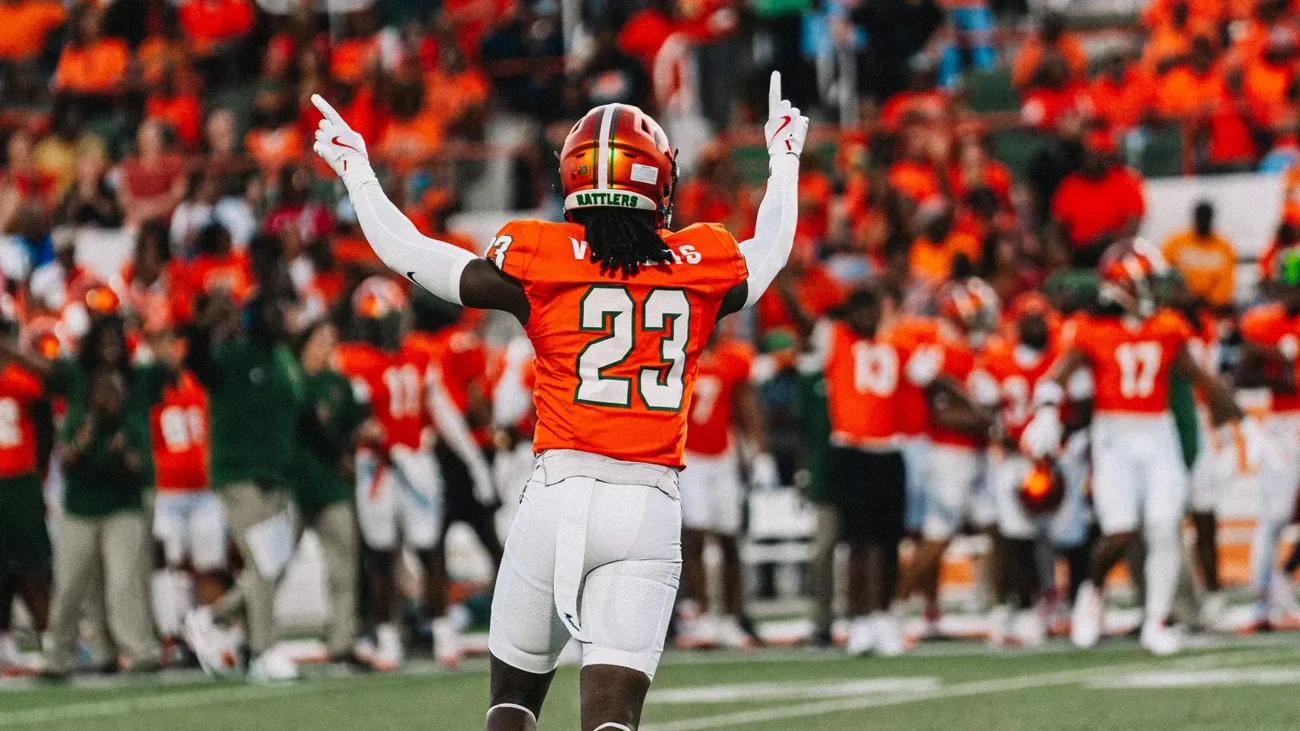
For decades, the electricity inside Bragg Memorial Stadium was fueled purely by school pride and the unshakeable Rattler spirit. Yet today, a new economic reality is helping decide which stars choose to play in Tallahassee.
This change centers on Florida Agricultural and Mechanical University NIL deals . According to updated NCAA regulations, these agreements operate like modern endorsements rather than university salaries. College athlete sponsorship is simple: a local business can now legally pay a volleyball player to post on Instagram or sign autographs at a car dealership.
This shift allows Rattlers to be both students and business owners. By monetizing their Name, Image, and Likeness (NIL), athletes gain financial freedom without sacrificing their eligibility or education.
Summary
FAMU’s NIL landscape empowers student-athletes to earn through compliant endorsement partnerships—often as micro-influencers—without risking eligibility. Local businesses can connect via the official Opendorse marketplace, while broader donor support is organized through the Rattler 21st Century Collective to stay competitive in recruiting. Strict adherence to FAMU compliance and Florida state laws prevents pay-for-play and branding conflicts. Leveraging FAMU’s distinctive HBCU culture and alumni “FAMUly” amplifies brand value and long-term opportunities, with community participation fueling sustained athletic excellence.
What Exactly is an NIL Deal and How Does it Change a Rattler’s Life?
While national headlines often obsess over million-dollar quarterback contracts, the reality of Florida A&M University NIL deals is usually much more grounded. For many Rattlers, these opportunities function less like lottery winnings and more like a flexible job that fits around rigorous practice schedules. This income covers essential costs that scholarships often miss, such as travel home for the holidays or professional attire, allowing student-athletes to stabilize their finances while representing the Orange and Green.
You might assume a player needs to be a household name to cash in, but modern marketing actually values specific engagement over broad fame. This nuance explains how do FAMU Rattler athletes monetize their brands effectively; a volleyball player with 5,000 loyal Instagram followers is a “micro-influencer” who offers immense value to niche advertisers. By posting about products to an audience that genuinely trusts them, these athletes convert their social reputation into income without needing to be on ESPN every Saturday.
Successful ventures go beyond a single sponsored tweet, evolving into genuine partnerships where a student might become the season-long face of a local Tallahassee restaurant or boutique. Building an athlete brand at Florida A&M through these sustained relationships teaches financial literacy and professional responsibility, turning athletic clout into a business resume. Connecting these eager students with supportive local entrepreneurs requires a reliable system to ensure every contract follows the rules.
Navigating the FAMU Opendorse Marketplace: A Guide for Local Businesses
Connecting eager entrepreneurs with student-athletes used to be a game of chance, but the FAMU Opendorse marketplace for local businesses has replaced random direct messages with a professional, streamlined system. This platform acts as the official digital front door to FAMU athletics, allowing business owners to hire players for appearances or social media posts without worrying about accidentally violating complex NCAA rules.
Getting started is surprisingly similar to using a standard freelance job site:
- Create a free profile to verify your business identity.
- Browse FAMU athletes by sport or social media following size.
- Send a direct deal pitch detailing the work and payment.
This technology handles the heavy lifting of compliance, automatically disclosing contracts to the university to ensure player eligibility remains safe. By simplifying how to partner with FAMU sports teams for marketing, Opendorse allows local support to scale efficiently. However, individual deals are just one avenue; pooling resources creates an even larger impact through the concept of a collective.
The Power of the ‘Rattler 21st Century Collective’: Why Community Support is the Secret Sauce
While hiring a quarterback for a single commercial helps, competing with major programs requires a much stronger, unified approach. The Rattler 21st Century Collective works like a dedicated “community pot” for athletics. Instead of one business hiring one player, it gathers contributions from hundreds of fans and alumni into a single powerful fund.
This donor-led organization creates paid opportunities for student-athletes that might not exist otherwise. The benefits of joining the FAMU NIL collective involve a system where boosters pool funds to pay athletes for charity work, meet-and-greets, or community appearances. It transforms casual fandom into a direct investment in the team’s livelihood.
Modern college sports has effectively become a recruiting arms race, and a well-funded collective acts as the ammunition. To attract top-tier talent or keep a star player from transferring to a larger school, FAMU must offer competitive financial packages. The Rattler 21st Century Collective impact is significant because these pooled resources are often the deciding factor for “blue-chip” recruits choosing Tallahassee over other cities.
The role of FAMU boosters in athlete sponsorships has shifted from simply buying season tickets to helping build the team’s roster. However, pooling money is only half the battle; distributing it correctly is vital to avoid penalties. Keeping these passionate efforts within the rules is the next challenge, as navigating state laws and NCAA policies requires strict adherence to compliance guidelines.
Staying Legal: FAMU Compliance Guidelines and Florida State Laws
While the Collective generates funds, moving that money isn’t the Wild West. Florida law and NCAA rules draw a hard line between legal sponsorships and illegal bribery. This is where FAMU athletic compliance guidelines for NIL come into play. The university’s compliance office acts as a referee, reviewing deals to ensure they are legitimate transactions for services—like an autograph session or social media post—rather than prohibited “pay-for-play” schemes given just for being on the roster.
Navigating Florida state NIL laws for student-athletes requires a keen eye for detail to avoid accidental violations. For fans or business owners wanting to offer a deal, recognizing common pitfalls is essential to keep the Rattlers on the field:
4 Red Flags in NIL Contracts:
- Using school logos without permission.
- Deals scheduled during mandatory team time.
- Conflict with existing school sponsors.
- No “pay-for-play” clauses.
A single bad contract can sideline a star player, making the vetting process critical. Protecting student-athlete eligibility during contract negotiations isn’t just about following rules; it’s about preserving the team’s season. Once these legal hurdles are cleared, athletes can focus on leveraging the unique culture of an HBCU to build a brand that stands out nationally.
The HBCU Edge: Why Building a Brand at FAMU Offers Unique Value
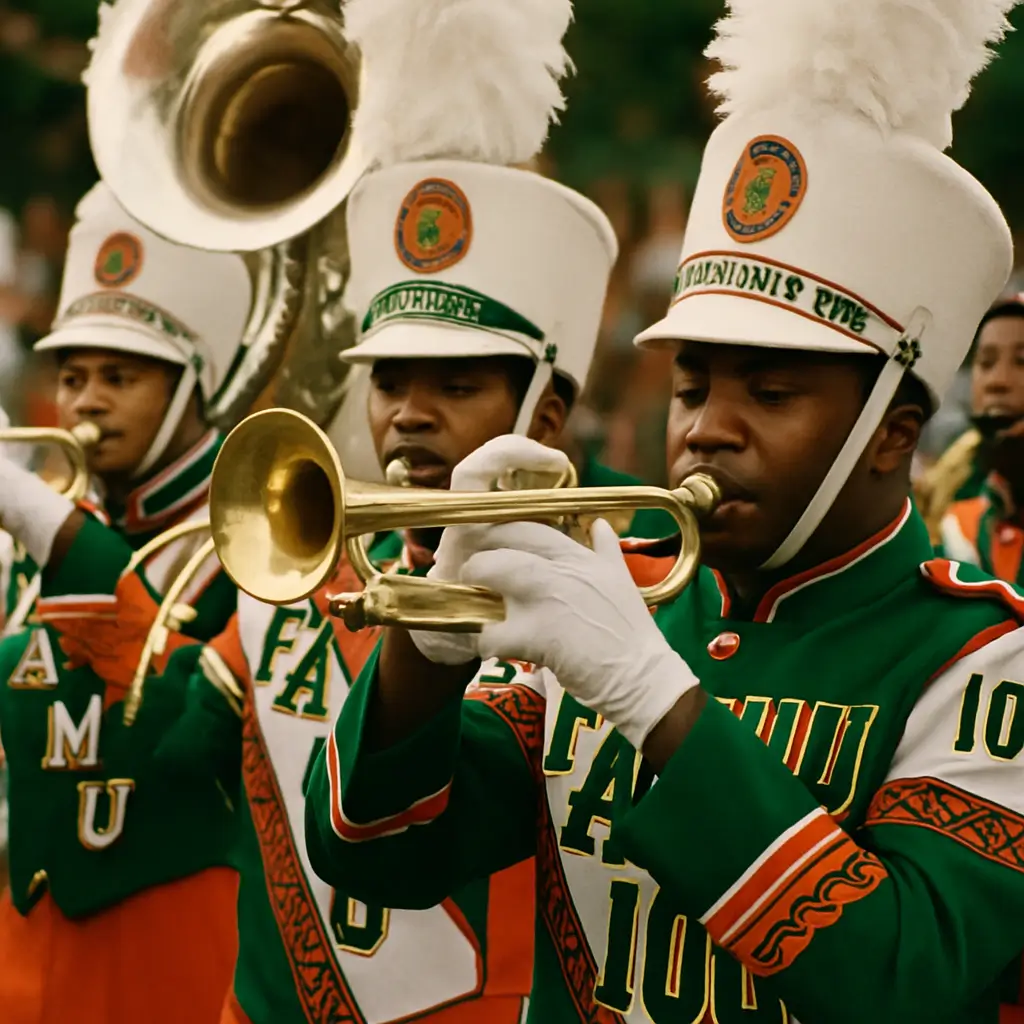
Florida A&M possesses a distinct cultural heartbeat that advertisers crave, extending far beyond the scoreboard to icons like the “Marching 100.” This depth ensures an athlete’s endorsement carries the weight of a historic community, offering sponsors authentic engagement that generic athletic marketing rarely achieves.
Navigating HBCU NIL marketplace trends reveals a strategic advantage over saturated “Power 5” programs where mid-tier players often get lost. At FAMU, athletes become central figures in a focused ecosystem, a dynamic that positively influences the impact of NIL on Florida A&M recruitment by proving recruits don’t need massive stadiums to monetize their value.
Success ultimately relies on the “FAMUly”—an alumni network treating sponsorship as an investment in legacy. Unlike transactional deals seen in FAMU vs other HBCU NIL opportunities, the Rattler connection offers career-long support, setting the stage for how you can directly fuel this engine of excellence.
Your Playbook for the Future: How to Support the Next Generation of Rattler Excellence
Backing Rattler sports means fueling the ecosystem that keeps talent in Tallahassee. Whether offering a sponsorship or donating to a collective, your involvement ensures players receive vital support, including financial literacy programs for FAMU student-athletes that turn short-term deals into long-term stability.
The landscape has changed, but the goal of excellence remains constant. By engaging with these opportunities today, you help secure the championships of tomorrow, ensuring the Orange and Green legacy thrives in this new era.
Learn More About the NIL Landscape
Name, Image, and Likeness plays an increasing role in college sports, and understanding how it works often requires more than individual articles or news updates.
RallyFuel is a platform focused on NIL-related topics across college athletics. It brings together information about athletes, NIL activity, and the broader structure behind modern college sports, helping readers explore the topic in more depth.
Frequently Asked Questions
Question: What is an NIL deal at FAMU, and how does it change a student-athlete’s day-to-day life? Short answer: NIL (Name, Image, and Likeness) deals are endorsement-style agreements—like social posts, autograph signings, or appearances—that pay FAMU athletes for real services without being a university salary. For many Rattlers, this acts like flexible, part-time income that fits around practice and classes, helping cover essentials scholarships may not—travel home, professional attire, and other costs—while preserving eligibility and academic focus.
Question: Do FAMU athletes need national fame to earn from NIL? Short answer: No. Modern marketing values engagement over sheer follower counts. A FAMU volleyball player with roughly 5,000 loyal followers can be a high-value “micro-influencer,” converting trust and niche audiences into income. Sustained partnerships—like being the season-long face of a local restaurant—often outperform one-off posts, building real-world skills in branding, finance, and professionalism.
Question: How can a local business start a compliant NIL partnership with a FAMU athlete? Short answer: Use the official FAMU Opendorse marketplace. Create a free business profile, browse athletes by sport or social reach, and send a direct pitch that outlines the deliverables and payment. The platform streamlines compliance by disclosing deals to the university, helping ensure eligibility is protected and that businesses don’t accidentally violate NCAA or school rules.
Question: What is the Rattler 21st Century Collective, and why does it matter for recruiting? Short answer: It’s a donor-led “community pot” that pools contributions from fans and alumni to fund paid opportunities—like charity events, meet-and-greets, and community appearances—for student-athletes. This unified support helps FAMU stay competitive in the modern recruiting arms race, providing the financial backing that can sway top recruits to choose (and stay in) Tallahassee over larger programs.
Question: What compliance pitfalls should sponsors and athletes avoid in NIL contracts? Short answer: Follow FAMU compliance guidelines and Florida law to steer clear of four big red flags: using school logos without permission, scheduling during mandatory team time, conflicts with existing school sponsors, and any “pay-for-play” clauses. The compliance office reviews deals to confirm they’re legitimate exchanges for services, protecting eligibility and the team’s season. Additionally, leveraging FAMU’s HBCU culture and “FAMUly” network within those rules can amplify long-term brand value.


Leave a Comment