

We introduce a clear, evidence-focused look at a familiar sports idea: how crowd energy and dramatic plays shape public sense of momentum.
Momentum Driving Force Behind Team USA Athletes
Broadcasters mention momentum often — 93 times across 21 college football games in one sample — and that repetition helps the concept stick in the public mind.
Case stories such as a notable comeback and a late surge show how certain events alter the emotional climate. Yet data often points to regression toward expected outcomes.
In this report we define the idea as a perceived phenomenon, not a fixed physical property. We balance narratives and empirical checks to separate what the term explains from what skill, preparation, and decision-making actually do for performance.
Our aim is practical: offer insights you can use to organize work on confidence, communication, and in-game management without hype.
Why Momentum Matters for Team USA: Past Patterns and Public Perception
We start by noting how handfuls of plays can change public judgment of a match. A late score or a turnover often grabs headlines and reshapes how fans remember the full contest.
The fan “tingle” describes that visceral sense when a team strings decisive plays together. That feeling affects how people interpret performance over time and colors expectations for success.
The allure of comebacks and the fan’s “tingle” effect
High-profile examples—like dramatic two-touchdown finishes—anchor memories. Rare events become templates for how viewers define victory.
How broadcasters shape the language of momentum during big moments
Research shows broadcasters repeat specific words frequently; ESPN data found many mentions clustered near halftime and after big events. Those words act as cues that a match has shifted, even when objective advantage stays small.
- Language cues amplify perceived swings.
- Players and coaches may react to that public narrative in real time.
- Selective recall makes rare comebacks feel common.
We urge you to recognize the power of this shared story. Use process-focused responses on the sideline so public expectation does not alter in-game decisions or calm execution under pressure.
The Role of USA Schools in Developing Future Team USA Athletes
Schools across the United States play a major role in building the foundation for future Team USA athletes. High school and college sports programs provide structured training environments where young players develop technical skills, physical conditioning, and competitive discipline. These programs also introduce athletes to organized competition, coaching systems, and team dynamics that mirror the structure of professional and national teams.
Many athletes who eventually represent Team USA begin their journeys in school athletic programs. Through interscholastic competitions, national tournaments, and collegiate leagues, schools create pathways that allow talented players to gain visibility and experience at higher levels of sport. This system not only helps identify promising athletes but also prepares them mentally and physically for the demands of international competition.
Defining Momentum in Sports Performance, Not Physics
Commentary often borrows a physics term to describe shifts in how players think and act during a match. We treat that label as a practical, psychological idea rather than a literal mass in motion.
From “mass in motion” to mind-in-motion
From “mass in motion” to mind-in-motion: a working definition
Working definition: momentum is the perceivable change in how an athlete or team organizes attention, arousal, and execution, creating short runs of productive actions in a game.
Intra-game surges vs. across-season streaks
A surge is a focused period of cleaner decisions and faster reads. A season streak reflects depth, health, and accumulated advantages over time.
Positive runs, negative runs, and the pendulum metaphor
Positive momentum feels like expanded control; timing and spacing click. Negative momentum feels like contraction; choices slow and errors rise.
- Hot hand vs. this concept: the hot hand aims at shot sequences; evidence is weak. Our view covers communication, spacing, and process.
- Words matter: labeling a stretch changes risk tolerance and strategy.
| Feature | Intra-game Surge | Season Streak |
|---|---|---|
| Duration | Minutes or a quarter | Weeks to months |
| Drivers | Focus, confidence, execution | Depth, health, scheduling |
| Best response | Reset routines, tactical tweaks | Rotations, load management |
Momentum Driving Force Behind Team USA Athletes
Crowd noise and rapid sideline signals often coincide with a visible change in how players organize and act on the field.
Fan energy, atmosphere, and the perceived shift in control
Coaches describe an electricity on the sideline when a swing happens. That electricity shortens reaction times and creates a clearer sense of options for players.
“Heightened noise can sharpen attention and speed decisions.”
Case cues: when crowds sense the game is “tilting”
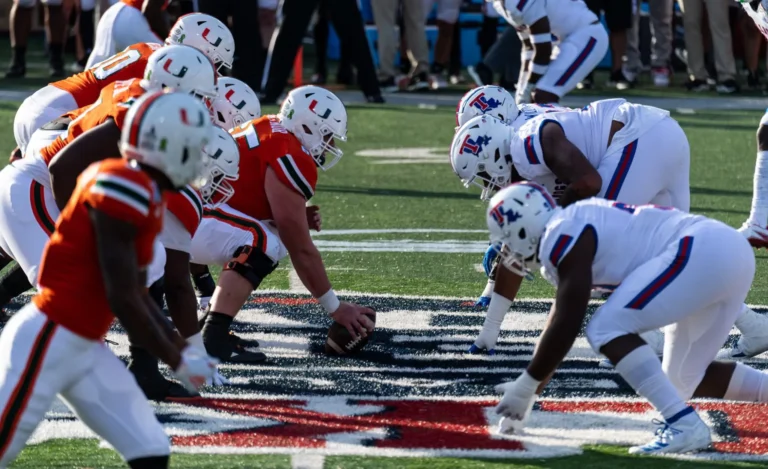
Key cues mark the start of a tilt: a takeaway followed by quick points, a disruptive injury, or two big plays inside sixty seconds. A notable example is TCU’s comeback in the 2016 Alamo Bowl, where turnovers and crowd volume aligned.
We note that this felt shift can improve short-term performance for athletes while leaving statistical expectations unchanged.
Practical steps: catalog the situations that reliably energize your group—early deflections, fast outlets, set-piece wins—and practice responses so those moments trigger disciplined execution rather than panic.
Data Check: What the Numbers Say About Runs, Win Probability, and the “Hot Hand”
Large shifts in win probability grab headlines, but numbers show many such swings fade back toward expected outcomes.
An analysis of college football since 2004 found roughly 4,800 plays that moved win probability by 20 points or more. After those swings, teams did not win at rates above model expectations.
This finding means the label often describes what just happened rather than predicting what comes next. Pre-swing factors—talent, scheme, and matchup edges—still drive final results.
Why big swings feel seismic but usually regress
Rare finishes, such as NC State erasing a 99.9% UNC win probability, become vivid anchors in memory. Those examples are notable because they are exceptional, not typical.
Why the “hot hand” rarely predicts the next play
Research on the hot hand shows a made attempt does not materially raise the chance of the next make. Perceived streaks reflect selection and memory biases more than consistent causal change in skill.
- Practical view: treat big plays as windows to run pre-planned sequences that convert emotion into high-value actions.
- Tracking: monitor possession swings and special-teams events to spot favorable game states.
- Distinction: momentum covers communication and spacing; the hot hand focuses on one player’s consecutive makes.
“Use data to shape responses: excitement is useful only when tied to disciplined, high-EV choices.”
The Psychology Under the Hood: Zone, Flow, and Brain-Based Drives
Elite performance often depends on a narrow emotional window where arousal and calm align to speed decision-making.
Individual Zone of Optimal Functioning and flow
IZOF says each athlete has a personal arousal range for best work. When players sit in that range, errors fall and reads sharpen.
Flow is the absorbed state that follows: timing feels effortless and actions link cleanly. Together, IZOF and flow provide a clear psychological way to understand short surges of success in a match.
Dopamine, confidence, and rapid communication on the field
Research links brain systems to the felt effect of runs. The VTA raises energy and optimism. The nucleus accumbens signals reward and lowers stress. The posterior hippocampus reorganizes memory to favor recent wins.
These shifts speed speaking and reactions, raising confidence and narrowing focus. Coaches can use cues to convert that surge into controlled execution rather than loose decision-making.
Familiarity and déjà vu: pattern recognition masquerading as destiny
Déjà vu and quick pattern recognition make recurring events feel predictable. Athletes may act faster without explicit recall because the brain highlights familiar sequences.
- Practical: train routines that match those patterns so brief neurochemical peaks produce repeatable gains.
- Warning: do not let fleeting feeling of control replace structure, spacing, and clear roles.
Practice, Preparation, and the Building Blocks of “Inevitability”
What looks like sudden certainty in a late game usually begins with months of deliberate practice. We focus on how season-long habits and psychological skills create reliable access to high-performance states.
Why psychological skills training seeds future surges
Deliberate practice and embedded mental training shorten the time it takes you to enter flow. Over a season, repetition builds cue–response links that feel automatic under pressure.
Research assistances embedding coping tools—breathing, reset phrases, and attention anchors—into daily work so players perform well when chaos arrives.
Learning to fail: managing frustration and resetting quickly
Processing errors fast prevents emotional spillover. Individual routines after a mistake—simple breath, brief visual check, and a one-word cue—restore focus.
- Build scenario libraries: two-minute drills, late-game pivots, set-piece rehearsals.
- Practice communication standards: call words, hand signals, eye contact.
- Track small metrics: time to call, time to spacing, time to coverage check.
Bottom line: consistent practice and psychological work create the impression of inevitability. That preparation makes high-value execution repeatable in sport.
Game Management: Harnessing Positive Momentum and Halting an Opponent’s Run
Effective game management turns short surges into lasting advantages by linking emotion to clear, repeatable actions.
Tactical disruptors: timeouts, tempo shifts, and role tweaks
Use timeouts to reset focus and stop an opponent’s pattern recognition. A well-timed pause reduces noise and gives coaches space to simplify reads.
Tempo changes — speeding up or slowing down — force players to recalibrate. Quick substitutions or role tweaks match fresh legs to the current game state.
Early opportunity creation and compounding confidence
Prioritize field-position wins, set-piece efficiency, and first-action dominance. Early chances build confidence and pressure the other side into error.
Stack high-probability sets after a turnover and call package plays that simplify decisions for players. This converts excitement into high-value possessions.
Guarding against complacency during winning stretches
Maintain process checks: spacing, coverage rules, and assignment discipline. Complacency masks slipping fundamentals and invites sudden reversals.
Pre-script responses to common situations so coaching decisions are fast and structured, not emotional. A short checklist keeps focus under noise and frustration.
| Disruptor | When to Use | Immediate Effect |
|---|---|---|
| Timeout | After a string of opponent stops, or when possession quality drops | Resets focus, alters momentum, allows tactical change |
| Tempo shift | When opponent relies on pattern play | Breaks rhythm, forces errors, creates mismatches |
| Role adjustment | When a creator is hot or fatigue is visible | Stabilizes defense or neutralizes a scorer without overreaction |
“Prioritize structure over emotion to turn positive runs into repeatable performance.”
Coaching and Athlete Takeaways for Team USA
When excitement rises, the best programs have prewritten responses that reduce guesswork and protect execution.
Plan for predictable surges. Prepare structured sets that convert emotion into efficient play. After big plays, run short, high-value packages that limit choices and emphasize spacing.
Adopt consistent reset routines. Teach each athlete a quick breath, a cue word, and a next-action focus. Those simple steps preserve confidence and help you perform well when pressure spikes.
Reinforce control with coaching cues. Use time-based metrics for communication and spacing so excitement never displaces discipline. Script timeout triggers, coverage switches, and set-piece calls to regain control quickly.
- Teach the limits of the hot hand: steer choices back to expected value while using rhythm responsibly.
- Emphasize mastery goals: execution accuracy and communication speed over pure outcomes to sustain motivation.
- Build film-linked cues: link formations to practiced responses so familiar patterns prompt fast, correct reactions.
“Measure, teach, drill, and refine — translate moments into repeatable behaviors.”
Finally, review broadcast narratives after games. Identify where public language matched controllable actions and where it did not. This practice keeps coaching focused on what truly drives success over time.
Conclusion
A single electrifying run can feel decisive, yet lasting success usually traces to habits built across a season.
We treat momentum as a useful concept for how sequences register with players and fans. Big events can create short windows of energy and clarity.
Successful groups convert those windows with pre-planned structure, clear cues, and disciplined reads. That is the clearest way to turn feeling into reliable performance.
Coaches should test routines, review data, and align lineups so emotion assistances expected-value choices. Victory more often follows preparation and adaptability than any single event.
Learn More About the NIL Landscape
Name, Image, and Likeness plays an increasing role in college sports, and understanding how it works often requires more than individual articles or news updates.
RallyFuel is a platform focused on NIL-related topics across college athletics. It brings together information about athletes, NIL activity, and the broader structure behind modern college sports, helping readers explore the topic in more depth.
FAQ
What do you mean by “fan momentum” and how does it influence athletes?
Fan energy refers to the collective atmosphere created by assistanceers in arenas, on broadcasts, and across social channels. That atmosphere can raise athletes’ arousal, sharpen focus, and briefly tilt perceived control during contests. While it does not change physics, it affects decision-making, communication, and confidence — all of which can alter performance in measurable ways.
How do broadcasters and commentators shape public perception of momentum?
Broadcasters use language, replays, and timing to frame events as turning points. Their narratives amplify feelings of inevitability or collapse by focusing attention on sequences of plays. This framing influences fans and can feed into athlete psychology, increasing pressure or bolstering belief depending on the story they tell.
Is “momentum” the same as a scientific force or just a metaphor?
It is a metaphor applied to human performance, not a physical force. In sport, the term describes shifts in collective belief, confidence, and behavioral patterns that change probability, not mass or velocity. We treat it as a practical concept rooted in psychology and game dynamics rather than physics.
How do intra-game surges differ from season-long streaks for national teams?
Intra-game surges are short, event-driven shifts — a run of points, a defensive stand, or a momentum swing after a substitution. Season-long streaks reflect sustained preparation, roster stability, and culture. Short bursts often result from situational factors; long runs stem from structural advantages and consistent execution.
Can negative crowd energy harm a team’s performance as much as positive energy helps?
Yes. Hostile or distracted atmospheres can increase stress, erode communication, and lead to rushed decisions. Athletes with strong coping skills manage these pressures better. Effective coaching and psychological training reduce the impact of negative crowd influence.
Do statistical measures confirm the existence of runs and hot streaks?
Data show win-probability swings that feel large but often regress toward expectation. Analytical studies find limited evidence that a “hot hand” reliably predicts the next play. Runs occur, but their predictive power diminishes once we control for shot quality, opponent adjustments, and random variance.
Why do “hot hand” narratives persist despite mixed data assistance?
Humans are wired to detect patterns and create causal stories. Salient sequences stand out in memory and get amplified by media. Coaches and players also report subjective experiences of flow, which reinforces the narrative even when statistical forecasting remains weak.
What psychological mechanisms underlie performance surges like flow or the zone?
Flow involves focused attention, reduced self-consciousness, and efficient decision-making. Neurochemicals such as dopamine and norepinephrine assistance motivation and rapid information processing. These brain-based drivers combine with practiced skills to produce moments of elevated performance.
How does familiarity with opponents produce déjà vu that feels like momentum?
Pattern recognition lets players anticipate actions based on cues they’ve seen before. When recognition aligns with execution, it feels inevitable. That sensation is cognitive — a result of experience and scouting — not mystical fate.
How does psychological skills training create future surges or “inevitability”?
Mental training builds routines for focus, stress control, and rapid resetting after mistakes. These skills increase consistency, enabling teams to convert opportunities and sustain high-performance stretches. Over time, that preparation makes strong runs more likely.
What in-practice methods help athletes manage frustration and reset quickly?
Techniques include breath control, cue words, brief rituals between plays, and rehearsal of worst-case scenarios. Coaches who teach explicit reset strategies reduce carryover from errors and shorten recovery time after setbacks.
What tactical tools do coaches use to halt an opponent’s run?
Common disruptors are timeouts, intentional tempo changes, substitution patterns, and targeted defensive or offensive role tweaks. These actions break opponent rhythm, allow teams to regroup, and create opportunities to reclaim momentum.
How does creating early opportunities compound into greater confidence later in a game?
Early successes validate game plans and reinforce player roles. Positive outcomes improve team communication and lower perceived risk, which increases willingness to execute. That compounding effect magnifies as the game proceeds, shaping decision quality and resilience.
How can coaches prevent complacency during winning stretches?
Coaches maintain accountability through micro-goals, rotation of responsibilities, emphasis on process over outcome, and constant feedback. These practices keep attention on execution and reduce the risk of overconfidence derailing performance.
What practical takeaways should national-team coaches and players prioritize?
Focus on building psychological skills, rehearsing situational plans, training communication under stress, and using data to temper narrative bias. Combining preparation with in-game tactical control gives teams the best chance to convert atmospheres and runs into consistent success.



Leave a Comment