
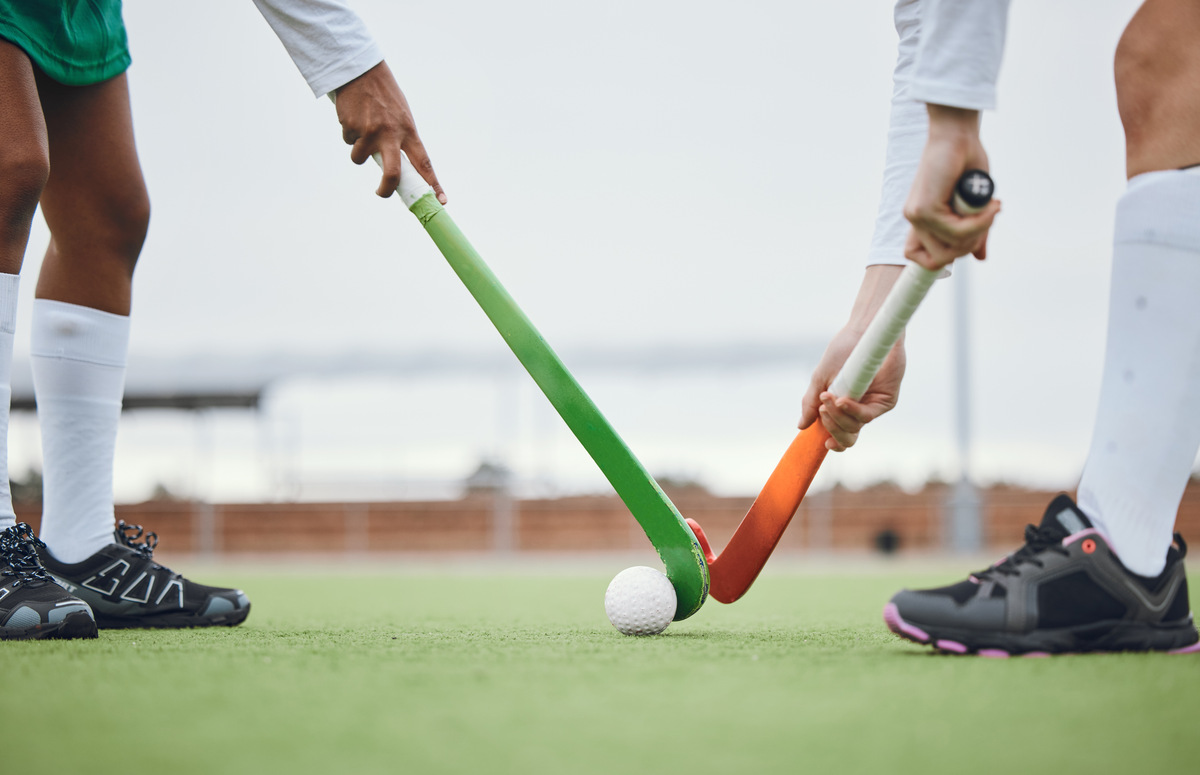
The recent shift in college athletics known as the NIL era has opened fresh opportunities for field hockey athletes to earn from their name, image, and likeness. That change makes fan engagement more valuable than ever for players building a public profile and attracting partners.
To make a real difference, fans need simple, repeatable actions—practical steps that raise visibility, help players grow their brands, and stay within school rules (check your school’s athletic compliance page for specifics).
Below are straightforward ways to back your favorite field hockey players: engage on social channels, attend games when possible, and share their content with your networks. Each action helps a player’s reach and makes them more attractive to potential partners.
The New Era of College Field Hockey and NIL
College field hockey now operates in an environment where student-athletes can monetize their name, image, and likeness. That shift has created practical ways for players to earn through endorsements, merchandise sales, and paid appearances while maintaining eligibility if they follow institutional rules.
What NIL Legislation Means for Student-Athletes
In practice, NIL lets college field hockey players turn on-field performance and community presence into income streams. Typical activities include:
- Signing brand partnerships
- Offering player-branded merchandise
- Making paid appearances and doing autograph sessions
These options give student-athletes additional ways to supplement scholarships and program resources while building a public profile that can lead to longer-term opportunities.
Why Field Hockey Players Need Fan Backing
Opportunities expand when players have an active audience. Fan engagement increases a player’s visibility to potential partners and can improve negotiation leverage in sponsorship conversations.
Simple fan actions translate into tangible gains:
| Fan ActionImpact on Athlete | |
|---|---|
| Following players on social media | Boosts online presence and audience metrics |
| Sharing athlete content | Expands reach to new audiences |
| Buying player merchandise | Generates upfront earnings and strengthens marketability |
Next step: follow a college roster or verified player account to keep up with posts and official announcements (verify links on the team’s official site before following).
Understanding the Challenges Hockey Players Face in the NIL Landscape
Field hockey players face specific hurdles in the current NIL environment: generally less national exposure than high-profile sports and uneven access to partnership opportunities. Those constraints can make it harder for players to convert strong on-field performance into off-field visibility and earning potential.
Visibility Challenges Compared to Revenue Sports
Because field hockey receives less media attention than revenue sports like football and basketball, players often must build momentum themselves. Practical steps to narrow the gap include:
- Posting consistent, high-quality content on social platforms
- Highlighting skill clips and behind-the-scenes training to attract new viewers
- Participating in campus or regional activations that can draw local media coverage
Gender Disparities in NIL Opportunities
Gender gaps persist: female athletes frequently receive fewer traditional partnership offers. That makes intentional promotion of women’s achievements — through community channels and targeted media outreach — especially important.
Success Stories of Field Hockey Athletes in the NIL Space
There are encouraging, often local examples of players who grew their audiences by combining strong content, community engagement, and consistent outreach to regional media. While specifics vary, these case studies show a focused strategy can attract sponsorships and merchandise opportunities even in competitive markets.
Pairing each challenge with a targeted tactic — better content, local media pitches, and coordinated community amplification — helps players raise visibility and unlock more opportunities over time.
Quick local-media pitch fans can use: “Hi — we’re local fans looking to highlight our college field hockey players’ community events; could we share a short feature or event listing?”
Social Media Backing: The Foundation of NIL Success
Social platforms are central to how field hockey athletes grow an audience and attract partners. A steady, authentic online presence gives players measurable metrics brands and campuses watch when evaluating opportunities.
Following and Engaging with Athletes on Instagram and TikTok
Start by following players’ official accounts on Instagram and TikTok so you see posts and stories as soon as they go live. Consistent follows and timely interactions help content gain momentum and demonstrate a player’s active fanbase.
Sharing Content to Increase Player Visibility
When you share a post or re-post a story, that content reaches people who might never otherwise discover the athlete. Natural, personal shares are more valuable than mass resharing because they introduce the player to diverse networks.
How Comments and Interactions Boost Algorithm Performance
Meaningful comments and interactions tell platform algorithms a post is worth promoting. Use short, specific comments (e.g., “Great footwork — love the assist!” or “Nice field vision on that play!”) and reply to other fans to spark conversation and increase the chance the post appears in more feeds. Avoid spammy behavior or automated messages—authenticity matters.
| Platform | Engagement Type | Impact on Visibility |
|---|---|---|
| Likes, thoughtful comments, story shares | Higher post reach and Explore visibility | |
| TikTok | Comments, shares, saving videos | Improved video distribution and discovery |
Purchasing Field Hockey Merchandise and Branded Products
Buying official team gear and player-branded items is one of the most tangible ways fans can provide backing so field hockey efforts can thrive. Purchases increase visibility for athletes and strengthen the commercial case for partnerships.
Official Team Gear That Benefits Athletes
Ordering from official team stores helps ensure revenue flows back into the program. Typical items include jerseys, sticks, and bags — choosing licensed sellers preserves quality and makes it more likely proceeds reach the intended recipients or program funds. Before you buy, verify the seller link on the team’s official site or athletic store.
Player-Specific Merchandise Lines
Some players now offer their own merchandise lines, from personalized jerseys to training items. Buying those products provides clear backing for an individual’s brand and helps demonstrate market demand to potential partners—always confirm the product link is shared by a verified player account or official program.
Backing Brand Partnerships and Sponsorships
Merchandise sales also signal consumer interest to brands. When items sell well, companies are likelier to consider collaborations or sponsorships, creating additional opportunities for athletes and the wider program. Watch for official announcements or verification badges to avoid counterfeit or unauthorized sellers.
| Merchandise TypeBenefits to AthletesExamples | ||
|---|---|---|
| Official Team Gear | Program revenue, wider visibility | Jerseys, sticks, team bags |
| Player-Specific Merchandise | Upfront earnings, stronger personal brand | Customized jerseys, branded training gear |
| Branded Products | Signals for sponsorship, broader promotion | Sponsored apparel, promotional items |
Tip: Check the official store link on the team website before purchasing and prefer links posted on verified team or player accounts.
Engaging with Player-Created Content
As field hockey players expand into video, audio, and written formats, fans have high-impact ways to provide backing and grow an athlete’s audience and reputation. Thoughtful engagement on creator channels amplifies reach and helps turn casual viewers into loyal followers.
YouTube Channels and Video Content
Many players publish drills, match highlights, and behind-the-scenes vlogs on YouTube. Simple actions—subscribing, turning on notifications (bell icon), liking, and leaving a short, specific comment—help videos reach more viewers. Example YouTube comment: “Great drill breakdown — love the stick work!”
Podcasts and Audio Content
Podcasts let players tell longer stories about training and competition. Tune in, subscribe, rate the show, and share episodes on social channels. Example podcast post: “Episode 5 has awesome training tips — worth a listen!”
Attending Games and Events as a Form of NIL Backing
Showing up at matches and team events has a measurable impact: fuller crowds increase visibility, create better highlight footage, and make programs more attractive to potential partners.
Impact on Sponsorship Opportunities
Higher attendance numbers and lively fan sections demonstrate demand to prospective sponsors. Consistent turnout can translate into stronger commercial interest, benefiting players and the broader program.
Meet-and-Greets and Special Appearances
Meet-and-greets, autograph sessions, and player appearances let fans interact in person and help athletes build public profiles. These events also generate media moments and local buzz that amplify a player’s visibility.
Quick checklist: buy a ticket, sit in the student or fan section when available, RSVP for official events, or join an organized watch party or live stream if you can’t attend in person. If you can’t make it, engage via the livestream chat and share the official stream with a short note to help amplify reach. CTA: Check your team’s schedule and plan to attend one game this season.
Financial Engagement Platforms for Field Hockey Players
With changes in NIL rules, fans have several ways to provide financial backing for athlete needs like training and exposure. Before contributing, always check institutional policies and any tax or reporting implications to ensure compliance.
Campaigns for Training and Equipment
Online campaign platforms let athletes raise money for specific needs such as camps, travel, or gear. Campaign pages usually list goals and progress so contributors can see how funds are used; verify the platform’s terms and the athlete’s school rules before giving.
Subscription-Based Models
Subscription services let fans provide recurring backing in exchange for exclusive content or experiences. Typical offerings include behind-the-scenes videos, early ticket access, or small-group coaching sessions.
Patreon and Similar Platforms
Platforms such as Patreon enable creators to receive recurring payments in return for tiers of content. Athletes can use these tools to deliver value—training breakdowns, Q&A sessions, or subscriber-only livestreams—while building a steady base of engagement.
Exclusive Content for Subscribers
Common subscriber perks include early ticket access, limited-edition merchandise drops, and personalized content. These incentives help athletes develop reliable audience backing and demonstrate demand to potential partners.
What to verify before contributing:
1) Confirm the athlete’s school policy allows the activity;
2) Check platform fees and payout schedules;
3) Understand whether contributions are taxable;
4) Prefer official links posted by the athlete or their program. Quick donor checklist: confirm the link on the team’s official site, look for verification on the player’s account, and ask the athlete or program whether contributions are treated as gifts or payments for services.
Participating in Camps, Clinics, and Training Sessions
The introduction of NIL-era rules has expanded opportunities for fans to learn from college field hockey athletes through organized training programs. These sessions help participants improve skills while creating meaningful engagement between athletes and their local communities.
Finding Field Hockey Instruction from College Athletes
College athletes frequently run camps, clinics, and training sessions—both in-person and virtual. Look for official listings on team websites, athletic department calendars, or the player’s verified social accounts. Before registering, confirm any waivers, age limits, or equipment requirements posted by the organizer.
Virtual Training Sessions and Online Coaching
Virtual clinics and one-on-one coaching make instruction more accessible. Online options often include live drill breakdowns, recorded sessions, and follow-up feedback. When booking, check session length, coach credentials, refund and rescheduling policies, and whether the session is delivered via a secure platform.
| Type of TrainingBenefitsFan Engagement | ||
|---|---|---|
| In-person Camps | Hands-on training, personal feedback | Face-to-face interaction with athletes |
| Virtual Clinics | Flexible scheduling, wider access | Live Q&A and skill demonstrations |
| Online Coaching | Personalized instruction, skill development | Regular check-ins and progress reviews |
Booking safety checklist: verify the session link on the team or athletic department site, confirm coach credentials or player verification, review refund and liability policies, and check for appropriate child-safety measures if minors participate. When in doubt, contact the team’s coaching staff through the official site before paying.
Community Organization to Back Local Hockey Players
Local organization plays a big role in helping field hockey athletes gain visibility and resources. Well-run community groups amplify player achievements, create reliable audiences, and coordinate activities that increase program exposure.
Creating Booster Clubs and Backing Groups
Forming a booster club or backing group gives fans a clear structure for organizing events, fundraising, and publicity. Start small: draft a simple mission (example: “Build community engagement and raise funds for equipment and travel”), register or check requirements with your school’s booster policy office, appoint volunteers for finance and communications, and keep transparent records to remain compliant with institutional rules.
Organizing Watch Parties and Fan Events
Watch parties, viewing events, and local fan gatherings build momentum around matches and create shareable moments for social media. Host events at community centers or campus facilities, promote them with a team hashtag, and coordinate straightforward activities—theme nights, halftime contests, or post-game Q&A—to increase attendance and create content.
Starter checklist:
1) Check school booster guidelines and contact your athletic department’s booster-policy office (sample line: “Hello — we’d like to form a booster group for men’s/women’s field hockey; can you share the registration steps?”);
2) Secure a venue and any basic permits;
3) Promote through the team’s official channels and local groups;
4) Track attendance, fundraising totals, and media coverage to demonstrate impact. For finance best practices, keep a separate bank account, use simple monthly reports, and rotate signers on expense approvals to maintain transparency.
The Future of Fan-Athlete Relationships in Field Hockey
The relationship between fans and field hockey athletes is evolving as rules and technology change. New tools will make interactions more immersive and measurable, opening fresh avenues for athletes to showcase skills and for fans to engage meaningfully.
Emerging Technologies and Backing Methods
Innovations like multi-angle live streaming, enhanced match replay tools, and interactive virtual clinics can bring fans closer to training and game-day moments. For example, a multi-camera skills clinic could let viewers switch angles during a drill while a coach breaks down technique — a format that raises visibility and helps players demonstrate expertise.
Potential Evolution of NIL Rules and Opportunities
As NIL guidance evolves, expect expanded commercial and promotional options that reward measurable audience engagement. Privacy, institutional compliance, and fair-play considerations will remain central; fans and athletes should monitor policy updates and follow school or conference rules.
Quick takeaway: subscribe to official team announcements and verified player channels for pilots or new offerings, and prioritize options that protect player privacy and follow institutional guidelines.
Conclusion
The landscape of college athletics is changing, and fan activity plays a meaningful role in helping field hockey athletes grow their profiles and opportunities. Simple, consistent actions—engaging on social channels, attending matches when possible, and sharing player content—collectively boost visibility and create more chances for partnerships.
Start small: follow one verified roster or team account now, turn on notifications, and set a weekly reminder to share one post. For more details and practical tips, see the FAQ above or check official team resources to stay aligned with school policies.
Learn More About the NIL Landscape
Name, Image, and Likeness plays an increasing role in college sports, and understanding how it works often requires more than individual articles or news updates.
RallyFuel is a platform focused on NIL-related topics across college athletics. It brings together information about athletes, NIL activity, and the broader structure behind modern college sports, helping readers explore the topic in more depth.
FAQ
What is NIL legislation, and how does it affect field hockey players?
NIL rules let college athletes use their name, image, and likeness to pursue paid opportunities; for field hockey, that means options like partnerships, merchandise, and paid appearances when activities follow school and conference policies.
How can fans back field hockey players through social media?
Follow verified accounts, leave specific comments, save and share posts, and use official hashtags — these quick actions raise a player’s visibility and help attract potential partners.
What is the significance of purchasing field hockey merchandise?
Buying official team or player items demonstrates market demand and can route revenue to programs or individual initiatives; always confirm the seller is listed on the team’s official store or posted by a verified player account.
How does attending games and events back field hockey players?
Attendance boosts audience metrics, improves highlight footage, and signals community interest to brands — if you can’t attend, join official livestreams, engage in the chat, and share the stream to help increase reach.
What are some campaign and subscription platforms available for field hockey athletes?
Athletes may use campaign pages or subscription services to offer exclusive content or raise funds; before contributing, confirm the athlete’s school policy, check platform fees and payout timing, and prefer official links posted by the athlete or program.
How can fans participate in training sessions led by field hockey athletes?
Look for official clinic listings on team sites or verified player accounts, check age and waiver guidance, and confirm coach credentials plus refund and safety policies before registering.
What role does community organization play in backing local field hockey players?
Organized booster groups, watch parties, and local promotions amplify player visibility and create consistent audiences; follow your school’s booster guidelines and keep transparent records when running events.
What is the future of fan–athlete relationships in field hockey?
Expect more tech-driven engagement (multi-angle live streams, enhanced replays, immersive demos) and evolving NIL policies; subscribe to official team channels to stay informed and always respect privacy and institutional rules.
How can fans engage with player-created content?
Subscribe, enable notifications, rate or review podcasts, and share videos or newsletters with a short personal note — consistent, authentic interaction helps content perform better and reach new audiences.
What challenges do field hockey players face in the NIL landscape?
Key challenges include lower national visibility and gender gaps in offers; targeted community promotion, quality content, and local media outreach can help mitigate those issues.

Leave a Comment