
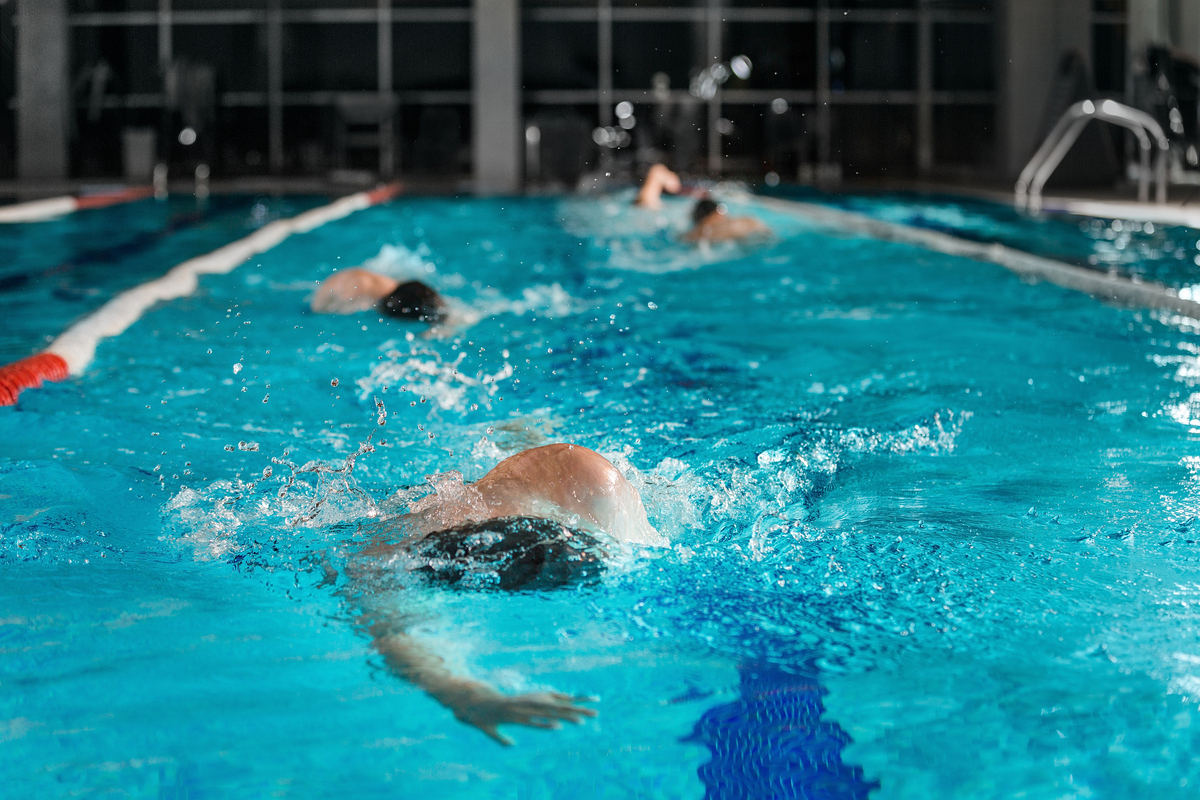
Unlike most countries, the United States relies on donations to help fund Olympic athletes like elite swimmers.
To compete at the international level, U.S. elite swimmers must train full-time, leaving little time to earn an income. The median income for most Olympic hopefuls is less than $20,000 per year, while out-of-pocket expenses for coaching, equipment, and travel typically range from $25,000 to $40,000 annually.
The High Cost of Becoming an Olympic Swimmer
USA Swimming ranks second among U.S. National Governing Bodies in total earnings at $6.7 million, trailing only track and field at $10.8 million. Even so, hopeful U.S. Olympic swimmers continue to rely heavily on outside support.
How can fans help? There are several ways.
The USA Swimming Foundation offers endowments established in the names of families that directly support Team USA swimmers. This option is highly impactful but also costly, with endowments beginning at $250,000.
Another way swimming fans can help U.S. swimmers make Olympic splashes is through the Foundation’s Donor-Athlete Partnership Program. This approach is more hands-on and involves direct relationships with swimmers.
Through this program, donor families and swimmers create mutually agreed-upon partnerships that can include financial donations, career support, care packages, correspondence, and other forms of engagement. Once a partnership is established, it is officially announced at an agreed-upon event or through a news release, and the donor receives a personalized letter from the sponsored swimmer.
Donors may remain with their swimmer or choose to make a change on an annual basis. The minimum charitable gift for the Donor-Athlete Partnership Program is $100,000, payable over four years.
The Foundation also accepts charitable contributions starting at $80,000, also payable over four years. Of that total, $15,000 per year goes directly to the swimmer, while $5,000 per year is allocated to the National Team Transition Fund endowment, which helps swimmers transition into post-competition careers.
Fans can also contribute to Olympic hopeful swimmers through the Team USA website. These donations are tax deductible, and 100 percent of the funds go directly to the athletes and the programs that train them.
Since 2021, the NCAA has allowed student-athletes to earn Name, Image, and Likeness (NIL) income through social media activity, branding, appearances, images, and similar opportunities. However, swimmers have remained in the shallow end of the NIL pool, with only limited gains.
In fact, NCAA swimmers and divers earned a median NIL value of just $51 last year, down from $180 the year before.
Fans looking to help close that gap can also support swimmers through fan-powered NIL platforms like RallyFuel. Signing up and browsing verified swimmers takes only seconds. From there, fans can help fuel compliant NIL deals between athletes, fans, and schools across the platform.
Contributors can track how their support is used while receiving updates and shoutouts directly from the swimmers they help support.
Learn More About the NIL Landscape
Name, Image, and Likeness plays an increasing role in college sports, and understanding how it works often requires more than individual articles or news updates.
RallyFuel is a platform focused on NIL-related topics across college athletics. It brings together information about athletes, NIL activity, and the broader structure behind modern college sports, helping readers explore the topic in more depth.



Leave a Comment