
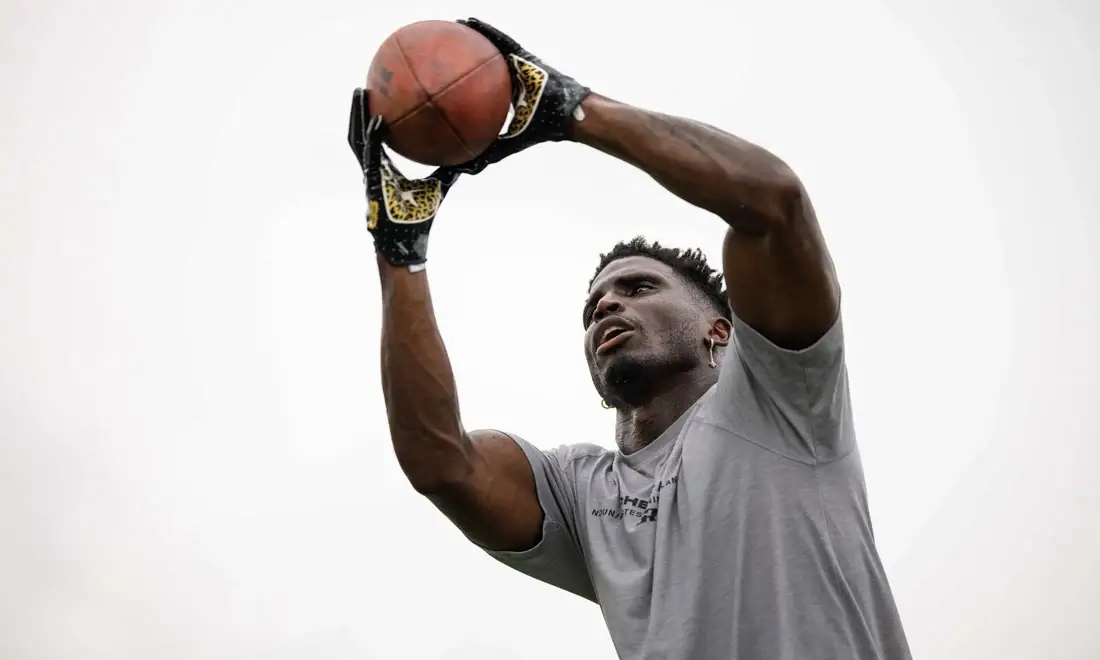
Picture a packed stadium in mid-February where you will find no helmets, no heavy linemen, and zero tackling. This high-speed, non-contact circuit functions much like summer AAU basketball, perfectly illustrating How 7v7 Flag Football Is Changing College Recruiting—and even shaping conversations around college flag football.
For decades, a high school coach served as the ultimate gatekeeper for college scholarships. Industry data reveals that this local system is rapidly fading, replaced by national scouting networks where private tournament directors now control a player’s recruiting momentum.
Parents frequently wonder why their teenagers are suddenly pressured to compete straight through the spring. Securing vital offseason exposure during the modern February-to-June scouting window has simply become just as important as shining under the traditional Friday night lights.
Summary
7v7 flag football has created an AAU-style, national offseason pipeline that shifts recruiting power from high school coaches to private clubs and digital scouting. Its non-contact, lineman-free, fast-clock format spotlights QBs/WRs/DBs and lets evaluators isolate traits on film, with viral clips accelerating offers. High-volume tournament reps speed skill development and chemistry, but families face travel costs, club–school tensions, and heightened overuse risks. To succeed, athletes should vet credible clubs, build skill-specific 7v7 highlight reels, and time exposure around NCAA calendars.
The ‘7v7’ Explained: Why Your Local Stadium Is Missing Linemen and Tackling
Imagine a stadium hosting dozens of simultaneous spring games. This is the “AAU-ification” of football—highly organized, private travel teams replacing casual off-season practices.
Stripping away physical chaos completely changes how these athletes compete. This non-contact football format operates under four unique rules:
- No tackling: One-hand touches replace bone-jarring hits.
- No linemen: The “big guys” who block are entirely removed.
- 4-second pass clock: Quarterbacks must throw instantly, forcing lightning-fast decisions.
- 40-yard fields: Compact play areas keep the action moving.
Without traditional running plays, the spotlight shines exclusively on “skill positions”—the quarterbacks throwing, receivers catching, and defensive backs covering. Consequently, 7v7 flag football college recruiting has skyrocketed. It eliminates messy game variables, transforming skill position evaluation into an isolated science. This environment essentially functions as a ‘Skill Position SAT’, providing scouts with a pristine setting to identify elite talent.
How Scouts Use 7v7 as a ‘Skill Position SAT’ to Identify Elite Talent
Digging through messy Friday night game film used to be the only way to evaluate high school players. Now, much like standardized tests provide an academic baseline, weekend tournaments offer a controlled setting to isolate and capture raw athletic data. While NCAA recruiting rules for 7v7 circuits restrict live, in-person attendance during the spring, recruiters easily bypass this geographical hurdle.
Instead of sitting in local bleachers, universities now rely on comprehensive digital scouting. Thousands of games are recorded from multiple angles, allowing evaluators to scrutinize specific body mechanics normally hidden by heavy pads and chaotic blocking. Evaluators specifically hunt for specialized traits like “hip fluidity”—a defensive player’s ability to smoothly pivot their waist and change direction without losing sprinting speed.
Constant camera surveillance ensures that a single viral video can alter a teenager’s future overnight. The definitive proof of 7v7’s scholarship-generating power lies in these 15-second internet highlights. A spectacular, acrobatic catch shared online acts as a modern resume, instantly alerting major football programs to elite athletic potential.
Capturing a scout’s attention through a screen, however, is merely the first step. Once these athletes secure digital exposure, they must consistently execute under intense, rapid-fire pressure to build vital on-field chemistry.
Building Chemistry Under Fire: Why 7v7 Reps Outweigh Friday Night Highlights
During a traditional Friday night game, a star receiver might only see four or five passes. Weekend tournaments flip this math, offering a massive “repetition advantage.” Over two days, that same athlete could catch fifty passes, accelerating their growth and building passing game chemistry at an unprecedented pace.
Stripped of tackling and giant blockers, the field becomes a masterclass in precision. Athletes use this environment to isolate techniques critical to route running development, mastering specific skills like:
- Press-man coverage: Defenders practice lining up nose-to-nose to disrupt opponents right at the starting line, refining elite man-to-man coverage skills.
- Timing routes: Quarterbacks rely on exact wide receiver footwork, throwing the ball to an empty spot a split-second before the player even turns around.
- Zone spacing: Receivers learn how to quietly navigate and sit in the “soft spots” between multiple defenders.
While this specialized training undeniably produces sharper athletes, it increasingly creates friction back in their hometowns. As teenagers invest heavy hours and money into this offseason circuit, families inevitably confront the dilemma of managing the costs and risks of the national travel circuit.
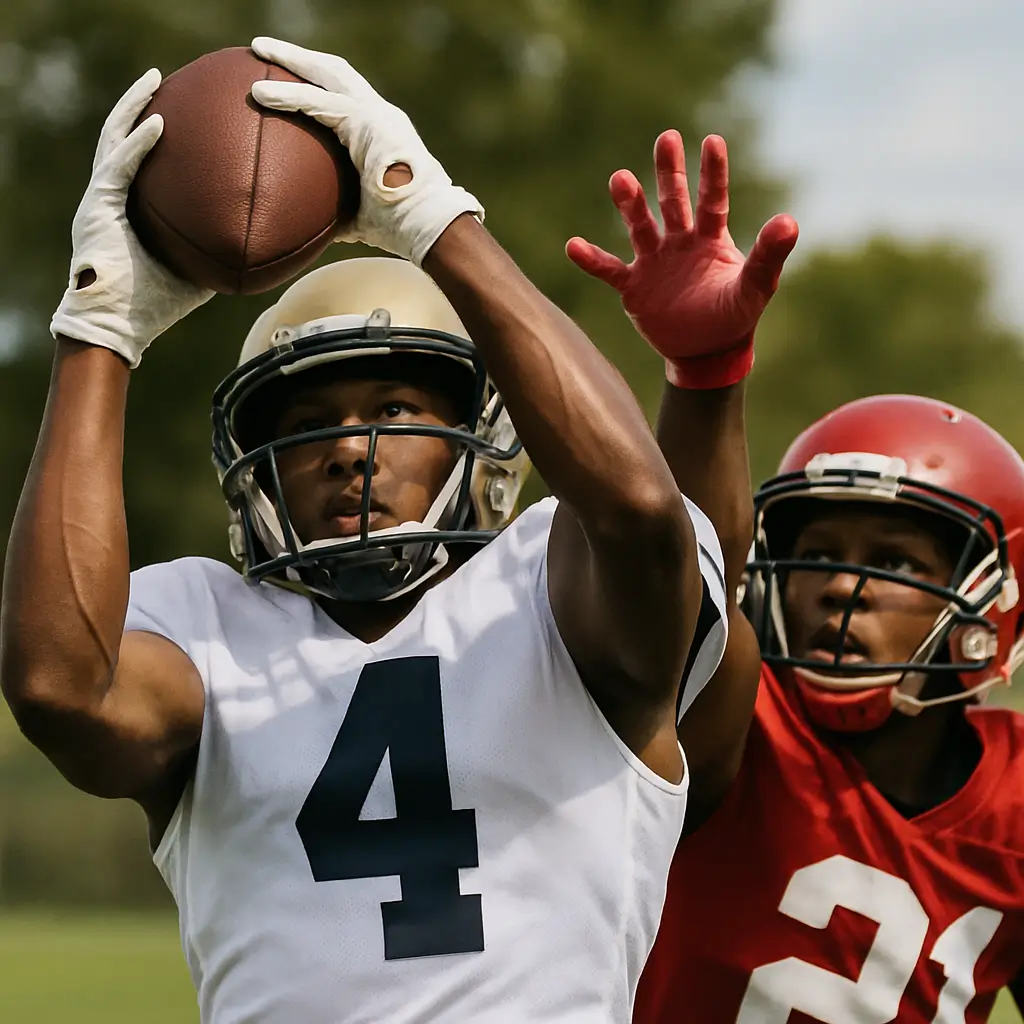
The Club vs. School Dilemma: Managing the Costs and Risks of the National Circuit
For generations, public school sports were the great equalizer, offering free Friday night platforms for any kid with cleats. Today, an elite underclassmen regional showcase can cost families thousands in travel fees, transforming America’s gridiron into a pay-to-play recruiting ecosystem that mirrors summer AAU basketball.
This massive financial shift naturally creates friction when Monday morning rolls around. Private club coaches, who promise direct pipelines to college scouts, are increasingly wrestling for influence against traditional hometown coaches, sparking a quiet war of club football vs high school football recruiting over where a teenager’s loyalty should lie.
Pushing growing bodies year-round also brings hidden physical dangers. Without a traditional off-season to rest and recover, sports medicine doctors are seeing a sharp rise in overuse injuries, making player safety a critical concern for parents watching their kids sprint through back-to-back weekend tournaments from January to July.
Ultimately, families are gambling their time and health chasing national 7v7 circuit rankings in hopes of securing a highly competitive college scholarship. To navigate this complex, expensive landscape without burning out or breaking the bank, parents and athletes must carefully evaluate their options and prepare with a structured off-season strategy.
Your 3-Step Plan for Offseason Recruiting Success
You no longer have to wonder why a player with quiet Friday night stats suddenly lands major college offers. Active participation in this year-round ecosystem allows athletes to navigate the off-season strategically instead of just waiting for the fall.
To start building recruiting momentum, follow this blueprint:
- Audit local 7v7 clubs: Look for teams with genuine college coaching ties and proven placements, not just expensive travel schedules.
- Create a ‘Skill-Specific’ highlight reel: Learn how to create 7v7 highlight reels that isolate raw speed and route-running, keeping them completely separate from your traditional tackle tape.
- Monitor NCAA recruiting calendars: Use these non-contact tournaments to stay highly visible to scouts during collegiate “dead periods.”
Chasing flag football scholarships requires time and financial investment, but it ultimately democratizes exposure. Approach this modern market with realistic expectations, using this summer circuit as a targeted tool to put your athlete on the map.
Learn More About the NIL Landscape
Name, Image, and Likeness plays an increasing role in college sports, and understanding how it works often requires more than individual articles or news updates.
RallyFuel is a platform focused on NIL-related topics across college athletics. It brings together information about athletes, NIL activity, and the broader structure behind modern college sports, helping readers explore the topic in more depth.
Q&A
Question: What exactly is 7v7 flag football and how is it different from traditional high school football?
Short answer: It’s a non-contact, lineman-free format played on 40-yard fields with a 4-second pass clock. One-hand touches replace tackling, there are no blockers or traditional run plays, and the game spotlights quarterbacks, wide receivers, and defensive backs. By stripping away pads, hits, and line play, 7v7 creates a clean, fast environment that isolates skill-position traits for evaluation.
Question: How is 7v7 changing the college recruiting landscape?
Short answer: Power is shifting from high school coaches to private clubs and national tournament directors who control spring exposure. The February–June “AAU-style” circuit, combined with digital scouting and viral clips, now drives momentum. Offseason performance can matter as much as fall games, with standout 7v7 film accelerating attention and offers for QBs/WRs/DBs.
Question: If NCAA rules limit in-person scouting during the spring, how do colleges evaluate 7v7 players?
Short answer: Schools rely on comprehensive digital scouting. Tournaments film thousands of reps from multiple angles, letting evaluators study fine mechanics—like a DB’s hip fluidity—without the chaos of pads and blocking. Viral 10–15 second highlights can trigger interest, but consistent execution across events is still necessary to turn views into real offers.
Question: Why do 7v7 repetitions often accelerate development more than Friday night games?
Short answer: Volume and focus. A receiver might get only a handful of targets in a traditional game, but can see dozens in a single weekend, fast-tracking timing and chemistry. The format doubles as a technique lab, sharpening press-man coverage, timing routes, and zone spacing in a precision-based setting.
Question: What are the tradeoffs of the 7v7 circuit, and how can families navigate them?
Short answer: Travel costs and showcase fees can create a pay-to-play feel, clubs may clash with school programs over player loyalty, and year-round play raises overuse-injury risks. To navigate: audit clubs for real college ties and placements, build a separate 7v7 highlight reel that isolates speed and route-running, and time exposure around NCAA calendars as part of a structured, sustainable offseason plan.




Leave a Comment