

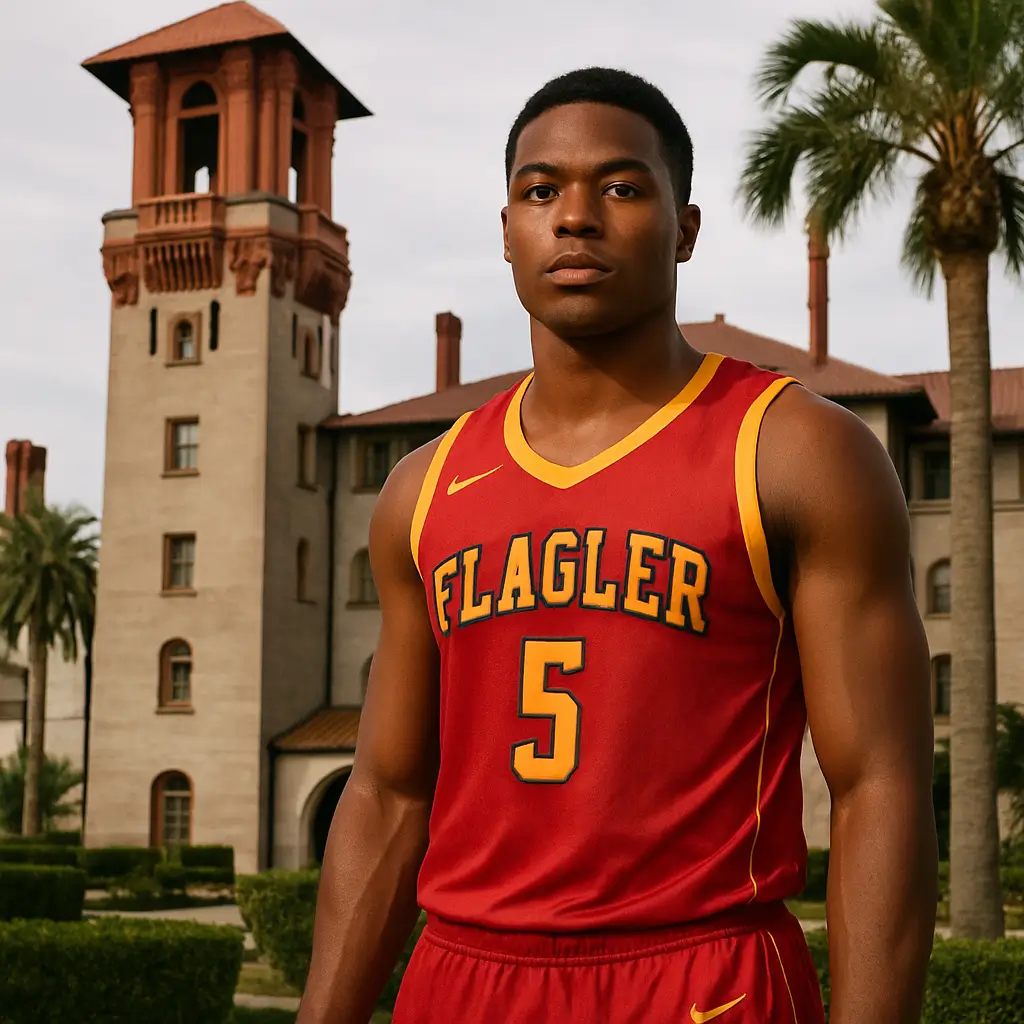
Walk down St. George Street, and you will see the face of Flagler College everywhere, but the rules of engagement for these students have changed. While national headlines focus on massive contracts at large universities, Flagler college nil deals are quietly reshaping how our community connects with sports on a local level.
Many assume this is simply a salary for playing, but in practice, it functions as personal brand licensing. Under these new regulations, a student-athlete nil agreement means getting paid for the marketing value they provide, not for the goals they score on the field.
For our town, this creates a unique opportunity. St. Augustine business sponsorships for athletes turn local heroes into business partners, driving a new economic engine that benefits both the campus and the coast.
Key Takeaways
Flagler College NIL is hyperlocal and pay-for-work, positioning Saints athletes as trusted micro-influencers for St. Augustine businesses. Compliant deals require clear deliverables, market-rate compensation, and transparent reporting to Flagler compliance under NCAA and Florida law, with athletes handling independent-contractor tax obligations. Community collectives complement individual partnerships, and the process doubles as career training that builds portfolios and networks; start small, stay compliant, and invest locally.
Summary
Flagler College NIL activity centers on community-based, pay-for-work brand partnerships that position Saints athletes as trusted local micro-influencers rather than high-paid stars. The guide explains how to craft compliant deals—identify partners, set clear deliverables, agree on market-rate compensation, and report to compliance—while navigating NCAA and Florida regulations and tax obligations. It highlights the Division II advantage of local impact, the role of collectives, and how NIL develops students’ professional portfolios and business skills. The takeaway: start small, stay compliant, and invest locally to create win-win value for athletes, businesses, and the community.
Why NIL at Flagler is Different: Understanding the Division II Advantage
When you turn on ESPN, you hear about million-dollar contracts at massive state universities, but that isn’t the reality here in St. Augustine. Division II vs Division I NIL opportunities operate in vastly different ecosystems; while the big schools chase national fame, Flagler College focuses on deep local connections. The value here isn’t in reaching millions of strangers, but in connecting with the neighbors who actually walk through your doors.
Think of a Saints soccer player not as a distant celebrity, but as a “micro-influencer”—someone with a smaller, fiercely loyal following. If a St. George Street business wants to drive foot traffic, a post from a student-athlete who lives and studies here often yields higher local conversion rates than a generic ad. These athletes are trusted voices, making their endorsements feel like genuine recommendations from a friend.
Individual deals aren’t the only avenue for support. Fans can pool resources into a “Collective,” acting like a community pot to fund opportunities for the team rather than navigating the nuance of NIL collective vs individual athlete marketing alone. This approach stabilizes the impact of NIL on private college recruitment, ensuring athletes feel supported by the whole town.
By focusing on these community-driven partnerships, Flagler keeps NIL grounded in local growth. Turning a handshake into a compliant agreement requires following specific steps.
From the Court to the Contract: How a Saints NIL Deal is Born
Initiating a partnership requires understanding that NIL is strictly “pay-for-work,” not “pay-for-play.” Unlike old-school booster handouts, today’s rules demand a specific exchange of value, legally known as quid pro quo. Whether the goal is social media monetization for collegiate sports or driving foot traffic, the athlete must perform a service—like signing autographs or posting content—to earn their fee.
The process involves four key steps:
- Identify the Partner: Find a Saints athlete whose image aligns with your brand values.
- Define Deliverables: Be specific about the work required, such as two TikTok posts or a two-hour meet-and-greet.
- Agree on Compensation: Negotiate a fee that reflects the market rate for the work, not the athlete’s performance on the field.
- Report the Deal: Submit the details to Flagler’s compliance office to ensure eligibility remains intact.
Determining the price tag involves evaluating the student’s audience engagement rather than their jump shot when negotiating endorsement contracts for student athletes. Savvy students might present a creative athlete marketing portfolio to showcase their reach, but for local businesses, the real value lies in how well that audience overlaps with your customers on King Street.
Once the terms are set, the focus shifts to protecting the student’s eligibility. Even well-intentioned deals can trip over regulatory wires, making strict adherence to NCAA and Florida state laws essential.
Staying ‘Above Board’: Navigating NCAA and Florida State Regulations
Securing a handshake deal at a local coffee shop is a great start, but it means nothing if the student-athlete gets benched for a rules violation. Florida student athlete compensation laws require strict adherence to specific boundaries to ensure the Saints can actually play the games they are paid to promote.
Transparency is the primary requirement under current NCAA Division II NIL regulations. The Flagler College compliance office serves as a crucial checkpoint, reviewing every agreement to confirm there is no “pay-for-play” disguised as a marketing deal, though the school does not negotiate the price on the student’s behalf.
Beyond school oversight, participants must recognize that these agreements classify athletes as independent contractors. This distinction carries tax responsibilities often new to undergraduates and ensures alignment with Peach Belt Conference eligibility rules, preventing inadvertent violations that could jeopardize a season.
Mastering athletic department compliance for name image likeness acts as a real-world business lesson. Navigating these bureaucratic layers successfully proves that Flagler athletes are building professional capacities that extend far beyond graduation.
More Than a Paycheck: How NIL Builds Professional Portfolios for Saints Athletes
While national headlines often obsess over dollar amounts, the real value for Division II participants lies in the entrepreneurial experience. When a Saint figures out how to start a sports brand as a college athlete, they are essentially launching a legitimate micro-business while still balancing a full course load. This process transforms abstract classroom concepts into tangible lessons on taxation, contract law, and personal reputation management, offering an educational return that outlasts any single payment.
Negotiating terms with a St. George Street retailer or designing a social media campaign requires real-world business acumen. Every successful partnership contributes to creating an athlete marketing portfolio that serves as proof of competency to future employers. Instead of graduating with just a degree, these students enter the workforce with documented experience in content creation, deadline management, and client relations, effectively bridging the gap between graduation and their first professional role.
These interactions also fundamentally change how students approach professional networking within the community. By connecting with local boosters for brand deals, athletes learn to articulate their specific value proposition to established business leaders. This ability to professionally pitch themselves ensures they are ready for the job market, making the local business community a vital partner in their long-term success.
Your Action Plan for Supporting Flagler Athletics in the NIL Era
View Flagler college nil deals not as high-stakes contracts reserved for massive universities, but as accessible partnerships connecting St. Augustine businesses with local talent. This shift turns you from a passive spectator into an active supporter of student entrepreneurs who are eager to work with their community.
Ready to support the Saints? Start with these manageable steps:
- Follow specific athletes on social media to gauge their audience fit.
- Contact the athletic department to verify what are the restrictions on college athlete sponsorships.
- Propose a small-scale local ‘pilot’ deal, such as a single event appearance.
You don’t need a million-dollar budget to make an impact; you just need a willingness to invest in your neighbors. While you should always consult a professional regarding tax implications for student athlete endorsements, the path forward is now clear. You are ready to help build the future of Flagler athletics, one local partnership at a time.
Learn More About the NIL Landscape
Name, Image, and Likeness plays an increasing role in college sports, and understanding how it works often requires more than individual articles or news updates.
RallyFuel is a platform focused on NIL-related topics across college athletics. It brings together information about athletes, NIL activity, and the broader structure behind modern college sports, helping readers explore the topic in more depth.
Frequently Asked Questions
Question: What makes NIL at Flagler College different from the big Division I programs? Short answer: Flagler’s Division II setting emphasizes local, community-driven partnerships over national celebrity deals. Saints athletes act as trusted micro-influencers whose value comes from authentic ties to St. Augustine—driving real foot traffic for neighborhood businesses. Instead of million-dollar contracts, the focus is on pay-for-work brand collaborations that resonate with locals, often yielding stronger local conversion than generic ads. Fans can also support through “collectives,” which pool community resources to fund team opportunities and provide steadier, town-backed support.
Question: Is NIL “pay-for-play,” or how does a compliant deal actually work? Short answer: It’s pay-for-work, not pay-for-play. A compliant NIL agreement requires a clear quid pro quo—specific services in exchange for compensation. The basic process: (1) identify a well-aligned athlete, (2) define concrete deliverables (e.g., two TikTok posts, a two-hour meet-and-greet, signed autographs), (3) agree on market-rate compensation based on audience engagement and local overlap—not on-field performance, and (4) report the deal to Flagler’s compliance office to protect eligibility.
Question: What rules and reporting keep athletes eligible under NCAA and Florida laws? Short answer: Transparency is mandatory. Every agreement should be submitted to Flagler’s compliance office, which reviews deals to ensure there’s no disguised pay-for-play; the school does not set or negotiate the fee. Florida student-athlete compensation laws apply, and Peach Belt Conference eligibility rules must be respected. Athletes are treated as independent contractors, so tax responsibilities come with the deal. Following these steps keeps agreements “above board” and athletes on the field.
Question: What is a collective, and how does it fit alongside individual deals? Short answer: A collective is a community-funded pool that supports team-wide NIL opportunities without requiring every supporter to manage individual contracts. It complements one-to-one partnerships by stabilizing support for athletes and strengthening private college recruitment, letting the whole town back the Saints while still leaving room for targeted local brand collaborations.
Question: Beyond a paycheck, how do NIL deals help Saints athletes—and how can a business start small? Short answer: NIL doubles as hands-on professional training: students build portfolios in content creation, client relations, deadline management, and personal branding—skills that translate directly to post-grad careers. For businesses, start small: follow athletes to gauge audience fit, contact the athletic department to confirm sponsorship restrictions, and pilot a simple appearance or social post. You don’t need a big budget—just clear deliverables, fair market-rate pay, proper reporting, and, for athletes, attention to tax obligations (consult a professional).
Question: Why are Flagler College NIL deals different from big Division I programs? Short answer: Flagler’s Division II context is hyperlocal. Saints athletes act as trusted micro-influencers with authentic ties to St. Augustine, helping neighborhood businesses drive real foot traffic and conversions. Instead of national, high-dollar celebrity endorsements, deals focus on community-based, pay-for-work collaborations that resonate with locals. Community-backed “collectives” can also pool support, complementing one-to-one partnerships.
Question: What does “pay-for-work” look like in a compliant Flagler NIL deal? Short answer: It’s a clear quid pro quo—specific services for compensation—not pay-for-play. A typical process is: identify a well-aligned athlete, define concrete deliverables (e.g., two TikTok posts, a two-hour meet-and-greet, autograph signing), agree on market-rate compensation, and report the agreement to Flagler’s compliance office. Payment is for marketing value and completed work, not on-field performance.
Question: How do businesses and athletes determine a fair, market-rate payment? Short answer: Price the work based on deliverables, the student’s audience engagement, and how well that audience overlaps with your local customers—not on athletic stats. Consider the time and scope (e.g., number of posts, event hours, content creation). Start small with a pilot, evaluate results, and scale from there while keeping terms transparent.
Question: What reporting and rules keep a deal “above board” and athletes eligible? Short answer: Transparency is mandatory. Submit every agreement to Flagler’s compliance office, which reviews deals to ensure there’s no disguised pay-for-play; the school doesn’t negotiate fees. Agreements must align with NCAA Division II and Florida student-athlete compensation laws, as well as Peach Belt Conference eligibility rules. Athletes are independent contractors and responsible for taxes.
Question: What common pitfalls should both sides avoid? Short answer: Avoid anything resembling pay-for-play or recruiting inducements, vague deliverables, compensation that can’t be justified as market rate, skipping compliance reporting, and ignoring independent-contractor tax obligations. Keep deliverables specific, document everything, and consult the athletic department on sponsorship restrictions before you launch a deal.



Leave a Comment