
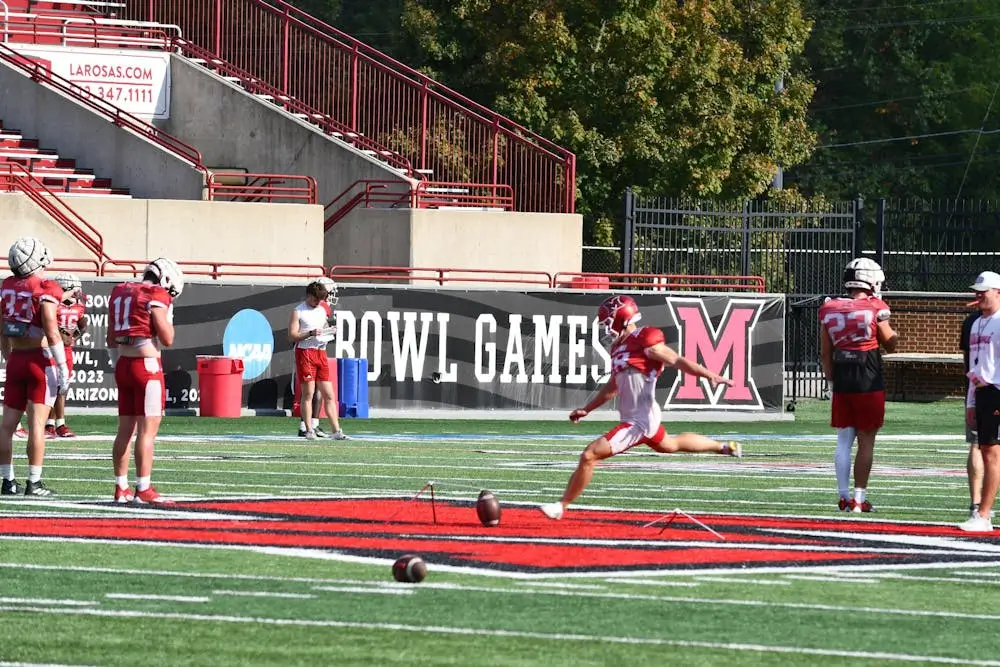
Driving down SW 8th Street, you might spot a familiar FIU linebacker promoting a local cafecito spot on a billboard, a sight that was legally impossible just a few years ago. For decades, student-athletes were compensated strictly through scholarships and tuition assistance, but that dynamic shifted dramatically in July 2021 when the NCAA altered its rules. This change finally allowed players to monetize their Name, Image, and Likeness (NIL), turning campus stars into legitimate entrepreneurs.
These new Florida International University NIL deals function less like a traditional salary and more like college athlete sponsorship contracts seen in professional leagues. In practice, an FIU baseball player can now operate like a social media influencer, partnering with Miami businesses to earn money for endorsements. The “305” area code offers a distinct advantage here; unlike college towns isolated in rural areas, FIU sits in a global media hub where local commerce thrives on personality and visibility.
This evolution transforms the student-athlete experience from purely athletic to business-focused. By building an athlete personal brand on social media, players are securing financial stability while completing their degrees, helping FIU retain top talent who might otherwise transfer. As these community partnerships grow, the lines between cheering for a team and supporting the local economy are becoming increasingly blurred.
Key Takeaways
Since 2021, FIU athletes can monetize their NIL through fair-market-value sponsorships, a model boosted by Miami’s media-rich market. Florida guardrails and FIU compliance require disclosures, ban certain industries, and prevent pay-for-play, while the donor-driven FIU Apex Collective and official marketplaces enable compliant opportunities. International athletes face F-1 visa limits—generally allowing only passive income or work done abroad—and all athletes must manage taxes, financial literacy, and agent vetting. Collectively, these structures help FIU retain talent, strengthen local business ties, and convert community support into competitive success.
Summary
FIU athletes now monetize their name, image, and likeness, leveraging Miami’s market through micro-influencer partnerships and support from the FIU Apex Collective. Florida’s guardrails require fair-market-value work, disclosures, and compliance oversight, with bans on certain industries. International athletes face F-1 visa limits allowing only passive income or work done abroad, while all students must manage taxes, vet agents, and avoid scams. Collectively, compliant NIL pathways help FIU retain talent, deepen ties with local businesses, and translate community backing into on-field success.
Navigating Florida’s NIL Laws: What the ‘Guardrails’ Mean for Panther Athletes
Just because athletes can now earn money doesn’t mean the rules of the road have disappeared. Florida has established strict “guardrails” to prevent “pay-to-play” schemes, where money acts as a bribe for recruits. The core requirement is “Fair Market Value.” An FIU quarterback cannot receive $50,000 simply for signing a napkin; they must perform actual work—like hosting a youth camp in Doral or posting on social media—at a rate that matches their genuine influence.
Since regulations prevent the university from paying athletes directly, the athletic department operates strictly as a compliance monitor. They review contracts to ensure they meet Florida state laws on athlete compensation, acting as referees rather than employers to keep student-athletes eligible.
Even with legitimate work, FIU compliance NIL disclosure requirements automatically block deals involving industries that conflict with educational values. Athletes are generally prohibited from promoting:
- Gambling or sports betting
- Alcohol and tobacco products
- Adult entertainment
- Controlled substances
With the university unable to cut checks and specific industries off-limits, supporters have turned to a new funding model: the “Collective.”
The FIU Apex Collective: How a ‘Community Chest’ Powers Student-Athlete Success
Because the university cannot write checks to players, the FIU Apex Collective fills the financial gap. This organization operates less like a corporate bank and more like a “community chest” for Panther athletics. It functions as an independent third-party that aggregates funds from wealthy donors and everyday fans, pooling resources to facilitate compliant deals that the athletic department is legally prohibited from arranging. This structure allows supporters to directly impact the team’s success by funding the opportunities that attract recruits.
Participation is designed to be accessible, often resembling a subscription service rather than a high-stakes auction. Fans can purchase an FIU Apex Collective membership , where monthly contributions go directly toward retaining top talent. This donor-led support for FIU student-athletes has become the primary defense against the Transfer Portal; by ensuring competitive compensation is available locally, the collective gives standout players a compelling financial reason to stay in Miami rather than jumping to rival programs.
The value of these agreements extends well beyond a direct deposit. Distinguishing between an NIL collective vs private endorsement is key: while private deals are strictly about marketing, the collective invests in the person. The Apex Collective builds long-term value for athletes through:
- Professional mentorship from Miami business executives
- Media training to sharpen on-camera interview skills
- Structured community service events across South Florida
With this support system in place, athletes are ready to expand their portfolio into individual commercial partnerships.
Securing the Bag in the 305: A Roadmap for Miami Brand Partnerships
While national stars chase million-dollar contracts, most opportunities for FIU students function closer to the micro-influencer model seen on Instagram or TikTok. Success in building an athlete personal brand on social media relies less on televised touchdowns and more on authentic engagement with the Miami community. A backup goalkeeper who posts relatable content about studying at the Green Library or grabbing coffee in Doral offers local businesses a targeted way to reach customers that generic billboards simply cannot match.
Smart partnerships leverage the unique visual flair of South Florida to drive results. When learning how to secure NIL sponsorships in Miami, athletes often find that integrating iconic backdrops—like the colorful walls of Wynwood or the hustle of Brickell—into their posts significantly boosts interaction rates. This strategy transforms a simple product endorsement into a lifestyle recommendation, making the content feel natural to followers while providing the business with valuable, authentic advertising in the heart of the city.
Connecting interested businesses with ready athletes no longer requires awkward direct messages or agents. The university utilizes official FIU Panthers NIL marketplace platforms to serve as a digital meeting ground where companies can browse athlete profiles, pitch deals, and securely process payments. Using this centralized hub ensures that every transaction is transparent and documented, which is a critical first step before navigating the strict rules managed by the compliance office.
Why the FIU Compliance Office is Your Best Friend: Disclosure and Rules
Landing a partnership is exciting, but the work isn’t finished once the contract is signed. For every deal, whether it’s a free meal on Calle Ocho or a cash payment, athletes must report the transaction to the university to satisfy FIU compliance NIL disclosure requirements. This reporting process acts as a safety net, ensuring that the agreement doesn’t accidentally cross lines drawn by Florida state law or the NCAA.
Without these checks, a seemingly harmless contract could jeopardize a player’s ability to stay on the field. The compliance team specifically hunts for red flags like “pay-for-play” clauses, where compensation is tied to specific athletic achievements rather than legitimate marketing work. Grasping what are the risks of NIL contracts allows students to distinguish between a valid sponsorship and a violation that could cost them their scholarship.
Internal compliance staff function less as a police force and more like a specialized legal team designed to protect the student’s career. By maintaining total transparency, athletes ensure their financial wins don’t result in losses on the scoreboard. Unfortunately, this protective system hits a federal legal wall when the athlete isn’t a U.S. citizen, creating unique hurdles for international stars.
The F1 Visa Hurdle: How International Panthers Navigate Complex NIL Restrictions
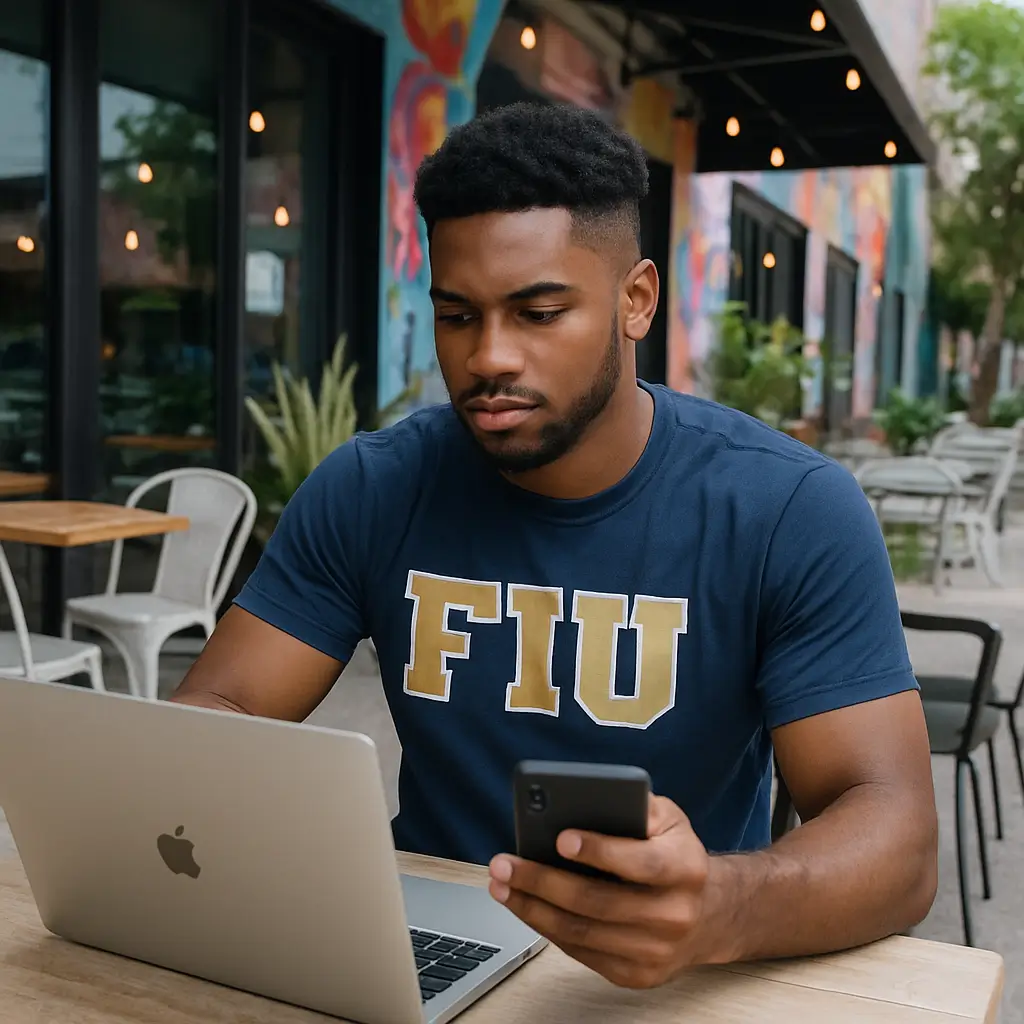
For the many international students wearing blue and gold, the “I” in Florida International University brings a major complication. While American teammates freely sign autographs for cash, international athletes face federal barriers that supersede NCAA rules. Typical F1 visas strictly prohibit “active employment” on U.S. soil, meaning a simple act like posing for a photo to promote a local gym is viewed by the federal government as unauthorized work.
Navigating these international student-athlete F1 visa NIL rules requires distinguishing between doing a job and owning an asset. While “active” income like coaching is off-limits, athletes may legally earn “passive” income, such as royalties from jersey sales, provided they perform no labor. Another valid workaround involves geography; students can legally perform tasks—like filming a college athlete sponsorship spot—while physically back in their home country during breaks.
The consequences here are severe, as a slip-up acts as a visa violation that could lead to deportation. Because the line between permissible passive income and forbidden labor is razor-thin, most international Panthers lean heavily on legal guidance. Once any athlete clears these hurdles and the money hits their bank account, the challenge shifts from earning the paycheck to keeping it safe from taxes and bad actors.
Managing the Paycheck: Financial Literacy and Avoiding NIL Scams
When an athlete signs a deal with a local Sweetwater business, they aren’t becoming an employee; they are essentially launching a small business. Unlike a traditional campus job where taxes are withheld automatically, financial literacy for student-athlete earners starts with the 1099 form. The IRS views NIL deals as self-employment income, meaning the student is fully responsible for the tax bill. Experts generally recommend setting aside 30% of every check immediately to avoid a painful surprise in April.
As money flows into the university ecosystem, sharks inevitably circle the water. Predatory “representatives” may promise lucrative endorsements in exchange for exorbitant commission fees or ownership of an athlete’s future image rights. To stay safe, players must treat hiring NIL agent representation at FIU like a rigorous job interview rather than a quick handshake. Before signing any representation agreement, athletes should ask three critical questions:
- What is your total commission percentage? (Standard is usually 10-20%).
- Can you provide references from other current college clients?
- Does this contract have a strict end date or “sunset clause”?
Securing these earnings ensures that NIL remains a benefit rather than a distraction. When athletes feel confident in their finances and legal standing, they can focus entirely on their performance. This stability is crucial for what comes next: translating individual earnings into team victories.
Turning Dollars into Wins: How NIL Strategy Shapes the Future of FIU Sports
Retaining top-tier talent has historically been the biggest hurdle for mid-major programs like FIU. In the era of the Transfer Portal—essentially college sports’ version of free agency—standout players are constantly tempted to leave for larger “Power Five” schools with deeper pockets. The impact of NIL on FIU recruiting acts as a critical defensive line; by offering competitive financial opportunities right here in Sweetwater, the university can convince a breakout star that their financial and athletic future is best served by staying in blue and gold rather than starting over elsewhere.
While curious fans often ask how much do FIU athletes make from NIL, the answer rarely involves the multimillion-dollar contracts seen at huge football factories like Alabama. Instead, FIU competes by leveraging Miami’s distinct economic advantages. A combination of moderate monthly payments from collectives and genuine endorsements from local businesses allows athletes to afford the cost of living in South Florida, narrowing the resource gap between Conference USA and the major conferences.
This ecosystem creates a tangible link between local commerce and the final score on game day. Every deal signed does more than just pay a bill for a student; it signals to potential recruits that Miami is a viable place to build a career. As the roster stabilizes and the wins pile up, the community sees a return on investment, setting the stage for fans to take an active role in this new landscape.
Your Playbook for Supporting the New Era of FIU Athletics
FIU athletes are no longer merely players on the field; they are emerging partners in the Miami economy. Analyzing florida international university nil deals reveals a landscape where student-athletes and local businesses grow together. It is not just about deep pockets; it is about keeping talent in the 305 and building a community ecosystem where everyone benefits.
Whether you are cheering from the stands or running a storefront on Calle Ocho, you can participate immediately:
- Fans: Join a supporter group like the 305 Collective to help directly fund athlete opportunities.
- Businesses: Explore micro-partnerships to test brand marketing strategies for college athletes without breaking the bank.
- Everyone: Follow FIU athletes on social media to boost their engagement metrics and market value.
This new era of college sports is permanent, and FIU is uniquely positioned to thrive by leveraging Miami’s vibrant energy. By engaging with these opportunities, you stop being a passive spectator and start actively shaping the future of FIU athletics. The next big win for the Panthers starts with community support off the field.
Learn More About the NIL Landscape
Name, Image, and Likeness plays an increasing role in college sports, and understanding how it works often requires more than individual articles or news updates.
RallyFuel is a platform focused on NIL-related topics across college athletics. It brings together information about athletes, NIL activity, and the broader structure behind modern college sports, helping readers explore the topic in more depth.
Frequently Asked Questions
Question: What exactly are NIL deals for FIU athletes? Short answer: Since July 2021, FIU student-athletes can earn money from their name, image, and likeness through sponsorship-style agreements rather than salaries. In Miami’s vibrant market, most opportunities look like micro-influencer partnerships—think social posts, appearances, or hosting camps—where compensation reflects the athlete’s real reach and engagement. This shift lets Panthers build personal brands, secure income while earning degrees, and leverage the 305’s business ecosystem in ways that weren’t possible before.
Question: What rules and restrictions apply in Florida, and which industries are off-limits? Short answer: Florida’s “guardrails” require fair-market-value work—no pay-for-play or sham deals. FIU’s compliance office reviews contracts, ensuring they align with state law and NCAA rules, but the university itself cannot pay athletes. Certain categories are generally prohibited: gambling/sports betting, alcohol and tobacco, adult entertainment, and controlled substances. Every deal—cash or in-kind—must be disclosed to FIU to protect eligibility and avoid violations.
Question: How does the FIU Apex Collective work, and how is it different from private endorsements? Short answer: The FIU Apex Collective is an independent, donor-funded hub that pools contributions from fans and supporters to facilitate compliant NIL opportunities the university can’t arrange. It often functions like a subscription model (memberships) and focuses on retaining talent and competing with the Transfer Portal. Unlike private endorsements that are pure marketing, the collective invests in the person—offering mentorship from Miami executives, media training, and structured community service—while still staying within NIL rules. Fans can also back supporter groups (like the 305 Collective) to help fund opportunities.
Question: I’m an international FIU athlete on an F-1 visa—what NIL activities are allowed? Short answer: F-1 rules generally prohibit active, U.S.-based employment (e.g., posing for a local ad shoot in Miami). Two lawful avenues are highlighted: passive income (such as royalties where no labor is performed) and doing NIL-related work while physically outside the U.S. (e.g., filming a sponsorship spot back home during breaks). Because missteps can trigger visa violations and even deportation, international Panthers typically rely on legal guidance to navigate the fine line between permissible passive income and prohibited work.
Question: How do athletes find deals, stay compliant, and protect their earnings? Short answer: FIU uses official Panthers NIL marketplace platforms where businesses can discover athletes, propose deals, and process payments transparently—an essential first step before compliance review. After signing, athletes must disclose every agreement to FIU; the compliance team screens for red flags like pay-for-play clauses. Financially, NIL income is typically 1099 self-employment income—experts suggest setting aside around 30% for taxes. To avoid scams, vet any agent by asking about total commission (often 10–20%), requesting current college-client references, and insisting on a firm end date or sunset clause.
Question: What does “fair market value” actually look like for an FIU NIL deal? Short answer: It means athletes must be paid for real deliverables at rates that match their genuine reach and influence—not for enrolling, playing time, or wins. An FIU quarterback can’t pocket $50,000 for a token signature; they need to host a youth camp in Doral, appear at a store opening, or post authentic social content. Most FIU opportunities mirror micro-influencer work in Miami—local endorsements, appearances, and social posts priced in line with the athlete’s engagement and audience size.
Question: How do athletes and businesses connect for compliant deals at FIU? Short answer: The official FIU Panthers NIL marketplace platforms serve as a transparent hub where companies browse athlete profiles, pitch terms, and process payments. After agreeing on deliverables, athletes submit the contract to FIU compliance for review and disclose the deal to protect eligibility. Compliance checks for state/NCAA alignment, bans on restricted industries (e.g., gambling, alcohol/tobacco, adult entertainment, controlled substances), and any “pay-for-play” clauses that tie money to athletic performance.
Question: How is the FIU Apex Collective different from a private endorsement, and how can supporters get involved? Short answer: Private endorsements are straightforward marketing exchanges between a brand and an athlete. The FIU Apex Collective is a donor-funded, independent organization that pools contributions—often via membership-style subscriptions—to create compliant opportunities the university itself cannot arrange. Beyond payments, it invests in athletes with mentorship from Miami executives, media training, and structured community service, helping FIU retain talent against Transfer Portal pressures. Fans can join the Apex Collective (or similar supporter groups like the 305 Collective), while businesses can test micro-partnerships tailored to local audiences.
Question: I’m an international FIU athlete on an F-1 visa—what NIL activities are allowed? Short answer: F-1 rules generally prohibit active, U.S.-based employment, so shooting an ad in Miami or making a paid appearance on U.S. soil is typically off-limits. Two lawful paths highlighted are: earning passive income (e.g., royalties where you perform no labor) and completing NIL work while physically outside the U.S. (like filming a sponsorship spot at home during breaks). Because the line between “passive” and “active” is narrow and violations can jeopardize your visa, international athletes usually rely on specialized legal guidance.
Question: What are the biggest pitfalls to avoid—legally, financially, and with agents? Short answer: Legally, avoid pay-for-play language, undisclosed deals, and prohibited-industry promotions; always route agreements through FIU compliance. Financially, remember NIL income is typically 1099 self-employment—experts suggest setting aside about 30% for taxes. When vetting representation, treat it like a job interview and ask:
- What’s your total commission (often 10–20%)?
- Can you provide references from current college clients?
- Does the contract include a strict end date or sunset clause? These steps protect eligibility, earnings, and long-term brand value.



Leave a Comment