
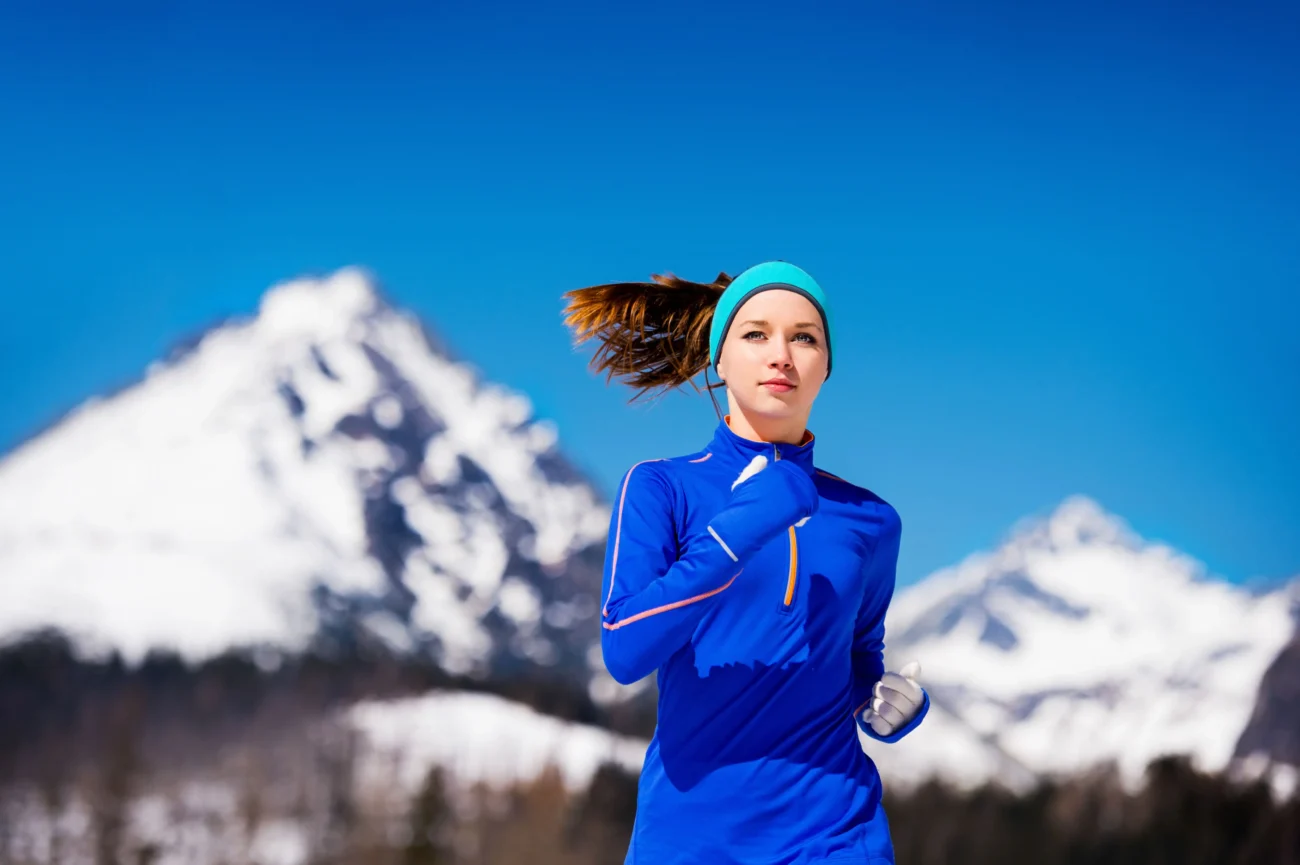
The pursuit of gender balance in Winter Olympic Sports has become a significant focus in recent years. As we witness more female athletes competing at the highest level, the question arises: are we seeing real progress or just a shift in optics?
Recent data from the Winter Olympics indicates a trend towards greater Olympic parity. This shift is not just about numbers; it reflects a deeper change in the sporting landscape, where women’s events are gaining more prominence and recognition.
As we explore this topic, we will assess whether the progress made is substantial or superficial. It’s crucial to understand the factors driving this change and what it means for the future of Winter Olympic Sports.
1. The Current State of Gender Representation at Winter Olympics
As we examine the current state of gender representation at the Winter Olympics, a complex picture emerges. The International Olympic Committee (IOC) has implemented various initiatives to promote gender equality, but the effectiveness of these efforts is multifaceted.
1.1 Beijing 2022: Record-Breaking Numbers
The Beijing 2022 Winter Olympics marked a significant milestone in gender representation, with female athletes making up nearly 46% of the total participants. This was a record high, showcasing the IOC’s commitment to gender parity.
1.2 IOC’s Gender Equality Framework and Commitments
The IOC has developed a comprehensive gender equality framework, which includes strategies to increase female participation, promote women in leadership roles, and ensure equal prize money. The IOC has also committed to achieving 50:50 gender balance by 2024.
1.3 Surface-Level Achievements vs. Structural Change
While the numbers indicate progress, it’s essential to distinguish between surface-level achievements and meaningful structural change. A closer examination reveals that despite the increase in female participants, disparities persist in event parity, leadership roles, and media coverage.
| Year | Female Athletes (%) | Total Athletes |
|---|---|---|
| 2018 | 41.4% | 2,922 |
| 2022 | 45.8% | 2,871 |
The IOC’s efforts to promote gender equality are commendable, but continued scrutiny is necessary to ensure that these initiatives translate into lasting change.
2. Historical Context: The Evolution of Women in Winter Sports
From humble beginnings to record-breaking numbers, the story of women in Winter sports is one of perseverance and progress. As we explore the historical context of women’s participation in the Winter Olympics, we witness a significant transformation over the decades.
The 1924 Chamonix Games: A Male-Dominated Beginning
The first Winter Olympics, held in Chamonix in 1924, was a male-dominated event with limited opportunities for women. Only 11 women participated, competing in figure skating and alpine skiing. Despite the underrepresentation, this marked the beginning of women’s involvement in the Winter Games.
Breakthrough Moments from 1948 to 2000
The period between 1948 and 2000 saw significant breakthroughs for women in Winter sports. Key moments include:
- The introduction of new women’s events, such as alpine skiing and speed skating
- Increased participation from countries around the world
- Notable performances by female athletes, paving the way for future generations
This era laid the groundwork for the advancements seen in the 21st century.
The Acceleration of Change in the 21st Century
The 21st century has witnessed an acceleration in gender equality in Winter Olympic sports. The International Olympic Committee (IOC) has played a crucial role in promoting women’s participation, introducing new events and initiatives to achieve greater parity. As a result, we have seen a significant increase in the number of female athletes competing at the Winter Olympics.
The evolution of women in Winter sports is a testament to the progress made towards gender equality. As we continue to push for greater representation and opportunities, we honor the legacy of the pioneers who paved the way.
3. Gender Balance in Winter Olympic Sports: A Statistical Analysis
Examining the statistical trends in Winter Olympic sports provides insight into the evolving gender balance. By analyzing data on athlete participation, event parity, and medal distribution, we can better understand the progress made towards achieving gender equality in the Winter Olympics. This analysis is crucial for identifying areas that require further improvement.
3.1 Athlete Participation Rates Across Decades
The number of female athletes participating in the Winter Olympics has increased significantly over the past few decades. In the 1980s, women made up less than 20% of the total athletes, whereas in recent Winter Olympics, they have accounted for nearly 40%. This upward trend indicates a positive shift towards gender balance.
3.2 Event Parity: Comparing Men’s and Women’s Competitions
Event parity is another critical aspect of gender balance in the Winter Olympics. While there has been progress in adding women’s events to the Olympic program, disparities still exist. For instance, some sports still lack equivalent women’s competitions.
3.3 Medal Distribution Patterns by Gender
Analyzing medal distribution patterns reveals that, despite the increase in female participation, men continue to dominate the medal count. However, there are sports where women have achieved greater success, and these trends vary by country and event.
3.4 Country-by-Country Gender Representation
Gender representation in the Winter Olympics also varies significantly by country. Some nations have made considerable strides in promoting women’s sports, while others lag behind. Understanding these differences is essential for developing targeted strategies to improve overall gender balance.
4. Event Inclusion and the Push for Parity
Event inclusion has been a key area of focus in the quest for gender parity at the Winter Olympics. The International Olympic Committee (IOC) has made significant strides in recent years to address the imbalance between men’s and women’s events.
Recently Added Women’s Events: Ski Jumping and Monobob
The inclusion of women’s ski jumping and monobob has been a major milestone in achieving gender parity. These additions have not only increased the number of women’s events but also provided more opportunities for female athletes to compete at the highest level.
The Rise of Mixed-Gender Team Competitions
Mixed-gender team competitions have become increasingly popular, promoting equality and providing a platform for athletes of different genders to compete together. This development has been well-received, enhancing the overall competitiveness and appeal of the Winter Olympics.
Nordic Combined: The Last Male-Only Olympic Sport
Despite the progress made, Nordic Combined remains the last male-only Olympic sport. Efforts are underway to introduce women’s Nordic Combined events, but challenges persist.
Event Format Differences That Reveal Inequality
While significant progress has been made, differences in event formats between men’s and women’s competitions still exist. These disparities can affect the perception of equality and parity.
| Event | Men's Competition | Women's Competition |
|---|---|---|
| Alpine Skiing | 5 events | 5 events |
| Biathlon | 5 events | 5 events |
| Nordic Combined | 3 events | 0 events |
The push for parity continues, with ongoing efforts to address the remaining disparities and ensure equal opportunities for all athletes.
5. Leadership, Governance, and Decision-Making Power
As we examine the landscape of Winter Olympic sports, it becomes clear that leadership and decision-making power are crucial areas where gender balance is essential. The representation of women in leadership positions within international sports federations, National Olympic Committees, and coaching and technical staff plays a significant role in shaping the governance of these organizations.
Women in International Sports Federation Leadership
Despite progress in athlete participation, women’s representation in leadership roles within international sports federations remains low. Data from the International Olympic Committee (IOC) shows that as of 2022, women held approximately 22% of the leadership positions in International Federations (IFs). This underrepresentation can impact decision-making processes and the overall governance of sports.
National Olympic Committee Board Representation
The composition of National Olympic Committee (NOC) boards also reflects a gender imbalance. According to the IOC’s 2022 report, women made up about 34% of NOC board members globally. This disparity can influence the priorities and policies of NOCs, potentially affecting the resources and opportunities available to female athletes.
Gender Gap in Coaching and Technical Staff
The gender gap is even more pronounced when it comes to coaching and technical staff. Women are significantly underrepresented in these roles, which are critical for athlete development and performance. A study by the IOC found that in 2022, only about 11% of coaches at the Winter Olympics were women.
| Category | Percentage of Women |
|---|---|
| International Federation Leadership | 22% |
| NOC Board Members | 34% |
| Coaching and Technical Staff | 11% |
Addressing these disparities is crucial for achieving true gender balance in Winter Olympic sports. It requires a concerted effort from sports organizations, governing bodies, and stakeholders to promote gender diversity in leadership and governance roles.
6. Media Coverage and the Visibility Equation
As we examine the landscape of Winter Olympic sports, media coverage emerges as a critical factor in the visibility of female athletes. The way female athletes are portrayed in the media can significantly influence their public perception and overall visibility.
Broadcast Time Allocation: The Numbers Tell a Story
Research has shown that broadcast time allocation during major sporting events like the Winter Olympics often favors male athletes. Studies have indicated that women’s sports receive significantly less coverage than men’s sports, affecting their visibility and potentially their sponsorship opportunities.
Sponsorship Dollars and Endorsement Opportunities
The disparity in media coverage affects sponsorship revenue and endorsement opportunities for female athletes. Less visibility translates to fewer financial opportunities, making it challenging for female athletes to sustain a professional career in sports.
Commentary Bias and Narrative Framing
Commentary bias and the way stories are framed around athletes can also influence public perception.
“The narrative around female athletes often focuses on their appearance or personal lives rather than their athletic achievements.”
This kind of narrative framing can undermine their professional accomplishments and affect their visibility.
Social Media Engagement and Digital Presence
While traditional media coverage has its biases, social media offers a platform for female athletes to control their narrative and increase their visibility. By leveraging social media, athletes can engage with fans and showcase their achievements, potentially reducing some of the disparities in traditional media coverage.
In conclusion, media coverage plays a pivotal role in the visibility of female athletes. Addressing the disparities in broadcast time, sponsorship, commentary bias, and leveraging social media can help promote gender equality in sports visibility.
7. Economic Equity: Prize Money and Professional Opportunities
Economic equity for female athletes in Winter Olympic sports is a multifaceted issue, with prize money and professional opportunities being crucial components. As we examine the current state of affairs, it becomes clear that disparities exist across various levels of competition.
7.1 Olympic Medal Bonus Structures by Nation
Different countries have varying bonus structures for their Olympic medalists. For instance, in the United States, athletes receive a significant bonus for winning medals – $37,500 for gold, $22,500 for silver, and $15,000 for bronze. However, these figures can vary greatly from one country to another, and the disparity between men’s and women’s sports is not always evident at the Olympic level.
7.2 World Cup Circuit Prize Money Disparities
On the World Cup circuit, prize money disparities between men’s and women’s events are more pronounced. For example, in alpine skiing, the men’s World Cup events often have significantly higher prize pools than their women’s counterparts. This disparity can affect athletes’ career longevity and their ability to sustain themselves financially through competition alone.
7.3 Professional Career Longevity and Post-Competition Opportunities
The availability of professional resources beyond the Olympic competition itself plays a crucial role in an athlete’s career longevity. Women’s sports often receive less sponsorship and media coverage, impacting their ability to secure endorsements and maintain a professional career post-Olympics. Initiatives to bridge this gap are essential for achieving true economic equity.
As we move forward, it’s crucial that we address these disparities to ensure a more equitable environment for all athletes. By doing so, we can foster a more sustainable and empowering ecosystem for female athletes in Winter Olympic sports.
8. Infrastructure, Training Access, and Development Pipelines
The foundation of success in Winter Olympic sports lies in the infrastructure and training access available to athletes. As we delve into the specifics, it becomes evident that the quality and availability of training facilities, investment in youth development programs, and access to cutting-edge equipment are crucial factors.
Training Facility Availability and Quality
Training facilities are the backbone of any successful athletic program. The quality and availability of these facilities can significantly impact an athlete’s ability to train effectively. For instance, ice rinks for figure skating and speed skating, as well as slopes for alpine skiing, require substantial investment and maintenance.
According to a report, the International Olympic Committee (IOC) has emphasized the importance of sustainable and legacy-focused infrastructure in host city selections. This includes ensuring that facilities are not only used during the Olympics but continue to serve local communities and athletes post-games.
Youth Development Program Investment
Youth development programs are essential for identifying and nurturing future Olympic talent. Investment in these programs can take many forms, including coaching, training camps, and competitions. Countries that prioritize youth development tend to have stronger, more consistent performances at the Olympic Games.
“Investing in youth is investing in the future of our sports. It’s about creating a pipeline of talented athletes who can represent our nation with pride.” – Olympic Athlete
Equipment Standards and Technology Access
Access to the latest equipment and technology is a significant factor in competitive success. Athletes competing at the highest levels require cutting-edge gear that is both high-performance and safe. The disparity in access to such equipment can be a significant barrier for athletes from less affluent backgrounds or countries.
Geographic and Economic Barriers to Entry
Geographic and economic factors can also limit access to training facilities and competitive opportunities. Athletes from landlocked countries, for example, may face challenges in accessing ice sports facilities, while those from economically disadvantaged regions may struggle to afford necessary equipment and training.
| Country | Training Facilities | Youth Development Programs |
|---|---|---|
| United States | High-quality facilities in multiple locations | Strong investment in youth programs |
| Canada | Excellent ice sports facilities | Robust youth development initiatives |
| Australia | Limited snow sports facilities | Emerging youth programs |
As we can see, the infrastructure and training access vary significantly across different countries, impacting their athletes’ potential for success in Winter Olympic sports.
9. The Hidden Inequalities: What Statistics Don’t Show
The true extent of gender inequality in Winter Olympic sports goes beyond the surface-level statistics. While numbers show a gradual increase in female participation, there are underlying issues that affect athletes in profound ways.
Judging Bias in Subjectively Scored Sports
In sports like figure skating and snowboarding, judging bias can significantly impact athletes’ scores. Research has shown that judges may unconsciously favor certain athletes based on nationality, appearance, or other factors. This bias can be particularly challenging for female athletes, who may face stereotypes and preconceived notions about their abilities.
Maternity Policies and Pregnancy Protections
The IOC has made efforts to assist pregnant and postpartum athletes, but more work is needed.
“The policies in place often don’t account for the complexities of individual circumstances,” says Dr. Kathrin Heinze, a sports medicine expert.
Ensuring that athletes receive adequate resources during and after pregnancy is crucial for their well-being and career longevity.
Safety Standards and Rule Modifications
Safety is a critical concern in high-speed Winter Olympic sports. Rule modifications can sometimes disproportionately affect female athletes, who may have different physiological characteristics than their male counterparts. Ensuring that safety standards are equitable and effective is vital.
Sexual Harassment and SafeSport Concerns
The #MeToo movement has highlighted the prevalence of sexual harassment and abuse in sports. The IOC and other governing bodies have implemented measures to prevent such incidents, but ongoing vigilance is necessary to protect athletes.
Cultural Barriers in Conservative Nations
For athletes from conservative nations, cultural barriers can be a significant obstacle. Social norms and expectations can limit opportunities for female athletes, making it difficult for them to compete at the highest levels. Addressing these cultural barriers requires a nuanced and sensitive approach.
By examining these hidden inequalities, we can gain a deeper understanding of the challenges faced by female athletes in Winter Olympic sports. It is only by addressing these issues that we can work towards true gender equality in sports.
10. Real Progress or Strategic Optics: Evaluating the Evidence
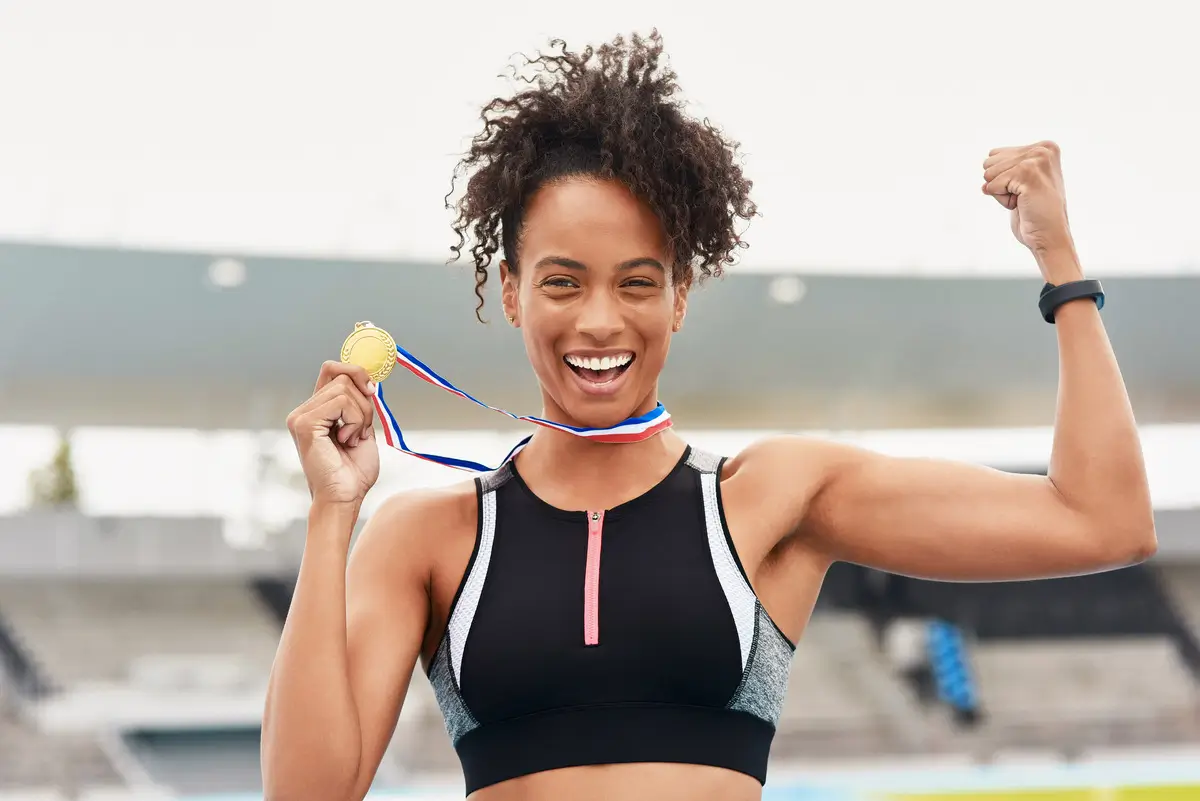
As we examine the IOC’s initiatives, a critical question emerges: are they making genuine strides towards gender equality or merely presenting a facade? The answer lies in evaluating the evidence across various domains.
Genuine Achievements: Where Progress is Measurable
The IOC has made notable strides in increasing female participation in the Winter Olympics. The Beijing 2022 Olympics saw a record 46.4% female athlete representation, a significant increase from previous games.
| Year | Female Athletes (%) |
|---|---|
| 2014 | 38.5 |
| 2018 | 41.4 |
| 2022 | 46.4 |
Performative Actions: IOC Public Relations vs. Reality
While the IOC touts its gender equality efforts, critics argue that some actions are more about enhancing their public image than driving substantial change. For instance, the introduction of new women’s events is often celebrated, but the overall impact on gender parity remains limited.
The Gap Between Policy and Implementation
Despite progressive policies, the implementation often lags. For example, while the IOC has set targets for gender balance in leadership, the actual representation of women in decision-making roles remains disproportionately low.
What Athletes and Advocates Are Saying
Athletes and advocates have voiced concerns about the IOC’s approach, emphasizing that true gender equality requires more than just numerical representation. They call for equitable treatment, resources, and opportunities for female athletes.
In conclusion, while there have been measurable achievements, the IOC’s efforts are often marred by a gap between policy and implementation. It is crucial to continue scrutinizing these efforts to ensure that progress is not just strategic optics but real change.
Gender Balance in Winter Olympic Sports: A Path Forward
As we reflect on the state of gender balance in Winter Olympic sports, it’s clear that while progress has been made, there is still much work to be done. The data presented throughout this article highlights both the achievements and the challenges that remain in achieving true parity between men’s and women’s events.
We have seen significant advancements in athlete participation rates, event inclusion, and media coverage. However, disparities persist in areas such as leadership, economic equity, and infrastructure. To move forward, it’s essential that we continue to address these imbalances and work towards creating a more equitable environment for all athletes.
The journey towards gender balance in Winter Olympic sports is ongoing. As we look to the future, we must remain committed to the principles of equality and fairness, ensuring that every athlete has the opportunity to succeed on the world stage. By doing so, we can create a more inclusive and vibrant Olympic Games that reflect the diversity and talent of athletes from around the world.
Learn More About the NIL Landscape
Name, Image, and Likeness plays an increasing role in college sports, and understanding how it works often requires more than individual articles or news updates.
RallyFuel is a platform focused on NIL-related topics across college athletics. It brings together information about athletes, NIL activity, and the broader structure behind modern college sports, helping readers explore the topic in more depth.
FAQ
What is the current state of gender representation at the Winter Olympics?
The current state of gender representation at the Winter Olympics has shown a trend towards greater balance, with the International Olympic Committee (IOC) making efforts to increase female participation.
What are some of the IOC’s commitments to improving gender equality?
The IOC has made several commitments, including increasing the number of women’s events and promoting mixed-gender team competitions, to improve gender equality in the Winter Olympics.
How has the participation of female athletes in the Winter Olympics evolved over time?
Historical data shows a gradual increase in female participation over the years, with significant breakthroughs in the 21st century, including the addition of new women’s events.
What is the current state of event parity between men’s and women’s competitions?
While progress has been made, there are still disparities in event parity, with some women’s events not having equivalent men’s events, and differences in event formats that reveal inequality.
How does media coverage impact the visibility of female athletes?
Media coverage plays a significant role in shaping public perception, with broadcast time allocation, sponsorship dollars, and commentary bias all affecting the visibility of female athletes.
What are some of the economic equity issues faced by female athletes?
Female athletes face disparities in prize money, Olympic medal bonus structures, and professional opportunities, highlighting the need for greater economic equity.
How do infrastructure and training access impact female athletes?
The availability and quality of training facilities, investment in youth development programs, and access to equipment and technology all play a critical role in advancing female athletes, while geographic and economic barriers continue to limit participation.
What are some of the hidden inequalities that statistical analysis may not reveal?
Hidden inequalities include judging bias, maternity policies, safety standards, and cultural barriers, all of which can have a significant impact on female athletes.
Is the progress made towards gender balance genuine or just strategic optics?
While there have been measurable achievements, there is still a gap between policy and implementation, and the perspectives of athletes and advocates highlight the need for continued efforts towards achieving true gender balance.
What role do women play in leadership and governance positions in sports?
Women remain underrepresented in leadership positions within international sports federations, National Olympic Committees, and coaching and technical staff, highlighting the need for greater gender balance in decision-making processes.

Leave a Comment