
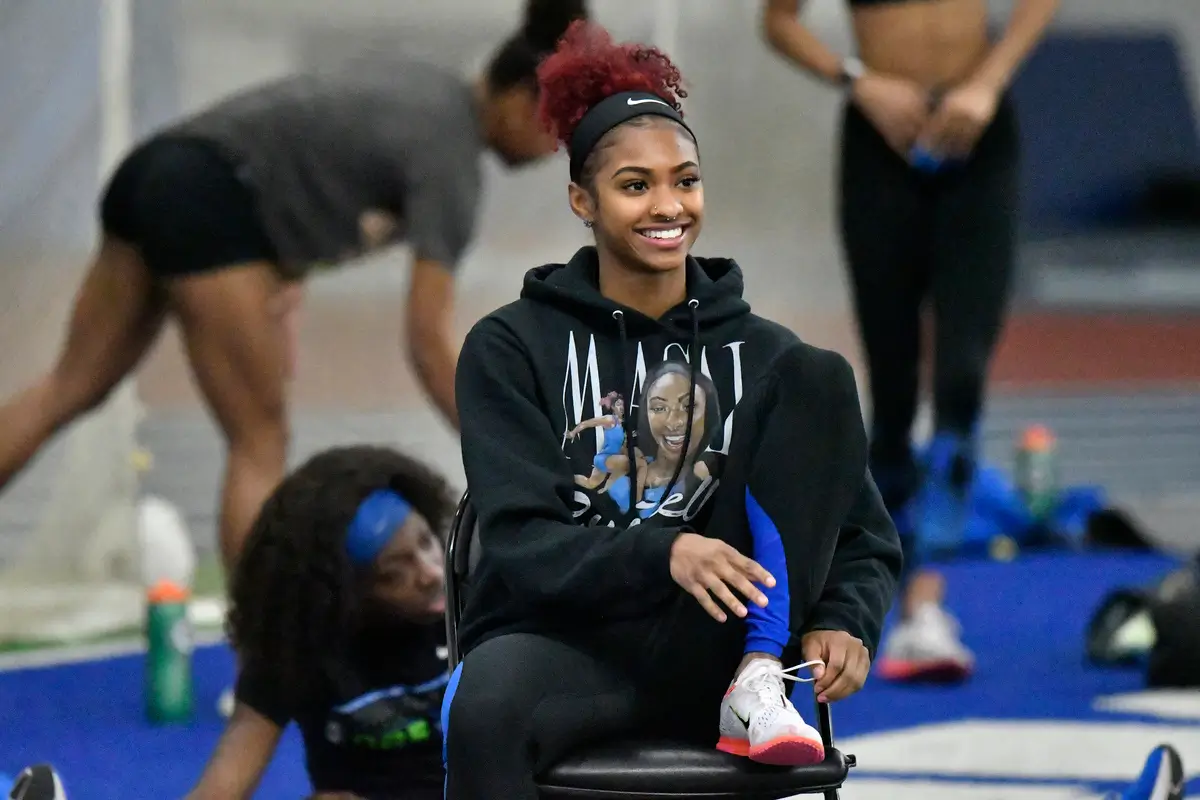
Five years ago, a Georgia Bulldogs star risked severe penalties for selling a signed jersey. Today, they might drive a free truck from an Athens dealership before their first snap, marking a massive shift in college athlete compensation. State records show laws now protect a student’s right to treat athletic fame like any campus side-hustle.
Think of Name, Image, and Likeness (NIL) as a fundamental property right. Much like owning a house lets you rent out a room, having a recognizable name lets you “rent” it to a brand. In practice, college sports NIL policies mean athletes finally control their personal brands, ending decades of strict amateurism.
Financial realities have completely transformed local culture from Atlanta to Athens. Hometown heroes now star in commercials for regional barbecue joints and peach farms. The top NIL deals Georgia college athletes sign reveal exactly why the modern game feels less like a hobby and more like a booming business.
Summary
In Georgia, the most common NIL deals are local endorsements with restaurants, car dealerships, and small businesses, complemented by donor-backed collectives (such as UGA’s Classic City Collective) that pool fan funds for compliant activations. Athletes increasingly monetize social media by leveraging engagement, audience fit, and consistent content, expanding opportunities beyond revenue sports. Compliance hinges on navigating Georgia House Bill 617 and NCAA rules, while GHSA imposes stricter limits on high school athletes to preserve eligibility. With money flowing, taxes, agent fees, and financial literacy are crucial, and the rise of collectives and the transfer portal is reshaping recruiting and the future of Georgia sports.
From BBQ Joints to Car Lots: Why Local Business Endorsements are the Backbone of Georgia NIL
When fans picture a college athlete getting paid, they usually imagine a star quarterback signing a massive national contract. However, the true foundation of this new era is much more local. The vast majority of agreements are grassroots partnerships with familiar businesses near campus.
Securing athlete endorsement deals gives a hometown restaurant or dealership instant community trust. Think of it like a local influencer marketing campaign, but featuring a player everyone cheers for on Saturdays. When a recognizable linebacker champions a specific Atlanta BBQ joint, that business instantly captures passionate fanbase loyalty.
Take a drive through Athens to see the most common NIL deals Georgia communities offer firsthand. You might spot a point guard driving a complimentary truck from a local dealership, or see Georgia college athletes promoting a neighborhood smoothie shop on Instagram. These everyday partnerships keep players deeply rooted locally.
Mom-and-pop sponsorships provide incredible value, yet they represent only one piece of the modern financial puzzle. To stay competitive with rival programs, supporters have organized their resources on a massive scale. This shift introduces the power of the crowd: how Georgia collectives pool fan cash.
The Power of the Crowd: How Georgia Collectives Like the Classic City Collective Pool Fan Cash
While a local BBQ joint pays a player directly for a commercial, the financial engine truly driving modern college sports operates on a much larger scale. Enter the collective—think of it as a corporate-style booster club. Instead of one business footing the bill, how NIL collectives work relies entirely on the power of pooled resources. They gather money from thousands of everyday fans and wealthy donors into one massive fund to financially support a university’s roster.
For the University of Georgia, the UGA Classic City Collective serves as this central financial hub, ensuring the Bulldogs maintain their crucial Georgia sports recruiting impact against fierce SEC rivals. To keep this massive influx of donor-led funding legal and strictly separate from the university itself, collectives manage three essential functions:
- Fundraising: Gathering monthly subscriptions from fans and large donations from alumni.
- Contract Management: Handling the complex legal paperwork so athletes are protected.
- Community Service Coordination: Pairing athletes with local 501(c)(3) charities to fulfill their deal requirements.
That final point is the secret to making the system legal. An athlete cannot simply receive a collective check just for playing football; they must do something in return, like signing autographs at an Athens youth shelter, ensuring the payment isn’t an illegal recruiting inducement. Yet, while collectives provide a reliable financial baseline, an athlete’s ultimate earning power lives in their pocket, turning followers into dollars through social media valuation.
Turning Followers into Dollars: How Social Media Valuation Drives Modern Georgia Athlete Brands
Not every NIL millionaire wears a helmet on Saturdays. For athletes competing in Olympic-style events, the digital world is leveling the playing field. Much like a popular YouTube creator, a Georgia Southern volleyball player or a UGA gymnast can monetize their loyal online audience through building athlete personal brands . In this modern economy, a smartphone is just as valuable as a playbook, unlocking massive non-revenue sports NIL opportunities even without national television exposure.
Brands no longer hand out checks simply for high follower counts; they crave authentic connection. When an Athens boutique or an Atlanta smoothie shop calculates social media valuation for athletes, they evaluate three critical metrics before making an offer:
- Engagement Rate: Do fans actively like, share, and comment on the posts?
- Follower Demographics: Are the followers local Georgians who might actually visit the sponsor’s store?
- Content Consistency: Does the athlete post regularly enough to maintain audience trust?
Mastering these tools allows student-athletes to operate like solo marketing agencies. Yet, scoring a lucrative Instagram partnership with a Middle Georgia peach farm is only half the battle. Protecting that paycheck requires strictly navigating the evolving collegiate rulebook.
Staying in Bounds: Navigating Georgia House Bill 617 and NCAA Compliance
Securing a brand deal is exciting, but keeping that money without losing eligibility requires navigating a tricky rulebook. Think of this using a speed limit analogy: the NCAA sets a nationwide speed limit, but individual states pass laws allowing local drivers to go faster. Understanding the daily clash between State law vs NCAA policy is essential for staying on the field.
A Georgia House Bill 617 summary reveals how this specific legislation shifted power dynamics. The law empowers state universities to facilitate deals directly, bypassing older, restrictive guidelines. By actively supporting athletes, Georgia created a legislative competitive advantage, ensuring local programs keep top talent away from SEC rivals in Florida or Alabama.
This new freedom still demands strict Georgia student athlete compliance through mandatory disclosure. Much like clearing a side-hustle with an employer, players must formally report contracts to their university. This prevents conflicts, like a point guard accidentally endorsing an Atlanta sneaker boutique when the school holds an exclusive contract with Nike.
Navigating these boundaries is no longer reserved for college veterans. As financial stakes trickle down to younger prospects, this legal foundation fundamentally alters the high school recruiting landscape.
The Pipeline Shift: How GHSA Rules and NIL Are Changing Georgia High School Recruiting
Watching college stars drive free trucks makes it tempting for teenage prospects to seek deals early. Yet, high school NIL eligibility remains a rigid boundary designed to preserve amateur status. Unlike the free-flowing college market, the Georgia High School Association (GHSA) enforces strict guardrails on its athletes.
A single mistake here carries severe consequences for a player’s collegiate future, potentially voiding scholarship offers. To safely navigate current GHSA athlete endorsement rules, student-athletes must understand exactly what is forbidden. To protect their amateurism, high schoolers cannot:
- Use high school names, mascots, or uniforms in any promotions.
- Accept compensation tied directly to on-field performance.
- Promote corporate brands during official team games.
- Use school locker rooms or facilities to create sponsored content.
By respecting these boundaries, a promising Friday night talent ensures they safely make it to a Saturday afternoon kickoff. Once they graduate and the real money flows, the challenge shifts from maintaining eligibility to protecting long-term wealth.
Beyond the Big Check: Managing Taxes, Agents, and Financial Literacy in the Peach State
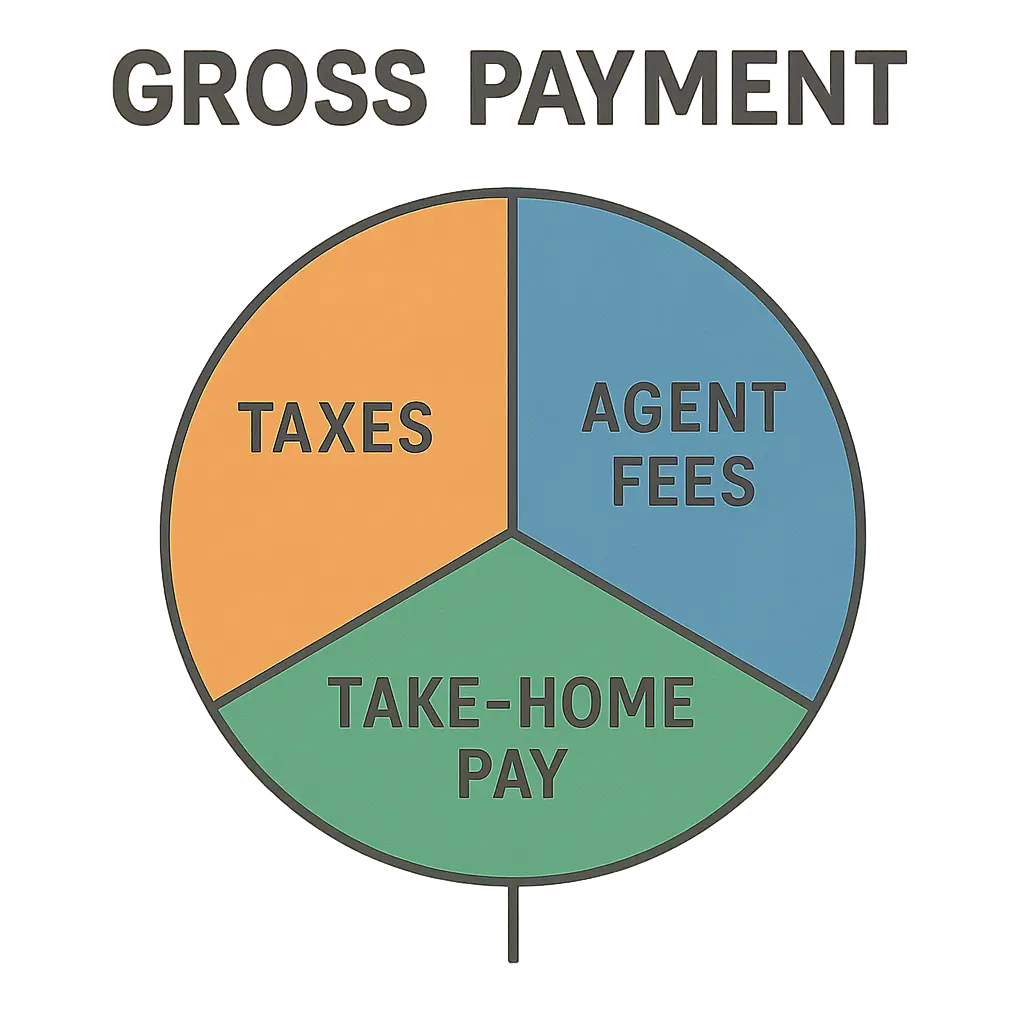
Imagine an Athens freshman signing a $10,000 promotion with a local barbecue joint. While thrilling, college athlete endorsement taxes can hit like a blindside sack. Since athletes are independent contractors, they receive 1099 income rather than standard W-2 paychecks. Without automatic tax withholding, unwary players easily face massive, unexpected bills come April.
Navigating legal jargon introduces another steep learning curve, making the role of NIL agents crucial for avoiding long-term contract pitfalls. Legitimate representatives prevent players from accidentally signing away their exclusive marketing rights forever, but they also take a cut. Agency fees typically claim twenty percent of a deal, shrinking that headline-grabbing dollar amount incredibly fast.
Preventing early financial fumbles requires robust student athlete financial literacy initiatives inside athletic departments statewide. Teaching teenagers to budget and hire accountants is now just as essential as studying the playbook. Universities are rapidly adapting to teach wealth management alongside winning games, preparing athletes for long-term financial stability.
The Road Ahead: What the NIL Era Means for the Future of Georgia Sports
The sight of a star quarterback in a local Athens car commercial is now the new normal. Fans can confidently spot the NIL deals Georgia college athletes sign everywhere, from local grocery store autograph sessions to sponsored Instagram posts. But as the transfer portal continues to act like a high-speed free agency market fueled by college athlete NIL opportunities, a lingering question remains: Is this making the game better, or just more expensive?
The reality is a complex mix of long-overdue opportunity for players and a chaotic challenge for traditional university structures. Moving forward, watch how fan-funded collectives strategically influence where top recruits ultimately commit. While the business behind the sport has completely transformed, the localized passion driving it hasn’t wavered. Backed by highly organized collectives and fierce local pride, Georgia college athletes are perfectly positioned to ensure the Peach State remains a dominant powerhouse.
Learn More About the NIL Landscape
Name, Image, and Likeness plays an increasing role in college sports, and understanding how it works often requires more than individual articles or news updates.
RallyFuel is a platform focused on NIL-related topics across college athletics. It brings together information about athletes, NIL activity, and the broader structure behind modern college sports, helping readers explore the topic in more depth.
Q&A
Question: What NIL deals are most popular for Georgia college athletes? Short answer: The backbone is local endorsements with restaurants, car dealerships, and small businesses—think a player driving a complimentary truck from an Athens dealer or promoting a neighborhood BBQ or smoothie shop on Instagram. These community-rooted partnerships are often complemented by donor-backed collectives that provide a more consistent financial baseline across the roster.
Question: How do Georgia NIL collectives like UGA’s Classic City Collective work? Short answer: They pool money from fans and donors to support athletes through compliant activations. In practice, they handle three core functions: fundraising (subscriptions and donations), contract management (legal protection and paperwork), and community service coordination (pairing athletes with 501(c)(3) work). Crucially, athletes must provide deliverables—such as appearances or autograph sessions—so payments aren’t impermissible pay-for-play.
Question: How do athletes turn social media followers into NIL dollars? Short answer: Brands look beyond raw follower counts and evaluate engagement rate, follower demographics (especially local Georgians who might visit a sponsor), and content consistency. Athletes who post regularly, connect authentically with a local audience, and drive visible interaction can secure partnerships—even in non-revenue sports like gymnastics or volleyball—by operating their channels like solo marketing agencies.
Question: What compliance rules do Georgia athletes need to follow at the college and high school levels? Short answer: At the college level, NCAA policies set the baseline while Georgia House Bill 617 empowers universities to facilitate deals. Athletes must disclose agreements to their schools to avoid conflicts with existing sponsors (for example, a teamwide shoe deal). At the high school level, GHSA maintains strict limits: no use of school names/mascots/uniforms, no pay tied to performance, no brand promotion during official games, and no using school facilities for sponsored content—violations can threaten eligibility and future scholarships.
Question: What financial realities should athletes plan for when signing NIL deals? Short answer: NIL income is typically 1099, so taxes aren’t withheld—athletes must budget for what they owe. Many hire agents to navigate contracts, but standard agency fees (often around 20%) reduce take-home pay. Universities are ramping up financial literacy programs to help athletes budget, plan for taxes, and protect their long-term wealth.


Leave a Comment