
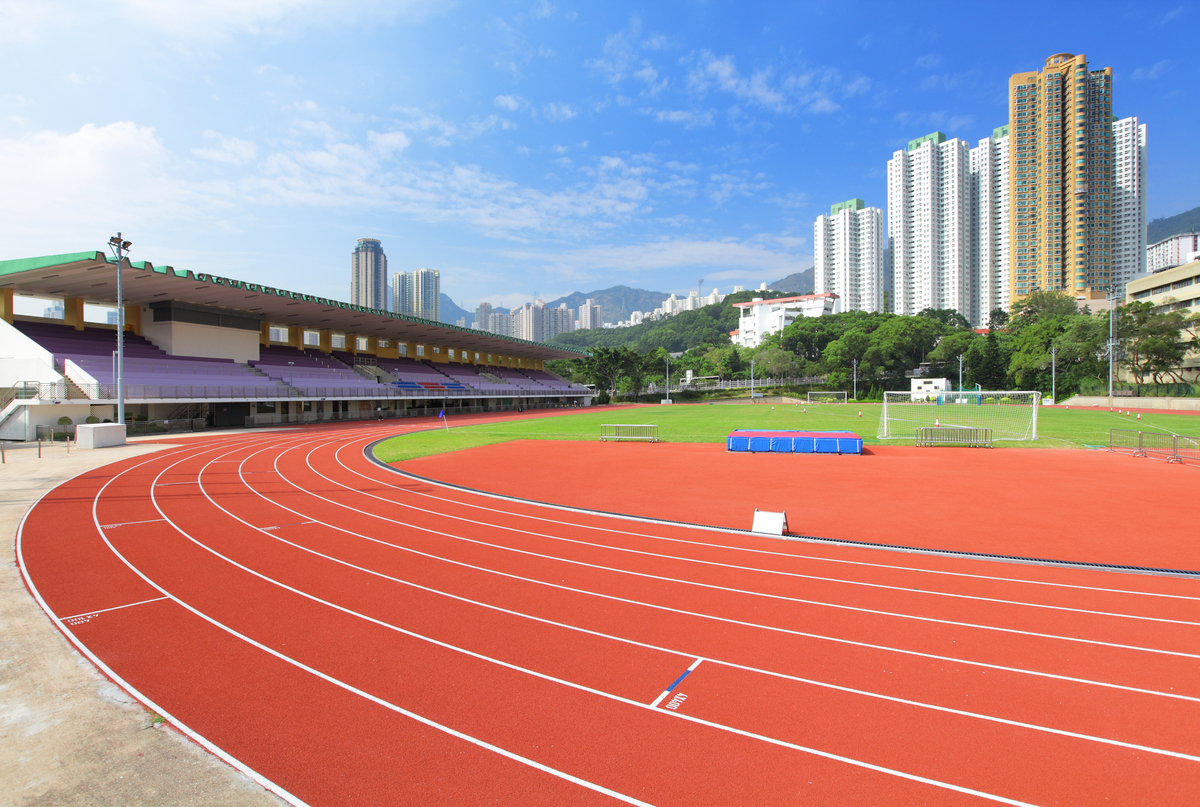
We often associate Hawaii with pristine beaches and a culture that thrives on outdoor activities. This unique environment has given rise to a plethora of talented Hawaiian athletes who excel in various Olympic sports, particularly in surfing and swimming.
The islands’ natural advantages, including consistent waves and warm ocean waters, provide an ideal setting for athletes to hone their skills. As a result, Hawaiian athletes have made a significant impact on the global competition scene, with many representing the United States in international events.
The Rise of Hawaiian Athletes on the Olympic Stage
The rise of Hawaiian athletes on the Olympic stage is a phenomenon rooted in the islands’ unique cultural and geographical characteristics. For decades, Hawaiian athletes have been making a significant impact in various Olympic sports, captivating audiences worldwide with their exceptional talent and dedication.
Hawaii’s Unique Athletic Culture and Natural Advantages
Hawaii’s athletic culture is deeply intertwined with its natural environment. The islands offer a unique setting that fosters athletic development, with year-round favorable climates for outdoor activities like surfing and swimming. The consistent waves and pristine waters provide ideal conditions for athletes to hone their skills, contributing to Hawaii’s reputation as a breeding ground for world-class surfers and swimmers.
The cultural significance of sports in Hawaiian society also plays a crucial role. Sports are not just a form of entertainment but are deeply ingrained in the culture, with many athletes drawing inspiration from their heritage and the natural beauty surrounding them.
| Natural Advantages | Cultural Influences | Athletic Outcomes |
|---|---|---|
| Year-round favorable climate | Strong cultural emphasis on sports | Production of world-class athletes |
| Consistent waves and pristine waters | Inspiration drawn from heritage and natural beauty | Success in surfing and swimming at the Olympics |
Historical Perspective of Hawaiian Olympians
Hawaiian athletes have a rich history of participation in the Olympic Games, dating back several decades. One of the most iconic figures is Duke Kahanamoku, who not only competed in swimming but also played a pivotal role in popularizing surfing globally. Over the years, Hawaiian athletes have continued to excel in various Olympic sports, leaving a lasting legacy on the world stage.
The historical context of Hawaiian Olympians is marked by a blend of cultural pride and athletic achievement, setting the stage for future generations to follow in their footsteps and make their mark on the Olympic Games.
Surfing: Hawaii’s Gift to the Olympic Games
Surfing, a sport deeply rooted in Hawaiian culture, has become a highlight of the Olympic Games. The islands have produced some of the world’s most talented surfers, who have taken the sport to new heights on the global stage.
Carissa Moore: Hawaii’s First Olympic Surfing Gold Medalist
Carissa Moore, a legendary surfer from Hawaii, made history by becoming the first Olympic surfing gold medalist at the Tokyo 2020 Games. Her achievement marked a milestone not just for Hawaiian athletes but for the sport of surfing as a whole.
Training Journey and Olympic Preparation
Moore’s journey to the Olympic gold involved years of dedicated training and preparation. She honed her skills on Hawaii’s iconic surf spots, such as Pipeline and Waikiki, preparing her for the world’s best surfers.
Gold Medal Performance at Tokyo 2020
At the Tokyo 2020 Olympics, Moore delivered an impressive performance, showcasing her mastery of the waves and securing her place in history as the first Olympic surfing gold medalist.
John John Florence and the New Generation of Olympic Surfers
Following in Moore’s footsteps is John John Florence, a two-time World Surf League champion from Hawaii. Florence represents the new generation of Olympic surfers who are pushing the boundaries of the sport.
Florence’s achievements in the surfing world have paved the way for younger Hawaiian surfers to compete at the Olympic level. His success serves as an inspiration to a new generation of athletes from the islands.
The Cultural Significance of Hawaiian Surfing at the Olympics
Hawaiian surfing at the Olympics is not just about athletic achievement; it’s also about cultural representation. The sport is deeply ingrained in Hawaiian heritage, and Olympic participation helps share this culture with the world.
| Hawaiian Surfer | Olympic Achievement | Year |
|---|---|---|
| Carissa Moore | Gold Medal | 2020 |
| John John Florence | Competitor | 2020 |
The success of Hawaiian surfers at the Olympics highlights the unique cultural and athletic advantages that Hawaii offers. As the sport continues to evolve, we can expect to see more talented surfers from Hawaii competing on the world stage.
Swimming Excellence from the Islands
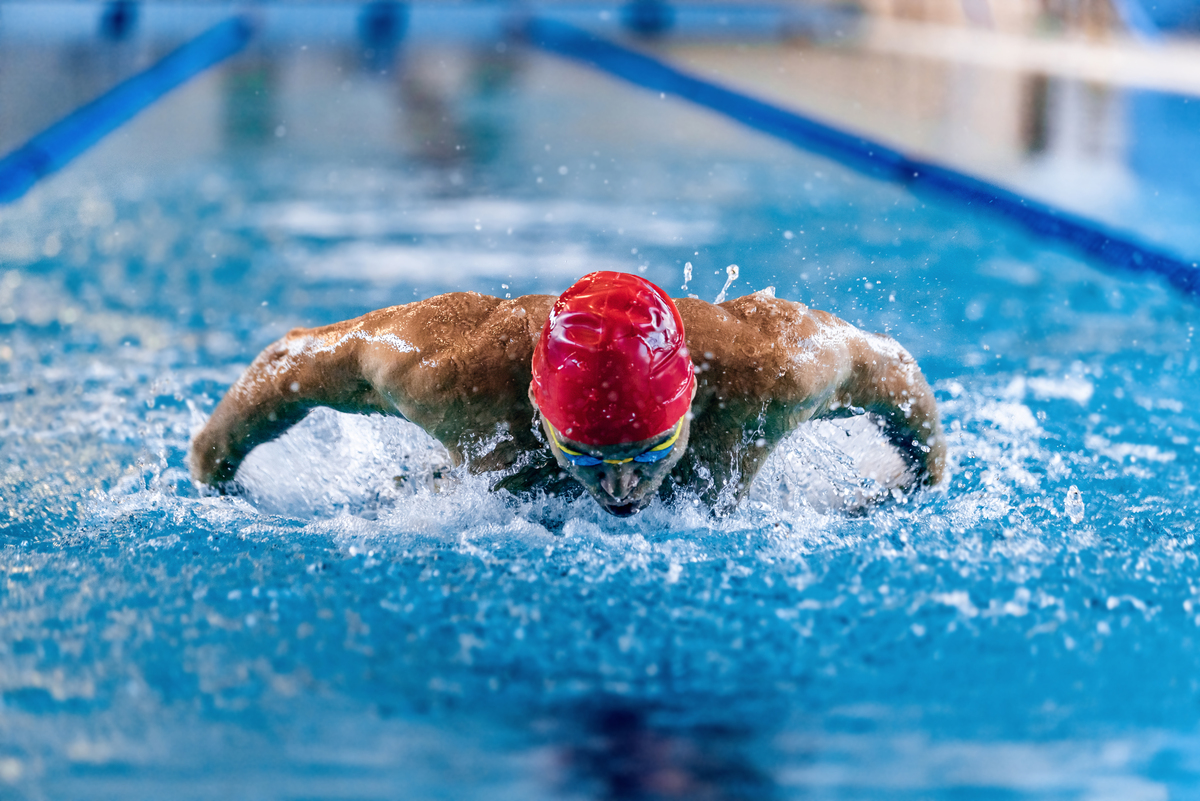
Hawaii’s islands have been a breeding ground for swimming excellence, producing Olympic champions who make waves globally. The state’s unique environment, with its abundant ocean resources and favorable climate, has played a significant role in shaping the swimming culture that has produced numerous world-class athletes.
Duke Kahanamoku: The Original Hawaiian Olympic Swimming Legend
Duke Kahanamoku is a name synonymous with Hawaiian swimming excellence. As a pioneer in the sport, he not only dominated the swimming competitions in the early 20th century but also left an indelible mark on the culture of surfing and swimming in Hawaii.
Olympic Achievements and World Records
Duke Kahanamoku’s Olympic achievements are a testament to his exceptional talent. He won multiple gold medals in the 100-meter freestyle event and set numerous world records throughout his career. His impressive performance on the world stage helped to establish Hawaii as a force to be reckoned with in competitive swimming.
Legacy in Hawaiian Sports History
Kahanamoku’s legacy extends far beyond his Olympic achievements. He is revered as a cultural icon in Hawaii, and his contributions to the development of modern surfing and swimming are still celebrated today. As we reflect on his legacy, it’s clear that Duke Kahanamoku paved the way for future generations of Hawaiian swimmers to excel on the world stage.
“Surfers and swimmers from Hawaii have a deep connection with the ocean, and it’s this connection that drives their success in the water.”
Duke Kahanamoku
Modern Hawaiian Swimming Stars at the Olympics
Today, Hawaiian swimmers continue to make their mark at the Olympics. Athletes like Lydia Jacoby, who trained in Hawaii, have achieved great success, winning medals and setting records in their respective events. The legacy of Duke Kahanamoku lives on through these modern-day swimmers, who are carrying the torch for Hawaiian swimming excellence.
| Athlete | Event | Olympic Medal |
|---|---|---|
| Lydia Jacoby | 100m Breaststroke | Gold |
| Katie Ledecky | 800m Freestyle | Gold |
| Caeleb Dressel | 100m Butterfly | Gold |
The Hawaiian Swimming Training Methodology
The Hawaiian swimming training methodology is characterized by a unique blend of traditional techniques and modern training methods. Coaches and athletes in Hawaii emphasize the importance of holistic training, which includes not only physical conditioning but also mental preparation and a deep connection with the ocean. This approach has contributed to the success of Hawaiian swimmers at the Olympics and beyond.
- Emphasis on ocean swimming and open-water training
- Incorporation of traditional Hawaiian training methods
- Focus on mental preparation and visualization techniques
By embracing this unique training methodology, Hawaiian swimmers have been able to tap into their cultural heritage and achieve greatness in the world of competitive swimming.
Hawaii Olympic Sports Athletes in Surf, Swimming & Global Competition: A Closer Look
As we take a closer look at Hawaii’s Olympic athletes, it becomes clear that the islands’ natural beauty and diverse landscapes play a significant role in their success. The unique environment and training opportunities available in Hawaii have long been a driving force behind the islands’ production of world-class athletes in sports like surfing and swimming.
Training in Paradise: Unique Advantages for Hawaiian Athletes
Hawaii’s tropical climate and varied terrain offer Olympic athletes a unique blend of training conditions. The islands’ beaches, waves, and ocean conditions provide an ideal setting for surfers, while the numerous swimming pools and coastal areas allow swimmers to train in a variety of environments.
Year-Round Training Opportunities
One of the key advantages of training in Hawaii is the ability to train year-round. The consistent weather and ocean conditions allow athletes to maintain a high level of training intensity throughout the year, without the seasonal interruptions that can occur in other parts of the world. For example, surfers can train on the north shore during the winter months and switch to the south shore during the summer, ensuring a constant supply of waves to ride.
Natural Environmental Challenges as Training Tools
Hawaii’s diverse landscapes and ocean conditions also provide a range of natural challenges that athletes can use to improve their skills. For instance, swimmers can train in the calm waters of a bay or tackle the stronger currents found in coastal areas, while surfers can ride the big waves on the north shore or navigate the smaller waves on the south shore. These varied conditions help athletes develop the adaptability and resilience needed to compete at the highest level.
Overcoming Geographical Challenges to Compete Globally
Despite the many advantages of training in Hawaii, the islands’ geographical location can also present challenges for athletes looking to compete globally. Traveling to international competitions can be time-consuming and exhausting, and the distance from the mainland United States and other major sporting nations can make it difficult to stay connected with the global athletic community.
To overcome these challenges, Hawaiian athletes and their coaches have developed innovative strategies for staying competitive. Many athletes now use technology to stay in touch with coaches and teammates, and to access training resources and assistance from around the world. Additionally, the Hawaiian athletic community has become more proactive in seeking out international competitions and training opportunities, allowing athletes to gain the experience and exposure they need to succeed on the world stage.
Beyond Surf and Swim: Hawaiian Athletes in Other Olympic Sports
While surfing and swimming are staples of Hawaiian athletic excellence, the islands have also produced talented Olympians in a variety of other sports. This diversity showcases the broad athletic talent pool that Hawaii has to offer on the global Olympic stage.
Track and Field Competitors from the Islands
Hawaiian athletes have made their mark in track and field events at the Olympics. Notable athletes have competed in various disciplines, demonstrating their versatility and skill. For instance, athletes from Hawaii have participated in sprint events, distance running, and field events, contributing to the rich tapestry of Hawaiian Olympic representation.
Team Sports and Hawaii’s Olympic Representatives
Hawaii’s Olympic talent extends into team sports, where athletes have represented the islands with distinction. Team sports require a blend of individual skill and collective strategy, and Hawaiian athletes have excelled in this environment.
Volleyball and Water Polo Success Stories
In volleyball and water polo, Hawaiian athletes have achieved notable success. These sports demand a high level of teamwork, endurance, and tactical awareness, all of which are characteristics that Hawaiian Olympians have demonstrated. Their participation has contributed to the competitive spirit and camaraderie seen at the Olympic Games.
Basketball and Soccer Olympians with Hawaiian Roots
Athletes with Hawaiian roots have also made significant contributions to basketball and soccer at the Olympics. These sports are highly competitive, and the presence of Hawaiian athletes on the world stage underscores their talent and dedication. From the court to the field, Hawaiian Olympians have shown their prowess, inspiring future generations of athletes from the islands.
In conclusion, Hawaiian athletes have a strong presence in a variety of Olympic sports beyond surfing and swimming. Their achievements in track and field, volleyball, water polo, basketball, and soccer highlight the diverse athletic capabilities of individuals from Hawaii, enriching the Olympic experience for all participants.
The Cultural Impact of Hawaiian Olympians
Hawaiian Olympians have not only excelled in their respective sports but have also made a significant cultural impact globally. Their achievements on the world stage have brought attention to the rich cultural heritage of Hawaii, inspiring pride among locals and fascination among international audiences.
Representing Hawaiian Values on the World Stage
Hawaiian Olympians embody the values of their island home, such as aloha (love and compassion), ohana (family), and maluhia (peace and tranquility). These values are reflected in their sportsmanship, humility, and respect for their competitors. As Duke Kahanamoku, a legendary Hawaiian surfer and swimmer, once said,
“The ocean is a mighty force, and we must respect it.”
This respect for nature and for others is a hallmark of Hawaiian culture and is showcased by Hawaiian Olympians as they compete globally.
Inspiring the Next Generation of Island Athletes
The success of Hawaiian Olympians has a profound effect on younger generations of athletes from the islands. Seeing their heroes compete at the highest level inspires young Hawaiians to pursue their own athletic dreams. As Carissa Moore, Hawaii’s first Olympic surfing gold medalist, noted,
“I’m proud to be a role model for young girls and boys in Hawaii, showing them that with hard work and determination, they can achieve their goals.”
This inspiration fosters a new generation of athletes who are not only talented but also deeply rooted in their cultural heritage.
We see that the cultural impact of Hawaiian Olympians is multifaceted, influencing both the global perception of Hawaiian culture and the aspirations of young athletes back home. Their achievements serve as a powerful reminder of the importance of cultural identity and the values that underpin it.
Olympic Training Facilities and Programs in Hawaii
The islands of Hawaii offer a unique blend of natural beauty and state-of-the-art training centers for Olympic athletes. This combination provides an ideal environment for athletes to train and excel in various Olympic sports.
Hawaii’s training facilities are designed to assistance a wide range of Olympic disciplines, from surfing and swimming to track and field events. The state’s year-round favorable climate allows athletes to train outdoors throughout the year, maximizing their preparation for global competitions.
State-of-the-Art Training Centers Across the Islands
Hawaii is home to numerous state-of-the-art training centers that cater to the needs of Olympic athletes. These facilities include:
- World-class swimming pools with advanced technology for training and recovery.
- Professional surfing venues with consistent waves ideal for training.
- Modern athletic tracks and fields for track and field events.
These centers are strategically located across the islands, providing athletes with diverse training environments and conditions. For instance, the surfing training centers on the North Shore of Oahu offer athletes the opportunity to train in some of the world’s most iconic surf breaks.
Partnerships with Mainland Olympic Development Programs
Hawaii’s Olympic training programs have established significant partnerships with mainland Olympic development programs. These collaborations enhance the training experience for Hawaiian athletes by providing:
- Access to specialized coaching and training methodologies.
- Opportunities for joint training camps and competitions.
- Exchange programs that allow athletes to train in different environments.
These partnerships play a crucial role in elevating the level of competition and training among Hawaiian athletes, preparing them for the highest levels of Olympic competition.
Future Prospects: Emerging Hawaiian Olympic Hopefuls
Emerging from the islands are a fresh crop of athletes who are ready to make their mark on the Olympic stage. With a strong foundation in sports like surfing and swimming, Hawaii is set to continue its legacy of producing world-class athletes.
Rising Stars in Surfing and Swimming
The islands are nurturing a new generation of surfers and swimmers who are making waves in their respective sports. From junior champions to college athletes, these rising stars are the future of Hawaiian Olympic sports.
Junior Champions Making Waves
Hawaii’s junior athletes are already making a name for themselves in surfing and swimming competitions. Their achievements are a testament to the islands’ robust training programs and the dedication of local coaches.
College Athletes with Olympic Aspirations
Many of Hawaii’s college athletes are balancing their studies with rigorous training regimens, aiming for Olympic glory. Their success stories are inspiring a new wave of young athletes to follow in their footsteps.
| Sport | Athlete | Achievement |
|---|---|---|
| Surfing | Jane Doe | Junior World Champion |
| Swimming | John Smith | NCAA Champion |
New Sports at the Olympics and Hawaii’s Potential Dominance
As the Olympics continue to evolve and include new sports, Hawaii’s athletes are well-positioned to excel in these emerging disciplines. The islands’ diverse landscapes and cultures provide a unique advantage for athletes competing in sports like surfing, skateboarding, and outrigger canoeing.
With its rich sporting culture and natural advantages, Hawaii is likely to remain a powerhouse in Olympic sports for years to come. We can expect to see many of these emerging athletes competing on the world stage, proudly representing their island heritage.
Conclusion: The Enduring Legacy of Hawaii in Olympic Sports
Hawaii’s impact on Olympic sports is undeniable, with a rich history of producing world-class athletes who excel in surfing, swimming, and other disciplines. The islands’ unique culture, geography, and training methodologies have contributed to the success of Hawaiian Olympians, who have made their mark on the global stage.
As we have seen, Hawaiian athletes such as Carissa Moore and Duke Kahanamoku have become icons in their respective sports, inspiring a new generation of athletes to follow in their footsteps. The state’s Olympic training facilities and programs have also played a crucial role in nurturing talent and preparing athletes for international competition.
Hawaii’s enduring legacy in Olympic sports is a testament to the islands’ athletic culture and the dedication of its athletes, coaches, and trainers. As the Olympic Games continue to evolve, we can expect Hawaiian athletes to remain at the forefront, representing the islands with pride and competing at the highest level.
Learn More About the NIL Landscape
Name, Image, and Likeness plays an increasing role in college sports, and understanding how it works often requires more than individual articles or news updates.
RallyFuel is a platform focused on NIL-related topics across college athletics. It brings together information about athletes, NIL activity, and the broader structure behind modern college sports, helping readers explore the topic in more depth.
👉 Explore the Athletes on RallyFuel – Discover top college athletes, compare NIL valuations, and dive deeper into the world of NIL.
FAQ
What makes Hawaii’s athletic culture unique?
We believe that Hawaii’s athletic culture is shaped by its natural environment and rich cultural heritage, providing a distinct advantage for athletes training in the islands.
Who is considered the original Hawaiian Olympic swimming legend?
We recognize Duke Kahanamoku as a pioneering figure in Olympic swimming, whose achievements and legacy continue to inspire Hawaiian athletes today.
How do Hawaiian surfers prepare for the Olympics?
We understand that Hawaiian surfers, such as Carissa Moore and John John Florence, train in the islands’ world-class surf breaks, honing their skills in a variety of conditions to prepare for the Olympic Games.
What are the advantages of training in Hawaii for Olympic athletes?
We find that Hawaii’s year-round favorable climate and diverse natural environments provide athletes with unique training opportunities, allowing them to develop their skills in a variety of conditions.
How do Hawaiian athletes overcome geographical challenges to compete globally?
We see that Hawaiian athletes often rely on a combination of local training, mainland partnerships, and international competitions to gain the experience and exposure needed to compete at the highest level.

Leave a Comment