

For decades, the biggest perk a college golfer could expect was a scholarship and a fresh set of clubs. In the past, accepting even a free meal could result in suspension, but that era of strict amateurism is officially over. Today, top players walk onto the first tee with six-figure bank accounts and contracts that rival seasoned professionals, securing some of the highest College golf NIL deals in history.
This financial revolution is driven by NIL—Name, Image, and Likeness. Simply put, this regulations change allows students to monetize their personal fame just like a professional influencer or YouTuber. The traditional “student-athlete” is quickly evolving into a “Student-CEO,” negotiating NCAA golf sponsorship opportunities with global brands while still attending morning classes.
While stadium sports often grab the headlines, the golf sector is quietly generating massive revenue due to its affluent fan demographic. Market data indicates that a player’s social media following is now just as valuable as their scorecard, creating a new path to wealth. The current landscape reveals exactly who is capitalizing on these lucrative golf nil deals and how they are changing the amateur game forever.
Why Brands Bet Big on College Golfers: The High-Net-Worth Connection
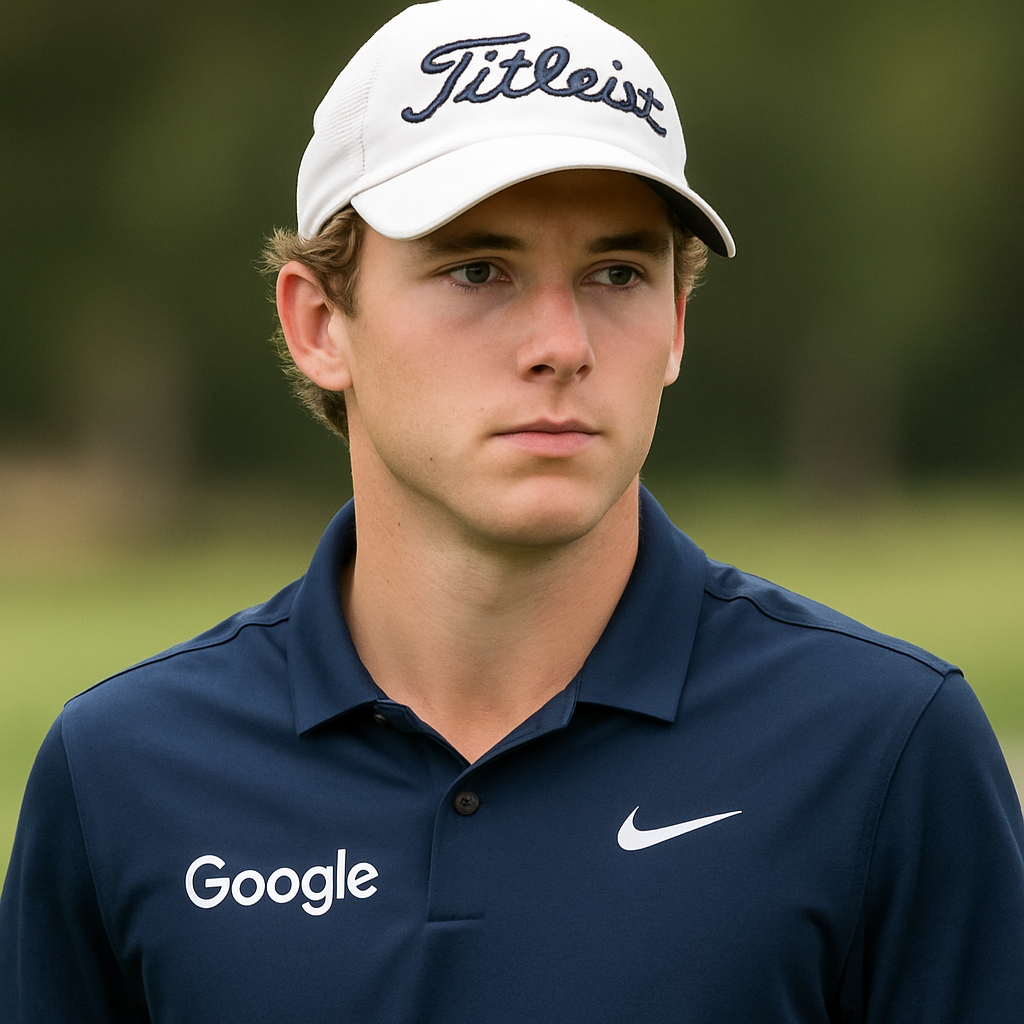
While millions of fans tune in for Saturday football, the quiet galleries of a college golf tournament hide a different kind of power: purchasing power. Advertisers call this “Demographic Targeting,” and it explains why a golfer with 10,000 followers might earn more per post than a gymnast with 100,000. Brands aren’t just paying for generic visibility; they are paying for direct access to the affluent decision-makers—CEOs, investors, and business leaders—who avidly follow the sport.
Calculating an amateur golfer’s market value involves more than just counting Instagram likes. Marketing agencies use what are known as “Valuation Multipliers.” Because the typical golf fan is statistically older and wealthier, a single engagement from them is worth significantly more to a sponsor than a like from a teenager. This premium allows niche players to secure the most lucrative brand partnerships in collegiate golf, often surpassing athletes in mainstream sports who have broader but less valuable reach.
You won’t just see logos for energy drinks or fast food on these players’ polos. Instead, local luxury car dealerships and private wealth management firms are rushing to sign deals, often handing over keys to Mercedes-Benzes rather than just free merchandise. This unique economic environment has created a new tier of student-athlete wealth, setting the stage for the elite few who have effectively cracked the seven-figure ceiling.
The $1 Million Club: Breaking Down the Highest NIL Valuations
In the opaque world of private contracts, industry experts rely on the “On3 Valuation” to determine who sits atop the financial leaderboard. This proprietary algorithm estimates an athlete’s annual earning potential by analyzing their on-field performance alongside their digital influence. Nowhere is this metric more explosive than when applied to the “Tiger Effect.” Charlie Woods, son of legend Tiger Woods, commands one of the highest NIL contracts projected in amateur sports not because of his current collegiate ranking, but because the media gravity that follows his every swing offers brands unrivaled exposure.
Current estimates showcase a mix of legacy fame and pure talent among the wealthy elite:
- Charlie Woods: Valuation exceeding $1 million, driven largely by global name recognition and media rights potential.
- John Daly II (Arkansas): High six-figure earner, leveraging his father’s “wildcard” image for deals with Hooters and lifestyle brands.
- Luke Clanton (Florida State): A performance-driven valuation spiking rapidly due to historic finishes at professional PGA Tour events.
While famous last names dominate the initial headlines, performance remains a critical currency for those without a legacy safety net. The elite amateur golfers with the largest sponsorship portfolios who lack celebrity parents often build their wealth through consistency, securing bonuses for television appearances and major championship qualifications. Brands understand that a logo seen on Sunday afternoon TV offers a tangible return on investment that pure hype cannot sustain.
These highest College golf NIL deals prove that while a low handicap gets you on the roster, visibility gets you paid. Yet, as the market matures, the formula is shifting again. You don’t always need a famous father or a PGA Tour card to cash in; sometimes, you just need a distinct personality and a smartphone.
Why 100k Followers Can Out-Earn a Tournament Win: The Social Media Multiplier
Talent builds a trophy case, but personality builds a bank account. In the modern digital economy, a golfer’s handicap is often less important to a sponsor than their “Engagement Rate”—a metric that tracks how actively fans like, comment, and share their content. For a lifestyle brand like Lululemon or a tech sponsor, a player finishing 10th with a viral TikTok presence often offers a better Return on Investment (ROI) than a silent tournament winner who creates no online buzz. This reality has created a “Social Media Multiplier,” where charisma can inflate a valuation far beyond athletic performance.
How social media followers affect NIL valuation depends on the specific deliverables athletes provide to sponsors. It is rarely just about logo placement; it is about actionable influence:
- Direct Conversion: Athletes use unique promo codes to track exactly how many drivers, shirts, or energy drinks were sold directly via an Instagram Story.
- Audience Trust: High engagement rates suggest the audience actually listens to the athlete, making their recommendation more valuable than a generic TV commercial.
- Content Production: Brands essentially hire these athletes as authentic, low-cost production studios to create videos that younger demographics will actually watch.
Consequently, the best strategies for building a personal athlete brand have shifted from pure practice range grinding to storytelling. Athletes are learning that documenting their journey—swing failures, gym routines, and campus life—makes them relatable. This accessibility turns a golfer into a lifestyle influencer, opening doors to sponsors who care less about birdies and more about premium aesthetics.
Beyond the Bag: How Luxury Brands and Equipment Giants Select Their Stars
While social media influencers chase likes, the most lucrative brand partnerships in collegiate golf rely on pure potential. Equipment titans like TaylorMade or Callaway scour amateur rankings to identify talents who can drive sales for decades, not just during a viral moment. These companies view signings as long-term R&D investments; locking in a top-ranked amateur golfer brand deal now ensures that if the player turns pro and wins a major championship in five years, they are already swinging the right driver.
Luxury brands, meanwhile, utilize NCAA golf sponsorship opportunities to reach a specifically affluent demographic. Unlike broad-appeal sports, golf fans often fit the ideal customer profile for high-end watches or investment firms. Consequently, companies value “clean-cut” marketability over raw aggression, meaning a player doesn’t need to win every weekend to land a deal—they simply need to embody an aspirational lifestyle that resonates with wealthy clients and country club members.
Navigating these interests requires balancing individual earnings with team commitments, as a player’s personal sponsors often conflict with university-wide apparel contracts. To bypass this corporate red tape and ensure recruits still get paid top dollar, schools are increasingly turning to direct donor funding.
The Role of NIL Collectives: How Alumni ‘War Chests’ Fuel Recruiting Trends
While corporate sponsors seek a return on their investment through advertising, the most aggressive funding in the modern game comes from organizations known as “collectives.” These are independent groups formed by wealthy alumni and boosters who pool their money to pay athletes for nominal services, such as signing autographs or attending charity dinners. The role of NIL collectives in recruiting golfers is crucial because it functions less like a sponsorship and more like a de facto payroll system designed to attract top talent.
To distinguish between the two main income sources, consider the motivation behind the money:
- Commercial Brand Deal: A company (e.g., Titleist) pays a player to wear their hat or use their equipment to drive sales.
- NIL Collective Payment: Alumni pay a player a monthly stipend to ensure they enroll at—and remain with—their specific university.
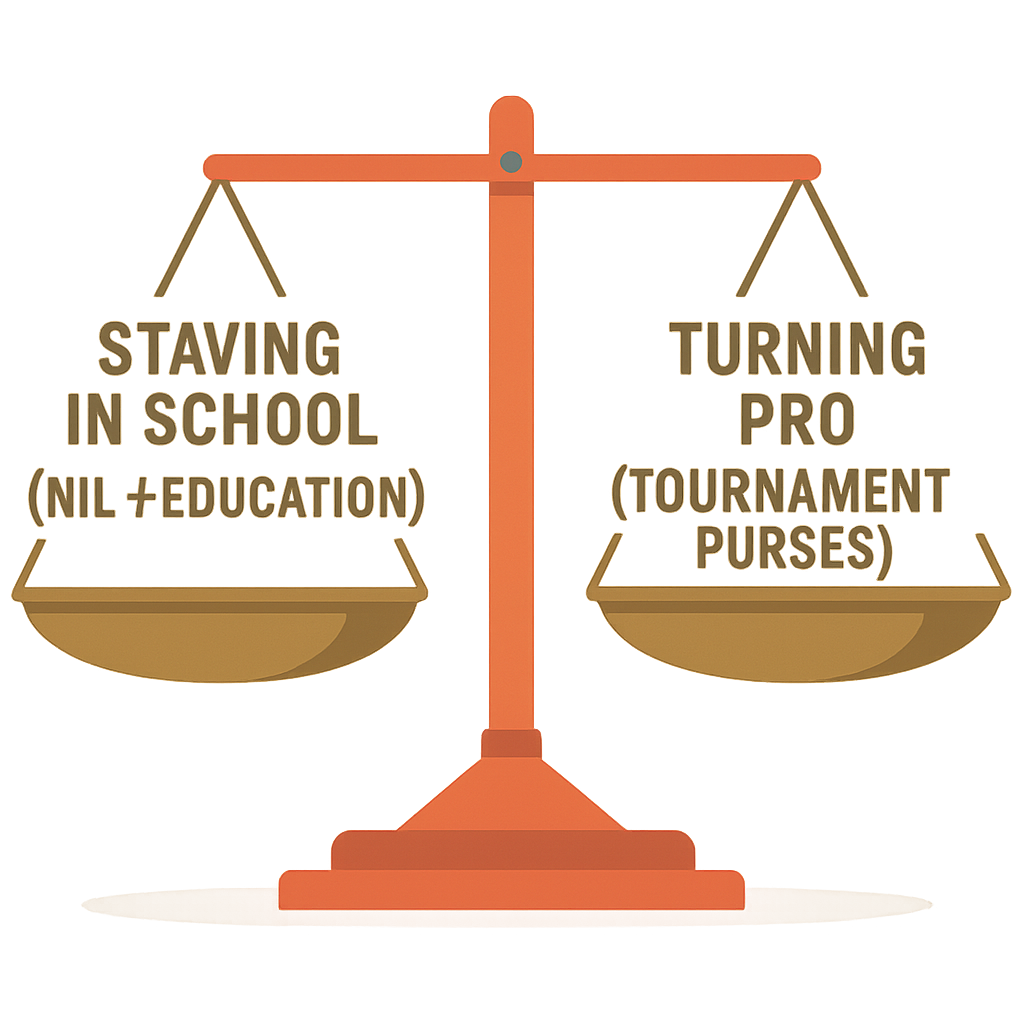
This financial arms race fundamentally alters the impact of NIL on college golf recruiting trends, turning traditional scholarship offers into competitive salary negotiations. Because collectives can offer guaranteed income regardless of on-course performance, many top-ranked amateurs are finding that staying in school is more lucrative than struggling on lower-tier professional tours.
The ‘Stay or Go’ Dilemma: Why Some Golfers Make More in College
Turning professional used to be the only path to financial security for elite golfers, but the math has drastically changed. While the stars seen on TV fly private jets, players on developmental circuits—the minor leagues of golf—often struggle to cover travel costs and entry fees that exceed their actual winnings. For a top-ranked amateur, leaving school early now means trading a guaranteed six-figure NIL income and zero overhead for a volatile existence where missing a “cut” means losing money.
Beyond immediate cash flow, the PGA Tour University Accelerated program benefits offer a strategic reason to delay the jump. This system rewards players who stay in college and perform well by granting them direct access to professional status upon graduation, effectively bypassing the risky lower tiers. Instead of grinding for years in obscurity, a senior can now graduate with a degree, a healthy bank account from NIL, and a secure spot on tour, causing the financial impact of turning pro versus staying in school to lean heavily toward campus life.
Managing this timeline requires strict adherence to NCAA compliance for golf tournament earnings, as accepting unauthorized prize money can still revoke a player’s eligibility. This modern financial safety net allows young talent to mature their game without the immediate panic of paying rent, setting a stable foundation for the broader changes reshaping the sport.
Navigating the New Green: How NIL is Reshaping the Future of the Sport
The era of playing solely for a scholarship has evolved, with the highest College golf NIL deals now rivaling entry-level professional contracts. This financial explosion offers life-changing opportunities but introduces significant pressure on students balancing exams with massive earnings. The sport has fundamentally shifted from pure amateurism to a high-stakes business environment where charisma counts as much as the scorecard.
As you tune into future tournaments, look beyond the leaderboard to the corporate logos on hats and shirts. Recognizing the sophisticated steps to negotiate collegiate golf endorsements allows you to appreciate the off-course strategy these players manage. You are no longer just watching college kids play a game; you are witnessing the next generation of business moguls building their empires in real-time.
Learn More About the NIL Landscape
Name, Image, and Likeness plays an increasing role in college sports, and understanding how it works often requires more than individual articles or news updates.
RallyFuel is a platform focused on NIL-related topics across college athletics. It brings together information about athletes, NIL activity, and the broader structure behind modern college sports, helping readers explore the topic in more depth.
👉 Explore the Athletes on RallyFuel – Discover top college athletes, compare NIL valuations, and dive deeper into the world of NIL.



Leave a Comment