
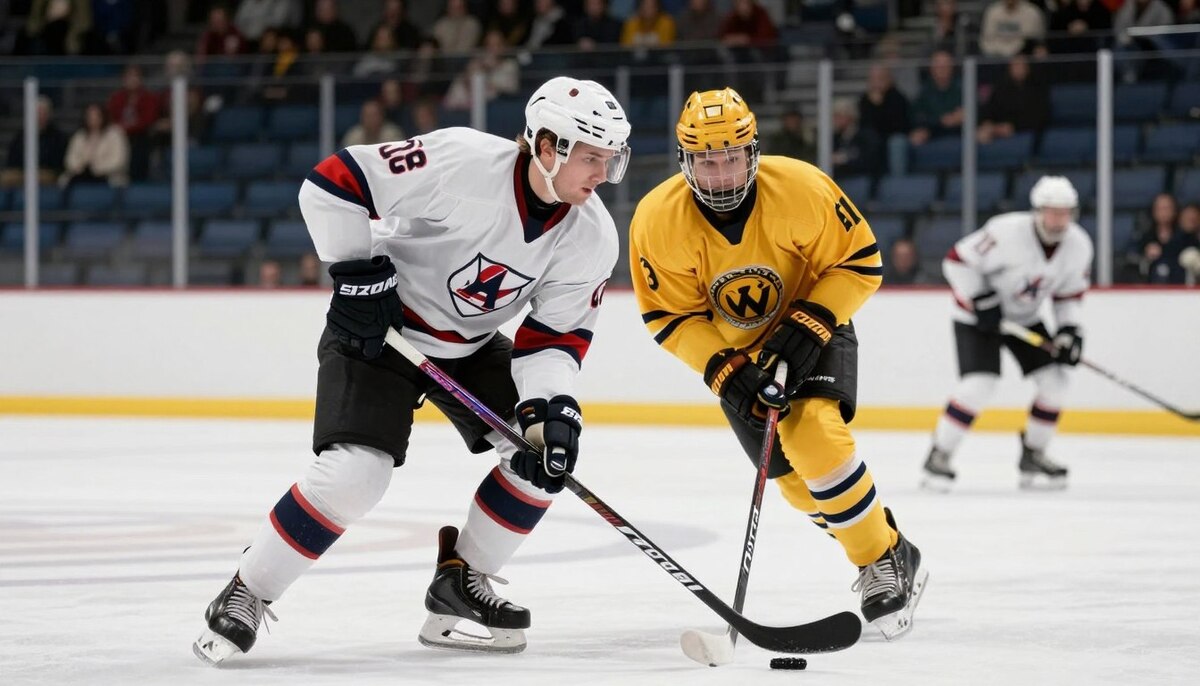
In today’s digital landscape, social media marketing has become a crucial tool for athletes to expand their reach and connect with fans. We explore how hockey players are leveraging platforms like TikTok and YouTube to grow their personal brand and build a loyal following.
As the sports industry continues to evolve, having a strong online presence is no longer a luxury, but a necessity. We examine the strategies hockey players use to engage with their audience, share their personalities, and showcase their skills, ultimately building a loyal fan base.
The Digital Revolution in Hockey Fan Engagement
The hockey world is witnessing a significant shift in fan engagement due to the digital revolution. As technology advances, hockey players are finding new ways to connect with their fans, moving beyond traditional media channels.
Shifting from Traditional to Digital Fan Connections
The way hockey players engage with fans has undergone a significant transformation. Traditional media channels are being replaced by digital platforms, enabling more personal and meaningful interactions.
The Decline of Traditional Media Channels
Traditional media channels, such as television and print, are no longer the primary means of fan engagement. Digital platforms have become the preferred method for hockey players to connect with their audience.
Benefits of Fan-Centered Communication
Communicating with fans creates stronger loyalty and allows players to form more personal relationships with their audience. This shift allows hockey players to share their stories and experiences more personally with fans.
Why Social Media Matters for Modern Hockey Players
Social media has become a crucial tool for modern hockey players, enabling them to build their personal brand and extend their careers beyond their playing days.
Personal Brand Development
By leveraging social media, hockey players can develop their personal brand, showcasing their personality, skills, and interests. This helps to create a loyal fan base and can lead to various endorsement opportunities.
Career Longevity Beyond the Ice
A strong online presence can contribute to a hockey player’s career longevity, providing opportunities for commentary, coaching, and other roles after retirement. Social media savvy players can maintain a strong connection with their fans even after they stop playing.
Understanding the Social Media Landscape for Athletes
As social media continues to evolve, understanding its dynamics is key for athletes to establish a strong online presence. The landscape is dominated by various platforms, each with its unique characteristics and user demographics.
Platform Demographics: TikTok vs. YouTube
When it comes to social media, TikTok and YouTube are two platforms that stand out for athletes looking to build their fan base. Understanding the demographics of these platforms is crucial for developing an effective strategy.
TikTok’s Younger Audience and Viral Potential
TikTok is known for its younger user base, with a significant portion of its audience under the age of 24. This demographic is highly engaged and receptive to content that is creative and authentic, offering athletes a unique opportunity to go viral and quickly expand their fan base.
YouTube’s Established Monetization and Longevity
YouTube, on the other hand, offers athletes a platform with established monetization options and a more mature audience. Content on YouTube has a longer shelf life, allowing athletes to build a library of content that continues to attract views and engagement over time.
Content Consumption Patterns of Hockey Fans
Understanding how hockey fans consume content on social media is vital for athletes to tailor their content effectively. Fans’ engagement patterns can vary significantly depending on the time of year and the platform they are using.
Seasonal Engagement Fluctuations
Hockey fans tend to be more engaged during the season, with interest peaking during playoffs and major tournaments. Athletes can capitalize on this by adjusting their content strategy to match the level of fan engagement.
Cross-Platform Fan Behavior
Fans often use multiple social media platforms, and their behavior can vary significantly from one platform to another. Athletes need to understand these differences to effectively reach and engage their audience across different platforms.
| Platform | Primary Demographic | Content Style |
|---|---|---|
| TikTok | Younger audience (under 24) | Short-form, creative content |
| YouTube | Mature audience | Long-form, in-depth content |
How Hockey Players Build Fan Bases on TikTok and YouTube
As hockey players navigate the digital landscape, building a strong fan base on platforms like TikTok and YouTube becomes increasingly crucial. We will explore the strategies hockey players can use to effectively grow their online presence.
Platform-Specific Strategy Development
Developing a content strategy tailored to each platform is vital. Content format optimization is key to engaging audiences on both TikTok and YouTube.
Content Format Optimization
On TikTok, short-form videos showcasing behind-the-scenes moments or quick skills tutorials can captivate viewers. YouTube, on the other hand, allows for longer-form content such as vlogs or detailed game analyses.
Posting Frequency and Timing
Consistency is crucial. Hockey players should maintain a regular posting schedule, taking into account the timing that best reaches their audience. For instance, posting after games or during peak social media hours can enhance engagement.
Authentic Content Creation Approaches
Authenticity is the cornerstone of building a loyal fan base. Hockey players can achieve this by balancing personal and professional content.
Balancing Personal and Professional Content
Sharing personal stories or interests outside of hockey humanizes players and fosters a deeper connection with fans. Meanwhile, professional content like game highlights maintains their athletic persona.
Storytelling Techniques That Connect
Using storytelling techniques, such as recounting game experiences or sharing training regimens, can create an emotional bond with the audience.
| Platform | Content Type | Frequency |
|---|---|---|
| TikTok | Short-form videos | Daily/Weekly |
| YouTube | Long-form content | Weekly/Bi-Weekly |
Creating Compelling TikTok Content as a Hockey Player
To stand out on TikTok, hockey players must develop a content strategy that showcases their unique personalities and skills. With the platform’s short-form video format, players can create engaging, bite-sized content that resonates with fans.
Leveraging Short-Form Video for Maximum Impact
Short-form videos offer hockey players a dynamic way to showcase their skills and personality. By focusing on quick, high-energy content, players can captivate their audience and build a loyal following.
Quick Skill Showcases and Highlights
Players can share highlight reels of their best plays, demonstrating their skills on the ice. This type of content not only showcases their athletic abilities but also provides fans with exciting moments to share and discuss.
Humor and Personality-Driven Content
Using humor and showcasing their personalities allows players to connect with fans on a more personal level. By sharing lighthearted, entertaining content, players can humanize themselves and build stronger bonds with their audience.
TikTok Trends Hockey Players Can Capitalize On
Hockey players can leverage popular TikTok trends to increase their visibility and engagement. By participating in trending challenges and using popular music and sounds, players can make their content more relatable and discoverable.
Music and Sound Integration
Integrating popular music and sound effects into their videos can make their content more engaging and aligned with current trends. This approach helps players reach a broader audience and makes their content more shareable.
Challenge Participation Strategies
Participating in TikTok challenges is an effective way for hockey players to increase their visibility. By creatively adapting challenges to fit their hockey context, players can showcase their fun side and engage with their fans.
Behind-the-Scenes Content That Resonates
Sharing behind-the-scenes content provides fans with a deeper look into the lives of hockey players. This type of content can include locker room moments, travel experiences, and training insights, offering a more personal connection with the audience.
Locker Room and Travel Moments
Giving fans a glimpse into locker room and travel moments humanizes players and provides a unique perspective on their experiences. This content can help build a stronger fan-player connection.
Training and Preparation Insights
Sharing training and preparation insights showcases the dedication and hard work that goes into being a professional hockey player. This type of content can inspire fans and provide them with a greater appreciation for the game.
YouTube Strategy for Long-Form Hockey Content
Long-form content on YouTube is revolutionizing how hockey players engage with their audience and build their personal brand. By diversifying their content, hockey players can establish themselves as authorities in their sport and foster a deeper connection with their fans.
Vlog-Style Day-in-the-Life Content
Vlogging offers hockey players a personal and relatable way to connect with their audience. By sharing their daily routines, players can humanize their image and give fans a glimpse into their lives beyond the rink.
Game Day Routines
Sharing game day routines can provide insight into a player’s preparation and mindset. For example, a player might document their morning skate, pre-game meal, and locker room preparations, offering fans a unique behind-the-scenes look.
Off-Season Activities
Off-season content can showcase a player’s dedication to training and personal growth. This might include clips of their fitness regimens, skill development sessions, or community engagement activities.
Training and Skills Tutorials
Training tutorials are an effective way for hockey players to share their expertise and provide value to their audience. These can range from workout demonstrations to technical skill breakdowns.
Workout Demonstrations
Players can share their workout routines, explaining the purpose behind specific exercises and how they contribute to their on-ice performance. This not only educates fans but also promotes a healthy lifestyle.
Technical Hockey Skills Breakdowns
By analyzing and explaining their techniques, players can help aspiring hockey players improve their skills. This content can include slow-motion footage, coaching tips, and drills.
Game Analysis and Commentary
Game analysis is another valuable content area where players can share their insights and expertise. This can include personal reflections on their performances and broader analysis of league trends.
Personal Game Reflections
Players can reflect on their own game performances, discussing successes, areas for improvement, and the decisions they made during the game. This provides fans with a deeper understanding of the player’s thought process.
League-Wide Analysis and Predictions
By analyzing league-wide trends and making predictions, players can position themselves as knowledgeable commentators on the sport. This can include discussions on team strategies, player statistics, and upcoming matchups.
| Content Type | Description | Benefits |
|---|---|---|
| Vlog-Style Content | Day-in-the-life vlogs, game day routines, off-season activities | Humanizes players, provides behind-the-scenes insights |
| Training Tutorials | Workout demonstrations, technical skill breakdowns | Educates fans, promotes healthy lifestyles, shares expertise |
| Game Analysis | Personal game reflections, league-wide analysis and predictions | Provides insights, positions players as knowledgeable commentators |
Building a Consistent Content Calendar
Establishing a consistent content calendar is crucial for hockey players to maintain a strong online presence. A well-structured content calendar enables players to balance their social media activities with their professional obligations, ensuring they remain engaged with their fans throughout the year.
Balancing Social Media with Professional Obligations
Hockey players have demanding schedules that include training, games, and travel. To manage their social media effectively, they must balance these obligations with content creation. Effective time management techniques are essential for this balance.
Time Management Techniques
Utilizing tools like planners or digital calendars can help hockey players schedule their content in advance. By allocating specific times for content creation, they can ensure consistency without compromising their professional commitments.
Leveraging Team Travel and Downtime
Team travel and downtime offer opportunities for hockey players to create content. For instance, they can share behind-the-scenes insights into their travels or document their recovery routines. This approach not only fills their content calendar but also provides fans with a more personal glimpse into their lives.
Content Planning Around Hockey Seasons
The hockey season significantly influences content planning. Players must adapt their content strategies to reflect the different phases of the season, from pre-season preparations to off-season activities.
Pre-Season Content Strategies
During the pre-season, hockey players can focus on content that highlights their training regimens and preparations for the upcoming season. This could include workout videos or insights into their training camps.
Off-Season Engagement Tactics
In the off-season, players can maintain fan engagement by sharing content related to their personal lives, community involvement, or personal projects. This helps keep their audience connected to them even when they’re not actively playing.
By implementing these strategies, hockey players can maintain a consistent and engaging online presence. A well-planned content calendar not only helps in managing their time effectively but also ensures that their fans remain engaged throughout the year.
Case Studies: NHL Players Dominating Social Media
In the realm of professional hockey, a new breed of NHL stars is emerging – those who excel on the ice and dominate on social media. These players are not only skilled athletes but also savvy digital personalities who have mastered the art of building a strong online presence.
P.K. Subban’s Multi-Platform Approach
P.K. Subban is a prime example of an NHL player who has successfully expanded his reach across multiple social media platforms. His engaging personality and diverse content have made him a fan favorite online.
Charity Integration and Personal Brand
Subban frequently incorporates his charitable endeavors into his social media content, enhancing his personal brand and demonstrating his commitment to giving back.
Entertainment Industry Crossovers
By engaging with the entertainment industry on his social media channels, Subban has further broadened his appeal beyond the hockey community.
Auston Matthews’ Authentic Personal Brand
Auston Matthews has built a strong social media presence by showcasing his authentic personality and interests. His content resonates with fans who appreciate his down-to-earth approach.
Fashion and Lifestyle Content
Matthews often shares his fashion sense and lifestyle choices on social media, giving fans a glimpse into his life beyond hockey.
Selective Platform Focus Strategy
By focusing on specific platforms, Matthews has been able to tailor his content effectively, maximizing his online impact.
Connor McDavid’s Strategic Content Partnerships
Connor McDavid has leveraged strategic content partnerships to enhance his social media presence. These collaborations have not only expanded his reach but also contributed to his professional brand.
Brand Alignment and Sponsorships
McDavid carefully aligns with brands that reflect his personal values, ensuring that his sponsorships are authentic and meaningful.
Content Production Quality Standards
By maintaining high content production quality, McDavid has set a new standard for NHL players on social media, showcasing the importance of professionalism in digital content creation.
| NHL Player | Social Media Strategy | Key Strengths |
|---|---|---|
| P.K. Subban | Multi-Platform Approach | Charity Integration, Entertainment Crossovers |
| Auston Matthews | Authentic Personal Brand | Fashion and Lifestyle Content, Selective Platform Focus |
| Connor McDavid | Strategic Content Partnerships | Brand Alignment, High Content Quality Standards |
Rising Hockey Influencers Outside the NHL
As social media continues to grow, hockey players from college, minor leagues, and women’s leagues are emerging as influencers. These rising stars are leveraging platforms like TikTok and YouTube to build their personal brands and connect with fans.
College and Minor League Players Building Followings
College and minor league hockey players are using social media to document their journeys and engage with their local communities. By sharing their experiences, they are able to build a loyal fan base.
Development Journey Documentation
Players are sharing their development journey, from training sessions to game highlights, giving fans a glimpse into their lives as athletes. This content helps build a personal connection with their audience.
Connecting with Local Fan Communities
By engaging with local fans, college and minor league players are able to foster a strong community around their brand. This local backing can be crucial for their future careers.
Women’s Hockey Stars Expanding the Game’s Reach
Women’s hockey stars are also making a significant impact on social media, expanding the game’s reach and promoting gender equality in sports.
Advocacy and Visibility Strategies
These athletes are using their platforms to advocate for women’s hockey, promoting visibility and recognition for their achievements. Their efforts are helping to grow the game globally.
Cross-Promotion with Other Female Athletes
By collaborating with other female athletes, women’s hockey stars are able to amplify their message and reach new audiences, further expanding the sport’s popularity.
Monetization Strategies for Hockey Content Creators
As digital platforms grow, hockey content creators are turning to diverse monetization strategies to advance their careers. As their fan bases grow on platforms like TikTok and YouTube, players are discovering new revenue streams.
Sponsorship and Brand Partnership Opportunities
Hockey players can leverage their social media presence to attract sponsors and brand partners. This can include:
- Endorsements for hockey equipment
- Collaborations with lifestyle brands
Hockey Equipment Endorsements
Players can partner with equipment manufacturers to promote their gear. For example, a player might use and showcase a specific brand of skates or sticks, receiving compensation or free equipment in return.
Lifestyle Brand Collaborations
Beyond hockey gear, players can collaborate with lifestyle brands that resonate with their personal brand. This could involve promoting apparel, fitness equipment, or other lifestyle products.
Revenue from Platform Creator Programs
Both YouTube and TikTok offer programs that enable creators to earn money from their content.
YouTube Monetization Requirements
To monetize on YouTube, creators must meet specific requirements, including having at least 1,000 subscribers and 4,000 watch hours in the past 12 months.
TikTok Creator Fund Participation
TikTok’s Creator Fund allows popular creators to earn money based on their video’s performance. Eligibility criteria include having a certain number of followers and views.
Measuring Success Beyond Follower Counts
To truly assess their social media performance, hockey players must consider metrics beyond their follower base. While having a large following is important, it’s equally crucial to understand how engaged these followers are and how they contribute to the player’s overall brand.
Engagement Metrics That Matter
Engagement metrics provide insights into how fans interact with a player’s content. These include likes, comments, shares, and saves. By analyzing these metrics, players can refine their content strategy to better resonate with their audience.
Platform-Specific Analytics Tools
Both TikTok and YouTube offer analytics tools that provide detailed insights into content performance. For instance, TikTok’s analytics dashboard shows metrics like average watch time and audience retention, helping players optimize their content.
Benchmarking Against Peers
Comparing performance against peers or industry benchmarks helps players understand their relative standing. This comparison can highlight areas for improvement and successful strategies to build upon.
Converting Online Fans into Real-World Engagement
Converting online engagement into real-world impact is crucial for hockey players. This can be achieved through various strategies, including merchandise sales and fan events.
Merchandise and Personal Brand Extensions
Players can leverage their online presence to sell merchandise or promote personal brand extensions, such as training camps or autograph sessions. This not only generates revenue but also strengthens the bond between the player and their fans.
Fan Event Coordination and Meetups
Organizing fan events or meetups is an effective way to turn online interest into real-world engagement. These events provide fans with a unique opportunity to interact with their favorite players in person.
| Metric | Description | Importance |
|---|---|---|
| Engagement Rate | Percentage of followers interacting with content | High |
| Audience Retention | How well content holds viewers' attention | High |
| Conversion Rate | Percentage of fans taking desired actions (e.g., buying merchandise) | Medium |
Overcoming Challenges in Hockey Social Media Growth
As hockey players expand their online presence, they inevitably face challenges that can impact their social media growth. Maintaining a positive and professional online image requires navigating various obstacles, from managing negative comments to adhering to team and league social media policies.
Managing Negative Comments and Criticism
One of the significant challenges hockey players face on social media is dealing with negative comments and criticism. Fans can be vocal about their opinions, and not all of them will be positive or constructive.
Comment Moderation Strategies
Implementing effective comment moderation strategies is crucial. This can include filtering out abusive language, blocking trolls, and limiting who can comment on their posts. By doing so, players can reduce the impact of negative interactions.
Addressing Performance Criticism Constructively
When faced with criticism about their performance, players should address it constructively. This involves acknowledging valid points, showing appreciation for feedback, and sometimes explaining their perspective. “Criticism is an opportunity to learn and grow, both on and off the ice.”
Team and League Social Media Policies
Hockey players must also navigate the social media policies set by their teams and leagues. These policies can dictate what players can and cannot post online.
Navigating Content Restrictions
Understanding content restrictions is vital. Players need to be aware of what is considered confidential or sensitive information that should not be shared publicly. Violating these rules can lead to disciplinary actions.
Balancing Personal Voice with Team Representation
Players must balance expressing their personal voice with representing their team positively. This involves being mindful of their posts and ensuring they align with the team’s values and image. As Auston Matthews once said,
“It’s about finding that fine line between being yourself and representing your team.”
Conclusion: The Future of Hockey Player Social Media Presence
As we look to the future of hockey social media, it’s clear that the landscape is evolving rapidly. Hockey players are no longer just athletes; they’re becoming influential figures in the sports world, leveraging platforms like TikTok and YouTube to build strong connections with their fans.
The future of hockey social media presence will be shaped by the ability of players to adapt to new trends and technologies. As social media continues to play a larger role in the sports industry, hockey players who effectively harness its power will be better positioned to build lasting relationships with their fans and achieve success both on and off the ice.
By understanding the current landscape and future trends of social media in hockey, players, teams, and leagues can navigate this evolving environment and seize new opportunities. As the sports industry continues to evolve, the importance of a strong social media presence for hockey players will only continue to grow.
Learn More About the NIL Landscape
Name, Image, and Likeness plays an increasing role in college sports, and understanding how it works often requires more than individual articles or news updates.
RallyFuel is a platform focused on NIL-related topics across college athletics. It brings together information about athletes, NIL activity, and the broader structure behind modern college sports, helping readers explore the topic in more depth.
FAQ
How can hockey players effectively build their fan base on social media?
Hockey players can build their fan base on social media by creating engaging content, leveraging platform-specific features, and interacting with their audience. We recommend developing a content calendar that balances personal and professional content, and utilizing storytelling techniques to connect with fans.
What are the benefits of using TikTok for hockey players?
TikTok offers hockey players a platform to showcase their personality, skills, and humor through short-form videos. The platform’s younger audience and viral potential make it an ideal space for players to grow their fan base and increase their online presence.
How can hockey players monetize their social media presence?
Hockey players can monetize their social media presence through sponsorships, brand partnerships, platform creator programs, and merchandise sales. By building a strong personal brand and engaging with their audience, players can attract brands and leverage their online presence for financial gain.
What metrics should hockey players use to measure their social media success?
Hockey players should look beyond follower counts and focus on engagement metrics such as likes, comments, and shares. They can also use platform-specific analytics tools to track their performance and benchmark against their peers.
How can hockey players manage negative comments and criticism on social media?
Hockey players can manage negative comments and criticism by implementing comment moderation strategies, addressing performance criticism constructively, and maintaining a professional online presence. By being proactive and responsive, players can mitigate the impact of negative comments and maintain a positive online reputation.
What are the key considerations for hockey players when creating content for YouTube?
When creating content for YouTube, hockey players should focus on developing high-quality, engaging, and informative content that showcases their personality and expertise. They should also consider optimizing their video titles, descriptions, and tags to improve discoverability.
How can hockey players balance their social media obligations with their professional commitments?
Hockey players can balance their social media obligations with their professional commitments by developing a content calendar, leveraging team travel and downtime, and utilizing time management techniques. By being strategic and efficient, players can maintain a strong online presence without compromising their on-ice performance.
What role do team and league social media policies play in hockey players’ online presence?
Team and league social media policies play a crucial role in shaping hockey players’ online presence. Players must navigate content restrictions, balance their personal voice with team representation, and ensure compliance with league regulations to maintain a positive and professional online reputation.




Leave a Comment