
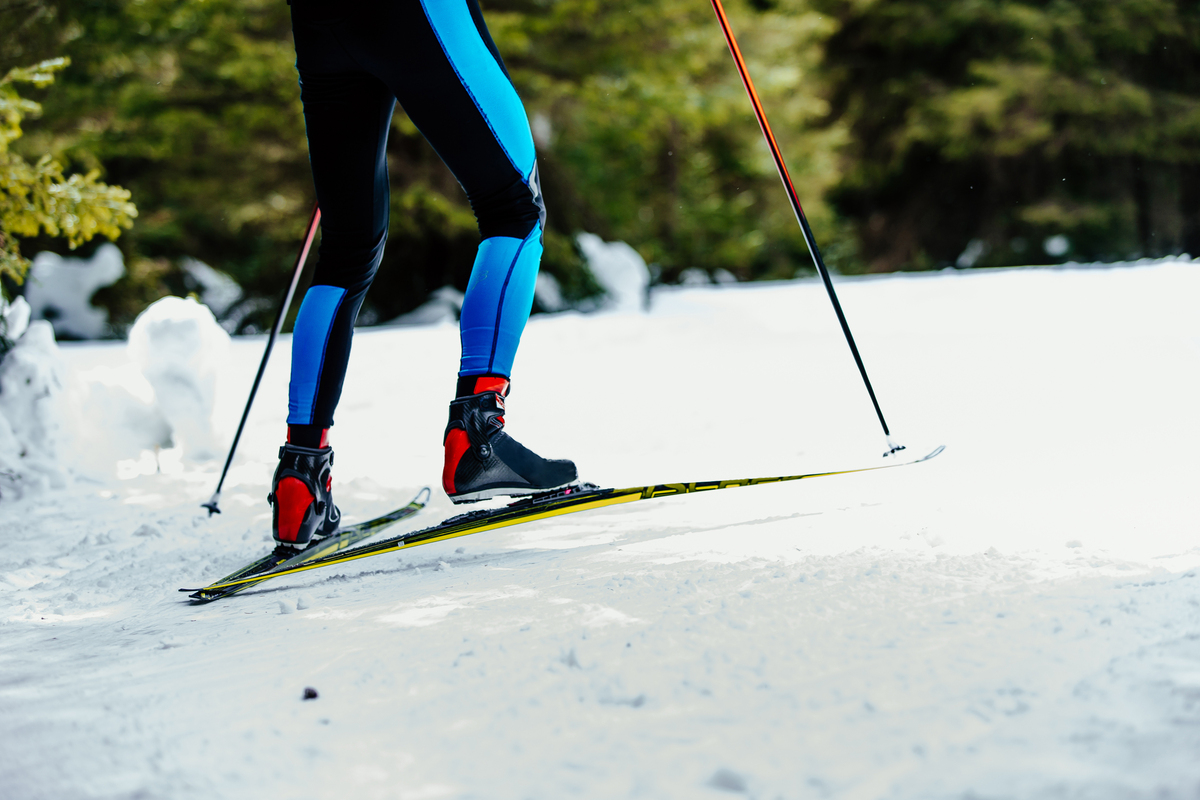
Introduction: Altitude as a Competitive Variable at Milano–Cortina 2026
At the Milano–Cortina 2026 Winter Olympics, Nordic skiing performance is determined not only by technique and endurance, but by how effectively athletes manage oxygen delivery under sustained load. Unlike explosive winter sports, cross-country and distance Nordic events rely heavily on aerobic metabolism — making altitude strategy directly relevant.
The central thesis:
In Nordic skiing at Milano–Cortina 2026, altitude training is not a supplementary tool — it is a structured physiological strategy that enhances oxygen transport, improves lactate clearance, and protects endurance stability during Olympic competition.
Altitude integration is not about simply “training high.” It is about timing, dosage, and recovery control.
Why Altitude Matters Specifically for Nordic Skiing
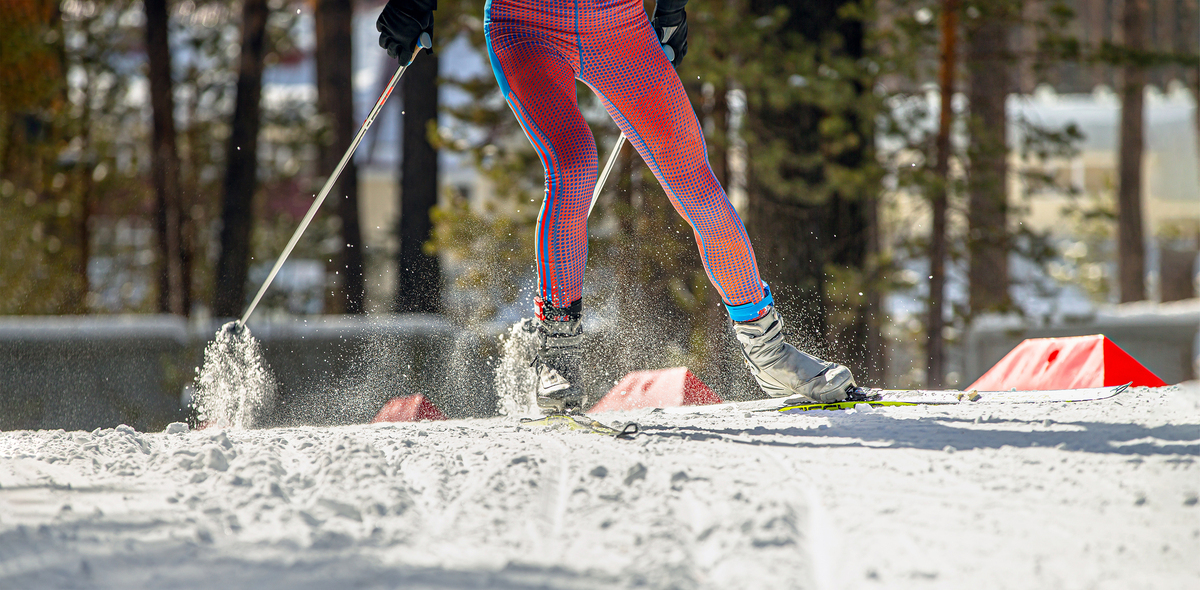
Nordic skiing places extreme demand on:
- VO₂ max capacity
- Lactate threshold sustainability
- Oxygen transport efficiency
- Whole-body endurance
Races often last 20 to 90+ minutes depending on format. Even sprint events require strong aerobic foundation.
At moderate elevation, reduced oxygen pressure increases cardiovascular strain. Athletes who have adapted to hypoxic environments demonstrate:
- Higher hemoglobin mass
- Improved red blood cell concentration
- Enhanced oxygen extraction efficiency
These adaptations are directly performance-relevant.
Physiological Mechanisms Behind Altitude Adaptation
When Nordic skiers train at altitude, the body responds through:
Increased Erythropoietin (EPO) Production
Hypoxia stimulates natural EPO release, increasing red blood cell production.
Increased Hemoglobin Mass
More hemoglobin improves oxygen-carrying capacity.
Improved Capillary Density
Longer-term adaptation supports oxygen diffusion into muscle tissue.
Enhanced Mitochondrial Efficiency
Muscle cells adapt to operate more efficiently under oxygen constraint.
These mechanisms improve endurance resilience — critical in Olympic finals where pacing precision determines podium outcomes.
Altitude Training Models Used for Milano–Cortina 2026
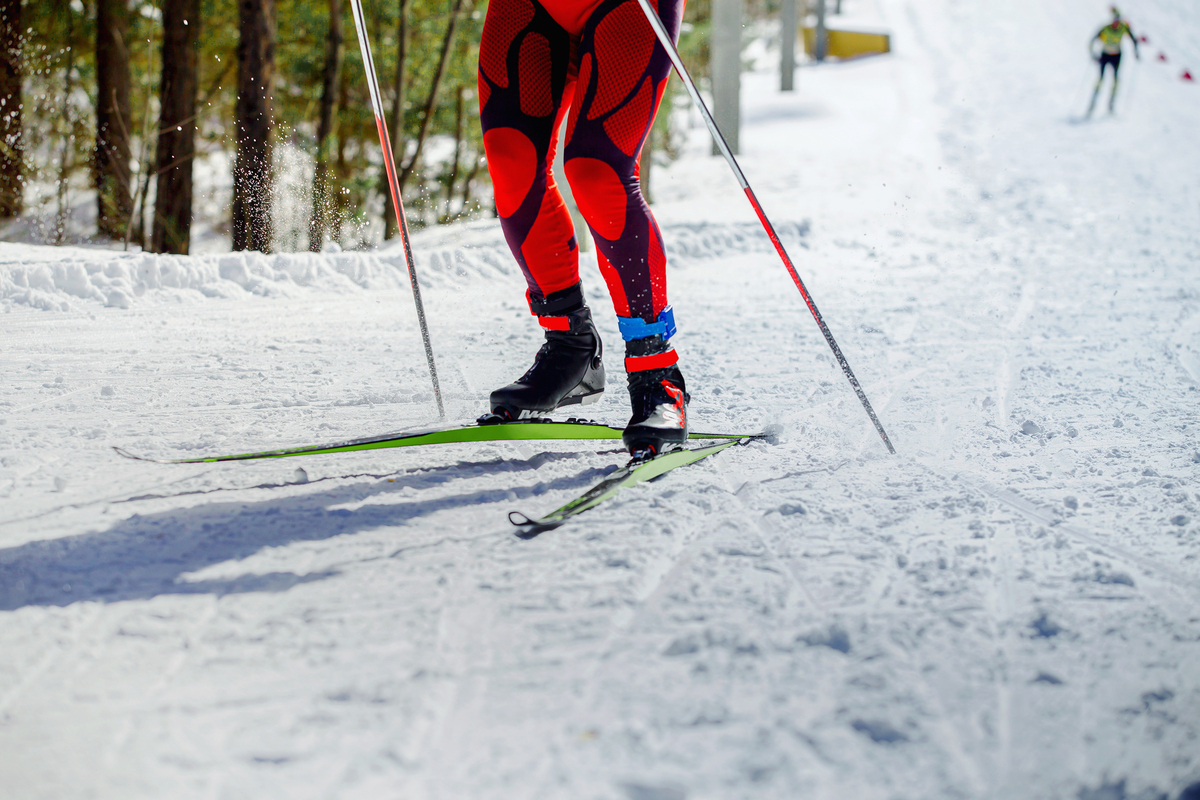
Elite Nordic programs preparing for Milano–Cortina typically rely on:
Live High, Train Low (LHTL)
Athletes:
- Sleep at altitude (2,000–2,500m)
- Perform high-intensity sessions at lower elevations
Benefits:
- Erythropoietic stimulation
- Maintained training intensity
This model preserves neuromuscular sharpness while stimulating hematological adaptation.
Intermittent Hypoxic Exposure
Some programs use:
- Hypoxic chambers
- Simulated altitude tents
This reduces travel burden while preserving adaptation stimulus.
Timing of Altitude Blocks Before Olympic Competition
Altitude timing is critical.
If exposure ends too close to competition:
- Fatigue may persist
- Neuromuscular sharpness may decline
If exposure ends too early:
- Hemoglobin advantage may diminish
Optimal altitude planning ensures:
- Adaptation stabilization
- Full recovery
- Aerobic peak alignment
Precision in timing is more important than duration alone.
Risks of Mismanaging Altitude in Nordic Skiers
Altitude training is not universally safe.
Common risks include:
- Iron depletion
- Overtraining syndrome
- Sleep disturbance
- Reduced power output
- Immune suppression
Iron deficiency is particularly critical. Without adequate ferritin levels, altitude exposure fails to stimulate effective red blood cell production.
Medical teams closely monitor:
- Hemoglobin concentration
- Ferritin levels
- Heart rate variability
- Sleep quality
Altitude success depends on medical supervision.
Performance Impact During Olympic Racing
At Milano–Cortina 2026, altitude-adapted Nordic skiers may demonstrate:
- More stable pacing in final race stages
- Improved recovery between heats
- Reduced oxygen debt accumulation
- Higher tolerance to lactate accumulation
In mass-start formats, late-race resilience becomes decisive.
Altitude does not increase sprint speed — but it preserves aerobic stability when fatigue accumulates.
Comparative Table: Altitude Effects in Nordic Olympic Preparation
| Physiological Factor | Effect of Altitude Training | Direct Olympic Benefit |
|---|---|---|
| Hemoglobin Mass | Increases | Improved oxygen transport |
| VO₂ max Efficiency | Improves | Sustained race pace |
| Lactate Clearance | Enhanced | Stronger finishing capacity |
| Recovery Between Heats | Accelerated | Tournament resilience |
| Neuromuscular Power | Can decrease if mismanaged | Requires careful timing |
This highlights both benefits and potential trade-offs.
Psychological Effects of Altitude Exposure
Altitude exposure may affect:
- Mood regulation
- Perceived fatigue
- Motivation
Nordic athletes preparing for Milano–Cortina must balance physiological gain with psychological stability.
Excessive hypoxic fatigue may undermine confidence before competition.
Is Altitude Mandatory for Nordic Success at Milano–Cortina 2026?
Altitude is advantageous — but not universally mandatory.
Success depends on:
- Individual responder status
- Iron sufficiency
- Recovery integration
- Competition schedule
Athletes who are poor responders to hypoxia may rely more heavily on sea-level high-intensity periodization.
Altitude is a tool — not a guarantee.
Conclusion
For Nordic skiing at the Milano–Cortina 2026 Winter Olympics, altitude training remains one of the most strategically impactful physiological interventions.
When properly timed and medically supervised, altitude exposure enhances:
- Oxygen transport
- Endurance resilience
- Lactate buffering
- Late-race performance stability
However, mismanagement introduces fatigue, iron depletion, and neuromuscular compromise.
Altitude strategy at the Olympic level is defined not by intensity — but by calibration.
The difference between effective adaptation and performance suppression lies in precision planning.
Learn More About the NIL Landscape
Name, Image, and Likeness plays an increasing role in college sports, and understanding how it works often requires more than individual articles or news updates.
RallyFuel is a platform focused on NIL-related topics across college athletics. It brings together information about athletes, NIL activity, and the broader structure behind modern college sports, helping readers explore the topic in more depth.
👉 Explore the Athletes on RallyFuel – Discover top college athletes, compare NIL valuations, and dive deeper into the world of NIL.
FAQ
1. Does altitude training directly improve Nordic Olympic performance?
It enhances oxygen transport and endurance stability, which support sustained race pace.
2. Can altitude training reduce sprint speed?
If mismanaged, it may temporarily reduce neuromuscular power.
3. Why is iron important in altitude preparation?
Iron is essential for red blood cell production stimulated by hypoxia.
4. Is altitude training required for Milano–Cortina 2026?
Not universally, but it provides significant endurance advantages in Nordic skiing.
5. How long do altitude benefits last?
Adaptation effects stabilize after exposure but diminish if poorly timed relative to competition.




Leave a Comment