
Introduction: Peaking Inside the Olympic Window
At the Milano-Cortina 2026 Winter Olympics, peak performance is no longer theoretical — it is unfolding in real time. Athletes competing across hockey, alpine skiing, Nordic disciplines, and speed skating are executing performance strategies designed specifically for this Olympic moment.
The key reality is this:
Olympic peak performance is not about building fitness during the Games — it is about arriving in Italy physiologically sharpened, tactically precise, and neurologically fresh.
During Milano-Cortina 2026, the focus shifts from development to precision execution.
What “Peak Performance” Means at Milano-Cortina 2026
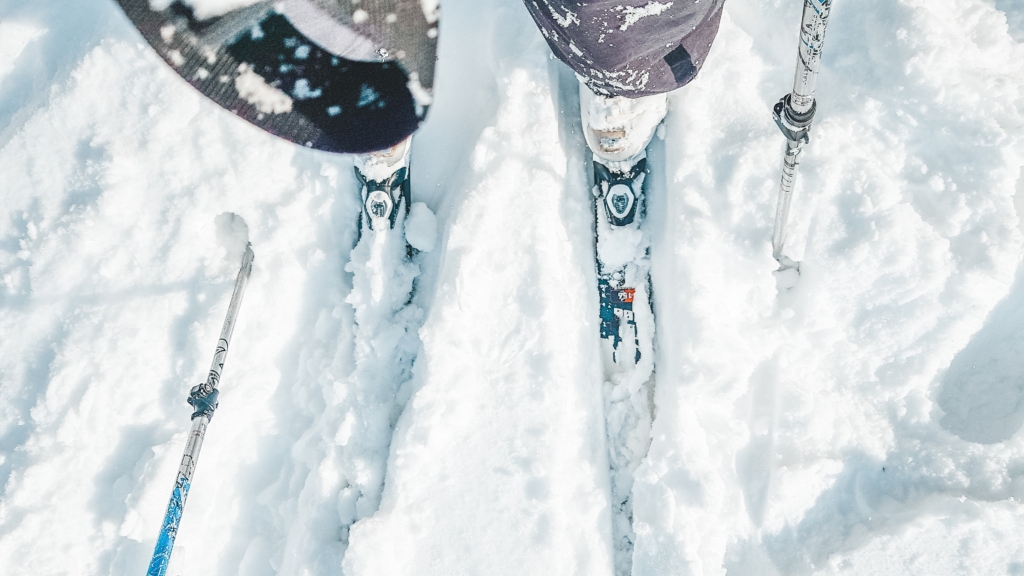
In Olympic terms, peak performance involves:
- Maximum neuromuscular efficiency
- Optimal energy system activation
- Tactical clarity
- Emotional stability
- Recovery dominance between events
At this stage, athletes are not increasing volume or experimenting with training. They are protecting sharpness.
Competition Week Strategy: What Athletes Are Doing Now
Across winter sports at Milano-Cortina 2026, preparation during the Games follows similar principles.
1. Reduced Training Volume
Athletes significantly limit:
- High-volume endurance sessions
- Heavy strength training
- Extended skill repetition
Training sessions are short, specific, and controlled.
2. High Specificity Activation
Instead of conditioning work, athletes focus on:
- Race-pace efforts (skiing, skating)
- Tactical situational drills (hockey)
- Start simulations (speed skating)
- Technical rhythm sharpening (alpine skiing)
The goal is to stimulate performance systems without creating fatigue.
3. Recovery as Priority
During Milano-Cortina 2026, recovery protocols include:
- Sleep optimization
- Cold therapy
- Compression systems
- Nutrition timing
- Controlled media exposure
Energy preservation is performance preservation.
Multi-Sport Olympic Execution Model
Hockey (Men’s & Women’s)
Olympic tournaments require:
- Rapid recovery between games
- Tactical discipline
- Short explosive bursts
Teams prioritize:
- Shift-length management
- Strategic line rotations
- Active recovery between matches
Alpine Skiing
For alpine athletes at Milano-Cortina:
- Neuromuscular sharpness is critical
- Reaction timing determines outcome
- Overtraining risk is especially damaging
Warm-ups are short and targeted.
Nordic Skiing
Nordic competitors focus on:
- Aerobic efficiency preservation
- Energy conservation in early race stages
- Controlled pacing strategy
Freshness outweighs conditioning at this stage.
Speed Skating
Speed skaters rely on:
- Explosive anaerobic output
- Precision start mechanics
- Lactate tolerance management
Training between races is minimal and highly calculated.
Performance Priorities at Milano-Cortina 2026
| Sport | Primary Focus During Games | Training Volume | Recovery Emphasis | Tactical Execution |
|---|---|---|---|---|
| Women’s Hockey | Between-game recovery | Low | Very High | System discipline |
| Men’s Hockey | Energy management | Low | High | Line precision |
| Alpine Skiing | Neuromuscular sharpness | Very Low | High | Split-second timing |
| Nordic Skiing | Aerobic preservation | Low | High | Pacing control |
| Speed Skating | Anaerobic peak | Very Low | High | Start execution |
Psychological State at the Olympic Stage
At Milano-Cortina 2026, athletes manage:
- National expectation
- Media attention
- Compressed competition schedules
Mental stability is protected through:
- Controlled information intake
- Focused routines
- Familiar pre-event rituals
Psychological fatigue can undermine physical readiness.
Tactical Execution vs Physical Capacity
By the time athletes compete at Milano-Cortina 2026:
- Physical capacity is already established
- Tactical decisions determine margins
- Execution precision separates podium from near-miss
In winter sports, differences often come down to:
- Hundredths of a second
- One shift in hockey
- One turn in alpine skiing
Performance now depends on precision, not conditioning.
Olympic Performance Execution Model (Milano-Cortina 2026)
| Component | Focus During Games | Adjustment Strategy | Performance Goal |
|---|---|---|---|
| Physical Load | Minimal | Maintain freshness | Avoid fatigue |
| Tactical Systems | Refined | Minor adjustments only | Cohesion |
| Recovery | Maximized | Structured protocols | Sustain peak |
| Psychological Control | Stabilized | Routine reinforcement | Composure |
The Critical Insight: Peak Is Maintenance, Not Building
A common misconception is that athletes “train harder” during the Olympics.
In reality:
- No major physiological gains are made during the Games
- Fitness is preserved, not developed
- Precision is sharpened, not expanded
The Olympic window is about controlled execution.
Conclusion: Performance at Milano-Cortina Is Controlled Precision
At the 2026 Winter Olympics, peak performance is visible in:
- Tactical discipline in hockey
- Millisecond timing in skiing
- Anaerobic bursts in skating
Athletes competing now are not building capacity — they are executing capacity.
Milano-Cortina 2026 showcases the final stage of elite preparation: controlled intensity, disciplined recovery, and precision under pressure.
Learn More About the NIL Landscape
Name, Image, and Likeness plays an increasing role in college sports, and understanding how it works often requires more than individual articles or news updates.
RallyFuel is a platform focused on NIL-related topics across college athletics. It brings together information about athletes, NIL activity, and the broader structure behind modern college sports, helping readers explore the topic in more depth.
👉 Explore the Athletes on RallyFuel – Discover top college athletes, compare NIL valuations, and dive deeper into the world of NIL.
FAQ
1. Do athletes increase training during the Olympics?
No. Training volume is reduced to preserve peak freshness.
2. What is the main focus during Olympic competition week?
Recovery, tactical precision, and energy conservation.
3. Why is recovery more important than conditioning at this stage?
Because conditioning gains are already achieved; fatigue reduction now protects peak output.
4. How do team sports like hockey manage peak performance?
Through shift rotation, load management, and between-game recovery protocols.
5. What separates medalists at Milano-Cortina 2026?
Execution precision and psychological composure, not raw conditioning.



Leave a Comment