
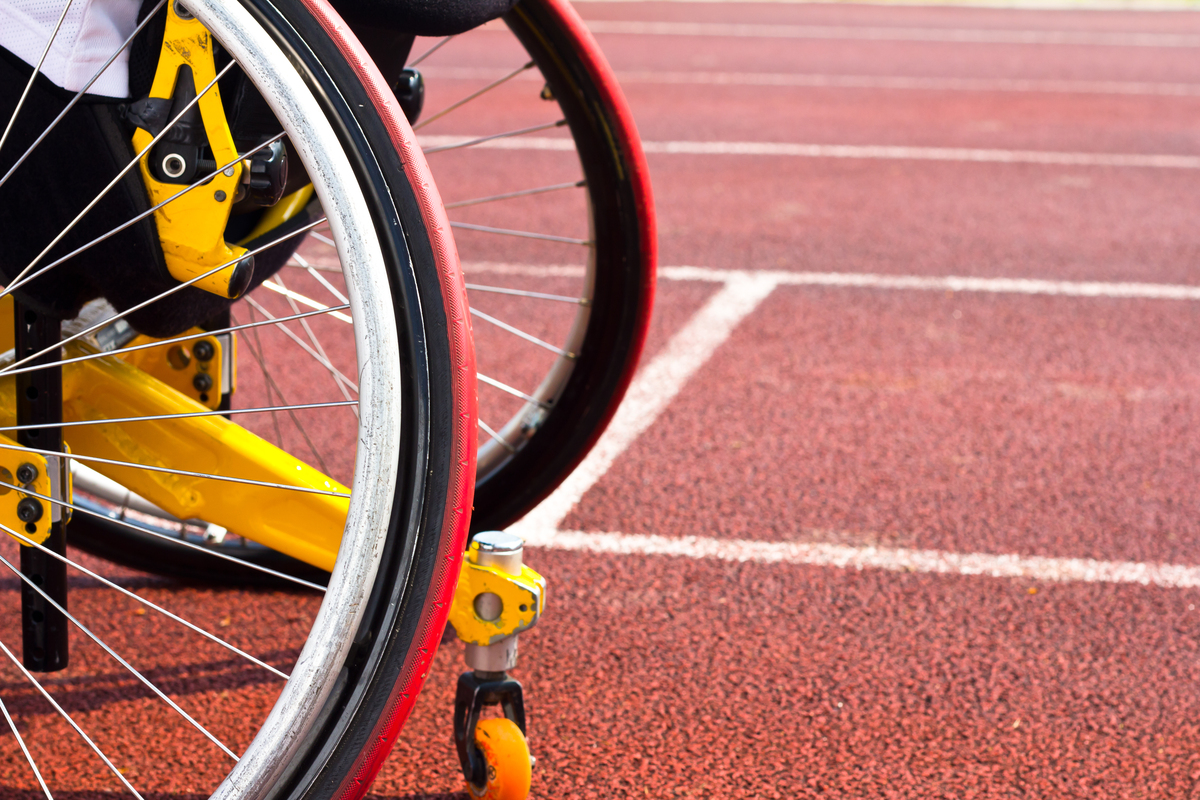
We introduce how Name, Image, and Likeness — commonly called nil — expanded access for collegiate para competitors after policy shifts allowed student talent to engage in paid brand partnerships.
In this overview we outline why the change mattered, how on-track performance and academic leadership converted into respectful brand platforms, and how compliance shaped those deals.
We explain the timing windows that boosted visibility during global competition and how those moments sped discovery for brands and talent. You will see a concise case study of a leading para sprinter’s partnership and a practical playbook for brand-building in collegiate contexts.
Our aim is to make complex rules clear so you can understand how universities, brands, and athletes structured responsible agreements that favored long-term development over single-event exposure.
From rule changes to real impact: how NIL reshaped opportunities around the Olympic and Paralympic Games
Rule revisions moved opportunity from after-graduation to the real-time spotlight of major competitions. That shift let college competitors form lawful partnerships during their peak performance periods. Universities, compliance offices, and brands adapted quickly to create clear guardrails.
The policy pivot that opened doors for collegiate Paralympians
We explain how NCAA rule changes unlocked pathways for college para competitors to sign deals without losing eligibility. Campus compliance teams set approval steps for contracts, mark use, and activation venues.
Why Games-time visibility matters for athletes and brands
Global broadcasts and social spikes create narrow windows of intense discovery. Brands favor competitors whose stories fit purpose-led campaigns—performance credibility, adaptive sport innovation, and community impact.
Tracking the shift in the United States market and media attention
U.S. media broadened coverage and classification education. This change helped sponsors justify multi-channel campaigns tied to breakthrough performances and human-interest angles.
- Result: Relationships that once waited until graduation can now start during the Games.
- Impact: More category-diverse sponsors and experienced representation signal maturing demand.
Sydney Barta’s On partnership: a case study in performance, perseverance, and platform-building
Sydney Barta’s partnership with On shows how timing, research credentials, and comeback performance combine to shape modern collegiate brand deals.
Inside the On collaboration: timing, fit, and Stanford’s pioneering sprinter
We note that On signed a NIL agreement with Barta on Oct. 17, 2025. The Swiss brand cited her barrier-breaking profile and commitment to advancing para sport.
Barta was the first para competitor to race for Stanford track and field. She debuted in April 2025 with a 27.75 at Payton Jordan and later raced the Big Meet vs. Cal. Her campus leadership—research, lab work, and council roles—strengthened the brand fit.
Results that resonate: global performance and scientific voice
Barta returned from a complete foot fracture and posted strong marks at Worlds in New Delhi: a 200m T64 bronze in 27.51 and an eighth-place finish in the 100m final (13.83). She also holds the American-record in the 200m T64.
- Why it worked: performance metrics plus research-based credibility.
- Content angle: biomechanics, prosthetic adaptation, and inclusive training.
- Governance: council roles signaled leadership beyond the track.
We frame this as a template: match values, document results, and plan multi-season storytelling rather than a single-event push.
Paralympic Athletes NIL: brand-building playbook and emerging best practices
Turning competitive results into durable brand value requires a clear framework: proof, purpose, and a compliant process. We outline practical steps you can use to build long-term credibility while protecting eligibility and academic progress.
Authenticity, advocacy, and alignment
Proof: Anchor stories in verifiable markers — personal bests, podiums, selection to national teams — so a single medal or record is assistanceed by data and context.
Purpose: Align partnerships with clear advocacy areas — disability inclusion, adaptive tech literacy, and campus leadership — to extend message reach beyond the paralympic games window.
Process: Build a compliance-first workflow: disclose deals, secure institutional approvals for mark use, and coordinate with conference or federation rules to avoid conflicts.
- Translate classification education into short, coach-approved explainers that inform without sensationalizing.
- Integrate academic work — engineering or physiology projects — into content pillars to boost credibility.
- Map content peaks to Trials, Worlds, and campus events so momentum lasts past a single time spike.
- Evaluate sponsors for value fit, creative freedom, and long-term assistance rather than volume of deals.
Measure and activate: Use simple ROI metrics — reach, engagement quality, media pickup, and community impact proxies — and offer campus activations like talks, lab demos, and inclusive training sessions timed around academic calendars.
Conclusion
Finally, the regulatory change created new, measurable channels for career-building partnerships anchored in performance and purpose.
We recap that policy shifts moved commercial pathways into athletes’ competitive windows while requiring transparent, compliance-first workflows. This allowed brands and campuses to build agreements that respected both sport and study.
Games-centered visibility—from a season breakthrough to a world-stage bronze—amplified discovery. Yet lasting impact depended on year-round strategy, authentic advocacy, and clear metrics of progress.
Our case study shows values alignment and narrative integrity matter as much as a single medal. Academic roles and governance work gave partners richer content and deeper trust.
Looking ahead, expanding media literacy and stronger institutional assistance will grow responsible, effective collaborations. Use the playbook: clarify purpose, document progress, and plan timing to elevate performance, inclusion, and innovation.
Learn More About the NIL Landscape
Name, Image, and Likeness plays an increasing role in college sports, and understanding how it works often requires more than individual articles or news updates.
RallyFuel is a platform focused on NIL-related topics across college athletics. It brings together information about athletes, NIL activity, and the broader structure behind modern college sports, helping readers explore the topic in more depth.
FAQ
What changed to allow collegiate Paralympians to sign paid partnerships?
In recent years, NCAA policy shifts and state laws enabled college competitors to earn compensation from endorsements and partnerships. These changes created clear pathways for student competitors to monetize their personal brands while maintaining collegiate eligibility. Universities and compliance offices now provide guidance so you can pursue deals lawfully and transparently.
Why is Games-time visibility important for athletes and sponsoring brands?
Major competitions amplify exposure. When you perform at world championships or the Paralympic Games, media coverage and fan engagement spike. Sponsors gain authentic storytelling moments, and athletes convert brief attention into long-term partnerships, social growth, and revenue opportunities.
How has media attention shifted in the United States for adaptive sport competitors?
Coverage has grown across digital, broadcast, and social channels, driven by storytelling, better broadcast slots, and brand investment. This market shift increased sponsorship interest and created measurable metrics for reach and engagement, making deals more quantifiable for both sides.
Can you summarize a successful brand collaboration that illustrates these trends?
One clear example involved a performance-focused gear brand partnering with a collegiate T64 sprinter. The collaboration aligned product timing, athlete training cycles, and storytelling around resilience. Results included heightened media attention, improved sponsor visibility, and stronger fan connection for the athlete.
How do competition results — like a T64 200-meter bronze with a 27.51 time — affect marketability?
Podium finishes and record-setting performances boost credibility. A bronze medal with a noted time signals consistency and elite status. That performance data helps brands evaluate athletic ROI and assistances an athlete’s pitch for targeted campaigns and speaking engagements.
What role do classification stories and academic achievements play in brand-building?
Personal narratives — including classification journey and collegiate success — create authenticity. Brands seek athletes who can advocate credibly on inclusion, education, and sport. Combining competitive results with academic accomplishment strengthens an athlete’s long-term positioning.
What best practices should collegiate adaptive athletes follow when negotiating partnerships?
Prioritize alignment — choose partners whose mission complements your values. Secure written agreements, involve university compliance early, and review exclusivity clauses. Consider long-term equity such as ambassador roles, not only one-off deals, to build sustainable income and reputation.
How should athletes measure the impact of a partnership during major competitions?
Track social engagement, media mentions, referral traffic, and sales lift tied to campaign windows. Use baseline metrics before competition and compare post-event performance. Clear KPIs help you demonstrate value to current and future sponsors.
What legal or compliance hurdles should students anticipate?
Expect requirements around disclosure, tax reporting, and university approval. Contracts must respect NCAA rules and state law where applicable. Consult your school’s compliance office and, when needed, a sports-knowledgeable attorney to avoid eligibility or contractual issues.
How can fans assistance athletes effectively without creating conflicts with sponsorships?
Fans can amplify athletes by sharing verified content, purchasing official merchandise from approved channels, and attending sanctioned events. Avoid unauthorized commercial use of an athlete’s likeness to prevent contract breaches.

Leave a Comment