

Introduction
The 2026 Winter Olympic cycle is actively unfolding, and infrastructure plays a central role in shaping athletic readiness. As U.S. athletes compete in Milano-Cortina, the preparation behind their performances often traces back to collegiate environments. University facilities Olympic training systems now function as integrated performance ecosystems combining strength, sports science, recovery, and analytics under one institutional structure.
Olympic readiness is no longer defined solely by federation camps or national team centers. Increasingly, Olympic-level college athletes train year-round within NCAA programs equipped with advanced performance infrastructure. These facilities support physical conditioning, tactical development, injury prevention, and biomechanical refinement.
During this current Olympic cycle, the NCAA training facilities impact is visible in athlete durability, conditioning stability, and tactical execution. However, infrastructure quality varies widely across programs, creating measurable differences in Olympic athlete development college pathways.
This analysis examines how college sports performance infrastructure contributes to Olympic preparation in 2026, how university systems compare to national training centers, and whether institutional investment translates into competitive outcomes.
The Infrastructure Advantage — What Top Universities Actually Provide
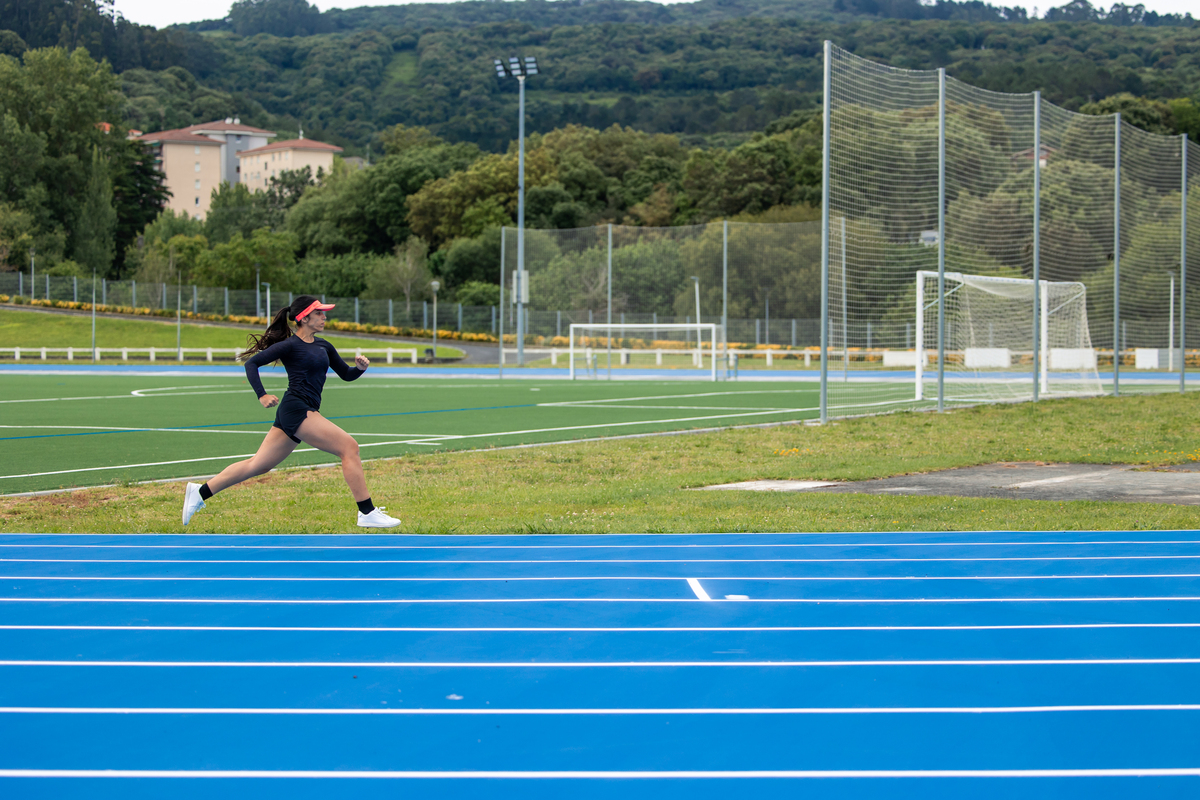
Top NCAA programs operate integrated performance hubs rather than standalone training spaces. These include:
- Dedicated strength and conditioning centers
- Sports science labs with physiological monitoring
- Recovery technology suites
- Performance analytics departments
- Biomechanics labs
Strength and conditioning centers are designed to mirror professional environments. Olympic-level college athletes follow periodized training cycles tailored to winter competition calendars.
Sports science labs provide:
- VO2 max testing
- Force plate analysis
- Motion capture biomechanics
- Load management tracking
This ecosystem allows universities to centralize training oversight, academic scheduling, and performance planning. In 2026, this integrated model supports continuous Olympic readiness without requiring exclusive national camp relocation.
Comparing University Facilities to National Training Centers
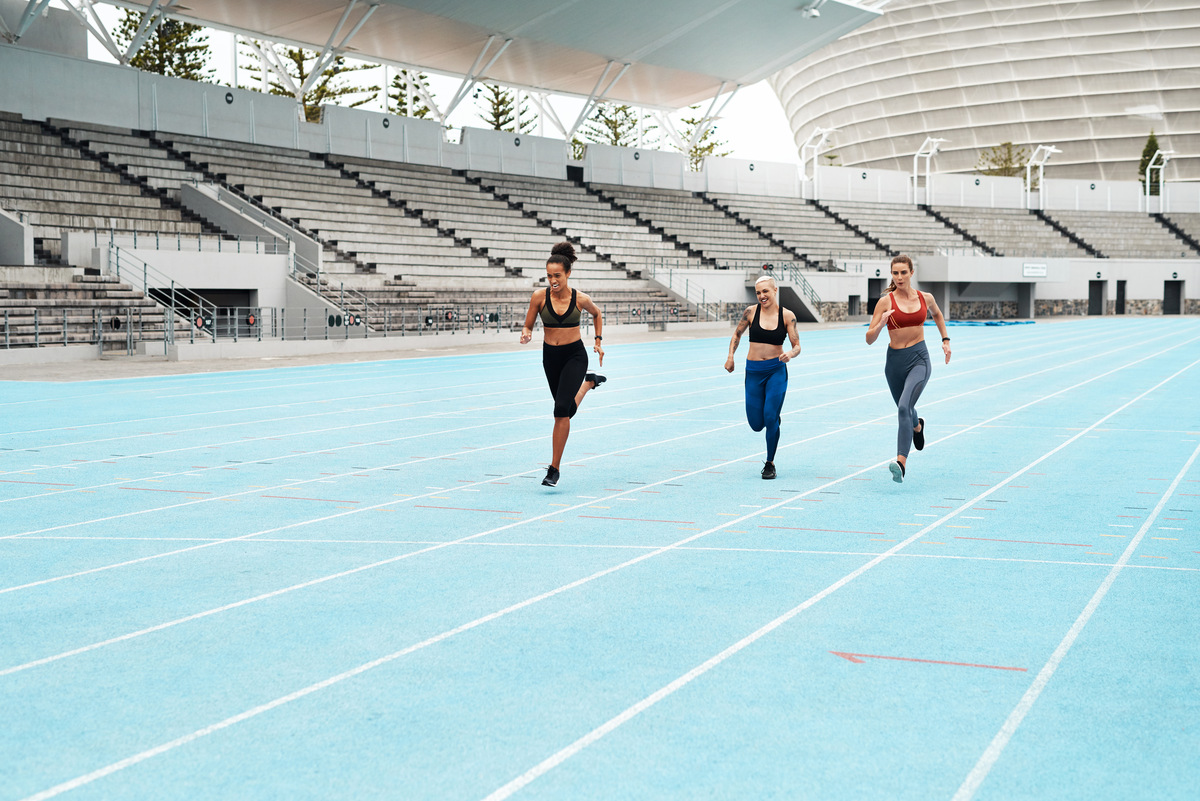
National team centers remain specialized and federation-driven. However, top NCAA programs now offer comparable daily access to high-performance tools.
University vs National Training Infrastructure
| Component | Top NCAA Programs | National Team Centers |
|---|---|---|
| Strength & Conditioning | Full-time staff, athlete-specific programming | Centralized elite specialists |
| Sports Science | Embedded labs with academic collaboration | Dedicated Olympic research units |
| Recovery Technology | Cryotherapy, hydrotherapy, GPS monitoring | Advanced recovery suites |
| Coaching Density | Multiple assistant and skill coaches | Sport-specific national staff |
National centers retain advantages in centralized elite focus. However, universities provide continuous access rather than periodic camp-based access.
During the active Olympic cycle, university facilities Olympic training integration ensures athletes maintain performance rhythms within structured academic-athletic schedules.
Ice Hockey — Facility Depth and Tactical Development
Ice hockey programs at leading NCAA institutions operate with comprehensive facility depth. Dedicated rinks, video rooms, performance analytics teams, and skill-specific training zones create layered development environments.
Tactical development relies on:
- Video-assisted breakdown sessions
- Data-driven performance tracking
- Skill repetition within controlled practice environments
College sports performance infrastructure allows athletes to train multiple times daily without off-campus relocation.
The NCAA winter sports facilities impact in hockey is visible in skating efficiency, conditioning sustainability, and tactical discipline during Olympic competition. Universities provide controlled rehearsal environments that simulate high-intensity tournament schedules.
Alpine & Nordic Skiing — Geography and Altitude Advantage
Skiing disciplines rely heavily on geography. Universities located in mountain regions benefit from:
- Natural altitude training
- Proximity to competition-caliber slopes
- Integrated conditioning facilities near snow access
Altitude training contributes to aerobic efficiency and endurance stability during Olympic events.
Sports science labs complement environmental advantages by tracking oxygen adaptation and metabolic response.
Olympic athlete development college pathways in alpine and Nordic skiing therefore depend on both facility depth and geographic positioning. National centers may centralize elite camps, but universities provide daily altitude exposure combined with academic flexibility.
Recovery Technology and Injury Prevention in Olympic Years
Injury prevention is critical during Olympic cycles. University programs now invest heavily in:
- Cryotherapy chambers
- Hydrotherapy pools
- Soft tissue rehabilitation centers
- Sleep optimization labs
Recovery technology reduces cumulative fatigue across competitive schedules.
Performance analytics systems monitor:
- Load metrics
- Muscular asymmetry
- Biomechanical stress indicators
The NCAA training facilities impact becomes particularly evident during dense winter schedules. Athletes entering Olympic competition demonstrate structural resilience shaped by consistent institutional oversight.
Financial Investment and Competitive Edge
Institutional athletic investment determines facility depth.
Power conference universities allocate substantial budgets toward:
- Facility expansion
- Technology upgrades
- Full-time performance staff
- Data analytics integration
Mid-major and regional programs often operate with fewer embedded specialists.
Investment affects:
- Access frequency
- Equipment sophistication
- Staff-to-athlete ratios
In 2026, infrastructure differences influence preparation quality long before Olympic selection occurs.
Infrastructure Inequality — Not All Programs Are Equal
Not all NCAA programs provide identical resources.
Facility Investment and Olympic Readiness
| Program Tier | Facility Depth | Olympic Development Potential |
|---|---|---|
| Power Conference | Extensive integrated performance complexes | High — sustained elite pipeline |
| Mid-Major | Solid but limited specialized labs | Moderate — sport-specific strength |
| Regional Programs | Basic strength facilities | Limited — reliance on external centers |
Infrastructure inequality affects training continuity and performance optimization.
Athletes from programs with comprehensive biomechanics labs and analytics departments receive more refined technical feedback. Those in smaller programs may rely more heavily on national federation resources.
Does Infrastructure Translate to Olympic Medals?
Infrastructure alone does not guarantee medals. However, it shapes readiness variables including:
- Injury reduction
- Conditioning stability
- Tactical precision
- Recovery efficiency
During the current Olympic cycle, athletes emerging from strong collegiate infrastructure demonstrate consistent competitive pacing and structural resilience.
National centers remain critical for final Olympic integration, but university facilities Olympic training environments contribute to foundational development.
The relationship is indirect but measurable: infrastructure enhances preparation quality, which influences competitive consistency.
Conclusion
As the 2026 Winter Olympic cycle unfolds, university facilities play a significant role in athlete preparation. Top NCAA programs now operate comprehensive performance ecosystems that rival aspects of national training centers.
Ice hockey programs leverage tactical analytics and facility depth. Skiing disciplines benefit from altitude and integrated sports science. Recovery technology and performance monitoring support durability across dense winter competition schedules.
However, infrastructure inequality remains evident across program tiers. Institutional athletic investment determines access to advanced resources and embedded expertise.
University facilities Olympic training systems do not independently produce Olympic outcomes, but they materially influence athlete readiness within the 2026 competitive cycle.
Learn More About the NIL Landscape
Name, Image, and Likeness plays an increasing role in college sports, and understanding how it works often requires more than individual articles or news updates.
RallyFuel is a platform focused on NIL-related topics across college athletics. It brings together information about athletes, NIL activity, and the broader structure behind modern college sports, helping readers explore the topic in more depth.
👉 Explore the Athletes on RallyFuel – Discover top college athletes, compare NIL valuations, and dive deeper into the world of NIL.
FAQ
1. How do university facilities influence Olympic preparation during the 2026 cycle?
University performance centers provide daily access to strength training, sports science testing, recovery technology, and performance analytics. During the current Olympic cycle, this continuous infrastructure supports conditioning stability and injury prevention, both of which are critical in winter competition schedules.
2. Are NCAA facilities comparable to national Olympic training centers?
In several areas, top NCAA programs offer comparable resources, including biomechanics labs, recovery suites, and full-time strength staff. However, national centers remain more specialized and fully dedicated to elite Olympic preparation, while universities balance academic and athletic integration.
3. Why does infrastructure matter more in Olympic years?
Olympic years involve condensed competition schedules and higher performance intensity. Advanced recovery systems, load monitoring, and sports science support reduce fatigue accumulation and help athletes maintain peak condition throughout the season.
4. Do all college programs provide the same level of training infrastructure?
No. Facility depth varies significantly between power conference institutions, mid-major programs, and smaller regional schools. Budget size, staffing density, and access to advanced technology directly affect training quality and performance optimization.
5. Does better infrastructure directly result in Olympic medals?
Infrastructure does not guarantee podium finishes. However, it improves preparation variables such as conditioning efficiency, tactical execution, and injury resilience. These factors enhance overall Olympic readiness during the 2026 Winter Games cycle.




Leave a Comment