
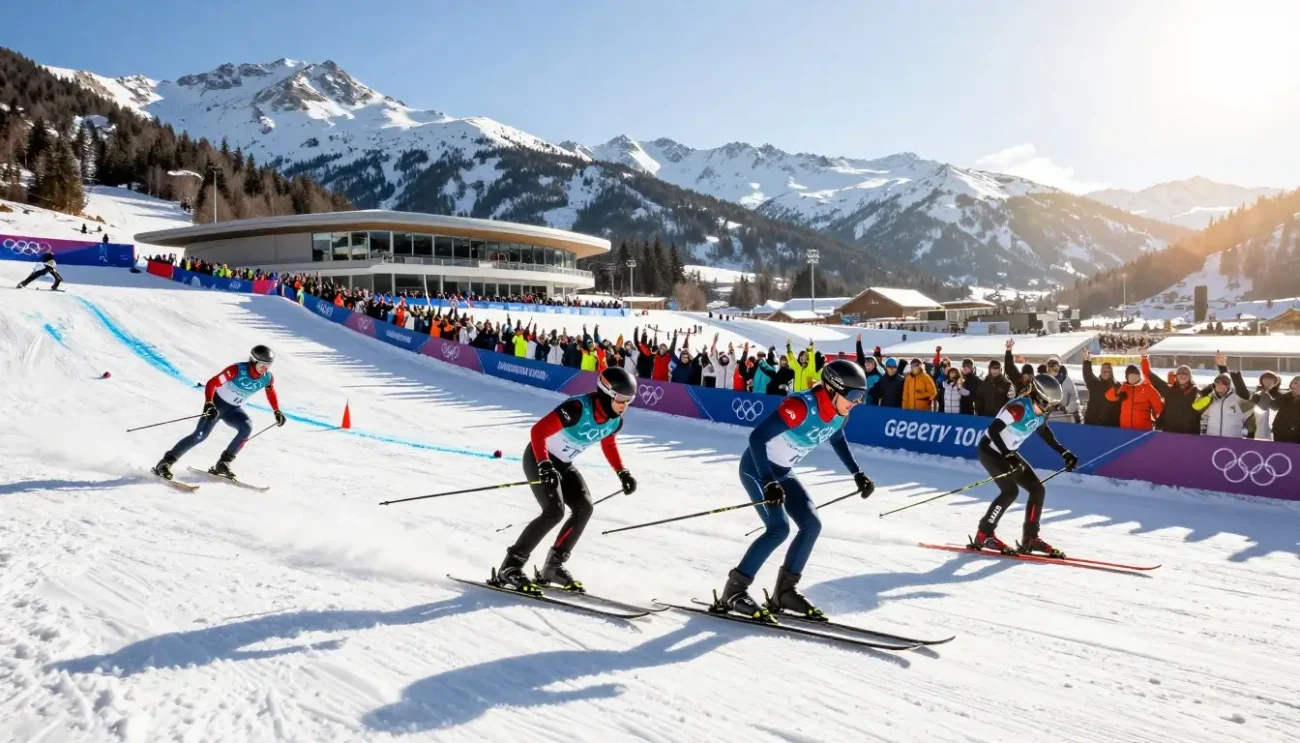
The International Olympic Committee (IOC) has been making significant changes to the Winter Olympics, shifting towards shorter event formats and more dynamic winter events. This move is part of a broader strategy to revamp the Olympic Games, making them more appealing to a younger audience and increasing their global appeal.
As we explore the reasons behind these IOC policy changes, it becomes clear that the committee is responding to changing viewer habits and the evolving landscape of international sports. By adopting shorter formats, the IOC aims to enhance the viewing experience, making the Winter Olympics more engaging and accessible to fans worldwide.
The Evolution of Winter Olympic Events
The evolution of Winter Olympic events is a story of adaptation and innovation, driven by changing viewer preferences and technological advancements. As we examine the history of the Winter Olympics, we notice a gradual transformation in event formats, reflecting broader changes in sports and entertainment.
Traditional Format of Winter Olympic Competitions
Traditionally, Winter Olympic events have followed well-established formats, with disciplines like alpine skiing, figure skating, and speed skating having long-standing rules and competition structures. These traditional formats have been the backbone of the Winter Olympics, providing a familiar and competitive framework for athletes and spectators alike.
| Event | Traditional Format |
|---|---|
| Alpine Skiing | Downhill, Slalom, Giant Slalom |
| Figure Skating | Men's, Ladies', Pairs, Ice Dance |
| Speed Skating | 500m, 1000m, 1500m, 5000m, 10000m |
Early Signs of Change in Event Structures
In recent years, there have been early signs of change in Winter Olympic event structures, with the introduction of new formats and disciplines. For instance, the inclusion of Big Air Snowboarding and Mass Start Speed Skating has injected a fresh dynamic into the Games, appealing to a new generation of fans and athletes.
These changes reflect the IOC’s efforts to stay relevant in a rapidly changing sports landscape, driven by evolving viewer preferences and technological innovations.
The IOC Is Pushing Shorter and More Dynamic Winter Events: An Overview
The International Olympic Committee (IOC) is revolutionizing the Winter Olympics by introducing shorter and more dynamic events. This move is part of a broader strategy to enhance viewer engagement and adapt to changing sports consumption habits.
Recent Policy Changes by the International Olympic Committee
The IOC has recently implemented several policy changes aimed at modernizing the Winter Olympics. These changes include the introduction of new event formats that are more concise and exciting. For instance, the IOC has introduced mixed-team events and modified existing competitions to make them more dynamic.
| Event | Traditional Format | New Format |
|---|---|---|
| Snowboarding | Individual Competitions | Mixed-Team Events |
| Freestyle Skiing | Single-Discipline Events | Multi-Discipline Events |
Key Objectives Behind the New Event Format Strategy
The IOC’s new event format strategy is driven by several key objectives. Firstly, the IOC aims to enhance viewer engagement by making events more concise and exciting. Secondly, the IOC seeks to adapt to changing sports consumption habits, particularly among younger audiences. The IOC is also focusing on increasing the appeal of Winter Olympic events to a broader audience.
Declining Viewership: The Catalyst for Change
With viewership numbers dwindling, the IOC is compelled to innovate and adapt the Winter Olympic Games to modern media consumption habits. The decline in viewership has been a significant concern, prompting a thorough reevaluation of the event formats to ensure the Winter Olympics remain relevant and engaging for contemporary audiences.
Viewership Trends for Winter Olympics
Recent Winter Olympics have seen a decline in viewership, with a notable drop in ratings among younger demographics. According to recent data, the average age of Olympic viewers has increased, indicating a need for the IOC to attract a younger audience. The IOC has reported a shift in viewer preferences towards more dynamic and fast-paced content.
Changing Media Consumption Habits
The way people consume sports is changing, with a growing preference for online streaming and short-form content. As Thomas Bach, IOC President, noted, “The Olympic Games must adapt to the changing media landscape to remain relevant.” The IOC is responding by incorporating new event formats that cater to these changing sports consumption habits and media trends.
By embracing these changes, the IOC aims to revitalize interest in the Winter Olympics and attract a new generation of fans. This involves not only modifying event structures but also leveraging digital platforms to enhance the viewer experience.
The Digital Age and Attention Economy
The rise of digital technologies has reshaped the sports viewing experience, presenting both challenges and opportunities for the IOC. As we navigate this new landscape, it’s clear that the way we consume sports has changed dramatically.
Impact of Social Media on Sports Consumption
Social media has become a crucial factor in sports consumption, with platforms like Twitter, Instagram, and Facebook changing how fans engage with sports. Social media platforms offer real-time updates, exclusive behind-the-scenes access, and closer interaction with athletes, enriching the fan experience. However, this shift also means that sports organizations must adapt their content strategies to capture and maintain audience attention in a crowded digital space.
Competition from Other Entertainment Platforms
The sports industry now competes with a myriad of other entertainment options for viewers’ attention. Streaming services, video games, and social media influencers are just a few examples of the alternatives that have emerged. To remain relevant, the IOC must innovate and make Winter Olympic events more engaging and appealing to a modern audience.
By understanding these challenges and leveraging the opportunities presented by the digital age, the IOC can work towards creating a more dynamic and captivating sports experience.
Examples of Reimagined Winter Olympic Events
The International Olympic Committee (IOC) has been revolutionizing the Winter Olympics by introducing more dynamic and engaging events. This transformation is evident in various sports, with a focus on enhancing viewer experience and attracting a younger audience.
Snowboarding and Freestyle Skiing Innovations
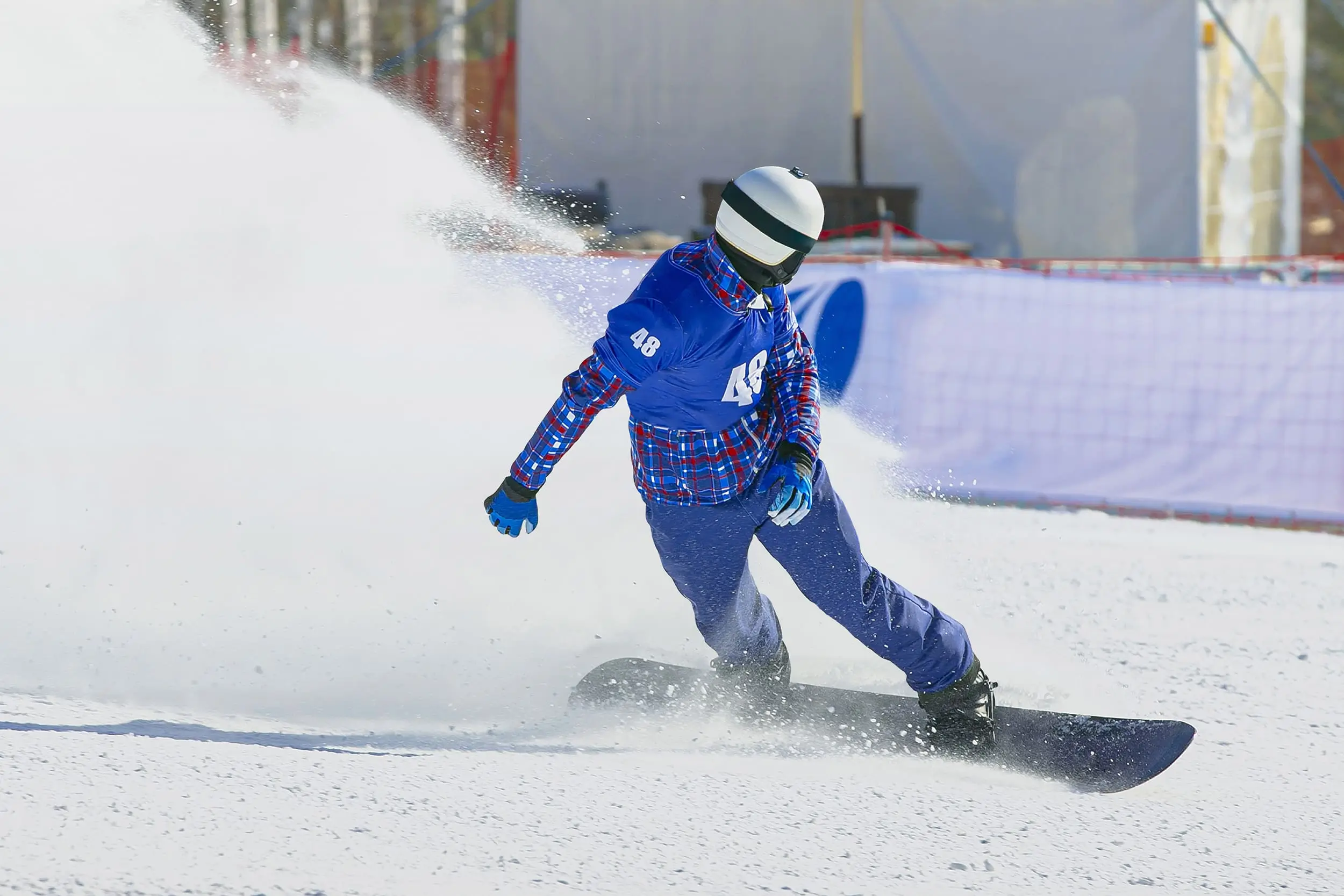
Snowboarding and freestyle skiing have seen significant innovations, making them more thrilling for spectators. The changes are particularly notable in Big Air, Slopestyle, and Halfpipe formats.
Big Air and Slopestyle Evolution
The Big Air and Slopestyle events have been revamped to include more complex features and higher jumps, pushing athletes to new heights. These changes have made the competitions more captivating for viewers.
Halfpipe Format Changes
The Halfpipe format has also undergone changes, with an emphasis on increasing the difficulty level and variety of tricks performed by athletes. This has enhanced the overall excitement of the events.
Changes in Traditional Alpine and Nordic Events
Traditional Alpine and Nordic events have also seen significant changes. The introduction of new formats and mixed-team events has added a fresh twist to these classic competitions.
| Event | Traditional Format | New Format |
|---|---|---|
| Alpine Skiing | Individual Time Trials | Mixed-Team Parallel Slalom |
| Nordic Skiing | Individual Sprint | Mixed-Team Relay |
New Mixed-Team Formats
The introduction of mixed-team formats has brought a new level of excitement to the Winter Olympics. These events combine athletes from different disciplines, promoting teamwork and strategy.
By reimagining traditional events and introducing new formats, the IOC is making the Winter Olympics more dynamic and appealing to a modern audience.
Technological Innovations Enabling Dynamic Competitions
The integration of advanced technologies is transforming the landscape of winter Olympic events, enhancing both the athlete and viewer experience. This transformation is driven by several key technological innovations.
Advanced Timing and Scoring Systems
Advanced timing and scoring systems have become crucial in the modern Olympic Games. These systems utilize high-precision sensors and sophisticated algorithms to provide accurate and real-time data. For instance, high-speed cameras and transponder technology are used to record athletes’ times to the thousandth of a second, ensuring fairness and precision in competitions.
- Real-time data analytics for athletes and coaches
- Enhanced accuracy in judging and scoring
- Integration with broadcast technology for seamless viewer experience
Broadcast Technology Enhancements
Broadcast technology enhancements have significantly contributed to making Olympic events more engaging. Innovations such as 4K and 8K resolution broadcasting, drone coverage, and virtual reality (VR) experiences are providing viewers with immersive and comprehensive coverage of the events.
These technologies not only enhance the viewing experience but also offer new ways for audiences to engage with the events, such as through multi-angle viewing options and personalized content.
Broadcasting Considerations Driving Format Changes
The International Olympic Committee (IOC) has been reevaluating the format of Winter Olympic events, with broadcasting considerations playing a crucial role in these decisions. As the IOC seeks to make the Winter Olympics more appealing to a broader audience, it has had to balance various factors, including television rights, commercial imperatives, and scheduling challenges.
Television Rights and Commercial Imperatives
Television rights and commercial considerations have significantly influenced the IOC’s decisions on event format changes. The IOC generates a substantial portion of its revenue from broadcasting rights, making it essential to create content that is attractive to television audiences. By modifying event formats to be more dynamic and viewer-friendly, the IOC aims to increase its appeal to a wider demographic and maintain its commercial viability.
Scheduling and Programming Challenges
The IOC faces significant scheduling and programming challenges when organizing the Winter Olympics. With a diverse range of events and a limited broadcast window, the IOC must carefully plan the schedule to maximize viewer engagement. This involves strategically scheduling events to accommodate different time zones and peak viewing hours, ensuring that the most popular events are broadcast during prime time.
Athlete Perspectives on Shorter Event Formats
Athletes are at the forefront of the IOC’s efforts to revamp Winter Olympic events, with diverse views on the proposed changes. As the International Olympic Committee continues to reshape the Winter Olympics, the athletes’ perspectives on shorter event formats are crucial in understanding the potential impacts on their careers and the overall competitive integrity.
Benefits for Athletes’ Careers and Performance
Shorter event formats can bring several benefits to athletes. For instance, reduced event duration can lead to less physical strain, potentially improving overall performance and extending athletes’ careers. Additionally, the increased excitement and dynamism of shorter formats may attract new fans and enhance the athletes’ visibility on social media platforms.
Some athletes appreciate the potential for more frequent competitions, as shorter formats allow for more events to be held within a shorter timeframe. This can lead to more opportunities for athletes to compete and gain experience.
Concerns About Tradition and Competitive Integrity
Despite the potential benefits, many athletes express concerns about the impact of shorter event formats on the tradition and competitive integrity of their sports. For example, traditionalists worry that shorter formats may dilute the essence of certain events, potentially alienating long-time fans who value the historical context and technical nuances of the competitions.
Athletes also fear that shorter formats might lead to a lack of depth in competition, as the reduced duration could favor athletes with specific skill sets over those with more well-rounded abilities. Ensuring that the competitive integrity is maintained while innovating the event formats is a challenge that the IOC and athletes must navigate together.
Stakeholder Responses to Event Restructuring
The IOC’s efforts to modernize the Winter Olympics have elicited a range of responses from key stakeholders. As the committee continues to implement changes, feedback from National Olympic Committees, sponsors, and sports federations provides valuable insights into the potential impact of these reforms.
National Olympic Committees’ Positions
National Olympic Committees (NOCs) have generally welcomed the IOC’s efforts to increase the appeal of winter events. Many NOCs see the potential for increased popularity and viewership among younger audiences. For instance, the U.S. The Olympic Committee has welcomed the new mixed-team formats, noting their potential to attract new fans.
Sponsor and Partner Feedback
Sponsors and partners have also reacted to the IOC’s restructuring. Some have expressed enthusiasm for the new formats, seeing opportunities for increased brand engagement. Others have raised concerns about the potential impact on traditional Olympic viewing experiences. A survey of major sponsors revealed mixed reactions: 55% viewed the changes positively, while 45% remained more cautious.
Sports Federations’ Adaptation Strategies
Sports federations are adapting their strategies in response to the IOC’s reforms. For example, the International Ski Federation (FIS) has begun to modify its event calendars and formats to align with the IOC’s new initiatives. The table below summarizes the responses from various stakeholders:
| Stakeholder | Response |
|---|---|
| National Olympic Committees | Generally supportive, seeing potential for increased popularity |
| Sponsors and Partners | Mixed response, with some supporting changes and others raising concerns |
| Sports Federations | Adapting strategies to align with IOC reforms |
As the IOC continues to implement its vision for the Winter Olympics, ongoing feedback from stakeholders will be crucial in shaping the future of the Games.
Comparative Analysis: Similar Trends in Other Sports
The shift towards shorter and more dynamic events is not unique to the Winter Olympics; it’s a widespread movement across various sports. As viewer preferences continue to evolve, different disciplines are adapting to remain engaging and relevant.
Summer Olympic Event Modifications
The Summer Olympics have also seen significant changes in event formats to enhance viewer engagement. For instance, the inclusion of new sports like skateboarding and surfing has brought a younger audience to the Games. Additionally, existing events have been modified to make them more spectator-friendly. For example, gymnastics competitions now often feature a more compact schedule, reducing the overall duration of the event.
Changes in Professional Winter Sports Leagues
Professional winter sports leagues, such as the NHL, have also implemented changes to enhance the viewing experience. One notable change is the introduction of 3-on-3 overtime periods, which has increased excitement by providing more scoring opportunities. Furthermore, the NHL has adopted rule changes to reduce game stoppages, making the overall experience more fluid and engaging for viewers.
| Aspect | Winter Olympics | Summer Olympics | Professional Winter Sports Leagues |
|---|---|---|---|
| Event Format Changes | Introduction of new mixed-team formats | Inclusion of new sports like skateboarding | 3-on-3 overtime in hockey |
| Viewer Engagement | Shorter events, more dynamic competitions | Compact schedules in gymnastics | Rule changes to reduce stoppages |
Future Trajectory of Winter Olympic Events
As we look to the future, the International Olympic Committee (IOC) is poised to continue reshaping the Winter Olympic Games. The future trajectory of these events is being shaped by various factors, including changing viewer habits and technological advancements.
Upcoming Changes for Milano Cortina 2026
The Milano Cortina 2026 Winter Olympics are just around the corner, and with them comes a new wave of innovations in event formats. The IOC has been working tirelessly to ensure that the Games are more engaging and appealing to a wider audience. Some of the key changes include new mixed-team formats and the introduction of new events that are expected to attract a younger demographic.
Long-term Vision for Winter Olympic Sports
Looking beyond Milano Cortina 2026, the IOC’s long-term vision for Winter Olympic sports involves a continued push towards more dynamic and viewer-friendly events. This includes leveraging technology to enhance the viewing experience and making the Games more accessible to a global audience. The IOC aims to strike a balance between tradition and innovation, ensuring that the Winter Olympics remain relevant and exciting for years to come.
The future trajectory of Winter Olympic events is thus marked by a commitment to evolution and adaptation, ensuring that the Games remain a premier international sporting event.
Conclusion
As we have explored, the International Olympic Committee (IOC) is driving significant reforms to make Winter Olympic events shorter and more dynamic. This shift is largely in response to declining viewership and changing media consumption habits. By embracing these changes, the IOC aims to revitalize interest in the Winter Olympics and ensure its continued relevance in the modern sports landscape.
The introduction of new event formats, such as mixed-team competitions and innovations in snowboarding and freestyle skiing, is set to make the Winter Olympics more engaging for a younger audience. Technological advancements in timing, scoring, and broadcast technology will further enhance the viewer experience, making the events more enjoyable and accessible.
As the IOC continues to push for a more dynamic Winter Olympics, it is crucial to balance innovation with the integrity and tradition of the Games. The future of the Winter Olympics will depend on successfully adapting to these changes while maintaining the essence of Olympic competition. With these IOC reforms, the Winter Olympics are poised to remain a premier global sports event, captivating audiences and inspiring athletes for years to come.
Learn More About the NIL Landscape
Name, Image, and Likeness plays an increasing role in college sports, and understanding how it works often requires more than individual articles or news updates.
RallyFuel is a platform focused on NIL-related topics across college athletics. It brings together information about athletes, NIL activity, and the broader structure behind modern college sports, helping readers explore the topic in more depth.
FAQ
What prompted the International Olympic Committee (IOC) to push for shorter and more dynamic winter events?
The IOC’s decision to make winter events shorter and more dynamic is largely driven by declining viewership and changing media consumption habits, particularly among younger audiences.
How do the new event formats enhance viewer engagement?
The new formats are designed to be more fast-paced and exciting, incorporating elements that appeal to modern sports fans, such as mixed-team competitions and innovative course designs.
What are some examples of reimagined winter Olympic events?
Examples include innovations in snowboarding and freestyle skiing, such as Big Air and Slopestyle events, as well as new mixed-team formats in traditional Alpine and Nordic events.
How do modern technologies help enable the new event formats?
Advanced timing and scoring systems, along with broadcast technology enhancements, play a crucial role in facilitating the IOC’s new event formats, improving both the competition and viewer experience.
What are the benefits for athletes in the new event formats?
The new formats can provide athletes with more competitive opportunities and potentially enhance their careers by making their performances more engaging and visible to a broader audience.
How have National Olympic Committees and sports federations responded to the IOC’s event restructuring?
Responses have varied, with some National Olympic Committees and sports federations adapting their strategies to align with the IOC’s new initiatives, while others have expressed concerns about maintaining tradition and competitive integrity.
Are the changes to winter Olympic events part of a broader trend in sports?
Yes, similar modifications are observed in Summer Olympic events and professional winter sports leagues, indicating a broader shift towards adapting sports formats to changing viewer preferences and consumption habits.
What can we expect for future Winter Olympics, such as Milano Cortina 2026?
The Milano Cortina 2026 Winter Olympics are expected to feature further implementations of the IOC’s new event formats, continuing the trend towards shorter and more dynamic competitions.
How do the broadcasting considerations influence the IOC’s decisions on event format changes?
Broadcasting considerations, including television rights, commercial imperatives, and scheduling challenges, significantly influence the IOC’s decisions, as the organization seeks to make the Winter Olympics more appealing to a broader audience.
What is the IOC’s long-term vision for Winter Olympic sports?
The IOC aims to continue evolving the Winter Olympics to maintain their relevance and appeal, balancing the need for innovation with the preservation of Olympic traditions and competitive integrity.




Leave a Comment